
Technology and computing has become an important part of most people’s lives. We would like to ensure that all children in our school can become competent and confident users of ICT, ready for their adult life.
The computing subject covers all objectives for the national curriculum for Key Stage One and Key Stage Two and planning in EYFS relates to the new Statutory EYFS framework. The Computing curriculum has been designed to give the children breadth of understanding of technology, using a variety of tools and equipment. The curriculum focuses on three main strands; digital literacy, information technology and computer science. These are taught and referenced explicitly with the children during lessons.
We have a commitment to ensuring we have equipment that is relevant to the age and stage of the children, and that we embrace and introduce new technologies where relevant. To enhance the curriculum the children are able to access a range of technology in the school including laptops, programmable toys, tablets and iPads in EYFS/KS1 and laptops, microbits, cameras and tablets in KS2. Children are able to develop and progress their skills in Computing each year to build on prior knowledge and skills they have been taught before.
During Computer Science lessons the introduction of algorithms to the taught curriculum has meant that the children are becoming even more engaged with the subject. From this change more children in Year 2 and Year 3 have said they would like to be video game developers and designers in the future. We are looking forward to building on this interest from the children and are excited to provide them with even more opportunities to explore new careers through STEM and enrichment days at Toftwood!
We have a commitment as a school to ensure that all children are online-safe using technology and the internet. All classes have a designated space for digital literacy on their Computing boards with quick, simple information of how to be safe online (SMART). Each half term the children focus on a different strand of digital literacy, from AI to copyright. This is all mapped in line with the Project Evolve curriculum resources and is shown on our curriculum overview.
Computing Summer Term 2026
Reception
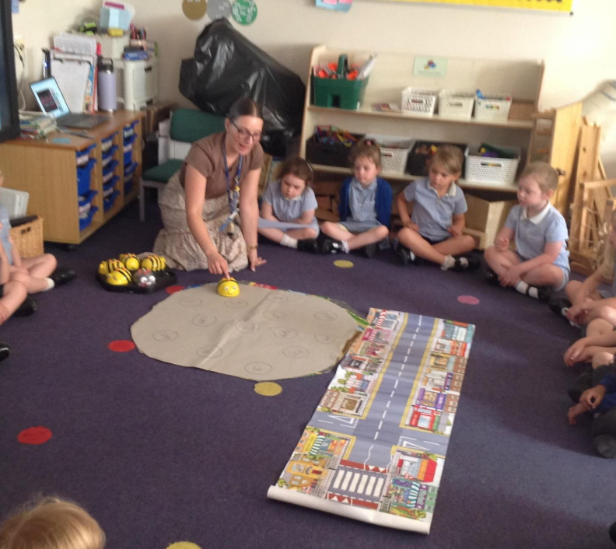
The children in Reception have been busy exploring BeeBots in the summer term and learning how to programme them to move them along a road or map. They have also been mark making with them and seeing if they could create different lines, shapes and letters!
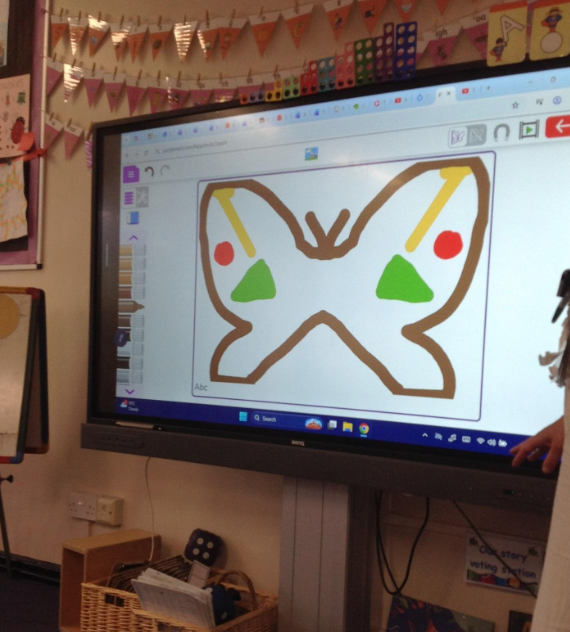
We have also been introducing using purplemash on our interactive whiteboards in our maths sessions and in provision to explore the concept of symmetry and how we can use digital tools to create and move shapes.
Year 1
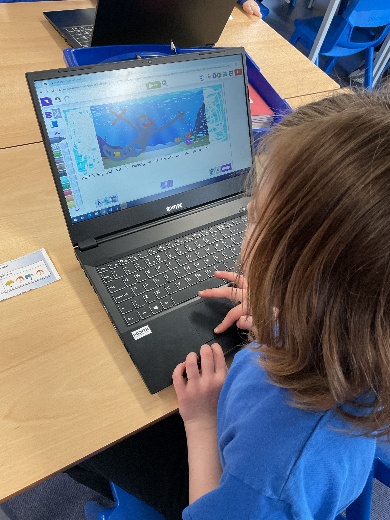
This term, the children in Year 1 have been creating their own eBooks. They drew their characters and typed out their story. Then they added animations, sounds and a background. Finally, the children have shared their stories with their friends. The children have also been looking at what technology is and how they can use it. We have also discussed how the children can stay safe online and why they need to keep their personal information private.
Year 2
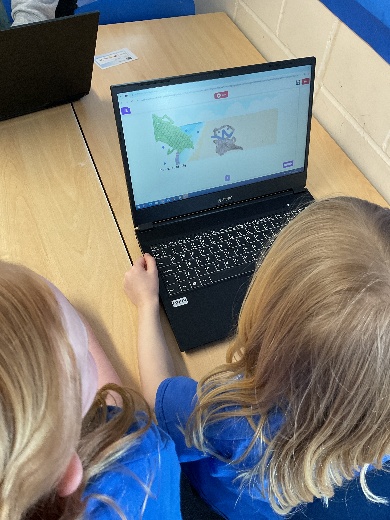
In Summer 1 the children built on their Computer Science knowledge and have been programming on Scratch Junior. The children were able to design their own sprites and backgrounds. They then programmed these sprites and made them do a variety of things, including; bounce, spin, move, speak, disappear, grow and shrink! We were so impressed with their finished space races!
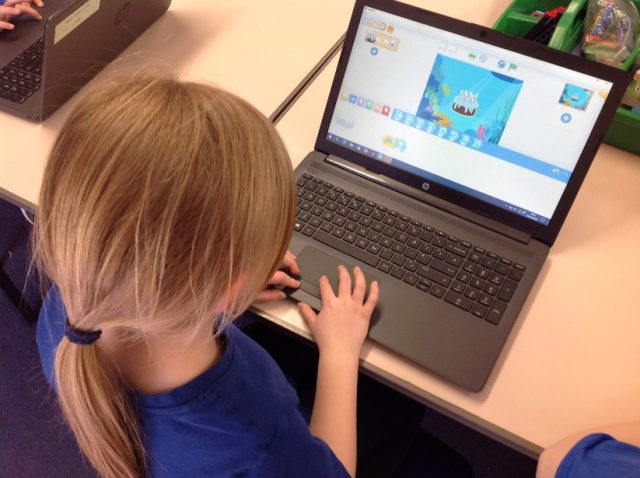
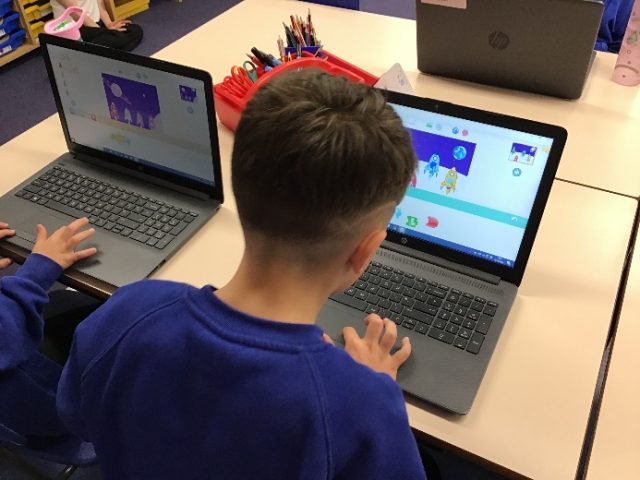
In Summer 2 they have furthered their typing knowledge and have used laptops to write sentences about their favourite things in Year 2. They were then able to edit these sentences in Word. Following this the children played typing games on Purple Mash and enjoyed increasing their fluency.
Computing Spring Term 2026
Reception
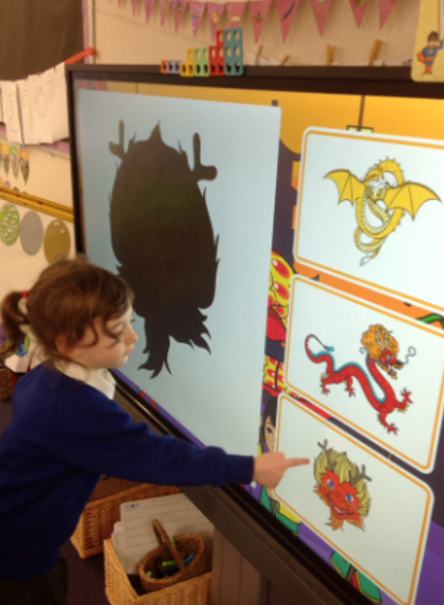
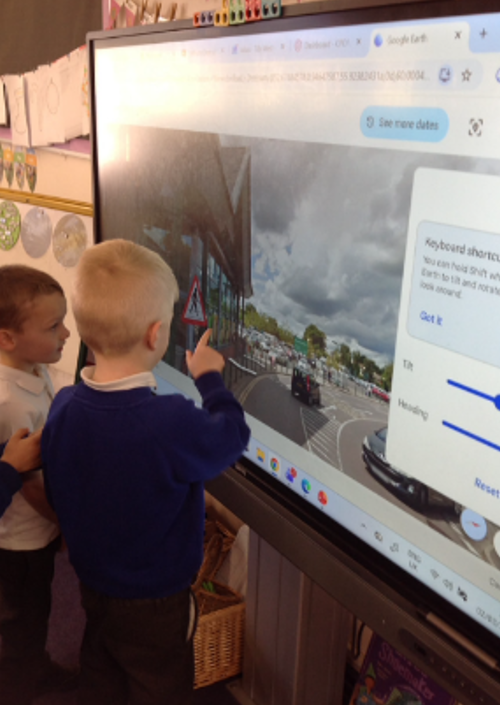
The children in Reception have continued to learn about the technology in their classroom learning environments. They have particularly been focusing on gaining independence when using equipment, such as exploring educational games and being able to change the colour of the pen on the SMART programme. A key focus has been using educational games on the interactive whiteboards to practice following instructions by listening carefully, recognise patterns and complete tasks in the correct order.
Year 1
In spring 1, the children in year 1 used online tools to complete various tasks on digital painting. Each lesson they focused on a different artist to recreate their art using different tools like shape, paint, drawing and filling with colour. During the final lesson, the children recreated a piece of their own artwork digitally using the same programme.
In spring 2, the children used Purple Mash for the first time, using the 2Create a story tool. They created an e-book that they worked on each week, adding something different each week like an animation, sound and inserting backgrounds. We as a class enjoyed sharing the stories at the end of the topic and the children were excited to tae their purple mash logins home to enable them to explore further.
Year 2
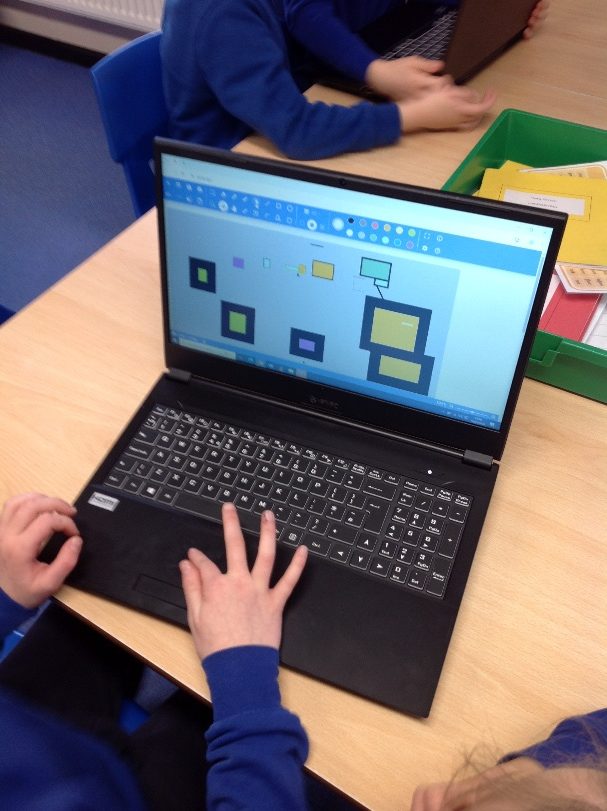
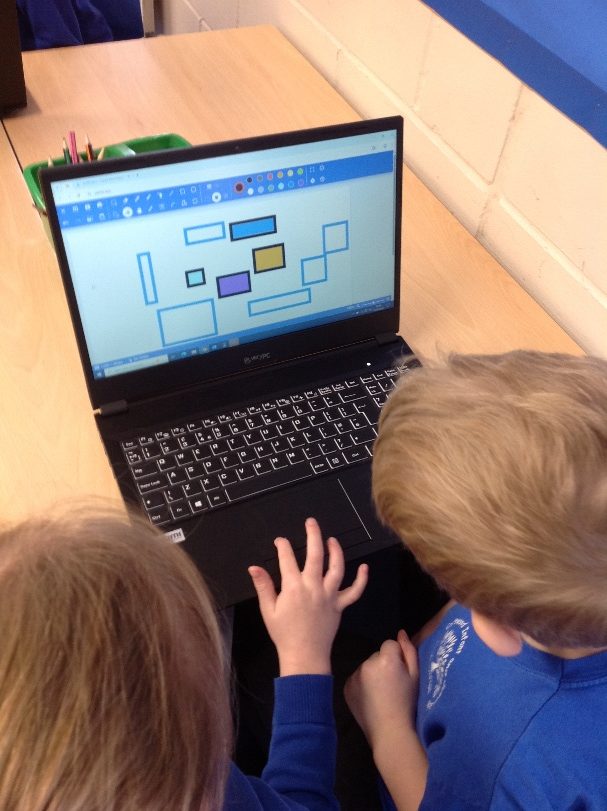
In Computing this term the children have focused on all three strands of Computing; Digital Literacy, Information Technology and Computer Science.
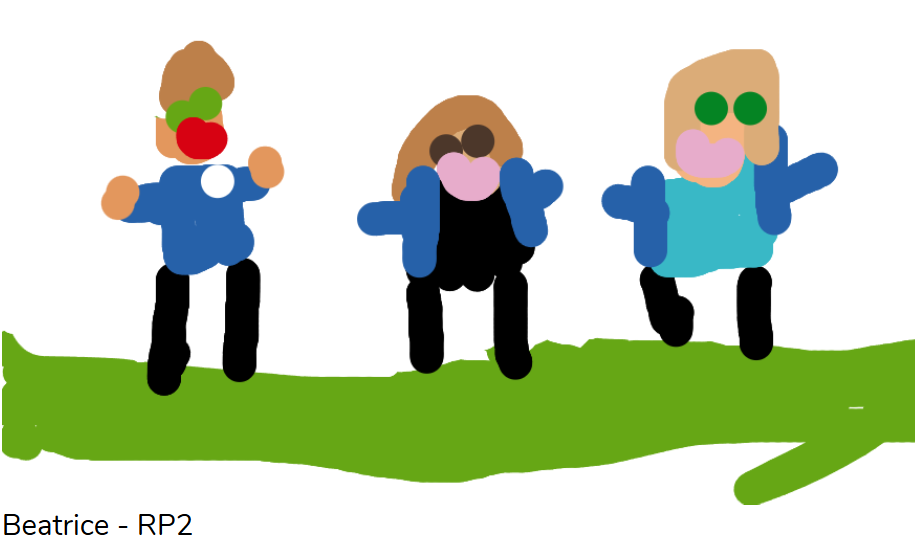
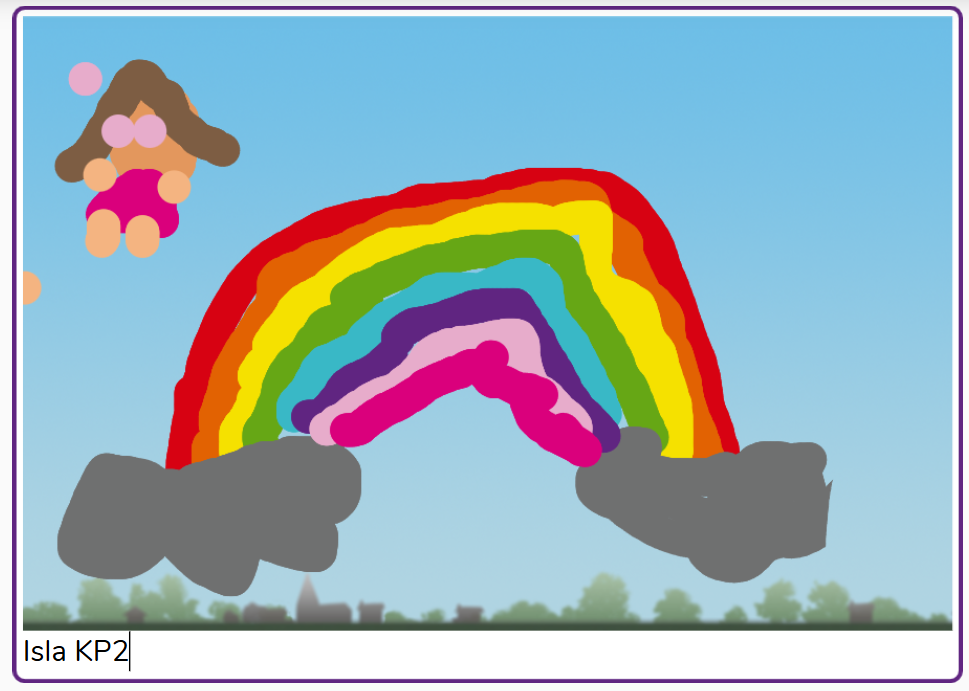
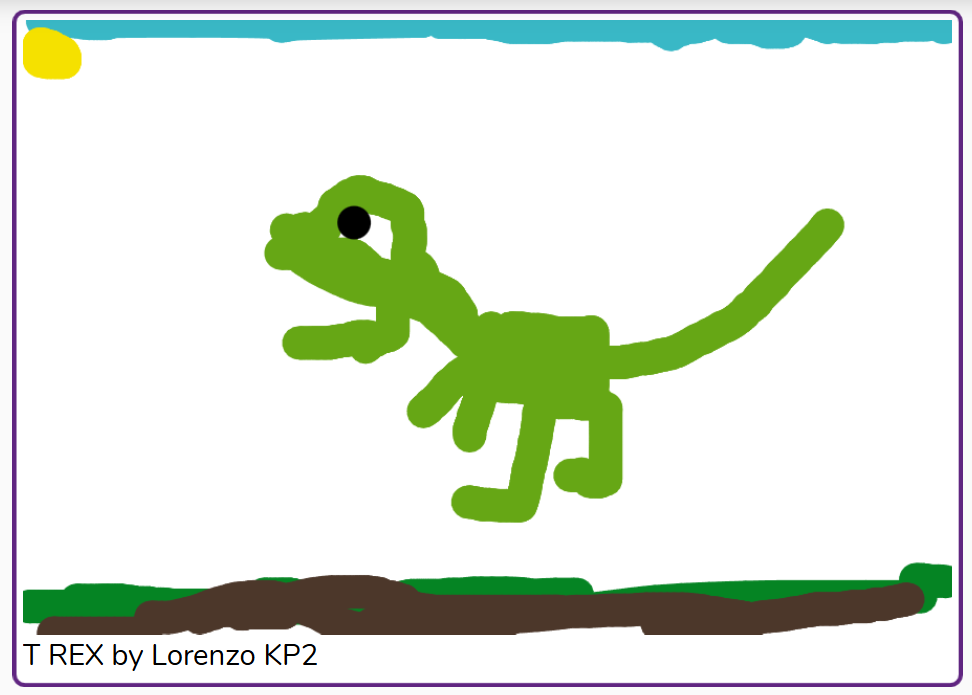
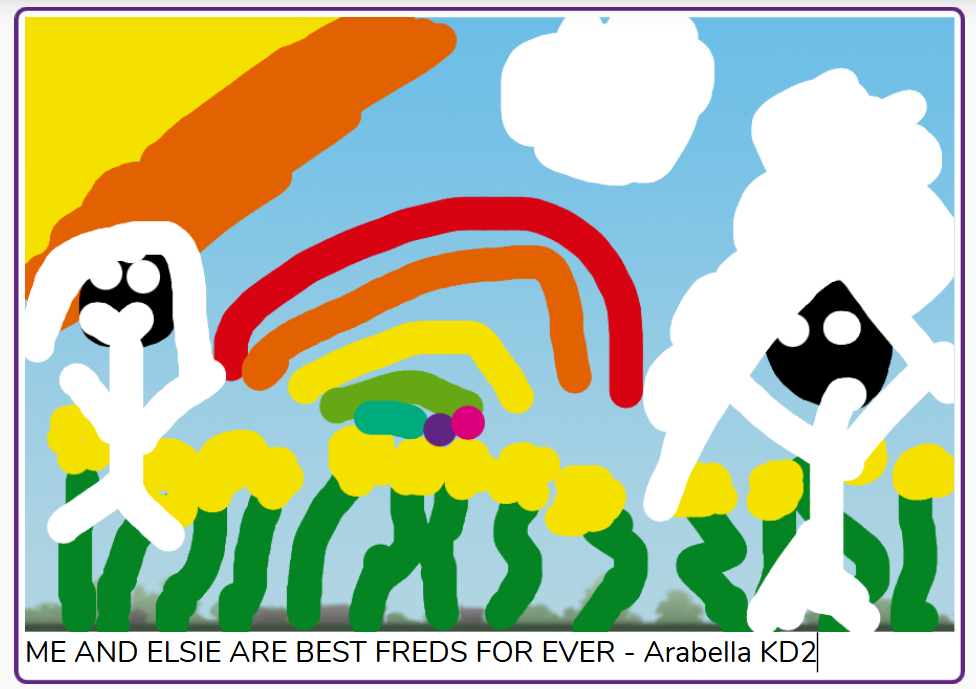
When focusing on Digital Literacy the children have been thinking about computing systems and networks. They begun by using laptops for the first time, learning about the mice and keyboard. The children thought about different digital devices that they have and can use. They drew pictures for the Information Technology strand, typed sentences and even played some typing games on Purple Mash to improve their digital literacy for typing.
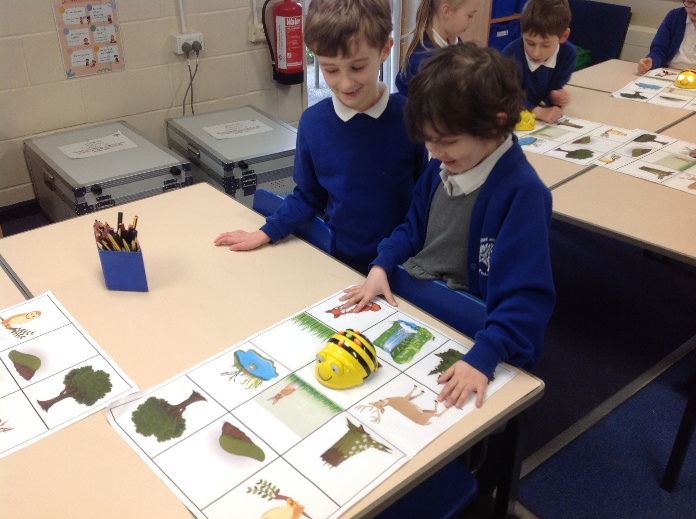
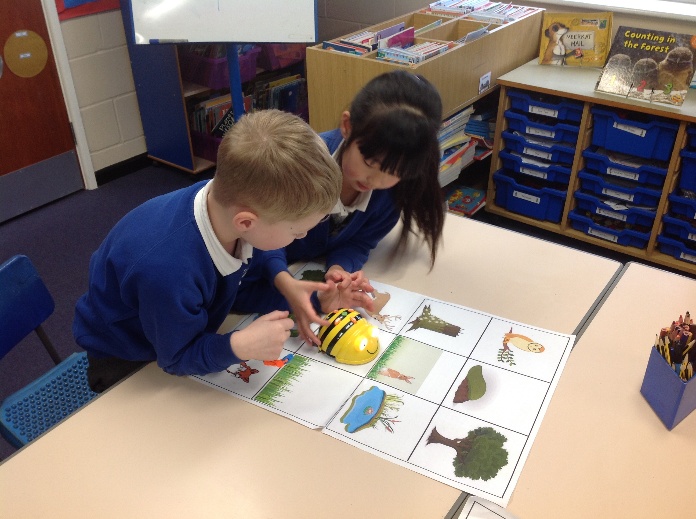
When focusing on Computer Science the children have been retrieving their learning from Year 1. They have used beebots to plan a route, and have even had a go at predicting what their algorithm will lead to. Harrison said that he “found it tricky to predict where he wanted his beebot to go”.
Computing Autumn Term 2025
Reception
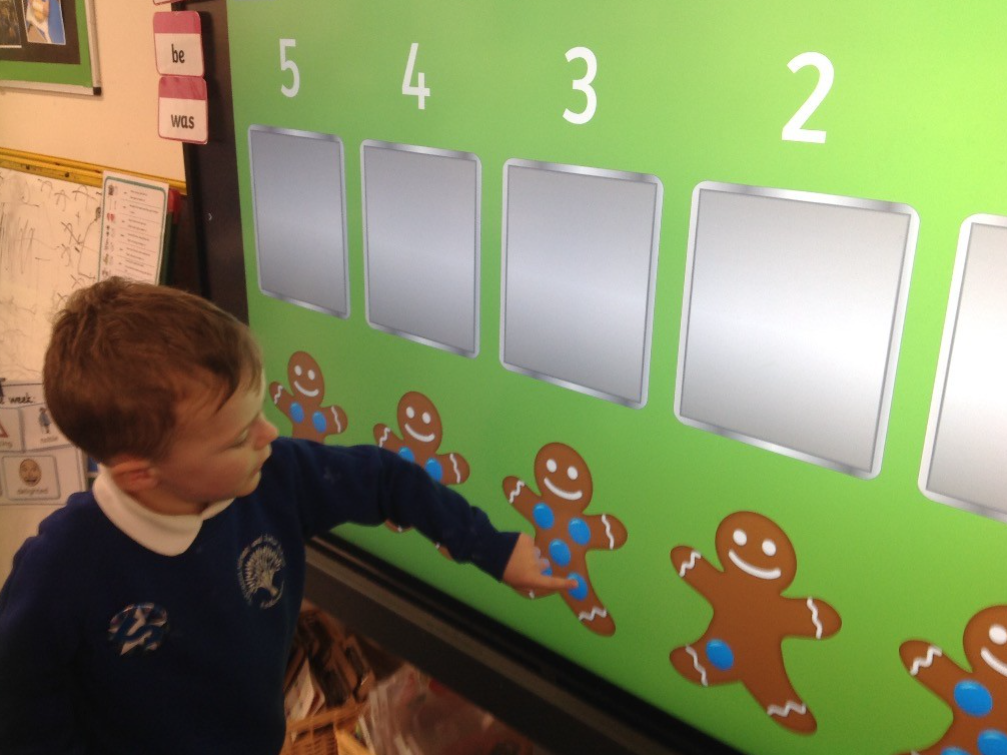
The children in Reception have been exploring the new technology in their classrooms and learning environments.
The have been learning how to use the computers, interactive screens, library book scanners, pretend phones, computer keyboards and cameras.
Year 1
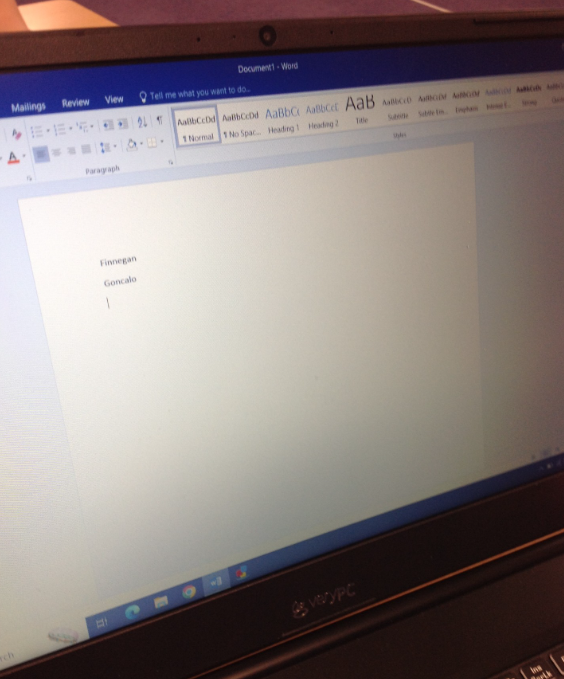
In the autumn term, year 1 have focused on the Information Technology strand of computing. In first half of the autumn term, the children focused on what technology is and how to use computer technology like using a mouse and a keyboard to write their name and to login.
In the second half of the term, the children have continued to learn how to type on a keyboard but have also learned about changing fonts, size of fonts, using italic, bold and underline and as a result have made missing posters for Ted the Teddy Bear!


Year 2
In Computing this term the children have focused on two strands of Computing, Digital Literacy and Computer Science.
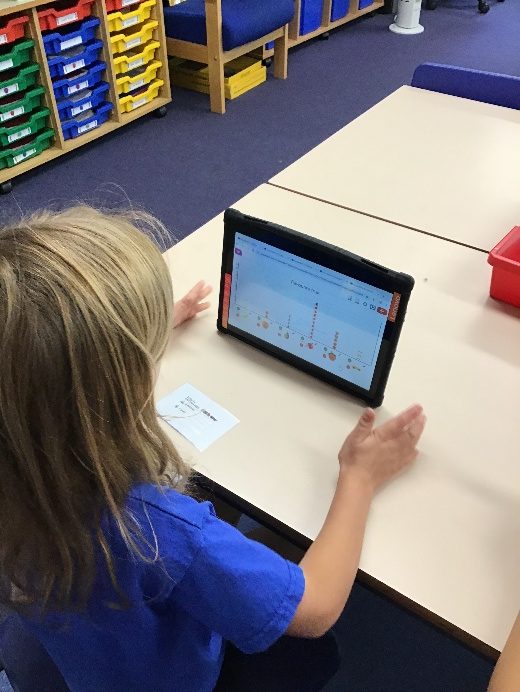
When focusing on Digital Literacy the children have collected data and sorted it into different formats. They have created pictograms and tally charts, surveying the class to collect their data. They have also presented this on 2Count on Purple Mash, creating their pictograms on a digital device. The children spoke about how this was an easier format to see the data and diminishes lots of errors. The children spoke about different ways to categorise including by attribute.
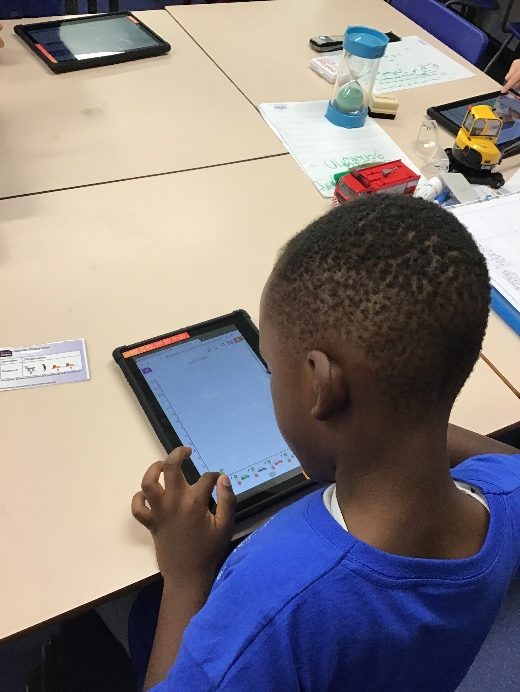
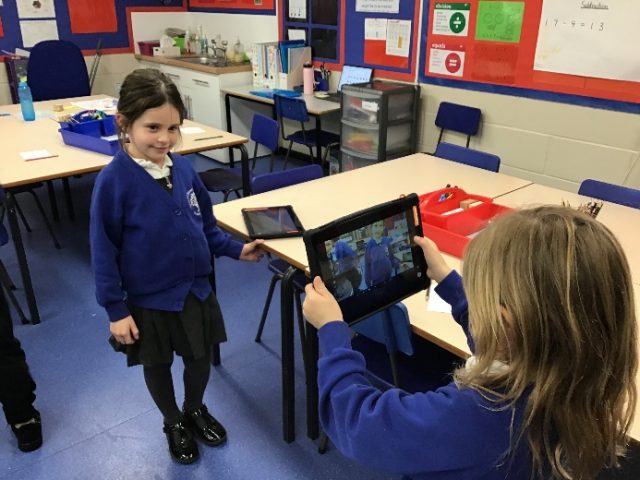
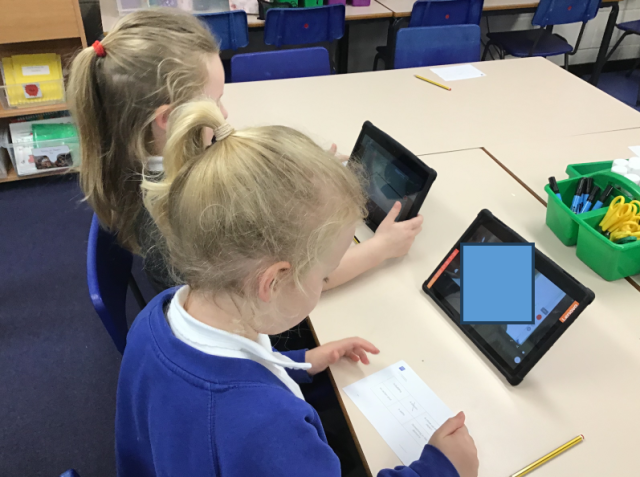
In Autumn 2 the children have been focusing on the information technology unit of taking photos. They have thought about whether to capture an image in portrait, or landscape, whether the subject is in focus and centred, and what lighting makes the best photo!
Computing Spring Term 2026
Year 3
In Computing, the children have looked at programming and sequencing. They started the term by making simple code, adding and moving different Sprites and changing the background. As a challenge, some added features such as sounds and different speech bubbles. Later on in the term, the children have been exploring previously made code and figuring out how they move and work. This then led to them creating, debugging and showing their final games at the end of term.
Year 4
In the first half of the Spring term, Year 4 used Logo to practice programming a turtle using a range of commands. The children learnt how to debug a set of commands and had great fun programming the turtle to create capital letters using 90 degree turns. In later lessons, the children were shown how use the repeat command to make their commands more efficient. Finally, the children were able to successfully create a range of 2D shapes after being given the exterior angle in each of the shapes.
In the second half of the term, Year 4 moved on to changing digital images using Pixlr. The children experimented with cropping the images, re-sizing, cutting out to create layers and adding text to the pictures. The unit of work culminated with the children independently creating a book cover of their choice using the skills learnt in the previous lessons. We have not included any photos here due to our digital literacy learning on Copyright!
Year 5
In Year 5, we have been focusing on coding as well as using data bases. When coding, we used Scratch to make a questionnaire. The children worked with their partners to use condition and selection. When using databases, the children were able to filter data numerically, as well as alphabetically, and to search databases using specific criteria about mini beasts and dinosaurs. The children were able to explain that computer databases were much easier to sort as opposed to paper data bases.
Year 6
In Digital Literacy, we also explored online profiles and online relationships, discussing what was safe to share, why people might share online and the feelings that might be resultant of sharing for different purposes.
Computing Autumn 2025
Year 3
In Computing, the children have been introduced to networks and have been exploring each week how they operate. This has included learning about the features of a device and considering the inputs, processes and outputs a device may have. The children have consolidated their understanding of the purposes of different digital devices.
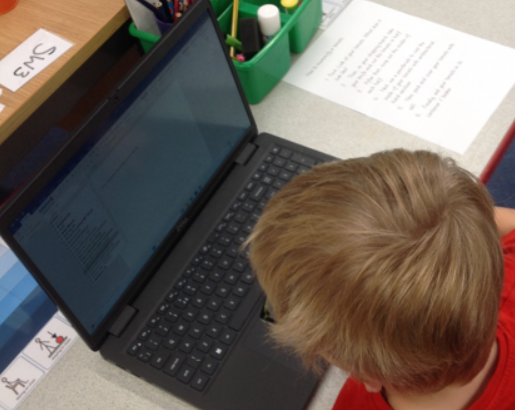
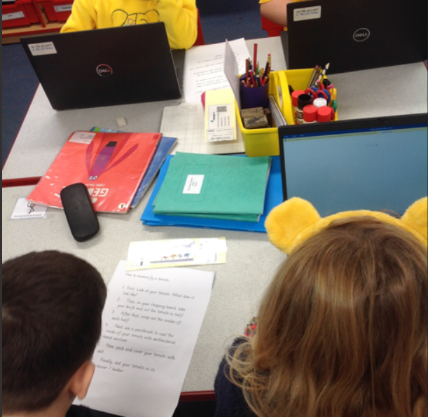
The children also practised touch typing skills by playing a game called Dance Mat, which helps their finger placement on the keyboard. This was helpful when the children came to write up their history focussed instructions on, “How to make a Mummy” and their ‘All About Me’ documents. To help build on this, the children then created a PowerPoint presentation connecting to their Geography lessons all about the ‘Countries of the UK’.
Year 4
In Year 4, the children started the school year by learning about Computer Systems and Networks. The children learnt how networks connect and could recognise how networked devices make up the internet. They learnt how information can be shared via the World Wide Web and the devices that can be used to access it. The children looked in depth at the some of the content on websites to decide whether we could view, download or use the content. We finished the topic by discussing whether we could believe everything we saw on the internet.
Our most recent topic involved learning about data loggers. The children learnt what types of data the data loggers could record and had practical experience of using the data loggers to record data around the school. The children were then shown that the data could be downloaded in to a Logbook Graphing app which could create a range of graphs to present the information. The children particularly enjoyed becoming human data loggers by counting types and colours of vehicles!
Year 5
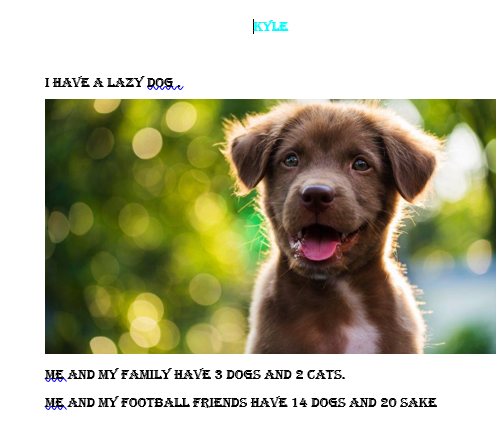
Year 5 learnt all about blogs; what they are and how to create one. They showed off their word processing skills learnt in Year 3 and 4 by changing the font, colour and size of text and were able to copy and paste from a word document into their blogs.
The children discussed how to stay safe online and how they should never share any of their personal details online. The children were then able to produce their own blog posts on our Year 5 blog to share their tips on how to stay safe on the internet!
Later in the term, the children created and edited videos on their own special interest, building on their learning from stop-motion videos in year 3. Year 5 began the topic by looking at different videos and analysing and comparing them. Children then discussed different filming techniques:
- Long shot – filming one person, showing their whole body and where they are
- Moving subject – a person moving from one place to another
- Side by side – filming two people at the same time
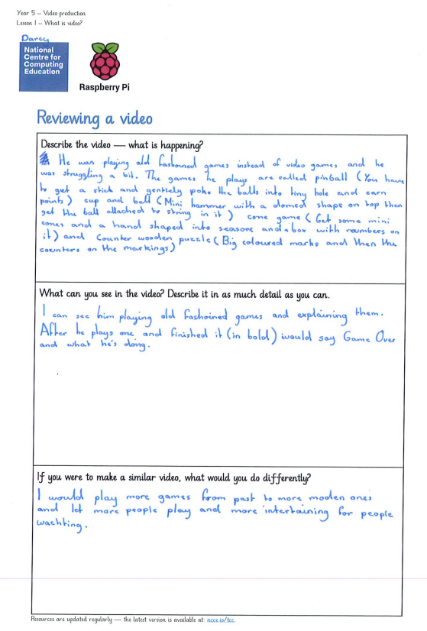
They then planned their own video using a storyboard. The children then filmed their videos using iPads in groups using the different filming techniques. Year 5 concluded the topic by re-watching and evaluating their videos.
Year 6
In Year 6 we have focussed on Digital literacy; we considered our self-image and interests and what people share about themselves in online profiles. This had a strong link to our RSE lesson where we discussed how presentations online might not be representative of a person’s actual life and to not believe everything we see online. We also discussed how to be safe online or in messaging platforms and to ensure that everyone is treated with kindness and how to remove ourselves from situations that are uncomfortable for us or others and then report it.
Different ways to communicate on different platforms was also discussed, including a public or private audience and which apps are appropriate depending on somebody’s age. The children were very surprised to learn that many of the apps we had discussed had a minimum age rating of 13+!
We also developed our knowledge of computer networks further by exploring the basic workings of the internet, e.g. How a website’s IP address is catalogued on Domain Name servers, like an address book and how data is arranged into ‘packets’ for transfer across the network. We ended our unit by communicating on a shared platform via Scratch, which led nicely into our next unit on coding.
For the second half term, we gave clear instructions, known as algorithms, on Scratch to use, modify and then create our own catching game. We built upon our knowledge of repetition and selection to include some variables such as a scoreboard and a timer. We then looked at and focused on Online Safety and how to keep others and ourselves safe online. We reflected on our screen time use and how this can affect our wellbeing.
Computing Spring Term 2025
Year 3 – A Visit from Digital Schoolhouse
On Friday 14th March, Year 3 were very privileged to have Katie Pugh visit us. Katie works for Digital Schoolhouse, a company who specialise in using play-based learning to engage pupils and teachers with the Computing curriculum. Katie spent a session with each Year 3 class, exploring how Scratch works and what the children could do to further their understanding.
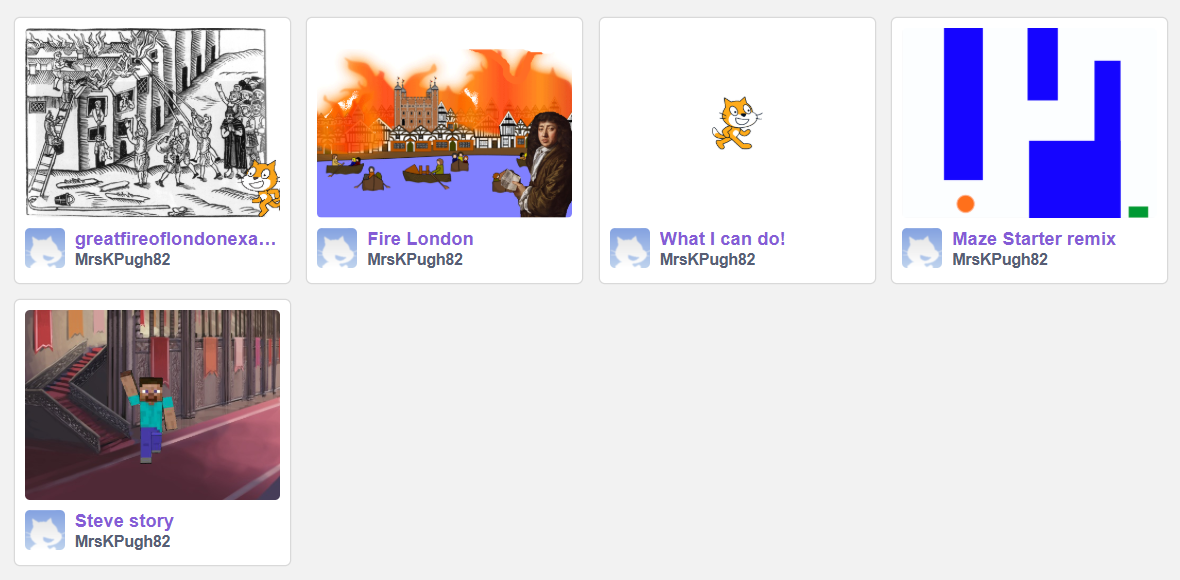
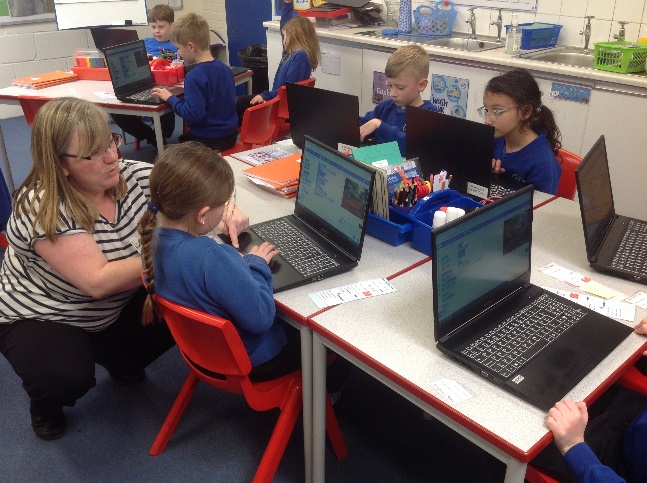 After logging into Scratch, Katie introduced the children to several studio animations she had created. She then invited the children to identify the deliberate errors she had placed into the animations, and asked if they could edit and improve her work. The classes greatly enjoyed exploring topics relating to previous learning such as the Great Fire of London – however, the favourite across each class was clearly the ‘Steve Story’ related to Minecraft!
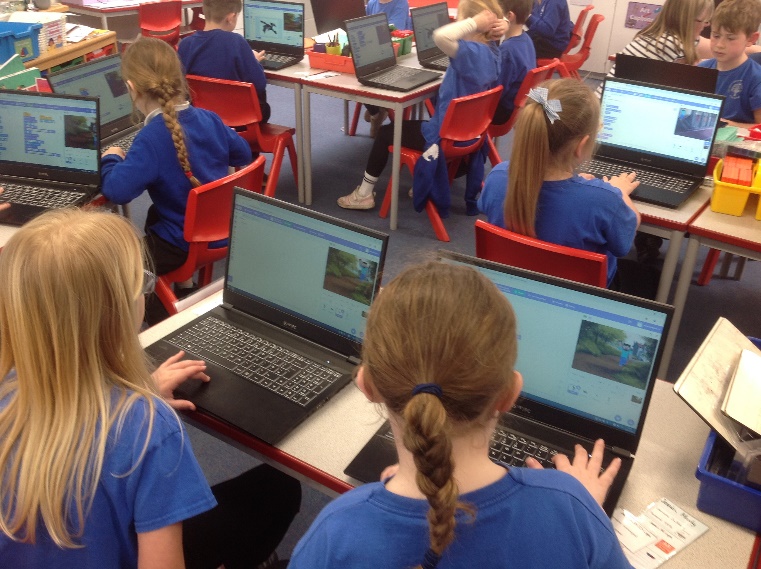
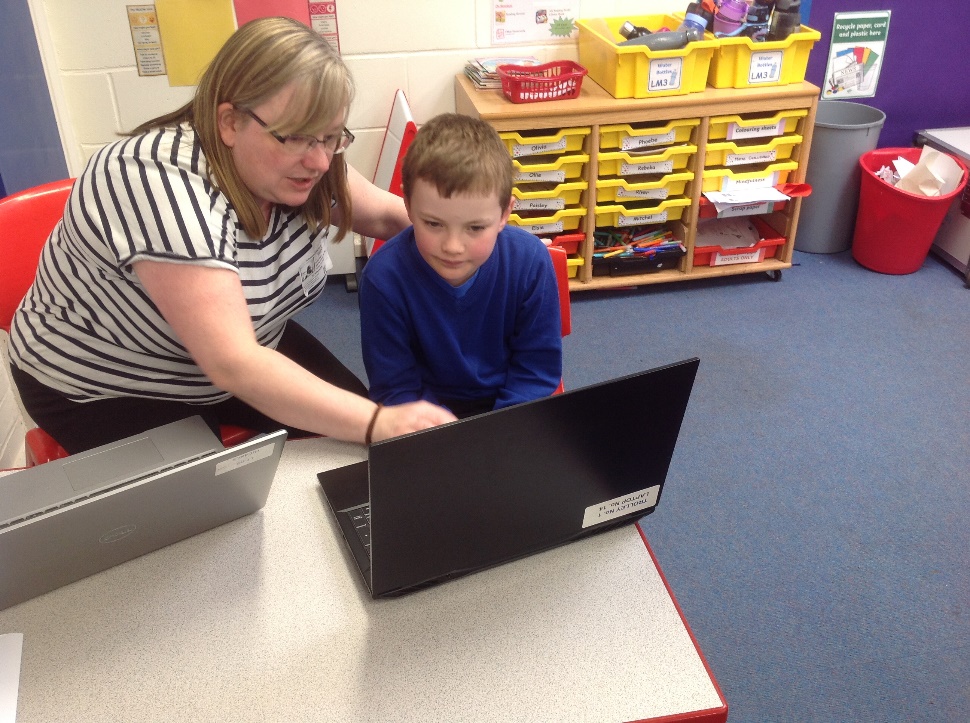 Katie’s sessions built upon the children’s prior understanding of Scratch from earlier in the term by developing their use of different codes to use movement, audio and different control types in their animated sequences. The Year 3s greatly enjoyed their visit and are looking forward to putting their new and developed skills to good use in future lessons.
Year 4
In the first half of the Spring term, Year 4 used Logo to practice programming a turtle using a range of commands. The children learnt how to debug a set of commands and had great fun programming the turtle to create capital letters using 90 degree turns. In later lessons, the children were shown how use the repeat command to make their commands more efficient. Finally, the children were able to successfully create a range of 2D shapes after being given the exterior angle in each of the shapes.
In the second half of the term, Year 4 moved on to changing digital images using Pixlr. The children experimented with cropping the images, re-sizing, cutting out to create layers and adding text to the pictures. The unit of work culminated with the children independently creating a book cover of their choice using the skills learnt in the previous lessons. We have not included any photos here due to our digital literacy learning on Copyright!
Year 5
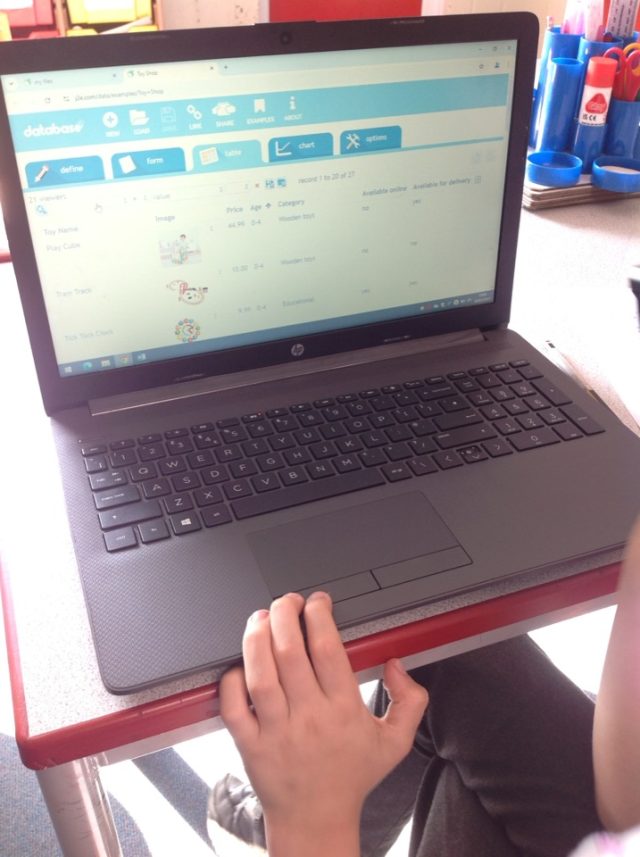
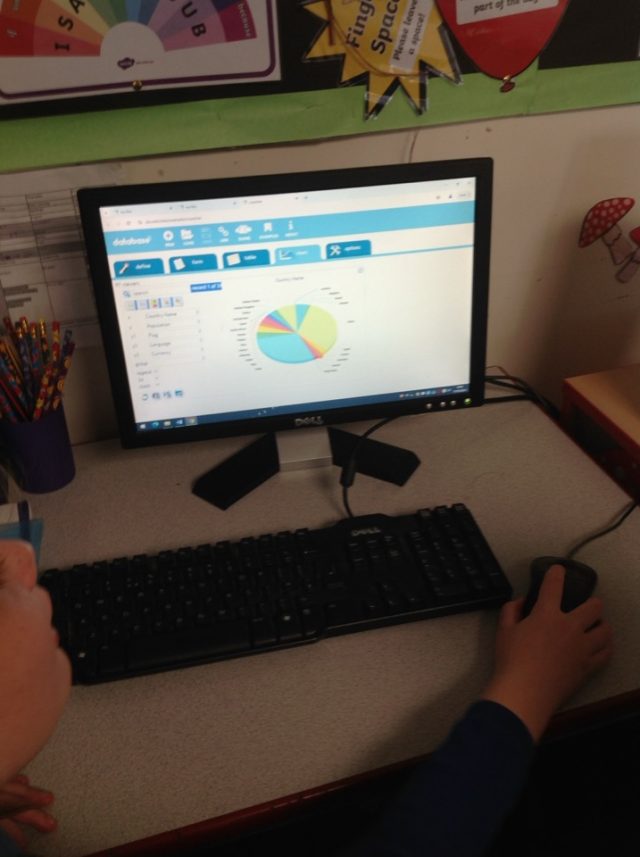
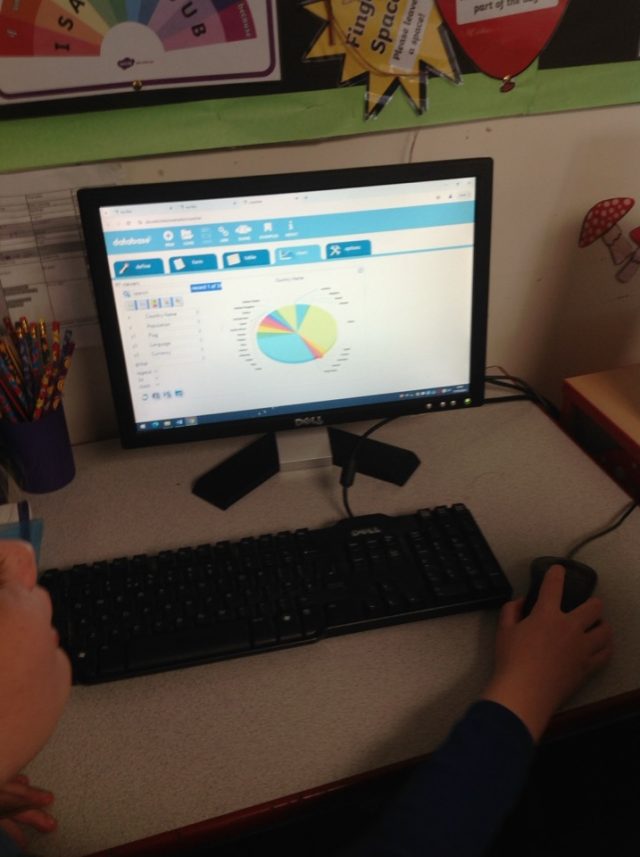
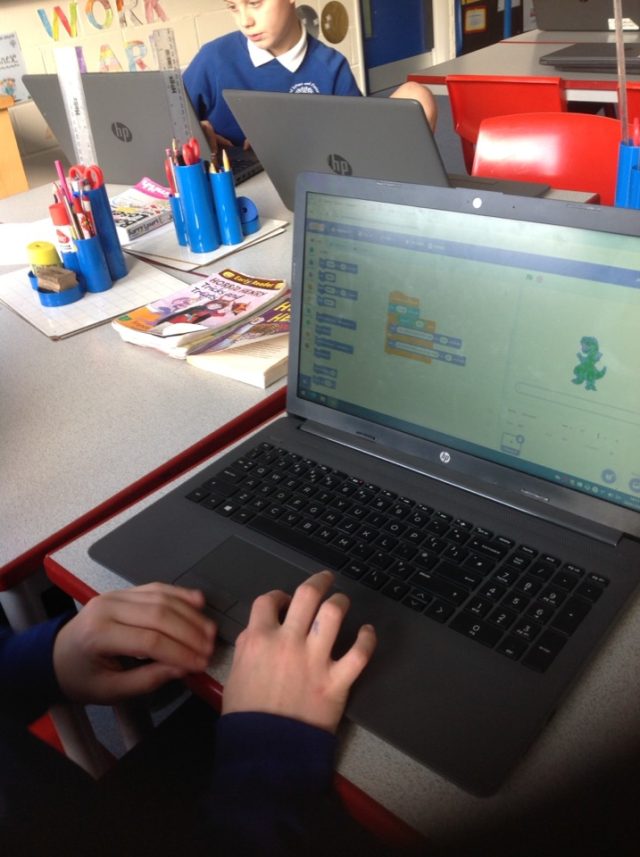
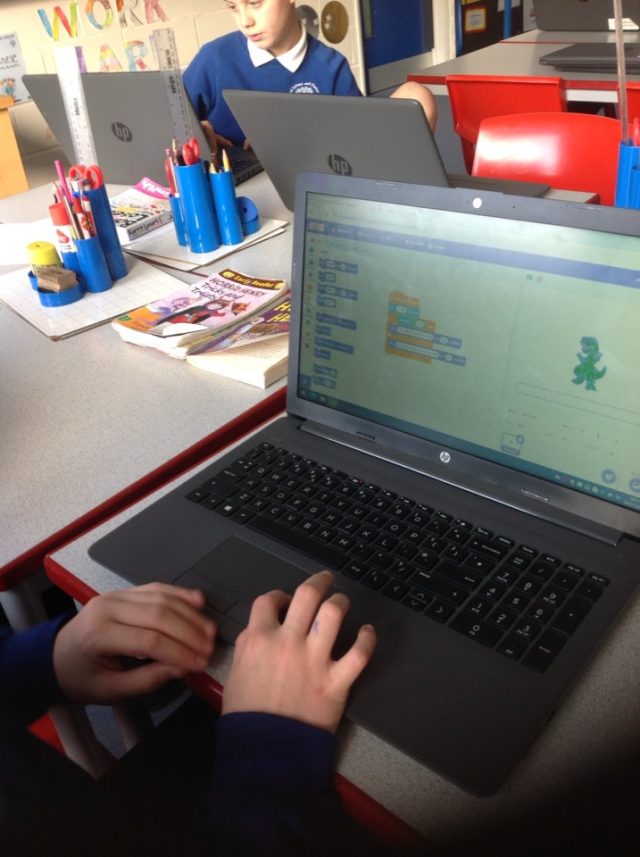
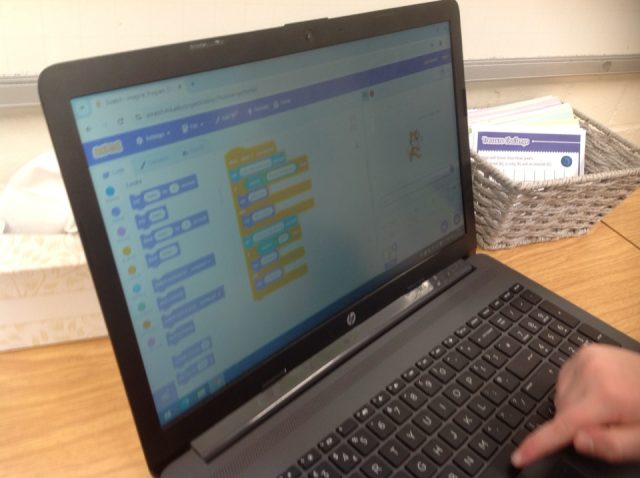
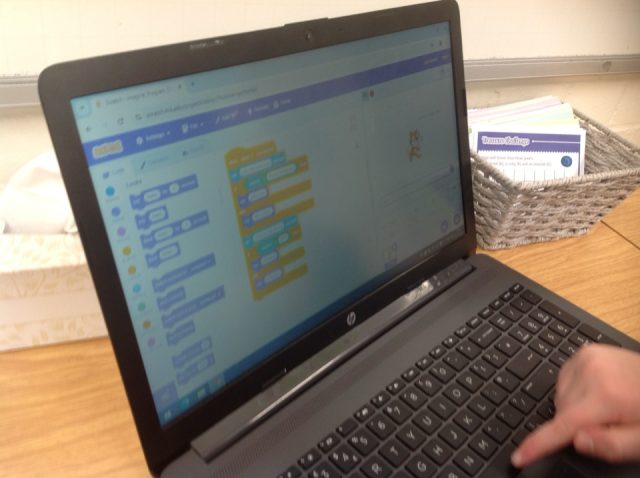
This term, Year 5 have been focusing on coding as well as using data bases. When coding, we used Scratch to make a questionnaire. The children worked with their partners to use condition and selection. When using databases, the children were able to filter data numerically, as well as alphabetically, and to search databases using specific criteria about mini beasts and dinosaurs. The children were able to explain that computer databases were much easier to sort as opposed to paper data bases.

Year 6
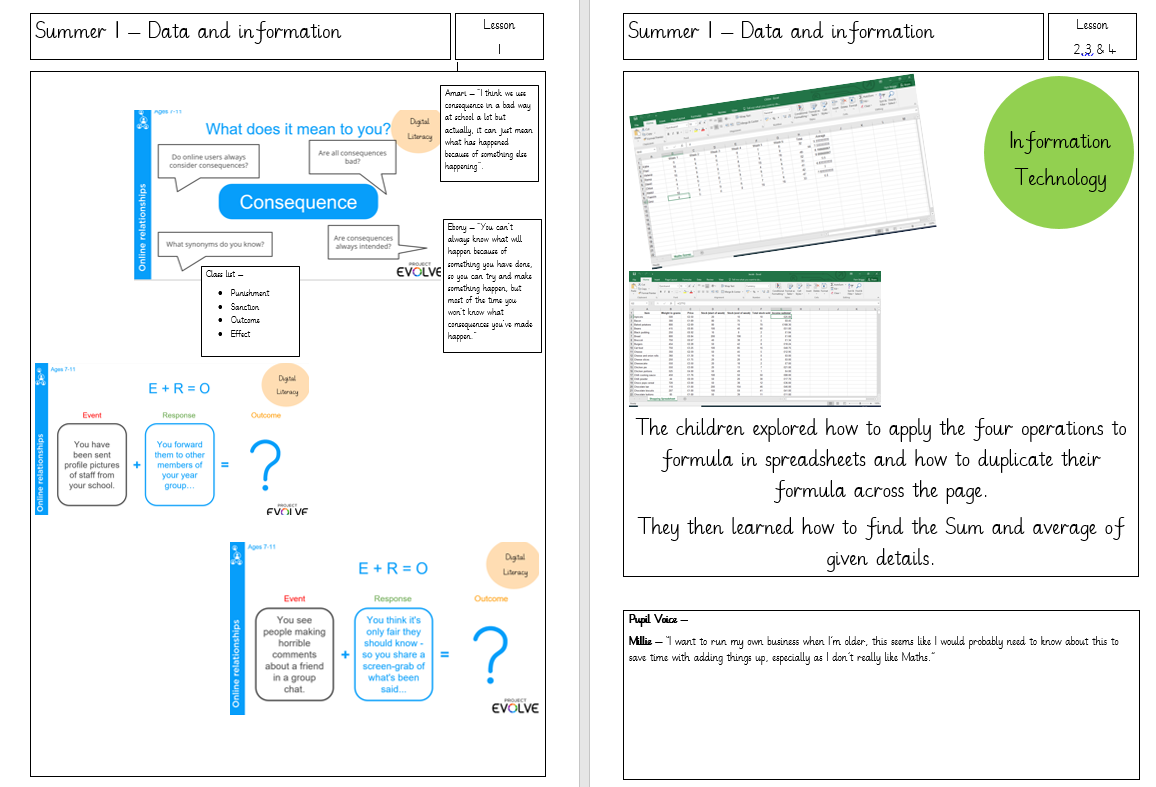
Year 6 have been working on Spreadsheets this term. We used MS Excel to input data, write formulae and duplicate the formula across to fill in cells. We have also used the data and formulae to complete different input and outputs from this, including finding the sum and average of given details.
In Digital Literacy, we also explored online profiles and online relationships, discussing what was safe to share, why people might share online and the feelings that might be resultant of sharing for different purposes.
Year 2 – Stop Animation Movies in English – Computing Cross Curricular
As part of their English learning this term the children created their own comics. They thought of their characters, and designed puppets and props to make their stories come to life. They then recorded – using tablets – stop animations. The children were able to see an example of a stop animation and how Aardman Animations created films such as ‘Wallace and Gromit’ ‘Chicken Run’ and ‘Early Man’.
Take a look at some of the children’s completed movies!