
PSHE helps to give pupils the knowledge, skills and understanding they need to lead confident, healthy, independent lives, and to become informed, active, responsible citizens. PSHE is delivered throughout the Federation using the PSHE Association Programme Builder -Thematic Model. The programme of study sets out learning opportunities for each key stage, in three core themes: Health and Wellbeing, Relationships, and Living in the Wider World. The Programme Builder provides each year group with learning objectives in these three themes that are progressive, cover all the areas of PSHE & RSHE required by the government guidelines and leave room for tailoring each lesson to fit with the current cohort. Each core theme is split into a further 3 areas to ensure full coverage and a spiral curriculum within the federation.
In addition to our PSHE lessons all children who need support with emotional regulation also have access to the Zones of Regulation intervention. All classes and MSAs use the Federation ‘Steps to Success’ to support behaviour within each class and a gold award is presented at the end of each week to praise those children whose behaviour has been excellent. Each day a child in each class is selected as the Special Person/Pupil of the day. This child has special responsibilities and privileges and receives a compliment slip. Compliments come from both the staff and their peers and they take this home to then be added to by their family. All classes have a PSHE notice board promoting the Federation Golden Rules, the PSHE Rule (‘Treat others the way you would like to be treated’), pupil of the day/Special Person and posters reminding them of the Zones of Regulation.
PSHE lessons are taught weekly throughout the Federation. Each year group plans a 45 minute lesson using the objectives from the medium term plan. All year groups will be working on the same core theme at the same time unless they need to adapt the plan to address a particular area early. Lessons contain hands on activities, pupil discussion and use a range of teaching methods such as stories, role play and adults modelling behaviour to the children. The lessons are relevant to the children’s individual experiences as they encourage pupils to recall personal experiences, feelings and thoughts to make informed choices. Teachers collect pupil voice and work samples and these are added weekly to the class floor book. Within the EYFS continuous provision to develop each child’s personal, social and emotional skills is evaluated daily through observations. We actively promote British values within the Federation at an age appropriate level: democracy, rule of law, individual liberty, mutual respect and tolerance of those of different faiths and beliefs. The PSHE & RSHE objectives are supplemented throughout other curriculum areas and activities, including RE, PE & assemblies.
The PSHE coordinators work closely with the RE/Assembly lead to ensure a full coverage of these subjects. Toftwood Federation School Council is also run by the PSHE coordinators and meet regularly throughout the year.
Relationships, Sex and Health Education (RSHE):
The Children and Social Work Act 2017 placed a duty on the Secretary of State for Education to make the new subjects of Relationships Education at primary and Relationships and Sex Education (RSE) at secondary mandatory. Relationships and Sex Education will replace SRE. Parliament voted in support of the Government’s proposal that all primary schools would be required to teach Relationships Education.
The Government want to support all young people to stay safe and prepare for life in modern Britain by ensuring Relationships Education (Primary) is taught in all Primary Schools. This was based on the fact that children need more support whilst growing up in an increasingly complex and digital world. Whilst the internet can be a positive in our lives, it does present significant challenges, particularly for young people. With the use of social media, cyber-bullying and the risk that children learn about relationships from untrustworthy sources – it was felt that young people need support to make the right decisions and keep themselves safe and happy. This evidence was supported by the many calls for compulsory SRE and/or PSHE from leading parent representative bodies, as well as leading education and safeguarding organisations, such as teaching unions and charities. These calls were supported by young people themselves.
The DfE have set out their reasons below:
“We are clear on the themes and issues schools should cover to achieve this. Relationships and RSE will be age-appropriate, build knowledge and life skills over time in a way that prepares pupils for issues they will soon face. The subjects will likely focus on:
- different types of relationships, including friendships, family relationships, dealing with strangers and, at secondary school, intimate relationships;
- how to recognise, understand and build healthy relationships, including self respect and respect for others, commitment (including marriage and civil partnerships), boundaries and consent, tolerance, and how to manage conflict, and also how to recognise unhealthy relationships, including bullying, coercion and exploitation;
- healthy relationships and safety online, including use of social media, cyberbullying, sexting;
- how relationships may affect health and wellbeing, including the importance of good mental health and resilience”
Our Federation teaches RSE within our PSHE programme which covers the required elements of the government guidance. This ensures they are well prepared for life now and in the future and that they can discuss such areas confidently and safely. Each time children cover a topic, they will build on prior learning from the previous year group. The children receive RSE lessons throughout the year within their PSHE lessons.
RSE and PSHE are designed to ensure pupils are taught the knowledge and life skills they will need to stay safe and develop healthy and supportive relationships, particularly dealing with the challenges of growing up in an online world. In primary schools, the focus is on building healthy relationships and staying safe. The curriculum we will follow is designed to be at an age appropriate level to ensure our children have the information they need to know as they progress through school.
The Government have committed to retaining a parent’s right to withdraw their child from sex education within RSE (other than sex education in the National Curriculum as part of 1 Statutory guidance – Sex and relationship education (July 2000) science), but not from relationships education at primary.
Parents wishing to withdraw their child in line with the guidance above should do the following:
- Ask to see a copy of the schools RSE policy and schemes of work. (This is also available on the Federation website.)
- Ask the school for an appointment to discuss withdrawing their child from the specified elements of RSE.
- Following the discussion, if they still wish to withdraw their child, they will put their request in
Writing, stating which part of the programme they wish their child to be excluded from.
Please note however, this can only be the sex education strands and not any elements of this covered by the science curriculum
We hope all parents/carers will see the value of this learning for all of our children.
We will share information on the website and with parents as we progress with this, but please do ask if you have any questions.
You can also see information from the DfE on their website by searching ‘sex and relationships education’.
These websites may also help you:
www.stonewall.org.uk/get-involved/education/different-families-same-love
www.stonewall.org.uk/sites/default/files/including_different_families_lo.pdf
www.fpa.org.uk/help-and-advice/advice-for-parents-carers
www.nhs.uk/Livewell/puberty/Pages/pubertyhome.aspx
www.nhs.uk/Livewell/Talkingaboutsex/Pages/Talkingtoyourchild.aspx
PSHE – Summer Term
Reception
This term we have used question dice during our daily snack circle time to begin conversations around manners, kindness, friendships and problem solving. The children have confidently shared their own experiences or suggestions of what they would do in each scenario. This has continued into provision where the children have shared with teachers if they have shown kindness to a friend or successfully taken turns in a game.
We have also started to talk about the transition to Year 1. We have shared the new teacher profiles and been to visit the classrooms. The children have had time to think of any questions they have and to share any emotions they are feeling about the upcoming change. We have also shared stories in class that link to worries and that a worry shared may then feel less daunting. We have revisited who the children can speak to in class and at home about their emotions.
Year 1
Over the summer term the children in year 1 have been focusing on ‘Physical Health and Mental Well-being’ ‘Growing and Changing’ and ‘Keeping Safe’.
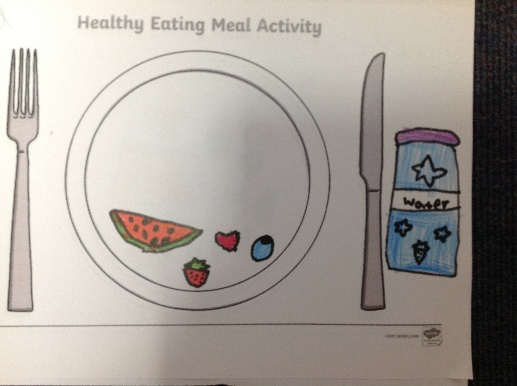
The children learnt what it means to be healthy and why it is important. We looked at diet, sun safety, exercise and also personal hygiene. During this unit the children had the chance to become sports coaches and design their own set of exercises. The children worked in groups to create their exercise station and then demonstrated it to the class.
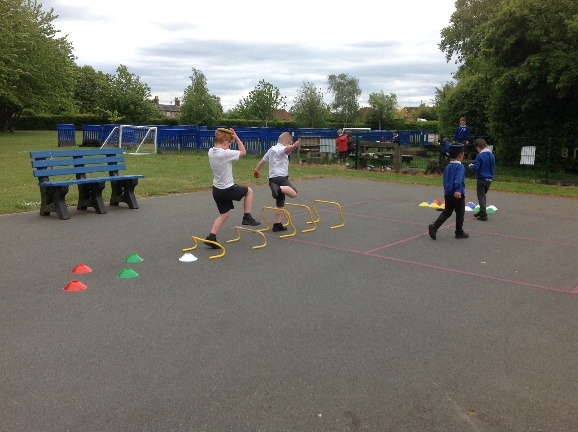
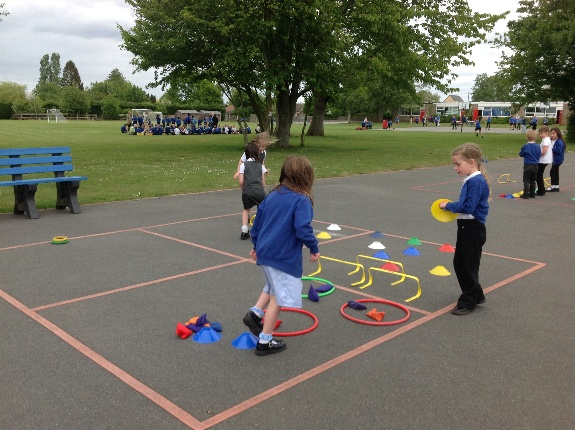
As well as learning about physical health we also discussed our mental well-being. We learnt about the importance of play and making sure that we get a good balance of the different types of play to support good mental health.
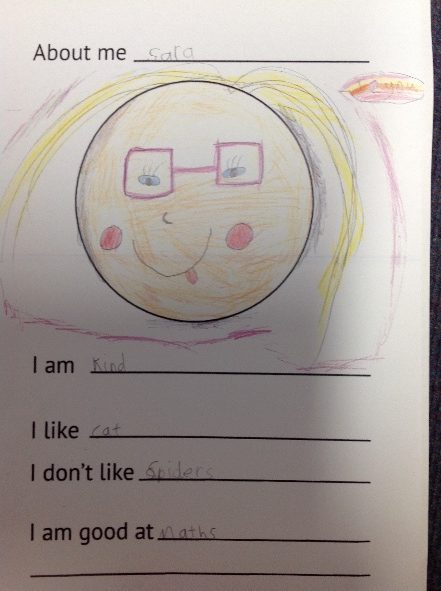
We talked about being unique and spent some time thinking about our likes, dislikes and the things that we are good at. We moved on to discussing growth and change, giving ourselves compliments for the talents and skills we already have. We then set ourselves goals for the future and discussed having a growth mind-set to help us achieve those goals.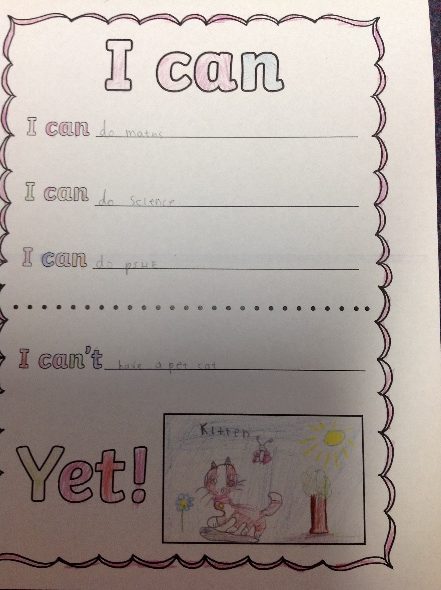
At the end of the term we finished with a unit on keeping safe, discussing rules, age ratings and who we would go to if we had a problem either online or in our everyday lives.
Year 2
This term in PSHE the children have been focusing on ‘Physical Health and Mental Well-being’ ‘Growing and Changing’ and ‘Keeping Safe’.
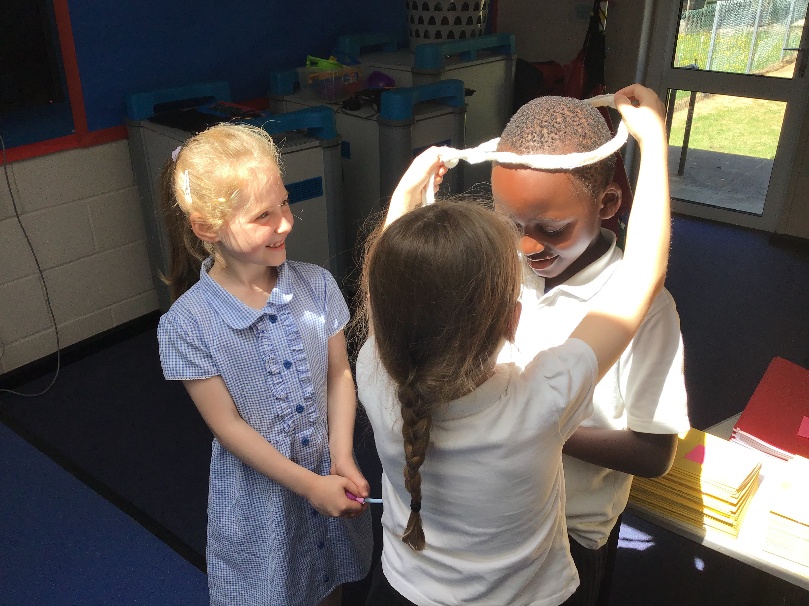
The children have thought about positive habits such as sleep and rest and why these are important for growing and keeping healthy. They have also used role-play to explore the ways doctors can help us to be healthy through vaccinations, medications and managing allergies.
The children have also learnt about the human life cycle, including how humans grown from young to old and how our bodies change as we grow up. They have also discussed the correct scientific names for body parts, including external genitalia.
The children have also been discussing change and how althought this is scary, it should be embraced!
Finally we have discussed road and rail safety, as well as maintaining safety in familiar and unfamiliar enviornments.
Year 3
This term, children have been developing their understanding of how to stay healthy, safe and confident in everyday life.
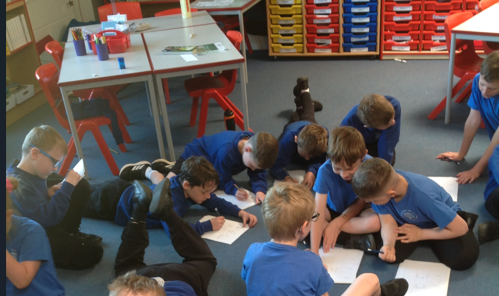 They explored how both healthy and unhealthy choices can affect their bodies, building on their knowledge of why sleep and rest are important. Pupils also learned about the positive impact of a balanced lifestyle and began to identify key factors that support overall wellbeing.
 In lessons, children learned to recognise how people show their feelings and understand that emotions can change over time. They also began to develop simple strategies to help manage these changes as they grow.
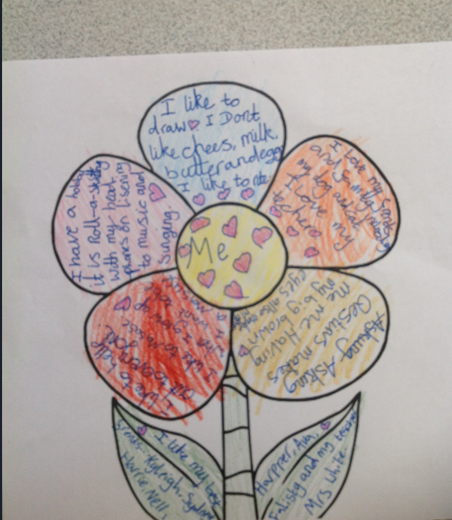
Children celebrated their individuality by recognising that everyone is unique. They identified their own strengths, interests and achievements, and discussed ways to approach and overcome challenges with confidence.
Finally, pupils focused on staying safe by learning to recognise hazards at home and school, understanding the importance of following rules, and exploring how to manage risks. This included learning about fire safety and how to stay safe when navigating unfamiliar places
Year 4
This term in PSHE, the children have engaged thoughtfully in learning about key aspects of personal development and wellbeing. They have explored the importance of good personal hygiene and developed an understanding of the changes that occur during puberty in a sensitive and age-appropriate way. In addition, children have learned how to stay safe by identifying safe and unsafe medicines and substances that may be found in the home. These lessons have helped to build their confidence, awareness, and ability to make informed, responsible choices for their health and safety.
Year 5
At the start of the summer term we were looking at careers and different paths into each career. The children learnt how going to university or college is not the only way into a career and that depending on the job, you can do apprenticeships or gain experience via work experience. The children were very interested to learn about different jobs and routes into them.
We then looked at how to keep yourself safe, this included physical and mental wellbeing; and learning about allergies and what to do if someone has an allergic reaction. The children have also loved learning some basic first aid tips and how to stay safe in certain situations such as on Bonfire Night.
Year 6
During the Summer Term, Year 6 pupils followed the PSHE curriculum in line with the National Curriculum and statutory Relationships, Sex and Health Education (RSHE) guidance. Lessons focused on supporting pupils’ emotional wellbeing, personal development, and understanding of relationships as they prepare for the transition to secondary school.
Children explored positive strategies for managing feelings and emotions, the importance of seeking support from trusted adults, and the habits that help maintain good mental and physical wellbeing. They also learned about change and transition, including how significant life events can lead to feelings of grief and how relationships may change as they grow older.
As part of the Year 6 RSHE curriculum, pupils developed an age-appropriate understanding of human reproduction (including consent), we also looked to build an understanding of how pregnancy occurs, and how it can be prevented through contraception. They also discussed the responsibilities of parenthood and how having a baby can change a person’s life.
Throughout these lessons, pupils demonstrated maturity, respect, and thoughtful engagement with sensitive topics, helping to prepare them for the opportunities and challenges of adolescence and secondary education.
Spring Team 2026
Reception
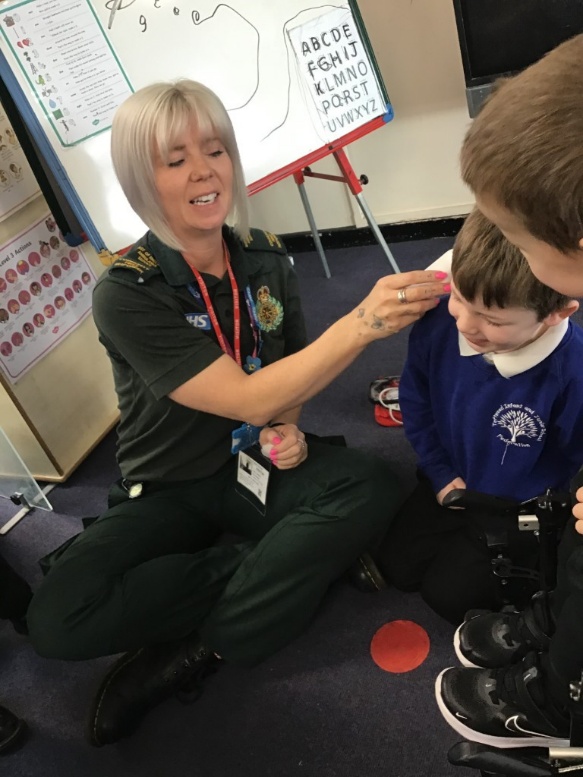
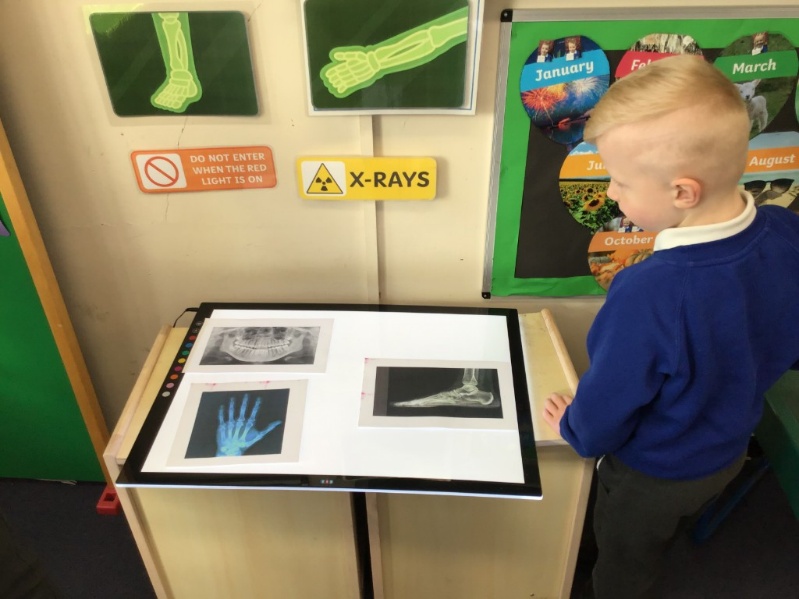
Reception children began the new year with creating goals and linked this with New Year resolutions. In the second half of the spring term, the children studied the topic ‘People who help us.’ They learnt about the people who help us to keep safe at home, school and in our community. This included visits from first responders, a radiographer and police officers. The first responders and radiographer talked about their role as well as discussing the importance of keeping healthy and looking after our bodies.
Year 1
Over the Spring term the children in year 1 have been discussing themes linked to ‘Living in the Wider World’.
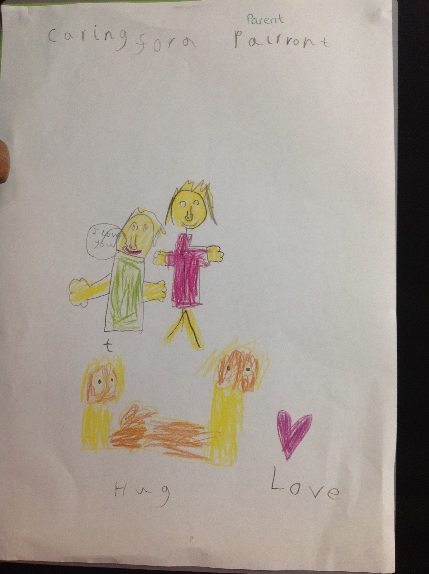
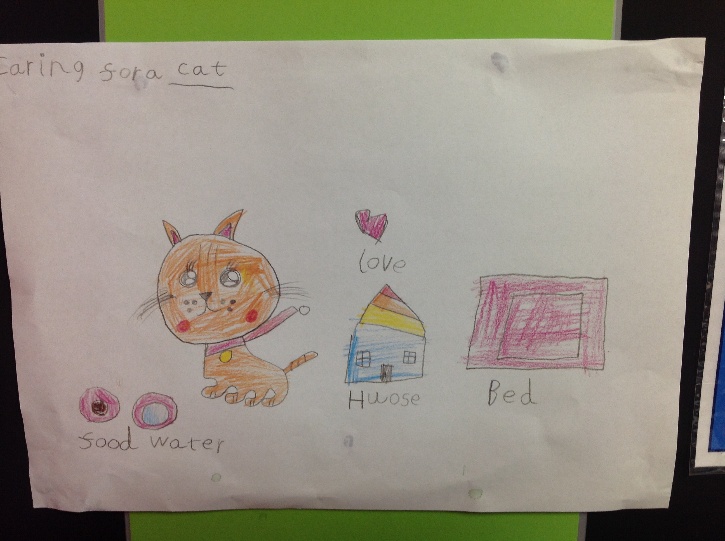
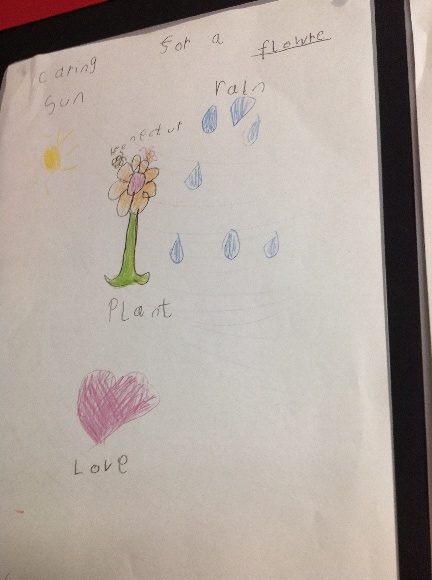
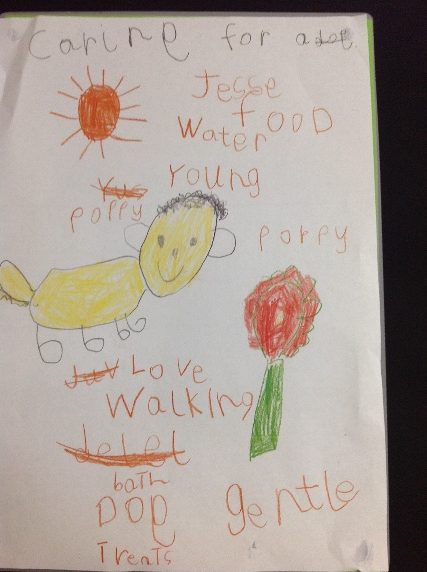
We began by looking at belonging to a community and what rules we may have in place or must follow to help everyone feel safe, happy and welcome. As part of this work we discussed the difference between our ‘needs and wants’ in life. We thought about the different needs that we may all have and how as part of a wider community we can help to care and look after the people, animals and other living things within it. The children created posters to show how to help and care for a variety of people and living things including plants, babies and even our parents!
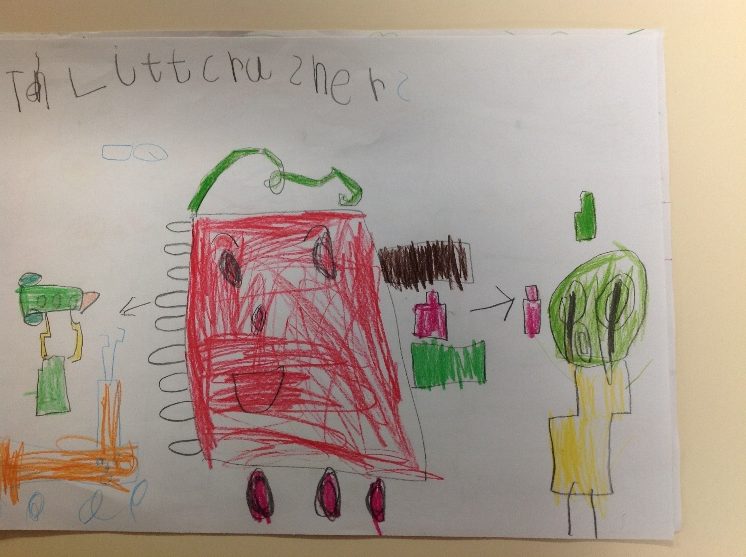
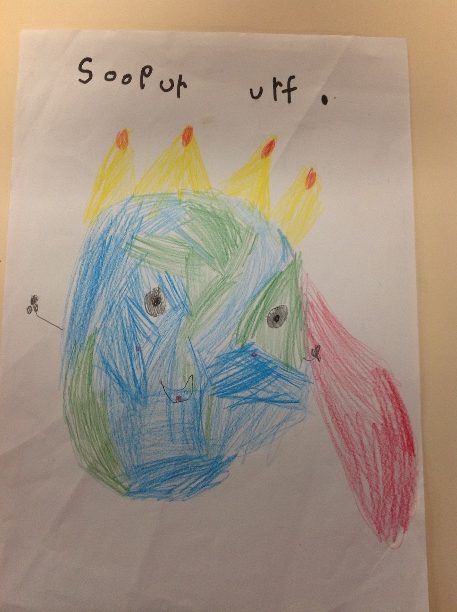
After discussing how we can help to look after our environment, the children designed their own ‘Environmental Superhero’. We had characters such as ‘Super Earth’ and ‘The Litter Cruncher’ designed to save our planet!
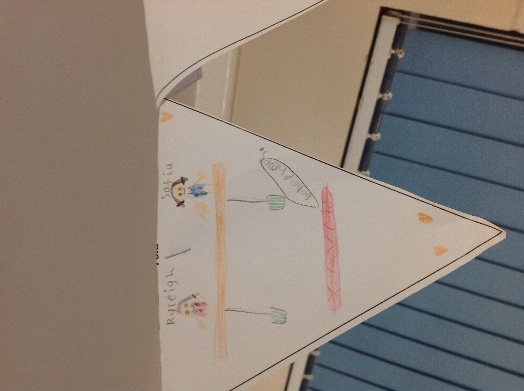
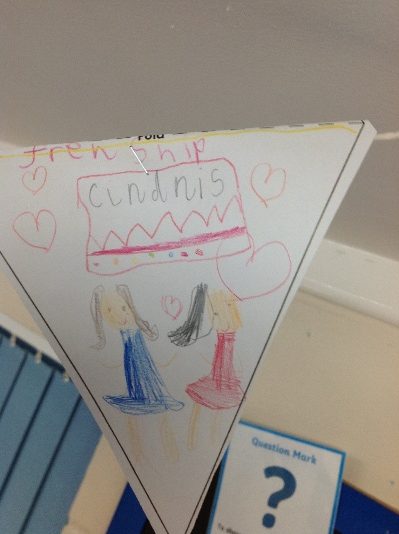
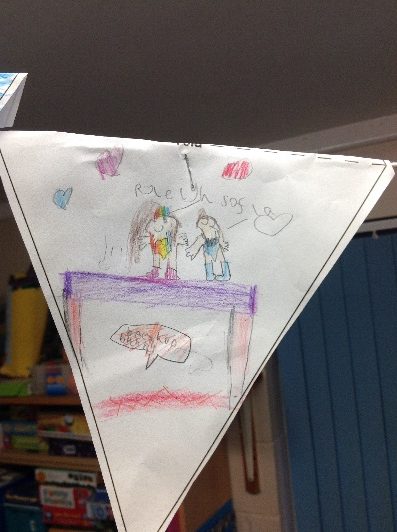
Towards the end of the Spring term year 1 explored media literacy and digital resilience along with money and work. The children discussed the benefits of using the internet and digital devises but also focused on how to stay safe online and how to communicate safely with others as they grow up. We learnt that everyone has different strengths and interests and how later in life these strengths can lead us into a job or career. The class sorted a variety of jobs into categories considering the strengths that each one might need. The children chatted about jobs that they were interested in and the jobs that people have within our community. We created some colourful class bunting to celebrate our strengths and interests.
Year 2
This term in PSHE the children have been focusing on ‘Living in the Wider World’. They have thought about belonging to a community, media literacy, staying safe online, resilience and money/work.
The children have discussed different groups/clubs that they may be a part of including, Rocksteady, swimming groups and clubs in school. They have also thought about the different roles that they may have in this club. Emily was keen to share that in the school council she is the vice chair, but in her swimming she is just a learner.
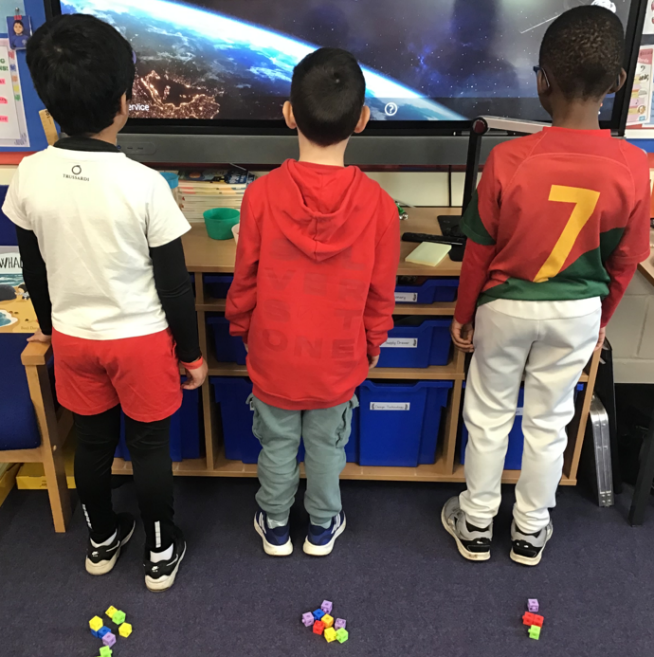 The children were also able to discuss democracy, what this means and how we can show democracy – such as by having a school council, voting in classes and fostering a culture where everyone’s ideas and values are spoken about.
Year 3
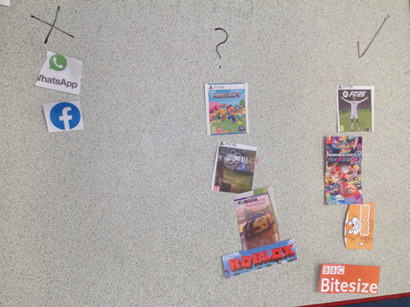
This term in PSHE, the children explored how to use the internet safely and positively. They learned about age ratings and why they are important, as well as the many ways the internet can be used for learning, communication and entertainment. The children also discussed how to identify suitable games and online content, developing their ability to make safe and responsible choices.
Later in the term, the focus shifted to the world of work. The children explored a range of jobs and the skills needed for different roles. To build on this, they worked collaboratively in groups to plan and organise their own party, developing key skills such as teamwork, communication and problem solving.
The children also discussed job stereotypes and created their own role models who challenge these ideas, encouraging them to think ambitiously and recognise that anyone can achieve their goals regardless of background or gender.
Year 4
In PSHE this term, Year 4 have explored ‘Living in the Wider World’.
We have discussed what belonging to a community means, looking at what the word ‘Community’ means and how it is different for many people. We have chatted about how each of us are a part of more than one community and have shown respect and interest in everyone’s discussion about their own community.
Towards the latter part of the term, we have also focussed on ‘Media Literacy and Digital Resilience’. Learning more about how to navigate the internet responsibly and safely as well as understanding that hurtful words written in texts or on online platforms, such as games, may have a profound effect on the person targeted. We have discussed how important it is to have kind words and have used different scenarios to promote empathy.
Year 5
In Spring Term, Year 5 have been discussing environmental issues and how we can work as a community to combat climate change. The children are very passionate about recycling and were outraged to learn about what happens to the rubbish they throw away (goes to landfill). We also talked about what it means to be a responsible global citizen. The children were able to explain how we can look after each other and respect everyone’s rights.
We have also begun to look at the effect of news on our mental health and how we can mange our emotions when processing some of the news stories we might hear. However, we have also been learning that not all of the news that we read online is true and we have been discovering skills that we can use to work out whether the news is trustworthy and unbiased.
Year 6
During the spring term, Year 6 have been engaging in thoughtful learning around prejudice and discrimination. They have explored what prejudice means, identified real‑life examples, and developed the skills to recognise discriminatory behaviour. Through discussion and role‑play, the children have learned strategies to respond to and safely challenge discrimination, as well as how harmful stereotypes are formed and how they can be addressed. We are incredibly proud of the mature, reflective conversations the pupils have contributed throughout this unit.