Year 1
This SAW day the children focused their Science, Art and writing around trees and leaves. We started by retrieving our learning about deciduous and evergreen trees. The children could recall examples of each and discussed the trees that we have in our school grounds.
Next, we used pattern seeking skills to investigate the question ‘largest leaves always come from the biggest trees’. The children made predictions before researching to learn about the biggest tree in the world and the largest recorded leaf in the world (2m long!).
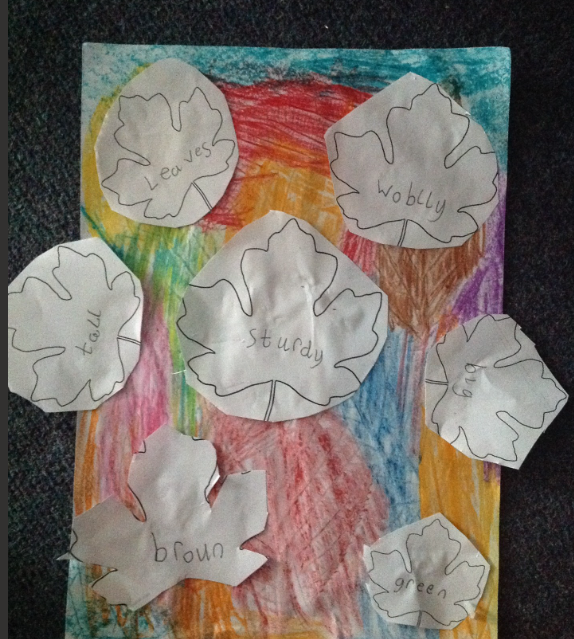
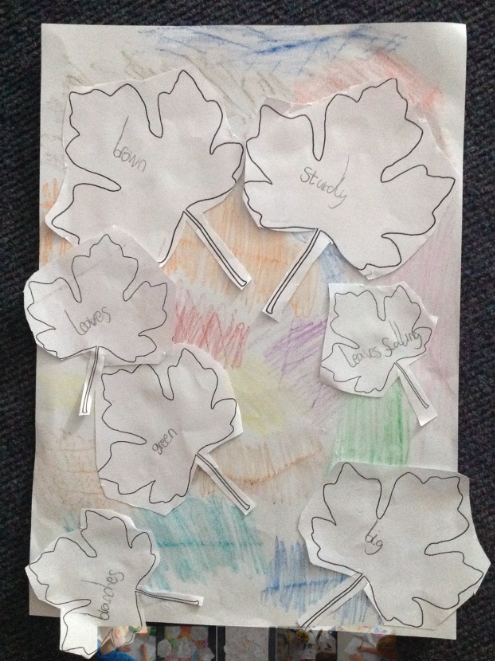
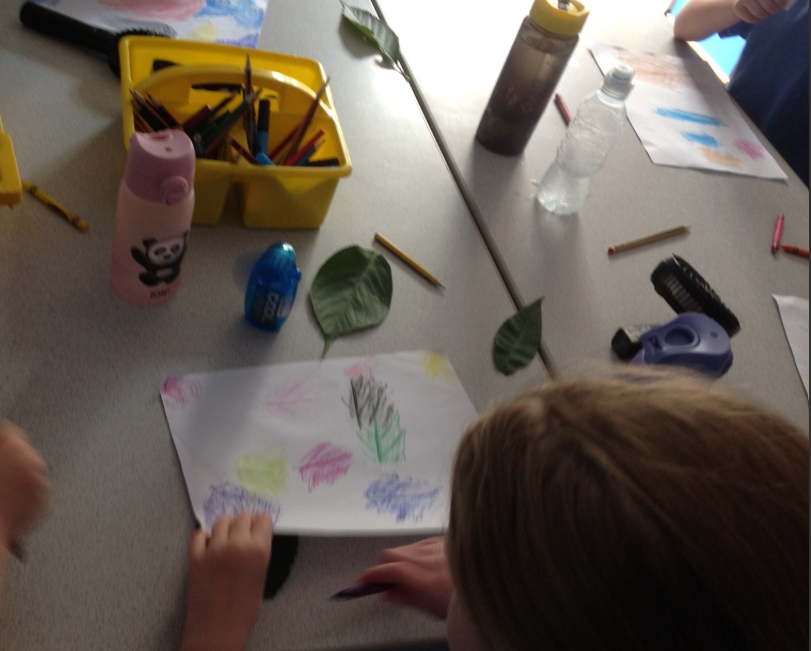
After this we collected leaves from around the school site and used our art skills to complete some leave rubbings. This became the colourful background for our writing.
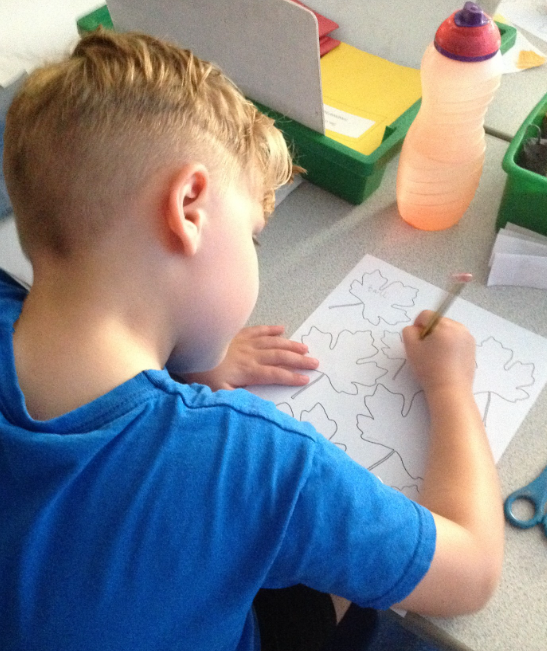
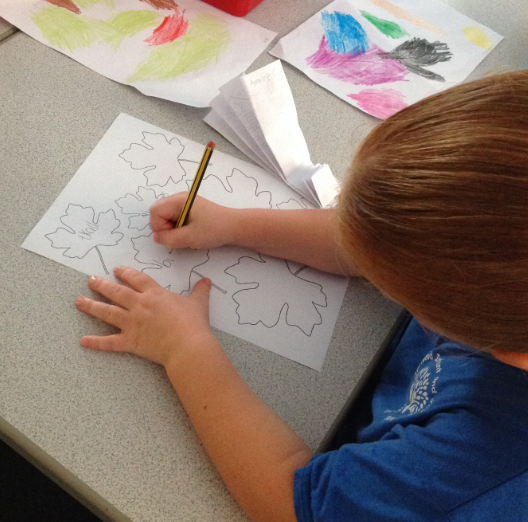
As a class we created a word bank of adjectives, nouns and adverbs associated with trees and leaves. The children recorded the words on leaves and cut them out to add to their leaf rubbing picture.
The children all worked incredibly hard on their SAW projects, well done Year 1!
Year 2
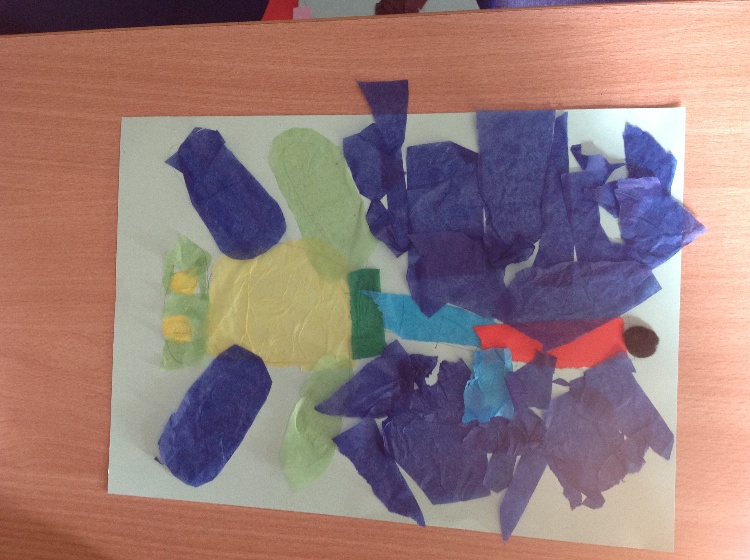
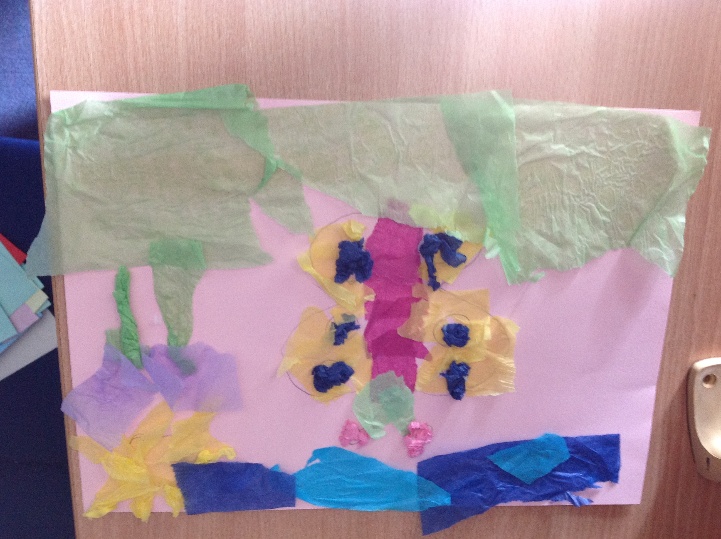
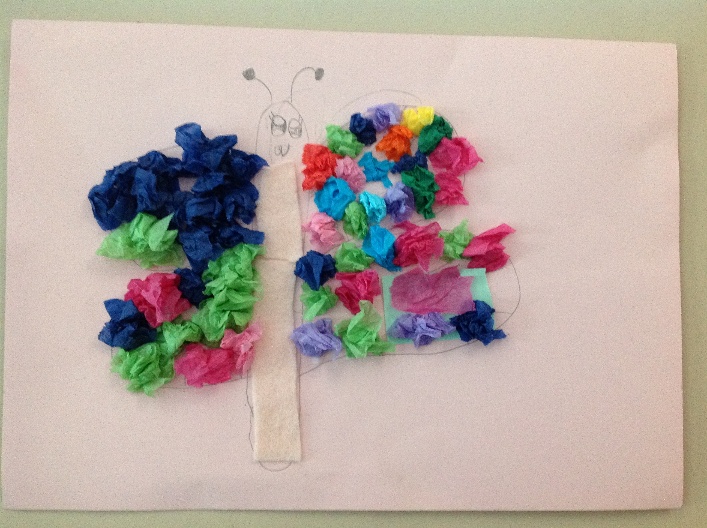
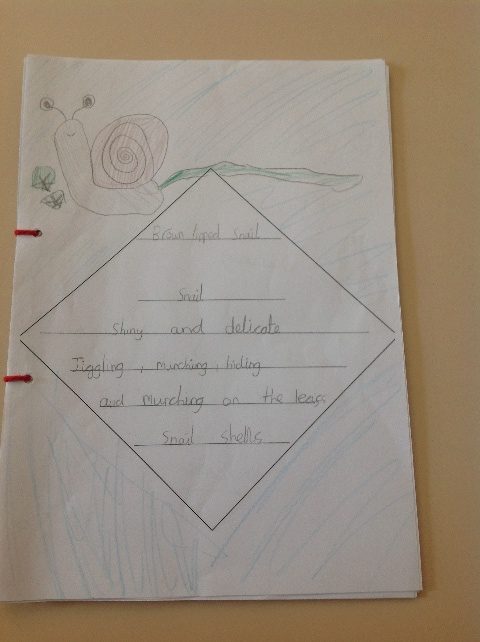
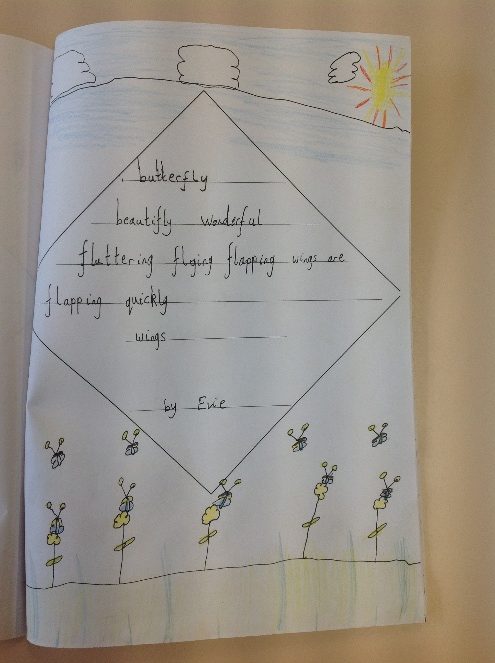
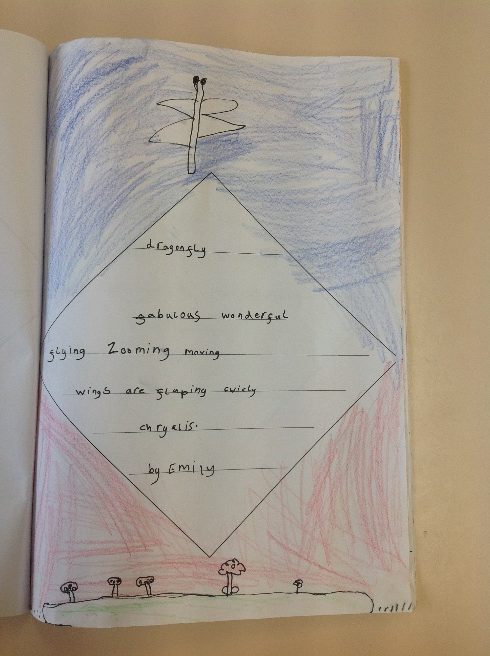
For SAW Day the Year 2 children learnt about three different minibeasts from the Norfolk area, the Swallowtail Butterfly, Norfolk Hawker Dragonfly and the Brown Lipped Snail. The children researched these different creatures and then learnt about cinquain poems. A cinquain poem is a short, unrhymed, five-line poem that follows specific rules for the words chosen. This is one noun, two adjectives, three verbs, four words in a phase and then a final noun. The children followed these rules carefully to create their own poems to describe their choice of creature. In the afternoon the children created collages of their creature using tissue paper and coloured paper to go alongside their poem.
Year 3
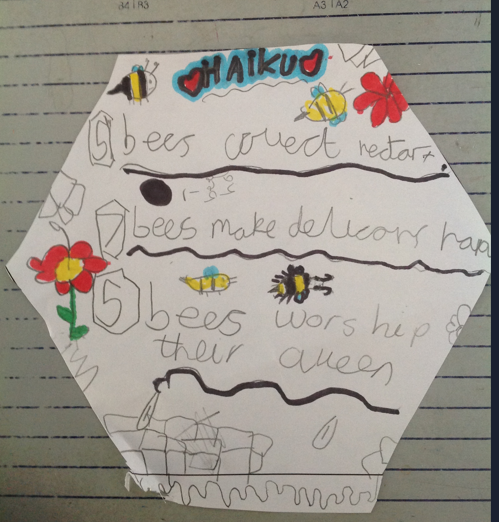
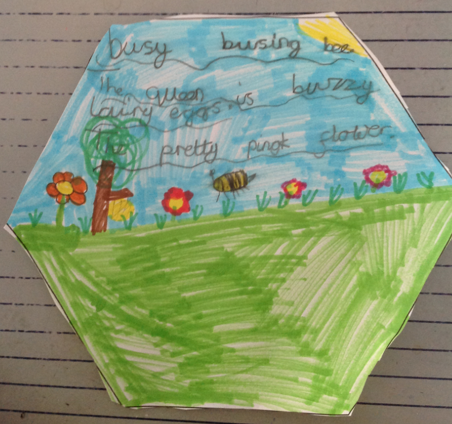
Year 3 spent S.A.W. Day learning about bees and their importance to our environment. The children researched and created a fact file, wrote a haiku poem about bees, and produced detailed bee sketches. Their individual drawings were then combined to create a large collaborative bee artwork. It was a fantastic day of learning, creativity and teamwork.
Year 4
First, we looked at some fascinating close-up images of yeast cells. The children learned that yeast activates at certain temperatures and uses sugar to produce carbon dioxide.
We wanted to test this, so poured dried yeast, warm water and sugar into a bottle. We used a balloon to test whether any carbon dioxide was being produced. The balloon inflated, showing us that yeast produces carbon dioxide! After this we used our new-found knowledge, along with microscopic images of yeast to engage in instructional writing.
Year 5
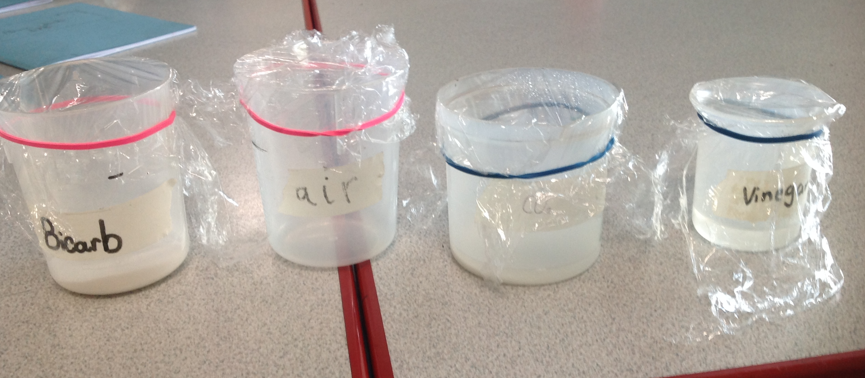
This year, Year 5’s theme for SAW Day was Greenhouse Gases. To start off our day we did an investigation to demonstrate how carbon dioxide emissions are heating up our Earth. We carried out an experiment to see how carbon dioxide (CO₂) affects temperature in a closed space. We used four beakers: one with bicarbonate of soda, one with vinegar, one with both bicarbonate of soda and vinegar, and one with just air. When bicarbonate of soda and vinegar were mixed, they produced CO₂. We found that this beaker became warmer because the CO₂ helped trap more heat inside.
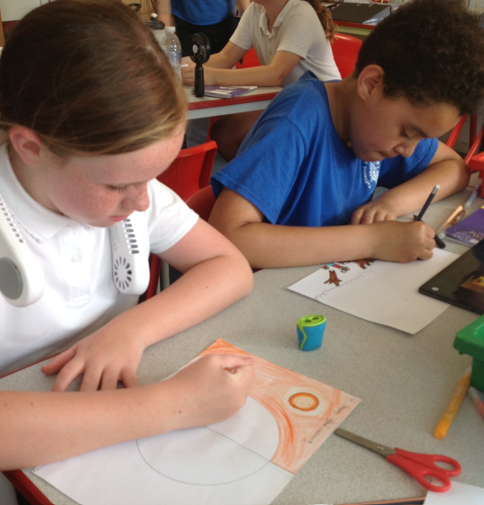
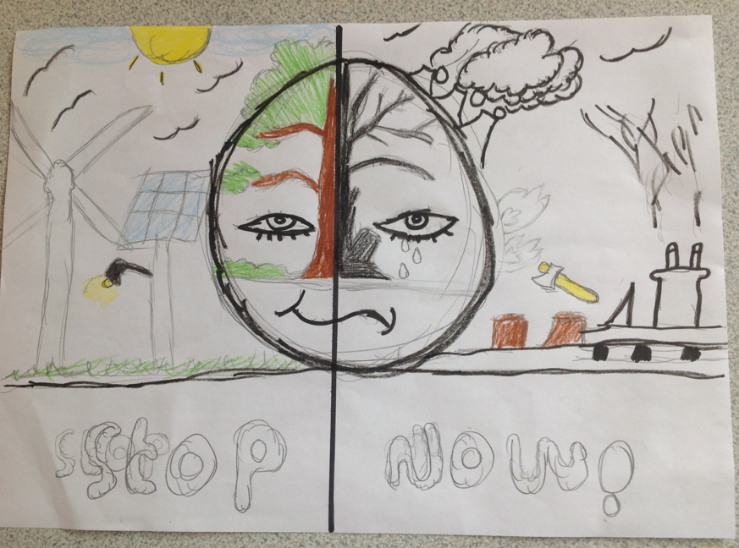
For art, we made detailed images of our Earth, split in two; one half representing a world of sustainable energies and recycling. The other half represented pollution and destruction of the environment. This activity really captured the children’s interest interest as you can see through their art work.
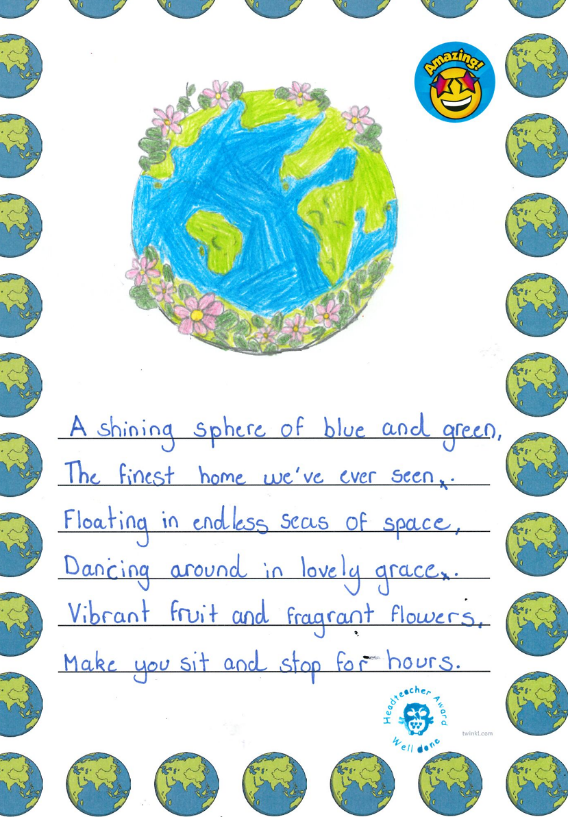
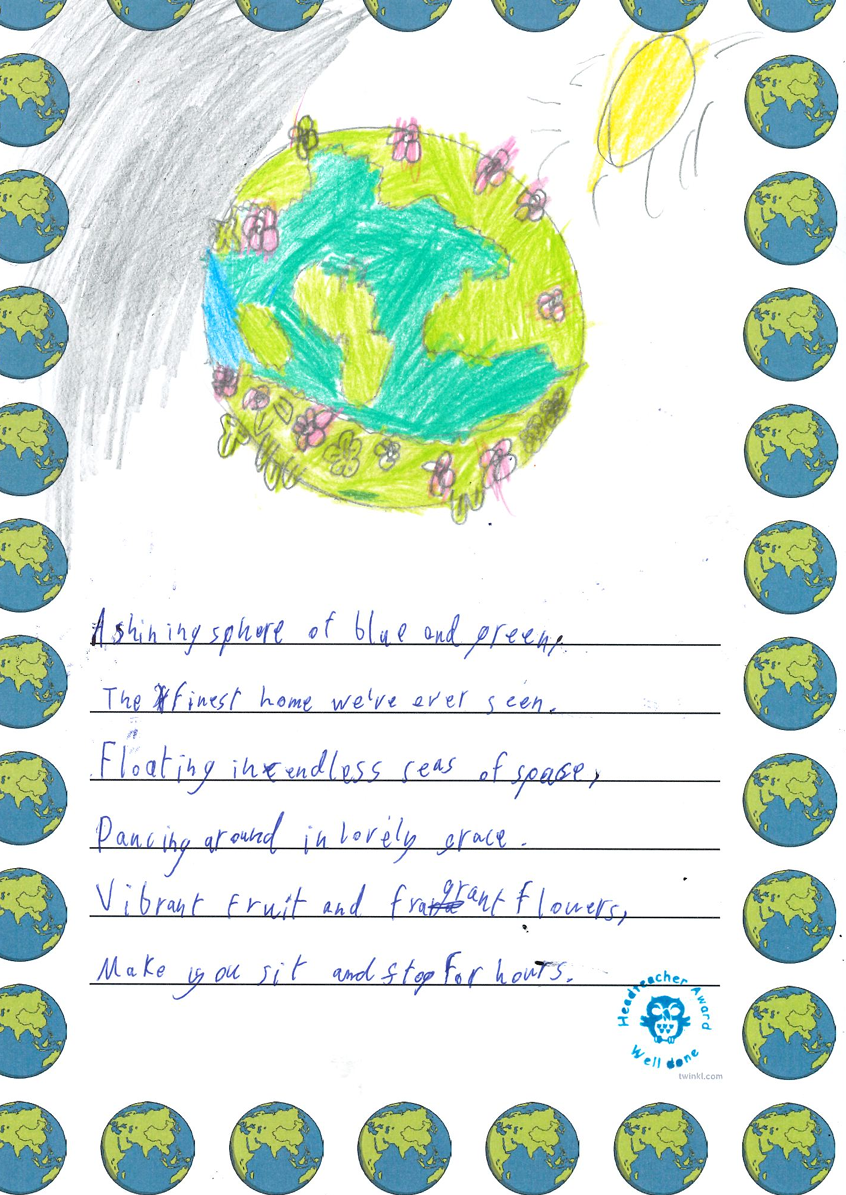
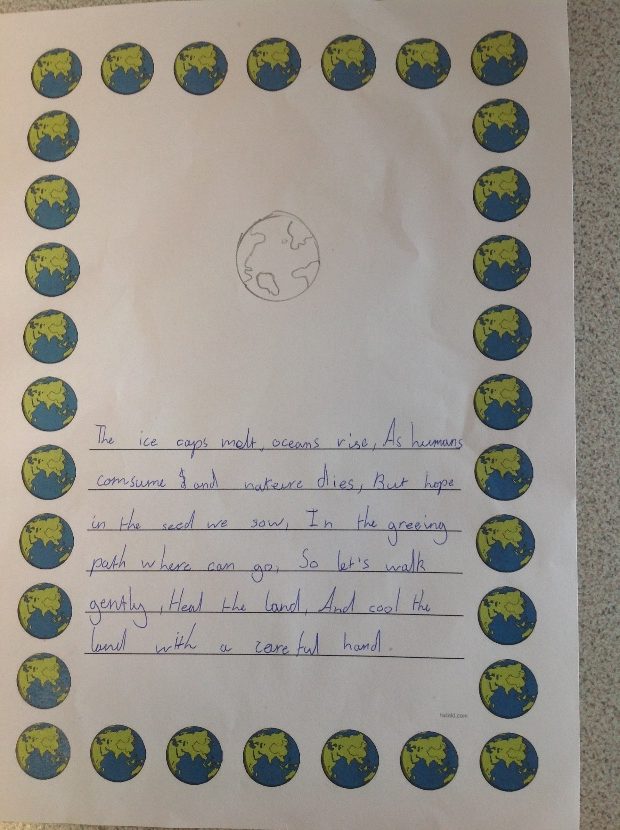
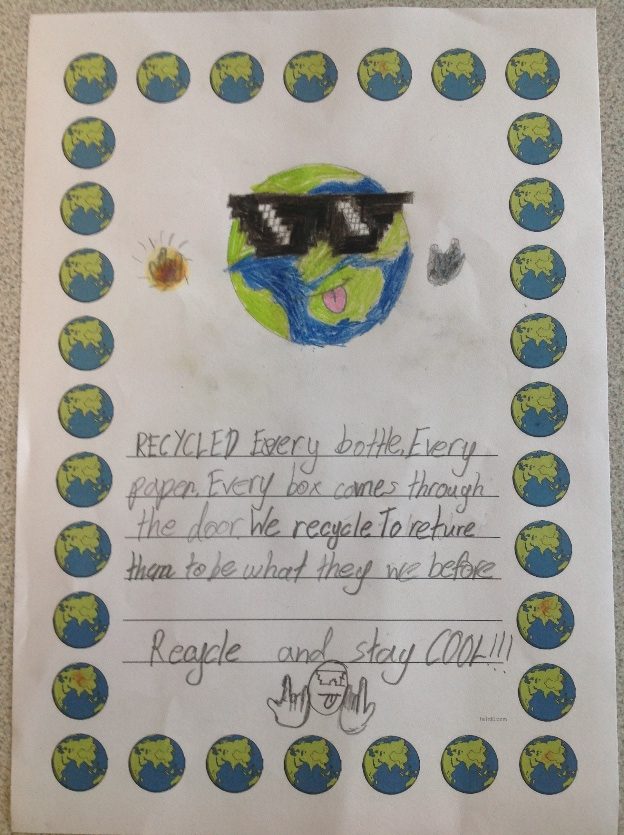
During our writing session, Year 5 published some outstanding poems all about Planet Earth. Some children opted to write a haiku poem, free-verse poem or an acrostic. We were really proud of the final products.
Year 6
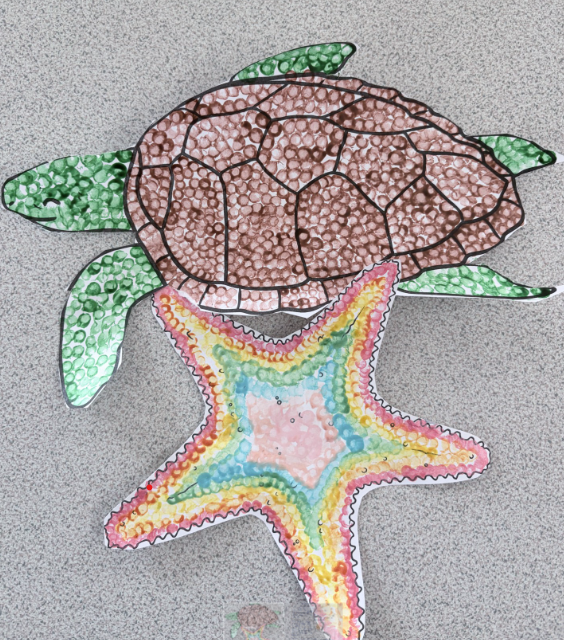
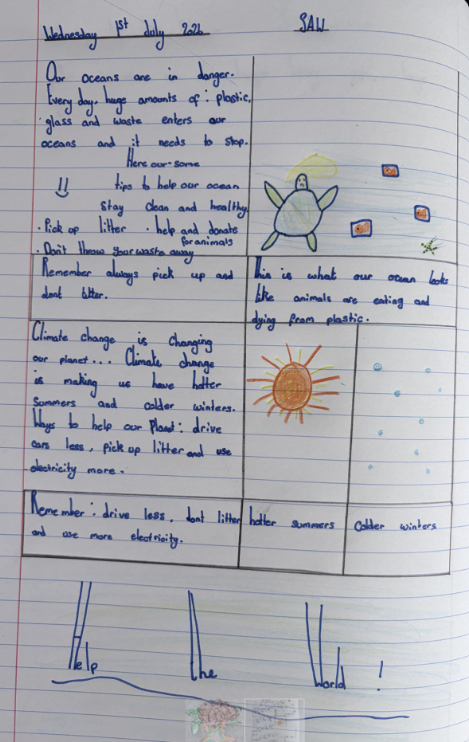
Year 6 wrote an article to explain to people the problems our oceans are facing and how people can help. Year 6 then looked at traditional Australian Indigenous art, ranging from works on rock, ground, canvas and fibre. We took inspiration and designed our own sea creatures, using similar artistic techniques.