
In our Federation we aim for our children to develop a range of skills and knowledge that will enable them to ask historically accurate questions, carry out historical enquiries and learn from the past in a way that deepens their understanding of both the present and the future. We aim to develop in pupils an interest in the past as well as an understanding that enables them to enjoy all that history has to offer through knowing about significant events in British and world history, appreciating how things have changed over time.
In the Early Years Foundation Stage, children talk about their experiences and the lives of people around them, as well as developing an understanding of the past and comparing the past with now. This is part of the Understanding the World area of The Statutory Framework for the Early Years Foundation Stage. Staff respond swiftly to the children’s own child initiated learning experiences, interacting in a way which moves learning forwards for all learners. Understanding the World activities are also planned as part of the teaching sequence.
History is planned and delivered at Key Stage 1 and 2, in line with the National Curriculum. The threads have been introduced across the federation so that children build on their prior learning. Our federation threads are the monarchy, society and cultural change, sources, invasion and settlement, and Christianity and beliefs. Each time a thread is revisited it reinforces their understanding.
Across the federation pupils build on and develop a sense of chronology and this is supported by federation specific timelines in every class in which each year group builds on the timeline with their new topics which provide a useful point of reference to support chronology.
Children are encouraged to think like historians through the variety of activities they are provided with. They focus on drawing comparisons between past and modern life in order to promote understanding of how history impacts the way we live our lives today. This will allow children to reflect on present time and how events today will impact our future.
We aim to enthuse pupils with an interest in the past, developing their understanding, enabling them to enjoy the richness of cultural and social heritage in Britain (including British values SMSC) and the world and appreciating how things have changed over time.

 History is taught in order to give pupils’ an interest in and understanding of significant events and people in the past, the influences that they have on our lives today and to teach them to have empathy with others (understanding that modern views of society are different to those held in the past).
We aim to enthuse pupils with an interest in the past, developing their understanding, enabling them to enjoy the richness of cultural and social heritage in Britain (including British values SMSC) and the world and appreciating how things have changed over time.
Pupils are taught to develop a sense of chronology and to understand society and their place within it. They are presented with opportunities to develop their skills of enquiry, investigation, analysis, evaluation and presentation through a variety of activities. Pupils experience real history through themed days within school e.g. Roman Day for Year 4 and Viking Day for Year 5, drama, debates and visits to historical sites such as Norwich Castle Museum. Such activities provide a stimulus for cross-curricular opportunities, including speaking and listening and writing. We also use artefacts, visual resources and Information Technology to inspire children to learn more and stimulate their curiosity about the past.
Remembrance Day 2026
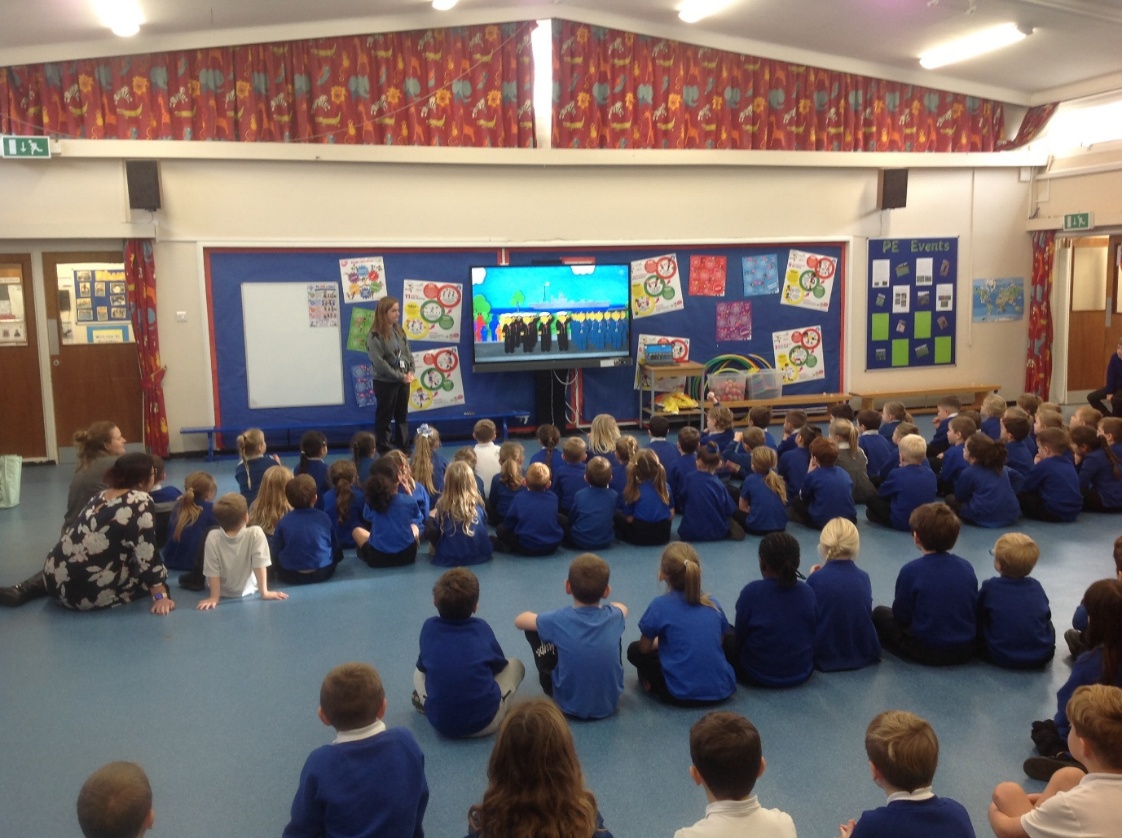
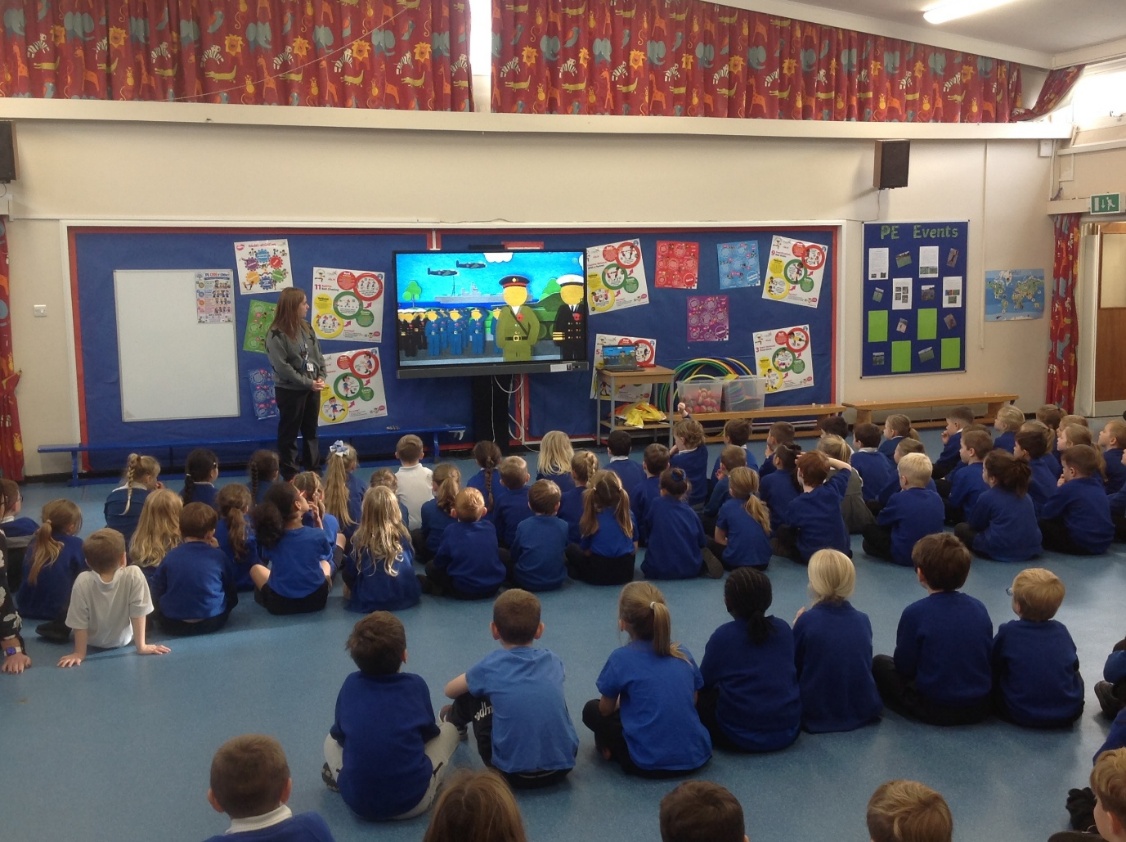
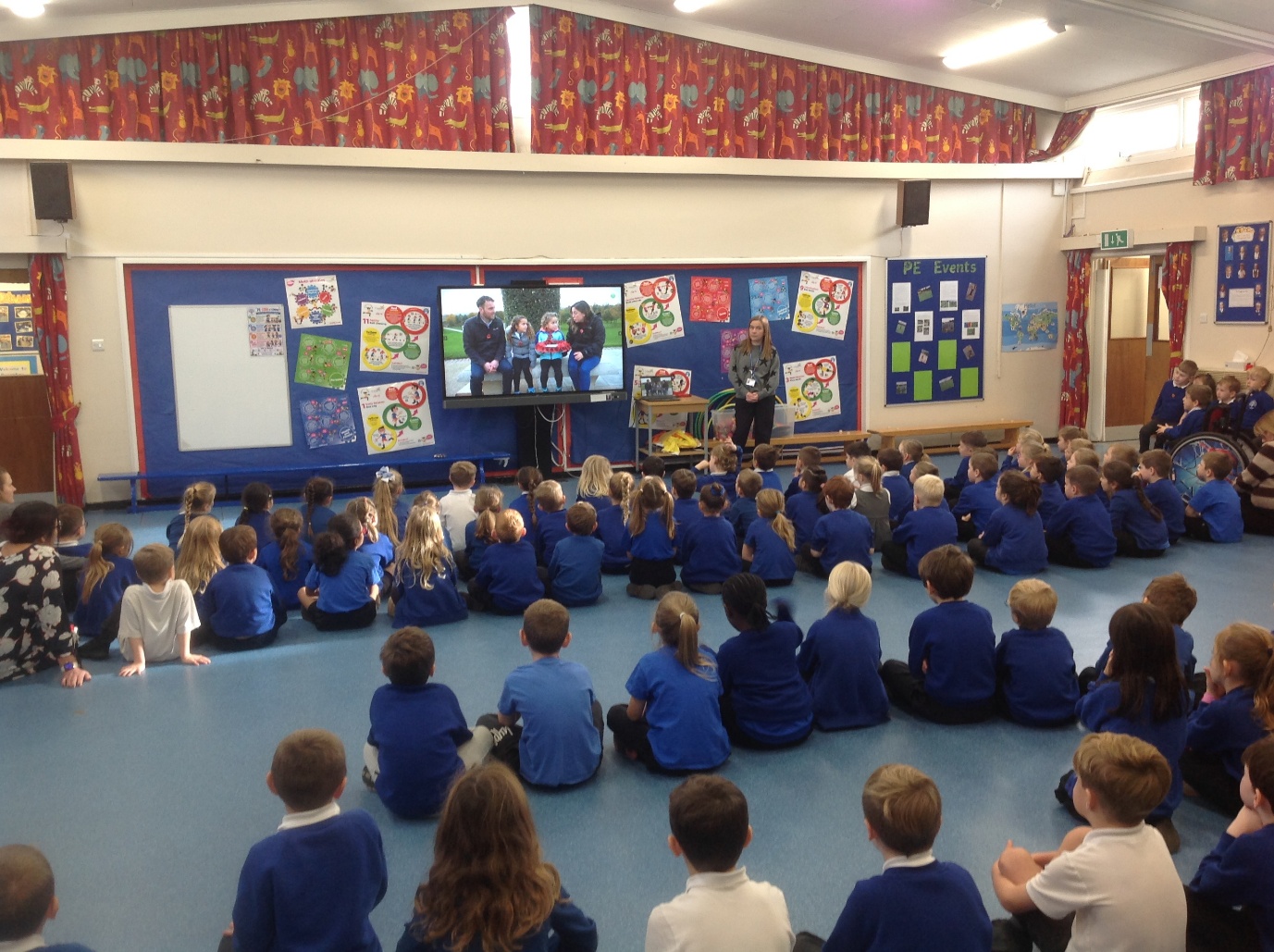
Remembrance Day was marked in an assembly at the Junior School. The children learnt about Armistice Day on the 11th November 1918. At 11 o’clock on that day, nations who were fighting laid down their weapons and this signalled the end of the war (known then as the “Great War”). Today, we know it as the First World War. Armistice is an agreement for peace.
One year later, the first two-minute silence was held. King George V had asked the people of Britain to pause and remember all those who had fought and died in the service of their country.
In in 1920, King George unveiled the nation’s new war memorial called the Cenotaph, where people go to remember the fallen.
The children listened respectfully and with interest. They then participated in a two minute silence.
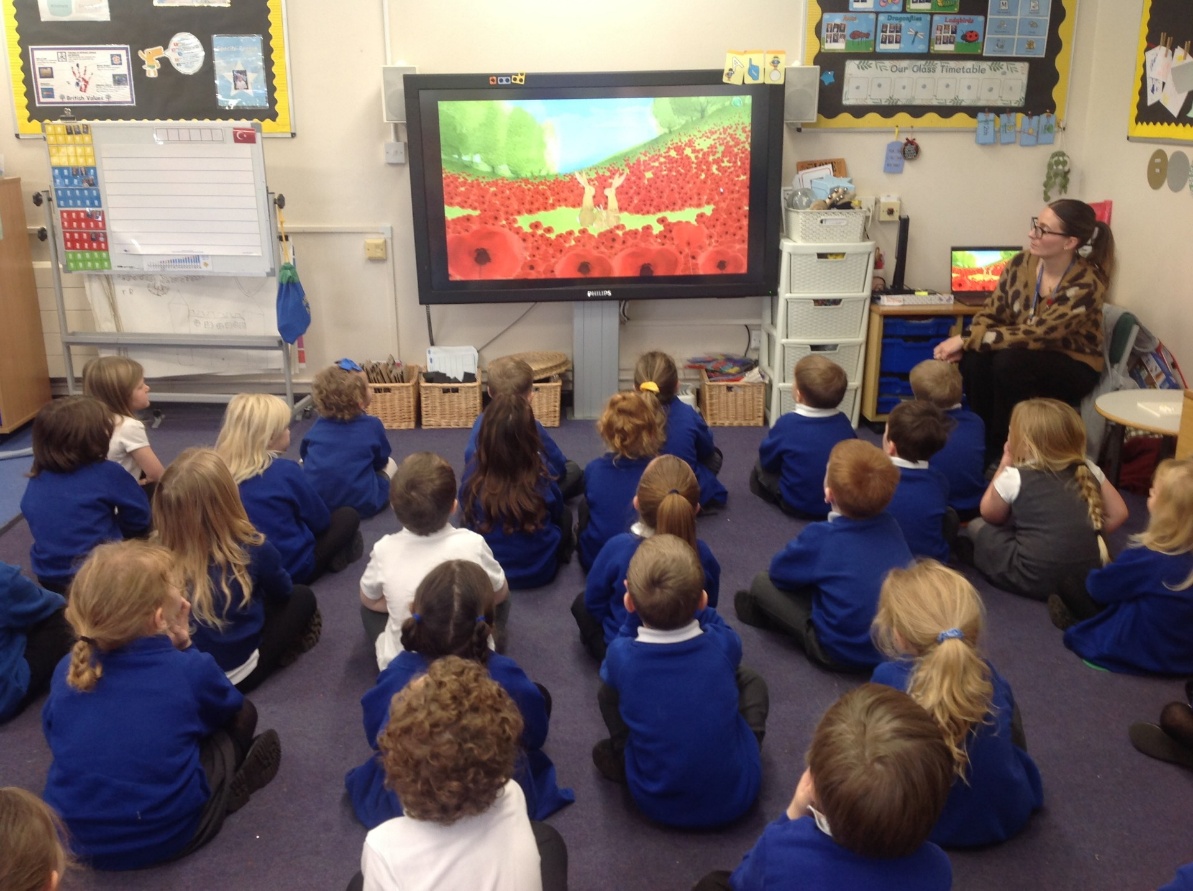
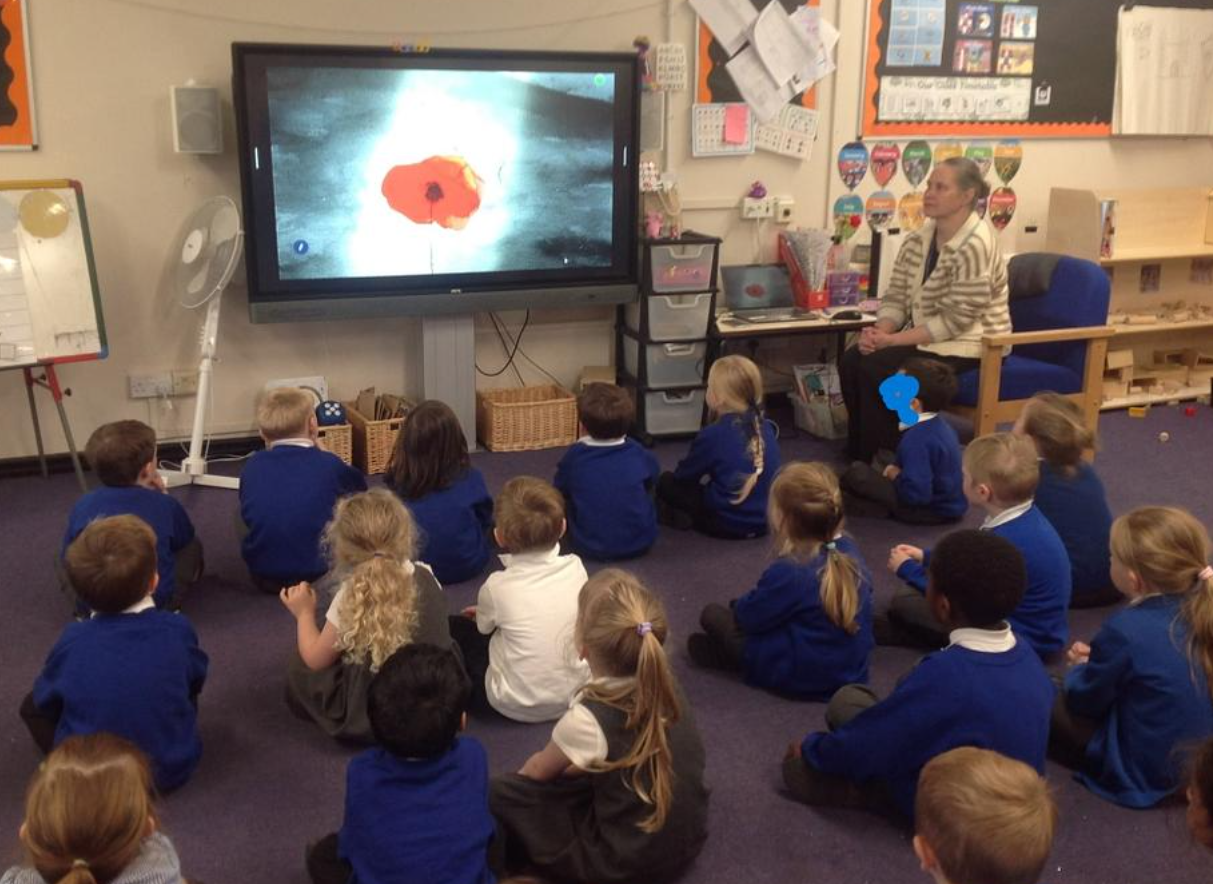
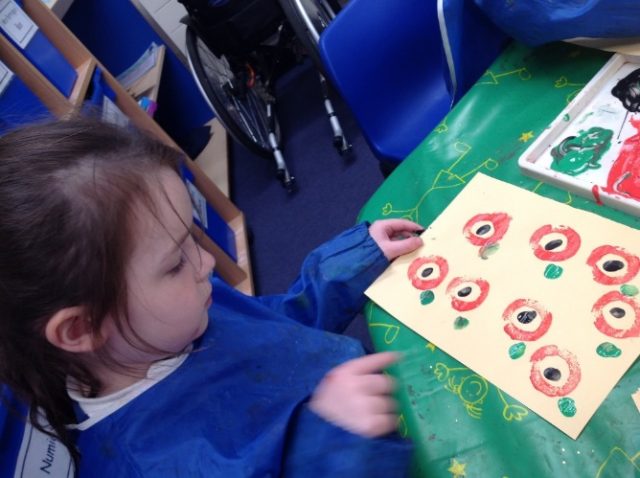
On Wednesday 11th November years one and two at the Infant School met for an assembly just before 11am to watch a short video explaining what we do on Remembrance Day and why. The children were then joined in the hall by the kitchen and office staff to listen to the Last Post and for a two minute silence. After the silence, some of the children shared their experiences of watching the Remembrance Day parade in Dereham at the weekend. They also watched the short Cbeebies animation – Poppies. All the children sat and listened beautifully and were very respectful during the silence. During provision, year one also had the opportunity to create poppy pictures using paint, as well as Remembrance Day word searches and colouring.
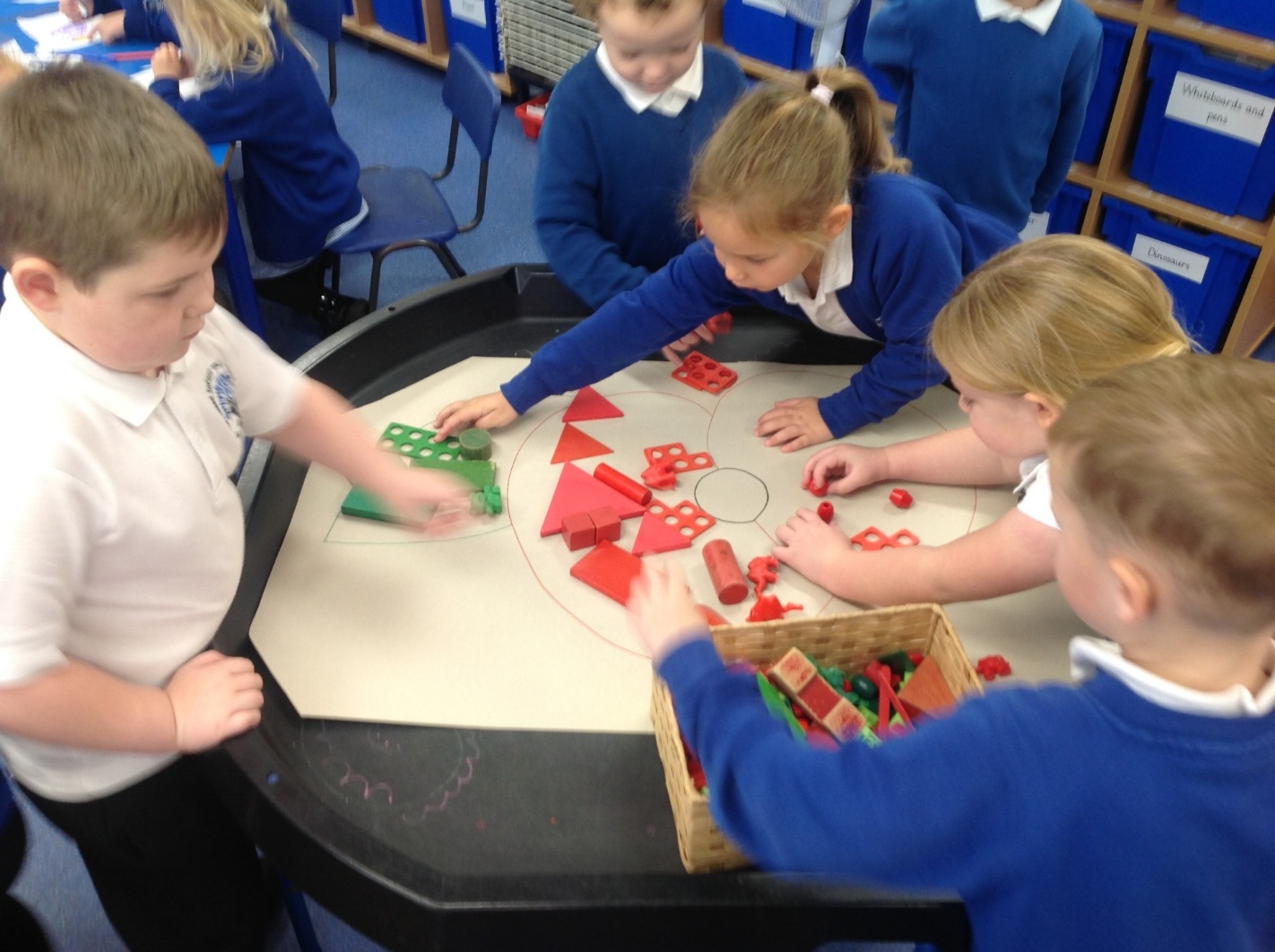
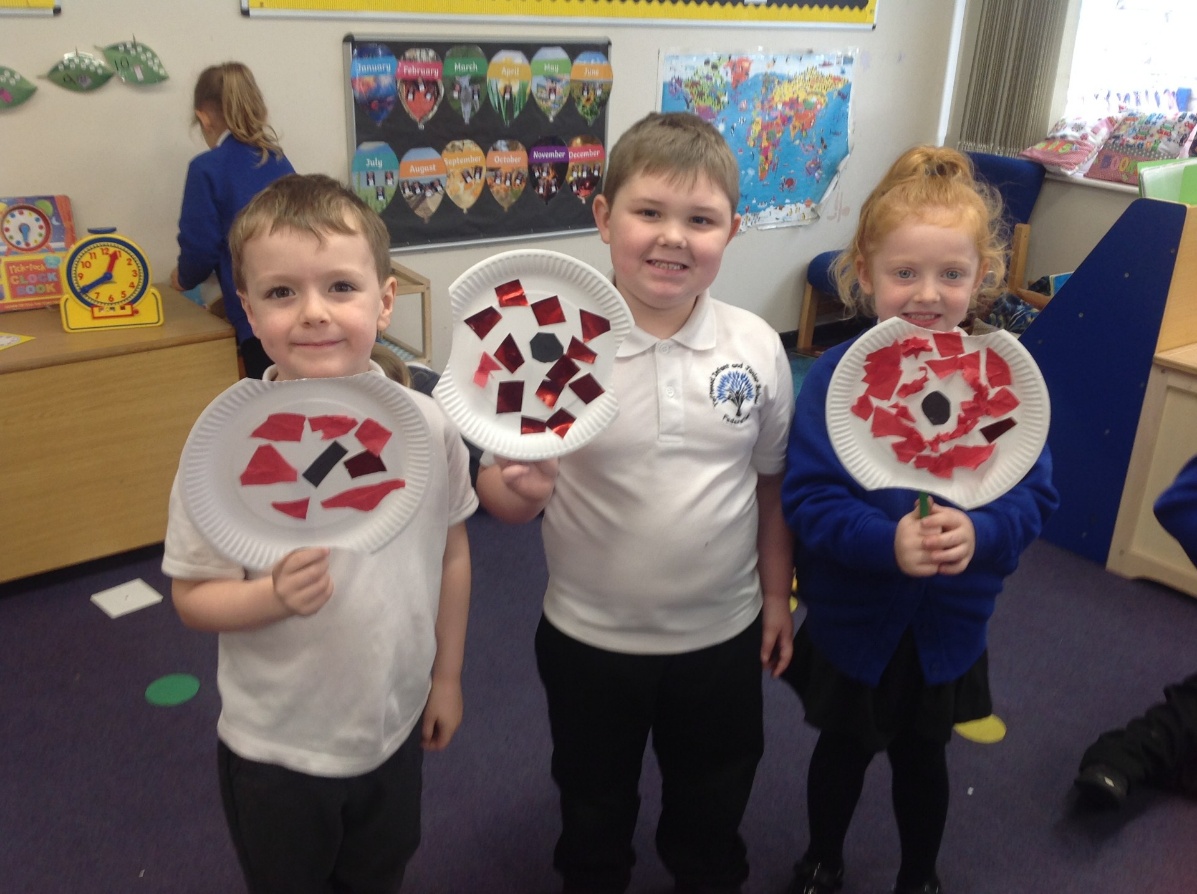
Reception classes found out about Remembrance Day. They watched the short Cbeebies animation – Poppies, as they completed their two minute silence. Reception children had the opportunity to create a giant poppy with loose parts and make poppies using a variety of materials.
Black History Month – October 2026
In October, children across the federation have been learning about Black History Month. Key stages one and two began the month with a Black History Month assembly to celebrate the achievements of Black people in the past and present. They talked about how not everyone has always been kind and shown respect for others in the past. They have not treated people fairly or in the right way. This has sometimes been because of the way someone looks or where they come from. This has meant that in the past lots of people didn’t know about all the amazing things that black people had done. They were often not mentioned in history books, television shows a bout the past or even in school history lessons.
Reception children shared the story ‘Coming to England’ by Floella Benjamin. This is an inspirational true story about the triumph of hope, love, and determination of Baroness Floella Benjamin’s journey from Trinidad to London.
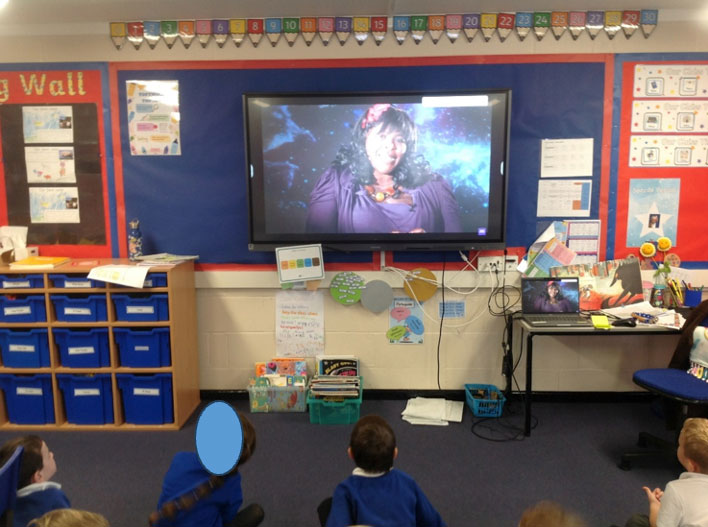
Year one children learnt about the life of the space scientist Dr Maggie Aderin-Pocock. Maggie (who is dyslexic) explained why being different is no barrier to success if you are passionate about something.
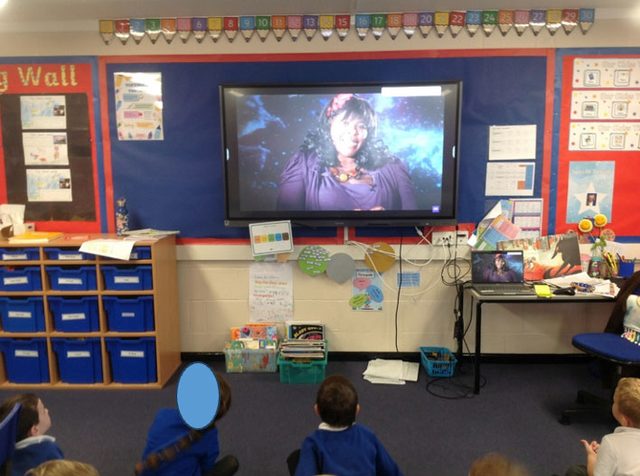
Year two children shared stories and information books about a selection inspirational black people. They also found out about the life of Mary Seacole, a nurse from Jamaica. She came to England following a calling, wanting to serve as a nurse in the Crimean War. When asked what Black History month was, a child in year two commented ‘Significant black people so we can celebrate them’. ‘Everyone’s different in a different way,’ said H in year two.
History Spring 2026
Year 4
In History, the children were excited to start a new topic all about the Anglo Saxons. We began by discovering where the Anglo Saxons fitted in on our Key History Topics timelines. We learnt about the push and pull factors for the Anglo Saxons invading Britain. The children enjoyed closely observing Anglo Saxon artefacts and deciding what they may have been used for. The children became detectives and tried to solve the clues about the mystery of the empty grave to discover who was buried at Sutton Hoo, many of the children guessed correctly! The clues included silver christening spoons and dated gold coins. During this topic we enjoyed an Anglo Saxon workshop which taught the children many aspects of life in the Anglo Saxon times. The children had the opportunity to dance, dress up, make bread, eat oat cookies and role play, this was a thoroughly enjoyable experience. To finish our topic we looked at different sources of evidence that historians have used to uncover life in Anglo Saxon Britain and learnt new terms linked to this; infer, enquiry and insight.
Year 5
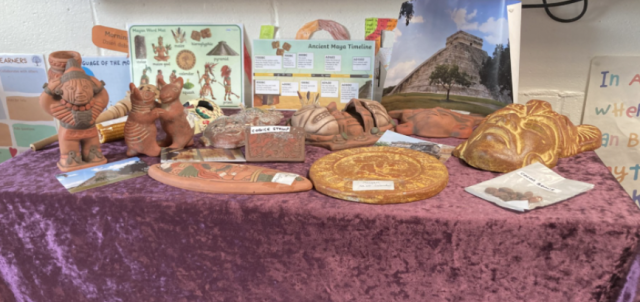
In year 5, we have been enjoying learning about the Mayans. We were lucky enough to have a mini museum in our class, with artefacts that we have been able to handle, carefully. This helped us to think like historians or architects, wondering what material were used or what purposes they served. We have learnt about how society was structured, what the Mayans invented, and about their belief in many gods (and the sacrifices required to keep them “happy”). The children enjoyed making a quiz to test their knowledge from the unit and key landmarks that can still be visited today.
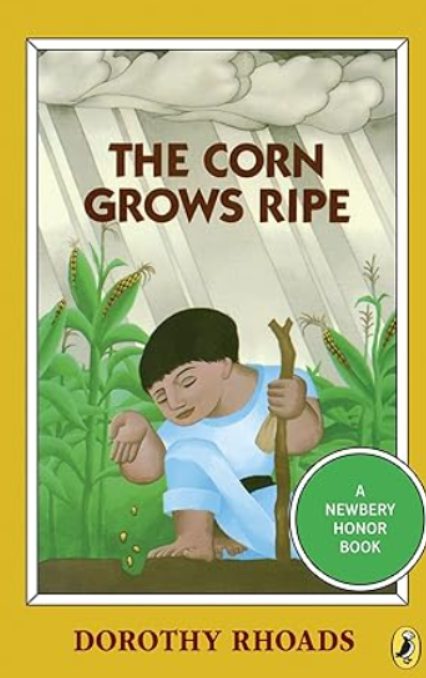
Our learning has had cross curricular links with our guided reading “The Corn Grows Ripe” by Dorothy Rhoads, strengthening our depth of knowledge.
Year 5 Viking Day 2025
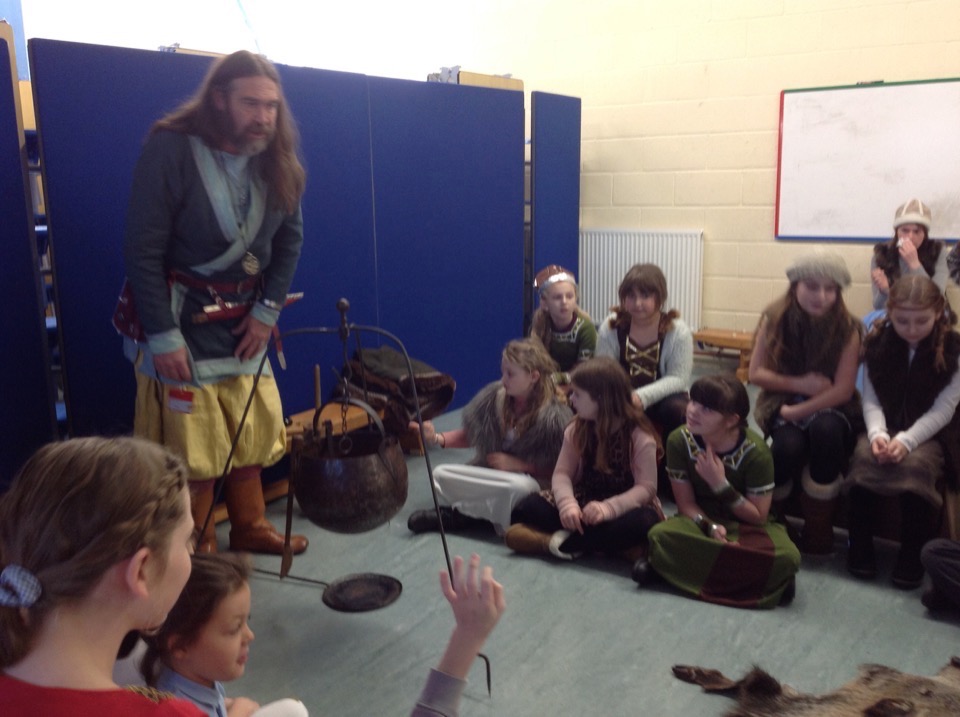
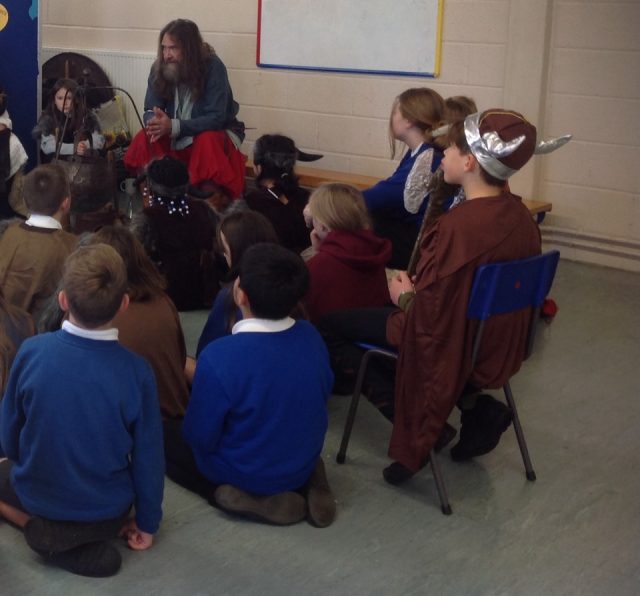
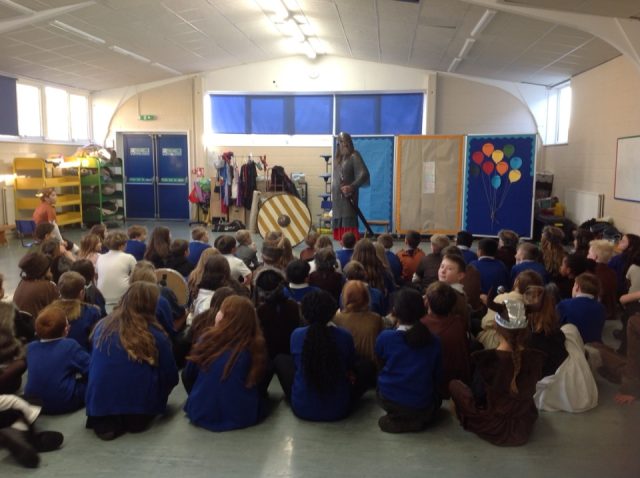
On Friday 21st November 2025, Year 5 enjoyed a Viking day. Our Viking visitor, called Thor’s Wolf – Son of the Hammer, welcomed us in traditional Viking Language.
He proudly showed us his colourful trousers that he told us displayed his wealth, because they were made with six metres of fabric, which was expensive, because of the amount of time taken in spinning the flax and weaving the cloth. He also proudly displayed a comb on his belt, made from reindeer antler – very expensive too.
We learnt about how the Vikings came across in their longships to raid monasteries before returning to Scandinavia. However, due to the long and wintry journeys, some decided to stay and settle in a fenced campsite. Because they were known as “Drakkar” (meaning dragon ships) they were thought to have had dragon heads on the stern and bow ends, very ornately carved and decorated.
The children also read lots of information boards to answer questions in a quiz; they enjoyed learning extra facts with some independence.
They also enjoyed playing a board game called “Fox and Geese” where they developed strategies for the fox to eat (jump over) geese or for the geese to surround and trap the fox on the gaming board.
The children had valuable opportunities to learn about and handle replica artefacts. Through clever questioning, they had chances to use their prior learning, to work out what some of the more puzzling artefacts were used for. We saw a drinking horn, a bowl made from horn, a comb, a pan, a wooden cup and objects used to smooth cloth like an iron.
Using a die, wedged into a tree stump, he made some coins by punching a pattern of a long-ship and a face onto both sides of a blank disc. A Viking coin was worth around £25. If you wanted to spend less, you cut it in half, or a quarter (four-thing/farthing).
He then brought out his scales, to explain how the Vikings traded and bartered for goods or animals.
We listened to him speaking some Olde English and Viking language and we tried to guess what he was saying, so we could get an idea of how our language has developed from Saxon and Viking languages.
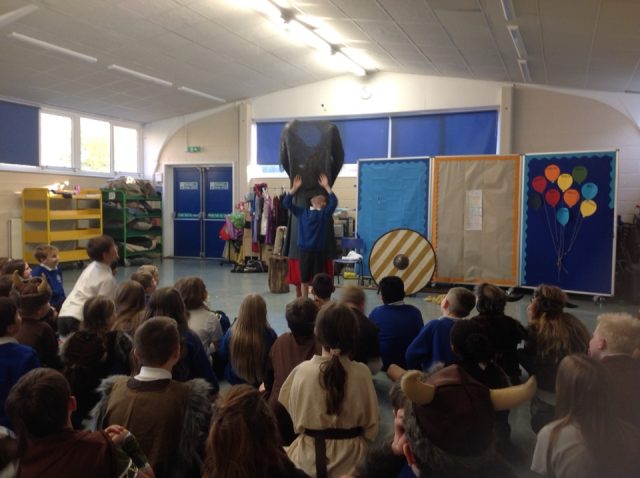
We then had an opportunity to see him dressed in replica chainmail and a helmet and demonstrate how to use a long spear, a bearded axe, a broad sword and shield. He showed us how vicious the Vikings could be, by slicing a melon in half before letting a child from our year group try on the chainmail! This was very heavy and they could not jump very high when asked to try!
Anni said, “I liked the man delivering the learning as he was really funny and made great jokes that helped us understand the Vikings better.”
Seren said, “The man was really kind and wanted to help answer everyone’s questions that came from the artefacts that he had brought.”
Noah said, “I liked the bit when he told us about the famous Viking stories, like when they fought in battles and which side won – that was really cool.”
Remembrance Day 2025
Remembrance Day was marked in an assembly at the Junior School. The children learnt about Armistice Day on the 11th November 1918. At 11 o’clock on that day, nations who were fighting laid down their weapons and this signalled the end of the war (known then as the “Great War”). Today, we know it as the First World War. Armistice is an agreement for peace.
One year later, the first two-minute silence was held. King George V had asked the people of Britain to pause and remember all those who had fought and died in the service of their country.
In in 1920, King George unveiled the nation’s new war memorial called the Cenotaph, where people go to remember the fallen.
The children found out about the Royal British Legion and how it remembers the fallen by launching the Poppy Appeal, where members and volunteers sell millions of red paper poppies. In the weeks leading up to 11th November and on Remembrance Sunday, people are asked to wear a poppy as an act of remembrance.
The children listened respectfully and with interest. They then participated in a two minute silence.
On Tuesday 11th November years one and two at the Infant School met for an assembly just before 11am to watch a short video explaining what we do on Remembrance Day and why. The children were then joined in the hall by the kitchen and office staff for a minutes silence. After the silence some of the children shared that they had taken part in a Remembrance Day parade in Dereham at the weekend. They also watched the short Cbeebies animation – Poppies. All the children sat and listened beautifully and were very respectful during the silence.
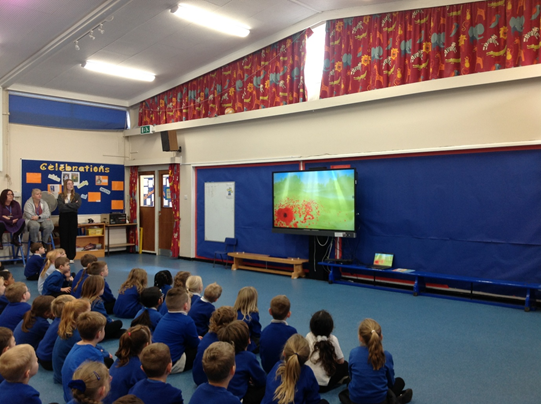
Reception classes discussed Remembrance Day and watched the short Cbeebies animation – Poppies. They also had the opportunity to create poppy pictures and make poppies using a variety of materials.
History Competition
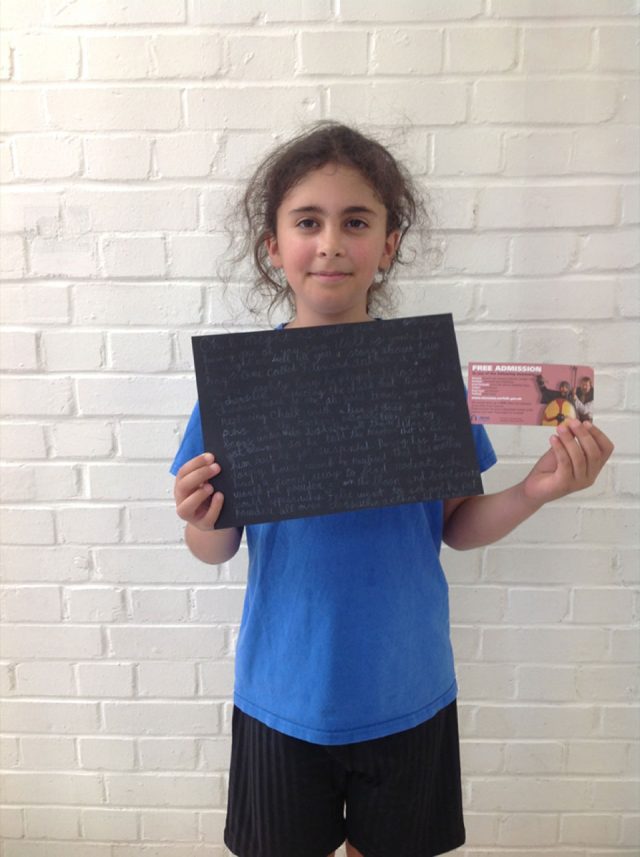
Toftwood Junior School recently organised a history competition, to inspire a love of history beyond the curriculum. The children were shown a genuine Victorian slate, in a wooden frame. They were challenged to think…
“If this slate could talk, what stories would it tell?”
The children then had to research life in a Victorian classroom, building on their learning at the Infant School and our “History of our School Day”, where they studied extracts from the school’s genuine log books. The children were very creative in the way they demonstrated their work. The winner was Sara, who has won a ticket admitting 5 people to any of the Norfolk Museums, which I know she will thoroughly enjoy, with her family.
A very special thank you to the Norfolk Museums Service, for very kindly donating this generous gift.
VE Day Poem
Some year 6 children have been reflecting on their learning about World War 2, from the Autumn Term. They have studied images taken on VE Day and considered the mixture of emotions that must have been experienced on that day.
They worked in groups to create a monologue – style poem, to show their understanding of VE Day.
Spring 2025
In Year 3, we have learnt about the three ages – Stone, Bronze and Iron Age.
We learnt about each age and created a timeline of Key points within each age.
We also learnt about Skara Brae, Grimes Graves and the Druids. The children were fascinated to see the well preserved remains of the Skara Brae settlement and were surprised when they learnt about the mining that took place at Grimes Graves.
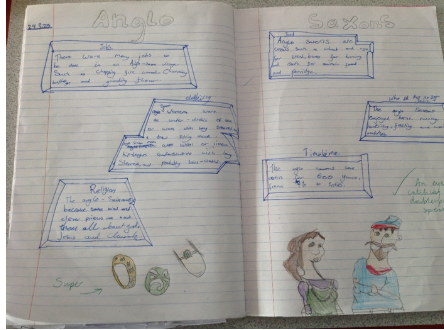
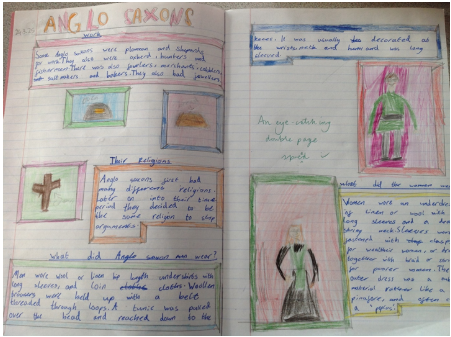
In year 4, the children were excited to start a new topic all about the Anglo Saxons. We began this topic by finding out what the children’s prior knowledge was. Then we looked to discover where the Anglo Saxons fitted in on our Key History Topics timelines. We learnt about the push and pull factors for the Anglo Saxons invading Britain. The children enjoyed closely observing Anglo Saxon artefacts and deciding what they may have been used for. The children became detectives and tried to solve the clues about the mystery of the empty grave to discover who was buried at Sutton Hoo, many of the children guessed correctly! The clues included silver christening spoons and dated gold coins. The children used tablets to create a job description for a job carried out during the Anglo Saxon times, these included jewellers, weavers, tanners, potter and blacksmith. The topic finished with the children creating a double paged spread on many different aspects of Anglo Saxon life.
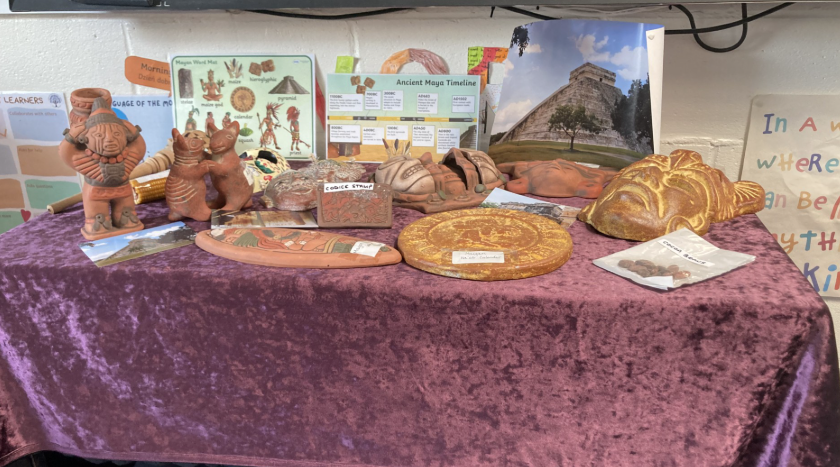 In year 5, we have been enjoying learning about the Mayans. We were lucky enough to have a mini museum in our class, with artefacts that we have been able to handle, carefully. This helped us to think like historians or architects, wondering what material were used or what purposes they served. We have learnt about how society was structured, what the Mayans invented, and about their belief in many gods. The children enjoyed making a quiz to test their knowledge as well as their friends’ recall of facts.
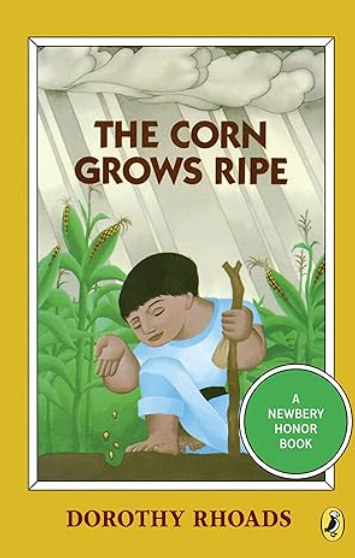
Our learning has had cross curricular links with our guided reading “The Corn Grows Ripe” by Dorothy Rhoads, strengthening our depth of knowledge.
Year 5 Letters

Year 5 have written letters to the Eckling Grange Care Home in Dereham, asking them questions about their Christmas memories and sharing traditions of their ow, This activity should hopefully prompt some happy memories for the residents. The children also used their lino-printing to make them some Christmas cards, in pop-art style.
Black History Month Tuesday 15th October 2024
Key Stage 2 met for an assembly of online music with Midé Naike.
Midé Naike talked about his Beat Box journey from the age of 16. He was originally from Nigeria, but now lives in Birmingham. In his group he has musicians from Italy, Jamaica etc who all bring their musical influences and genres to the mix. He explained that Beat Box is like the drums, creating a rhythm and he gave us a demonstration.
We joined in with a warm up of our faces and mouths, to make sure that we were ready to join in. We also practiced our breathing techniques, before we learnt some of the sounds and combined them. We were able to clap along to the rhythms which is an important skill.
Midé explained the role of a DJ and how they like to do “scratching” ie with the word “hello”. He had us pretending to bounce a word off a wall and back, in different voices. We also imitated various musical instruments with our voices, which the children thoroughly enjoyed and sounded quite impressive!
Year 3 Autumn 2024 Ancient Egyptian Day
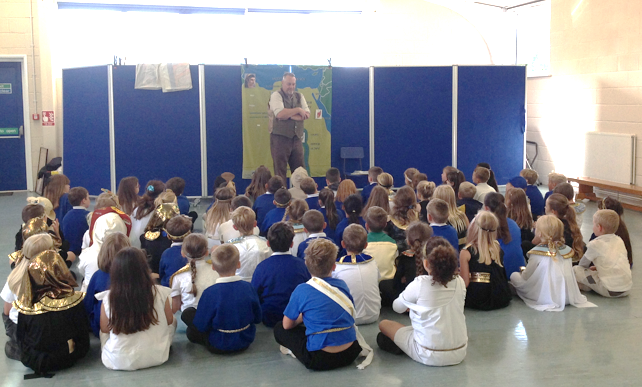
On Monday 16th September, Year 3 had a visitor from Portals to the Past to develop our understanding of Ancient Egypt. The visitor brought many resources with him that enabled us to visualise and use some of the objects in the same way as the Egyptians!
Firstly, the whole year group had an introductory talk about Ancient Egyptians and their everyday life. We discovered how Lower and Upper Egypt were united and all about the demise of Cleopatra – the last Pharaoh and how the Romans conquered the territory. Afterwards, we had a number of activities (artefacts, quiz boards and an Ancient Egyptian game) that each group explored throughout the morning.
From the exploration of the artefacts, the children discovered how enormous the ear piercings were for Ancient Egyptians and the stone decorative studs that they wore, as well as the make-up palettes and the reason the Egyptians wore black make up under their eyes – Ancient Egyptian’s answer to sunglasses! The children were able to give plausible explanations about what they thought the objects were for by considering the clues given e.g. A make-up palette for mixing make up on, a small pot used to hold kohl, amulets and versions of alabaster pottery.
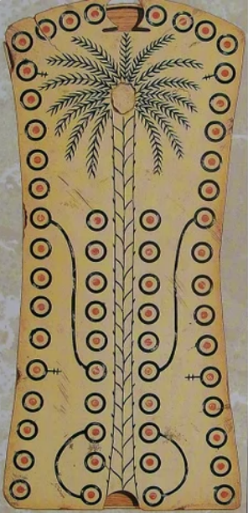
From the quiz boards, we learnt about everyday life; the pyramids and how Cleopatra’s relationships caused the demise of Egyptian rule. We applied the skill of researching from the information boards and learnt some facts about many things, including why Gods and Goddesses were so important, but no longer worshipped in the same way. The things we found out on the information boards and from our visitor helped the children to conclude that Cleopatra’s love stories played a significant part in the demise of the Egyptian rule. It was interesting for the children to consider how invasions from other cultures, such as the Persians and the Greeks, had an influence on their faith and that once the land became Roman led, the land became Christian, then later Muslim and Egyptians ceased to worship their old gods and goddesses. We also learnt about the influence of some of these invasions on the language used, such as the word “pyramis” which translates to “wheat cake” as the pyramids reminded them of the shape of their wheat cakes with a pointed top.
By playing the game ‘Hounds and Jackals’, the children brought alive the fun and excitement from the Ancient Egyptian period as this was a popular game, played in the poorest and the wealthiest households of the time.
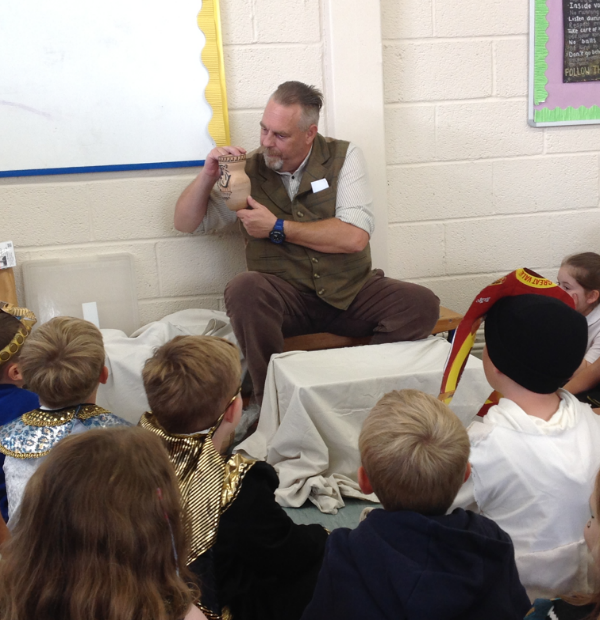
The children were able to apply their historical understanding skills and discuss similarities to games developed and played today, like snakes and ladders! They were pleased and unhappy in turns about the snake and ladder on the board (the black curvy lines that you can see in the photo).
In the afternoon, we took part in and watched a role-played version of the life and death of a pharaoh, including his mummification! We watched the process that we had learnt and discussed the job roles of different people that were employed in the process. Watching this on a life size dummy allowed us to really visualise the process and consider the significance of this event in their culture on history.
Finally, we played a whole year-group game of Hounds Versus Jackals. The objective of which was to aim for the animals that would have been present in Ancient Egypt. Each animal had different points for their temperaments and importance in Ancient Egyptian life.
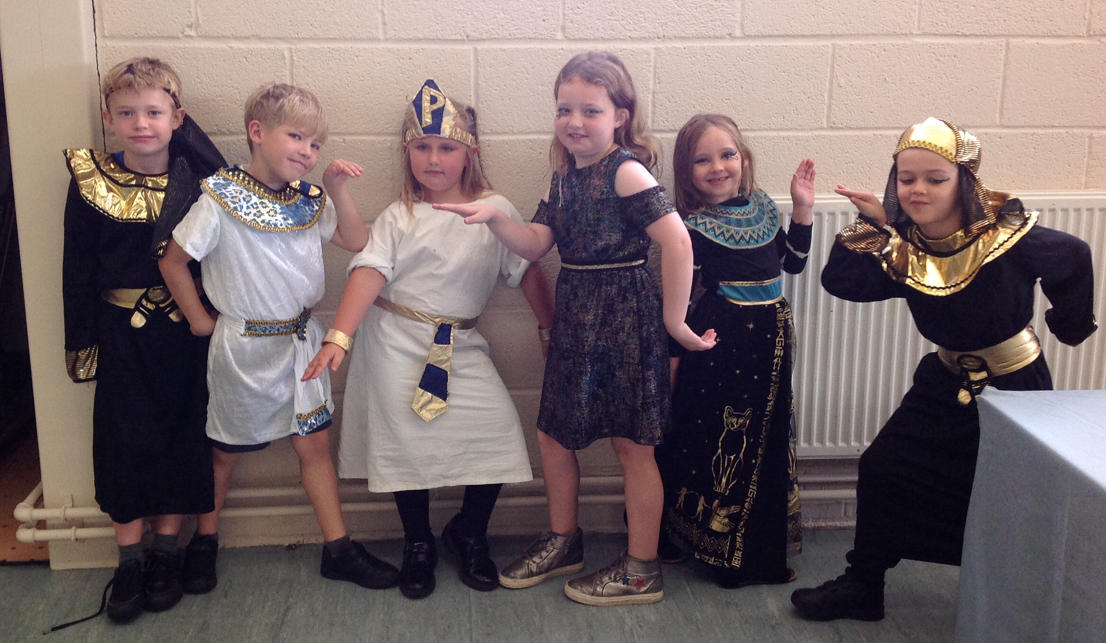
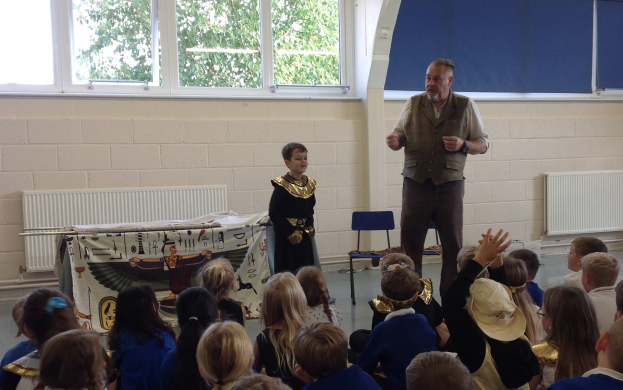
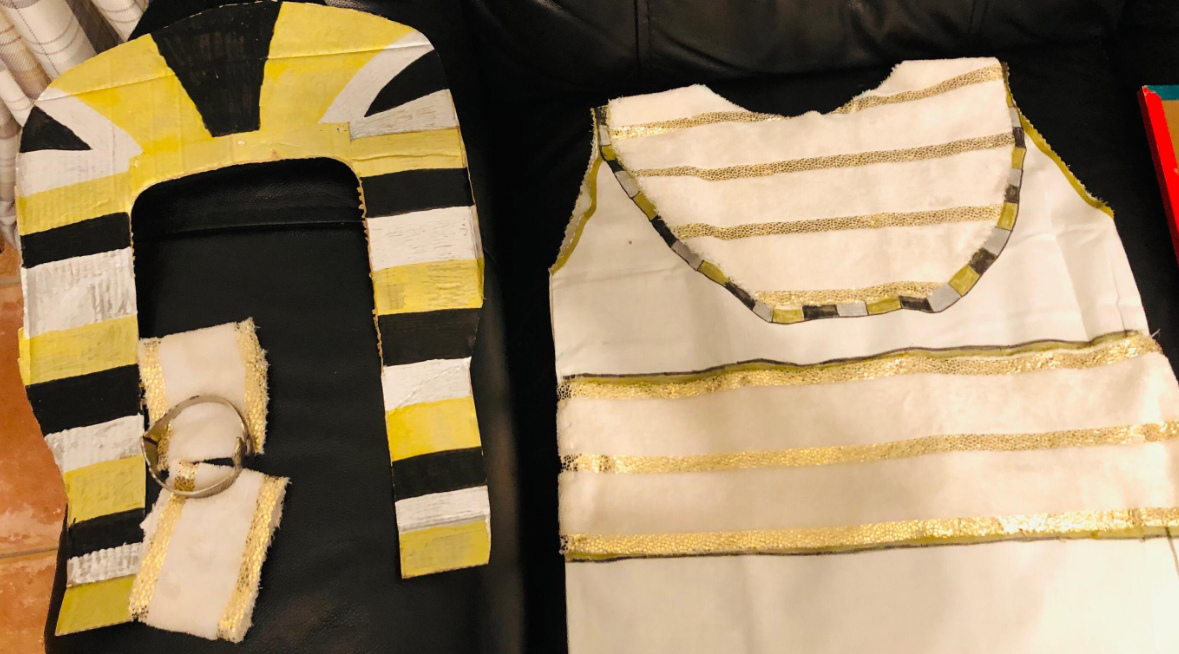
We so enjoyed seeing the children’s enthusiasm for learning and their joy at dressing up as Ancient Egyptians and archaeologists!

History Day
One of the threads that run through our Federation History Curriculum is “Sources” so we started the day with an assembly where the children were shown old school artefacts and they had to guess what they were. They found out about log books and how that the information that they used to day came from the original log book which was like a diary of events.
Year 3 really enjoyed the journey back in time to Victorian schooling!
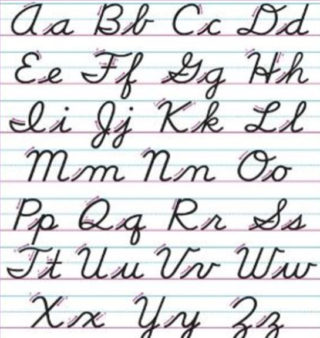
The children practised using cursive handwriting to form letters of the alphabet. There was much hilarity and mirth at some of the letters, particularly – f, s, g, with the children insisting they could not find them on the board!
Once the year group had honed their skills with the alphabet, some of them copied a well-used Victorian school phrase:
Good, better, best,
Never let it rest,
Til your good is better,
And your better, best.They also wrote their names using their best handwriting.
The children learnt all about corporal punishment – the Dunce’s hat and the cane. We learnt how everyone had to be right handed and how left handed children were taught to write with their other hand.
We explored the local area and looked at how it had changed over time – using maps of the local area. The children were fascinated to learn that Toftwood Social Club was the original local school.
We also took part in a Physical Training session. It was very different to our normal PE sessions and the children thought it was enjoyable – though they are pleased we have our PE lessons, not Victorian ones, twice a week!
In Year 4, we learnt all about the history of our school. We started off by looking at what our school used to look like. We compared the similarities and differences between what our school looks like now and then. Additionally, we looked at different occupations available for people in 1873 and did some research based on a chosen occupation. In the afternoon, we looked at the PE exercises (Drill) that the children used to do. The children enjoyed being the teachers and giving different commands to the class. We finished the day by playing some Victorian playground games.
In Year 5 we presented our work on a double page spread to show all the information we had learnt throughout the day. We were also able to handle the artefacts carefully. We used our inference skills to interpret facts from the data ie
“March 15th 1876 Sent to Mrs Land to obtain the ages of her children as I discovered that though in their school previously to my undertaking charge, their ages had not been entered in the Admission Register. Mrs Land in reply said, “she could not recollect nearer than the month, “ being unable to state the exact days on which they completed their 12th 10th and 7th years respectively.”
“April 25th 1876 Sent again for ages of children, which I had previously failed to procure. Their mother had promised to obtain them from the parish register.” We can infer that they might not have had calendars or celebrate birthdays on the exact day.
“July 10th 1877 Chain and padlock put on the pumps to prevent the waste of water.” We can infer that they had no inside taps.
Next we looked at extracts from the Parish records 1873 and we were amazed at the variety of occupations that were in Dereham at the time eg. Hawker, Umbrella Maker, Glove Maker, Horse Dealer and Tailer etc.
The children were also amused and shocked when looking at the punishments that were given and for offences such as singing on their way out of school. We also tried some of the Drill exercises.
Year 6 had a fantastic history day. They really enjoyed learning about the history of our school and local area. We explored physical activity drills, punishments, occupations and illnesses. They then completed a double page spread with all of the information they had learned.
The King’s Coronation Celebration
The children at Toftwood Infant and Junior School have had a celebration fit for a king!
The Federation came together for two days of activities and a special lunch to help celebrate the King’s Coronation. To mark this important occasion, the children dressed were invited to dress up in red, white and blue or as a king or queen.
Over the course of two days the children took part in lots of fun activities including crown making, creating Union Jack flags, learning to sign the National Anthem and naming photos of the royal family. Year one children will also be writing to King Charles next week. A special assembly to commemorate the King’s Coronation led by Janet Marshall took place at both schools.
Children were invited to participate in a competition to decorate a Coronation rock. We were very impressed with the individuality of the children designs which included a corgi, a crown and the Union Jack flag. The children have been given the opportunity to take their rocks home or place them in the community in Toftwood or Dereham. Perhaps you will find one of the special rocks when you take a walk around the locality.
On Thursday we had a special federation picnic lunch which we were lucky enough to have outside and all together. Seeing the children outside laughing, playing and enjoying their time together was a wonderful sight.
What a wonderful two days we have had celebrating such an important historical event and special time for our country. Hopefully very memorable for all the children and staff. A big thank you goes out to our wonderful lunchtime and kitchen staff for their hard work.


History Spring Term 2019
Year 3
Stone Age Day
Year 3 has a special Stone Age visitor who taught them all about the history of our country over 12,000 years ago.
Year learnt all about the different types of amazing creatures and animals (bison, boar, cave lion, mammoth and wolf) that roamed the earth then and how Stone Age people lived and fought. We had no idea that the Stone Age people sought the protection of living together in Community or that they were prey!
It was very exciting to see how Stone Age people made fire using a bow drill. Our visitor showed us how the fire is started by hitting two sharp pieces of metal together.
Year 3 really enjoyed the day and loved dressing up as Stone Age people. It was fun and we learned so much about this time period.
Year 4
Anglo Saxons at Norwich Castle
Year 4 enjoyed a fascinating day at Norwich Castle, learning all about the Anglo-Saxons.
As they arrived, the children met a metal detectorist who discovered a brooch in Norfolk that reveals the story of Thurweald, an Anglo Saxon King and his people. As part of the day, the children met different Anglo Saxon characters who revealed the story of Thurweald, who had died. The children enjoyed making replica Anglo-Saxon broaches, they met a trader and handled some genuine artefacts, sat with a wonderful story teller to act out the legend of Thurweald’s defeat of the monsters in the forest and even learned how the Anglo-Saxons buried their dead.
Year 4
Anglo Saxon Day
Year 4 took part in a fun-filled, fact-fuelled day to round off their Anglo Saxon topic. They learnt about runes; how to make Anglo-Saxon pottery and how to cook an Anglo-Saxon recipe – honey shortbread. It was delicious!
The children were told with the Anglo-Saxon tale ‘Beowulf’ and then, like true Anglo-Saxons, deciphered original Anglo-Saxon riddles before creating their own. Year 4 were taught how to do an authentic court dance and then learnt how to play Nine Men’s Morris – an Anglo Saxon board game.
The day was a fantastic finale to a truly memorable topic!
Year 5
Maya Civilisation
Year 5 have had an interesting and fun project learning all about the Mayans. We did not even know where they lived or when at the beginning of the topic and now we know all about their religion. This involved lots of sacrifice of animals and people. We have discovered about their everyday lives and how some aspects of their culture lives on in the present day.
We explored them through the Text “The Corn Grows Ripe” which we all enjoyed and we have created some rather spectacular Mayan masks.
Through this topic, we went on to have a South American Day where we learned how to weave and how and where cacao beans are produced and then turned into chocolate.
It was a really information topic and the South American Day was a great finale!
History Autumn Term 2018
Year 3
Ancient Egyptian Day
The year 3 children learned about the fascinating Egyptian civilisation and how the mummification process occurred.
They had a visitor from Portals to the Past and during this day they completed a fact finding activity, played some Ancient Egyptian board games and had the opportunity to look at some artefacts.
An amazing day was had by all Year 3’s and they left Ancient Egyptian Toftwood familiar with everyday Egyptian life!
Year 4
Romans
The children in Year 4 had a very special visitor to link in with their history topic, pupils were immersed in all things Roman.
The children learnt about key historical figures, significant places, weapons and battle techniques and important dates relating to Roman Britain. After splitting into the three classes, each group participated in themed activities. These included playing a Roman board game called ‘Delta’ which involved sliding counters and scoring points using Roman numerals; learning about and handling real Roman artefacts; and finding out lots of facts as part of a Roman quiz. In the afternoon, the children were immersed in a Gladiatorial fight in our very own Toftwood Arena with our Toftwood Emperor!
Year 5
Viking Day
On this brilliant learning day, Year 5 met a rich Viking man (who had expensive trousers). In the hall we learnt about the Vikings as that was our topic in history. All of year 5 were in the new hall as it was a good experience and fun way to learn about the brutal invaders. Also it is a bit like a school trip but in school.
First off, we went into the hall and there was a very well dressed Viking who was called Thor. The Viking explained what their countries were called and were they came from which were Denmark Norway and Sweden. He also said that the reason they came to England was because there conditions were very poor and cold .Thor then showed there countries on a massive map and there was also the countries they invaded on there.
Next, year 5 rushed into the assembly hall as we were very late, we were late because we talked about what equipment they would have in their house and what it looked like also the Vikings jobs for the girls and boys. After brake, some classes were lucky enough to play a board game named fox and geese. After that, our class did a quiz on their lifestyle, gods and toys the children played with in the activity we did it with a partner my partner was Amelia.
Then, we went and had lunch in the other smaller hall and had a play before going to see him again. Secondly, we all came back to the new hall and sat around the tall, hairy Viking. When we were sitting in the circle with all of year 5s classes. Whilst in the circle, Thor showed us some metal and some coins he then put the coin on the stand and put the decorated metal on it and hit it with a very heavy hammer. When he was making the special coins there were lots of bangs and some coins did not have the pattern centered so he had to make more.
After that, the man showed us many different weapons that only the men would use because they went to battle. Some of the weapons varied in types like an axe that was as big as a toddler also there was a spear and sword the spear was bigger than him and the sword was very precious as it can break or snap easily.
Then, we saw some armour: a real Viking helmet that had a sharp point on top which was almost as pointy as the spear that was quite scary to be honest. Thor said that the Vikings did not actually have horns on their helmets it was from an opera to tell which Vikings were bad or good. After that, someone from year 5 went up on stage and wore real Viking chain mail! The boy from the crowd said it was very heavy and tried to jump but only managed 2cm off the ground.
Some people had quotes on the afternoon “my favorite part was the afternoon” also “the afternoon was the best because we got to see the weapons”
Near the end of the day, the tired Viking asked us things in old English then we had to figure out what he was saying then say it in English. Most of the time he was saying parts of the body some of it was tricky even though we are learning old English in our English lesson. It was very funny hearing some words.
The overall opinion from Year 5 on Viking day is that it was mind blowing, factual and informative.
Year 6
Ancient Greeks
In the Autumn term, Year 6 studied Ancient Greece as part of our history topic for that half term. We studied the History of Greece by learning about the geography of Greece, roles of women, education in Ancient Greece and the Greek gods and goddesses.
We took part in a ‘Greek themed day’ where a Greek visitor helped us to play Greek games and we took part in our own Olympic games! We dressed up as traditional Greek characters.
This learning inspired us to write our own Greek myths using the stories of Theseus and the Minotaur, The Gorgon’s Head and Persephone. We debated the differences between Athens and Sparta to decide who had the better way of life.
Remembrance Day 2018
With the centenary of World War 1, Toftwood Juniors chose to commemorate the event by having a whole school assembly with Mrs Hughes and then discussing it further in class with the teachers.
The children understood why we wear a poppy as a symbol of Remembrance Day. The children across the Federation, have been creating their own poppies as a sign of respect. These were tied to the gates and fences of the Federation schools.

The day was also commemorated by the Kitchen staff. They baked and decorated poppy biscuits for the children as yet another visual reminder of Remembrance Day.

In class, the children participated in discussions about the trenches. They found the trench life of World War One unbelievably difficult to grasp and displayed great respect for the soldiers that took part in it. Many children also shared family anecdotes about their own relatives that had been in both World Wars.
