In KS2, we kicked off Maths Week 2025 with an assembly about influential mathematicians.
Leonardo Fibonacci is most known for inventing the Fibonacci sequence. This is the sequence of numbers beginning with 0 and 1 where the next number is found by adding the previous two. This pattern creates a spiral that can be seen all around us in nature.

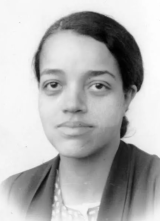
Dorothy Vaughan was an American mathematician and computer programmer known for her involvement in the United States Space Programme.
Dr Nira Chamberlain is a British mathematician and scientist. He used mathematical models to help the Aero Space and Energy Businesses. In 2018, he was awarded the title of the ‘World’s Most Interesting Mathematician’.
Across the federation the children undertook a variety of challenges to help develop resilience in Maths.
In Year 3, we had a carousel of five activities focused on this year’s Maths Week theme of ‘resilience’. These activities were all tasked with increasing the children’s motivation to keep trying when facing a new challenge, even when something feels quite difficult.
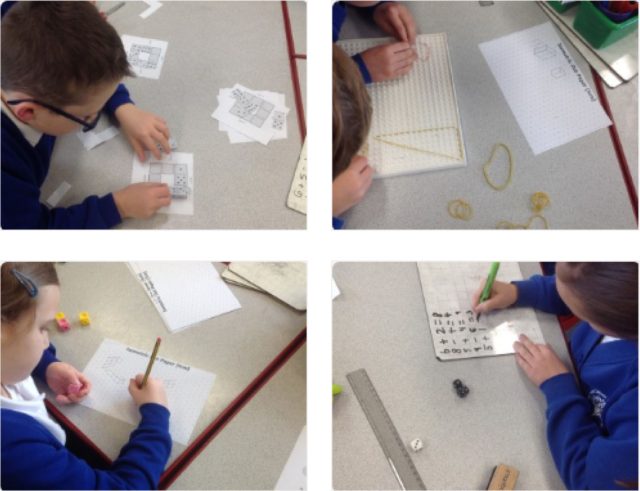
One activity was a dice game; the children had to roll three dice and add together the two dice of the same colour, before subtracting the dice of the single colour. The children enjoyed creating a number of different calculations. Another involved a square of calculations where each side had to equal the same amount. The third activity tasked the children with using isometric paper to draw four cubes in a number of different formations. In the next activity, the children used dominoes to create the same answer on each domino. The clear favourite of the activities, however, was using the peg boards and elastic bands to form a number of 2D shapes in competition with one another to see who could build the most without overlapping!
The children had many engaging conversations about Maths and the many different ways they could approach each class. It was wonderful to hear the children having such interesting discussions about their work and encouraging each other not to give up. Well done, Year 3!
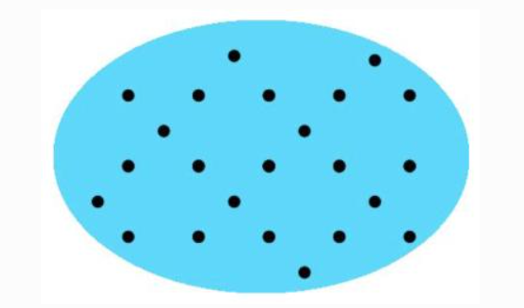
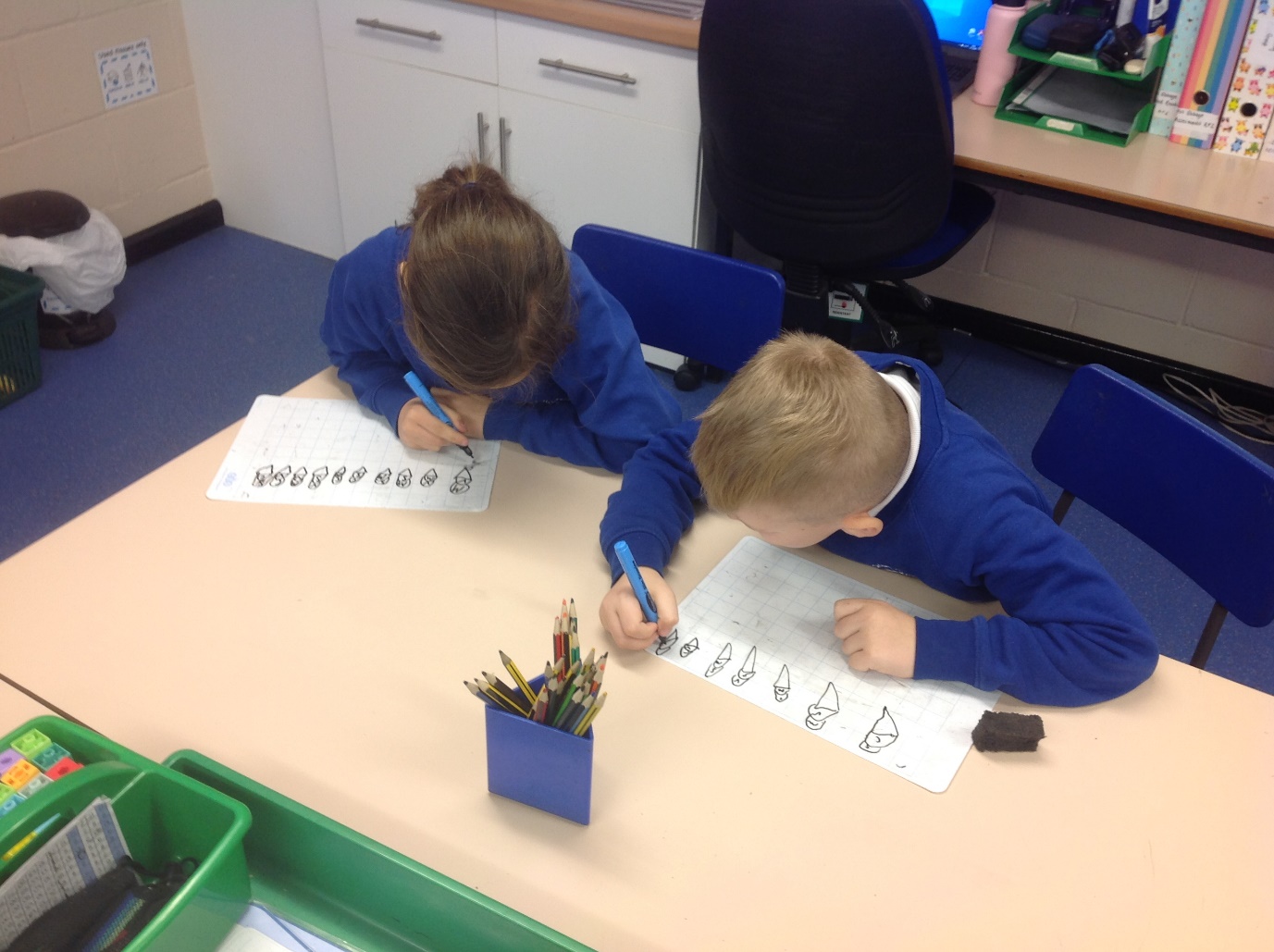
In Year 4, the children were challenged to find as many ways as possible of representing the number of dots. The children found over ten different ways to represent 23, including Roman Numerals, a tally, part whole model, bar model, a fact family, in words and pictoral.
The children worked as a class to see how many questions it took to guess the 2D shapes. It used their knowledge of the properties of 2D shapes and required keen listening skills to ensure they didn’t repeat a question.
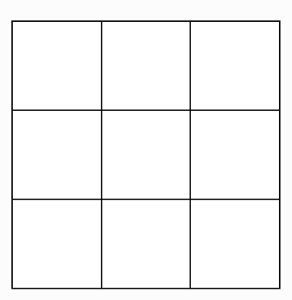
The final activity involved the children colouring squares on a grid in as many ways as possible making sure the patterns they coloured had at least one line of symmetry.
Some children considered colouring the squares in a particular order.
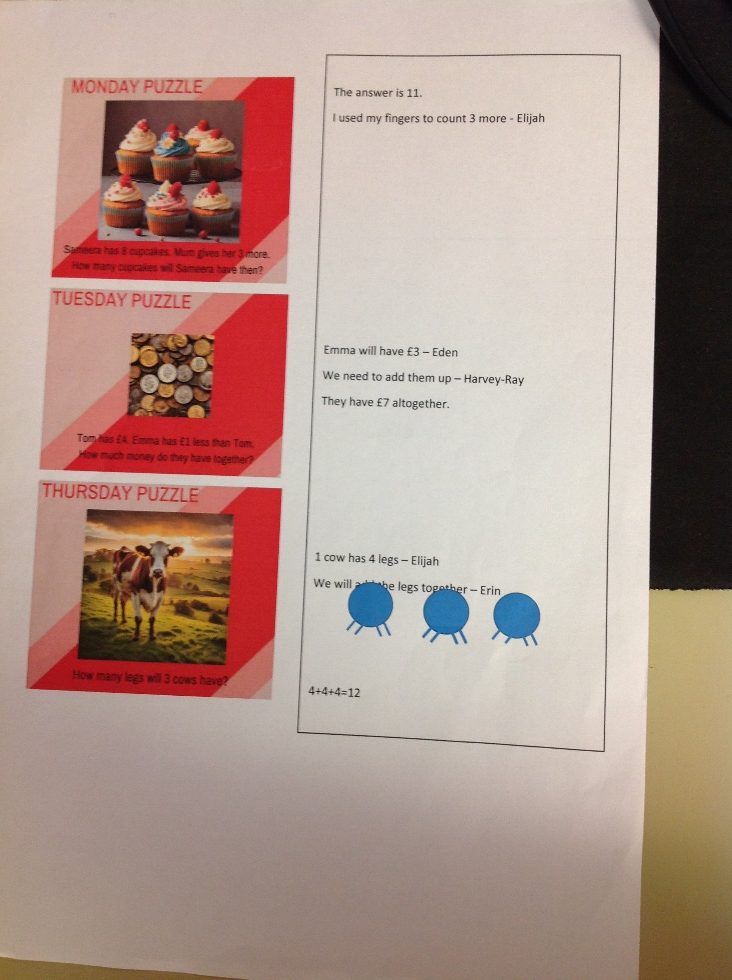
In Year 5, the children warmed up their mathematical brains by completing a word problem starter. This was a multi-step problem but all the children were able to break this down to calculate the answer.
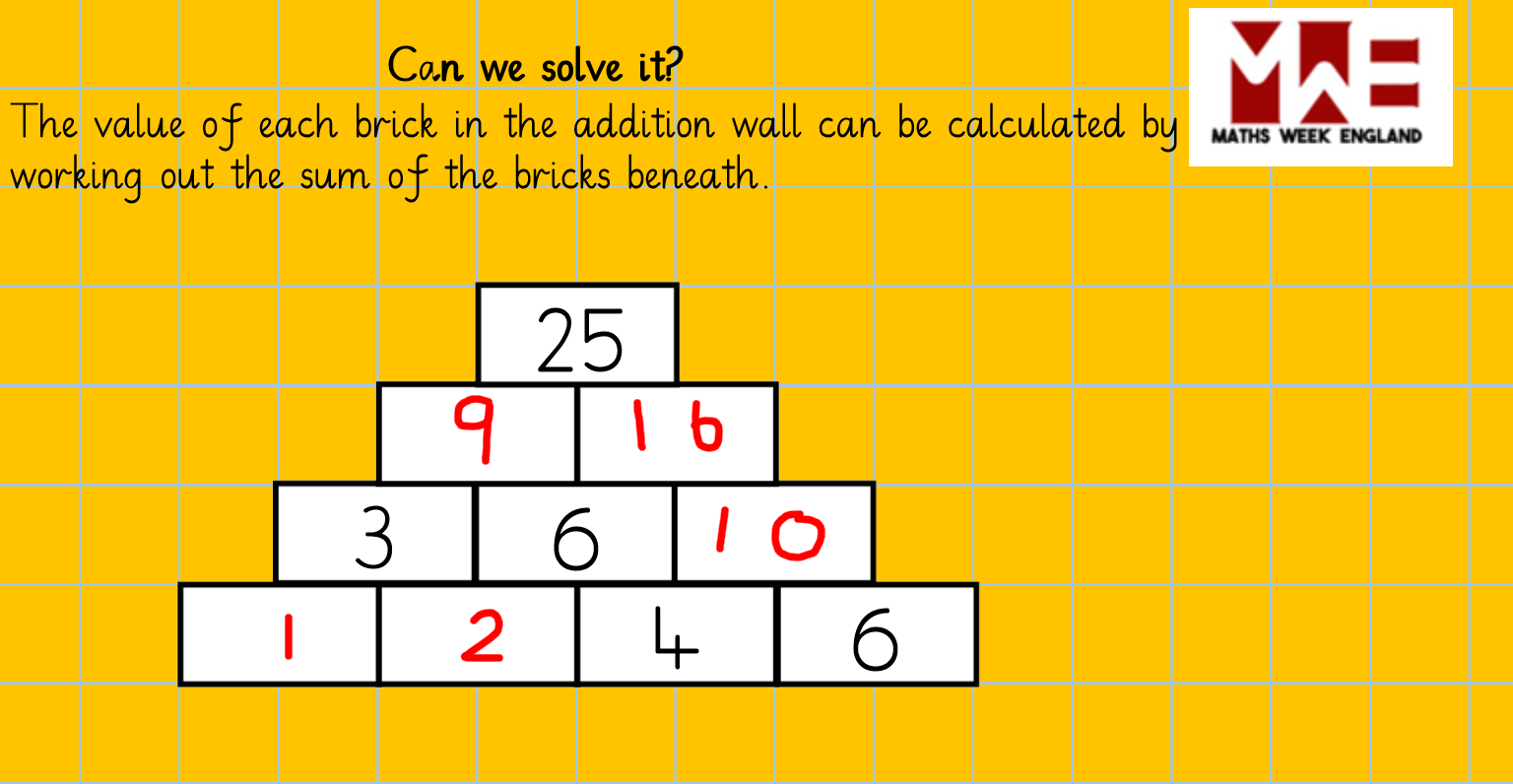
Next, the children moved onto a ‘number maze’. The children needed to get through the maze by adding all the numbers that they passed together. The total of the numbers needed to add up to 100! This was incredibly challenging however, all showed great determination and some managed to complete this.
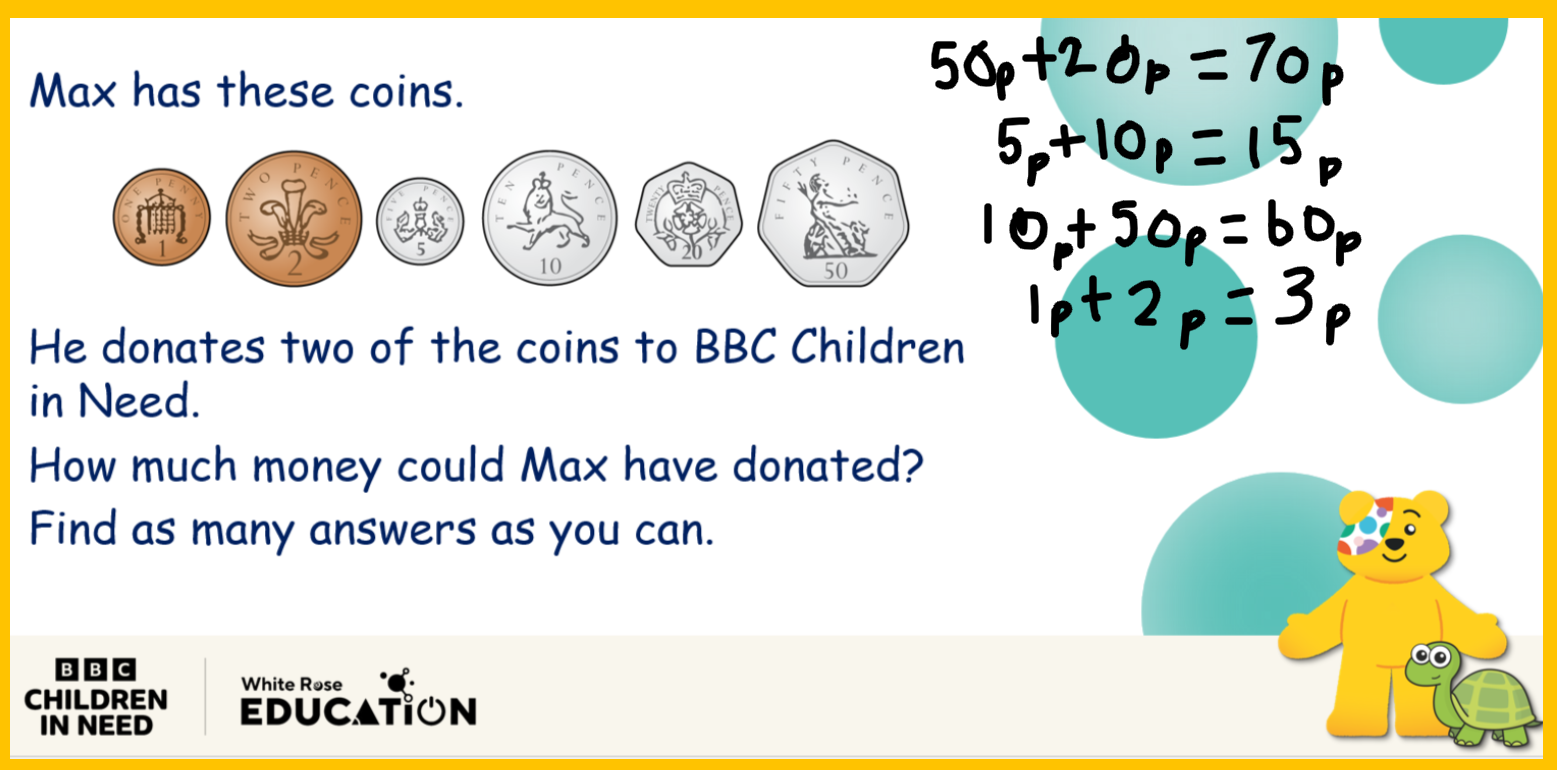
As a final challenge, the children used their mathematical knowledge to solve a range of mathematical problems. It was wonderful to see the children work collaboratively with each other to achieve the answers. Well done everyone!
Maths week in Year 6