We always try to keep you informed about our learning and what’s going on in school by sending home our topic webs, curriculum plans, information letters and texts, but if you’d like a reminder of what’s being taught each half term here’s our current Curriculum Plans.
Reception children have been finding out about how birthdays are celebrated in other countries. They have also talked about other countries when finding out how Christmas is celebrated around the world
Year One
Our School Grounds
The children in year 1 explored their school grounds. They looked at aerial maps of the school and talked about the different rooms in school our school grounds.
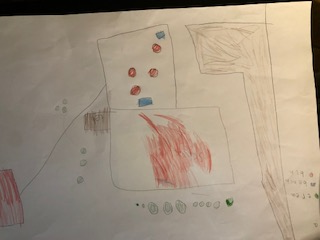
In pairs, the children explored some of the areas of the school including the school field, hall and year 2 garden. They navigated through the school building to teach these places and when there discussed what they could hear, smell, touch and see, making some notes in a table.
In groups, the children selected a way to make their own aerial view of the school. Some children used construction, some drew their own aerial map, some even made their own key and label.
Geography Thread – Locational Knowledge (knowing where places are in the world and where they are in relation to each other)
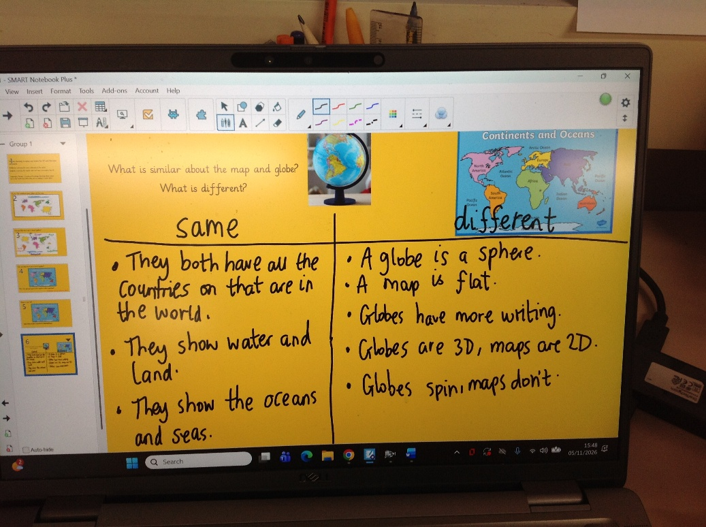
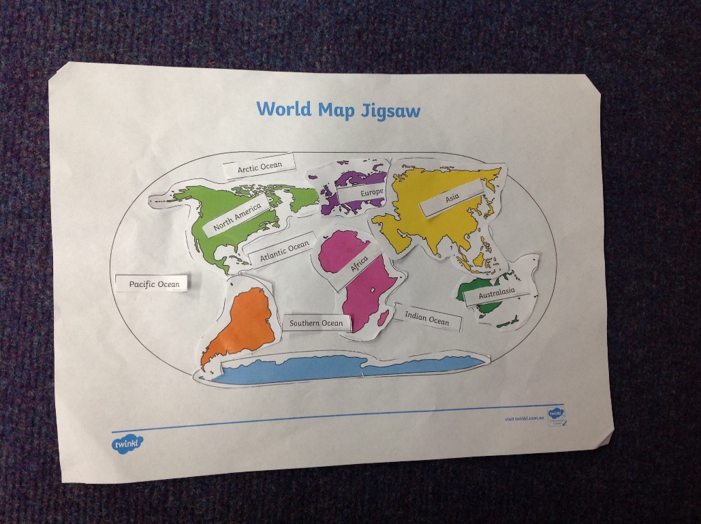
The children began our Geography learning by using globes and maps to locate the 7 continents. They compared globes and maps, talking about the similarities and differences between them. They looked at the map together and talked about the location of the continents and where they were positioned in relation to each other. The children then worked together to place the continents in the correct places on the map.
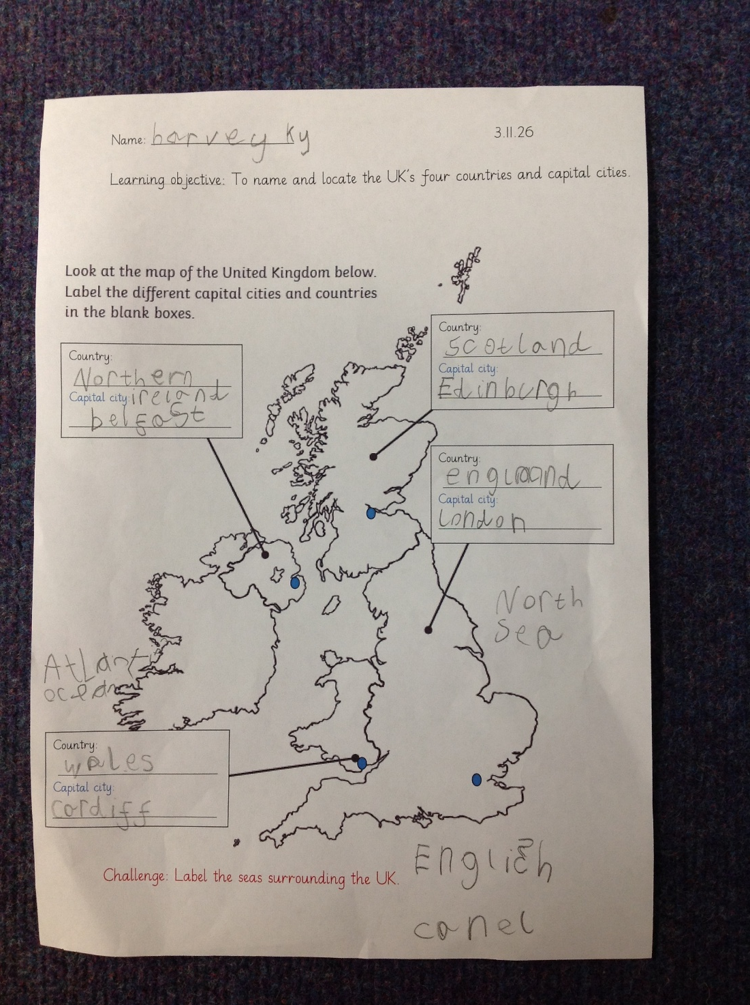
They then located the UK on the map and looked at this part of the world in more detail. They located the four countries of the UK, discussed the well known landmarks and features of them and identified their capital cities.
Finally, they learnt about the 5 oceans in the world. They learnt about what an ocean is and located the different oceans on the world map. They discussed their positions in relation to the continents they had previously learnt about. They used posters about each one to answer questions about the different oceans.
Reception children looked at photos of themselves as babies and compared with how they look and what they can do today. They also learnt about birthdays.
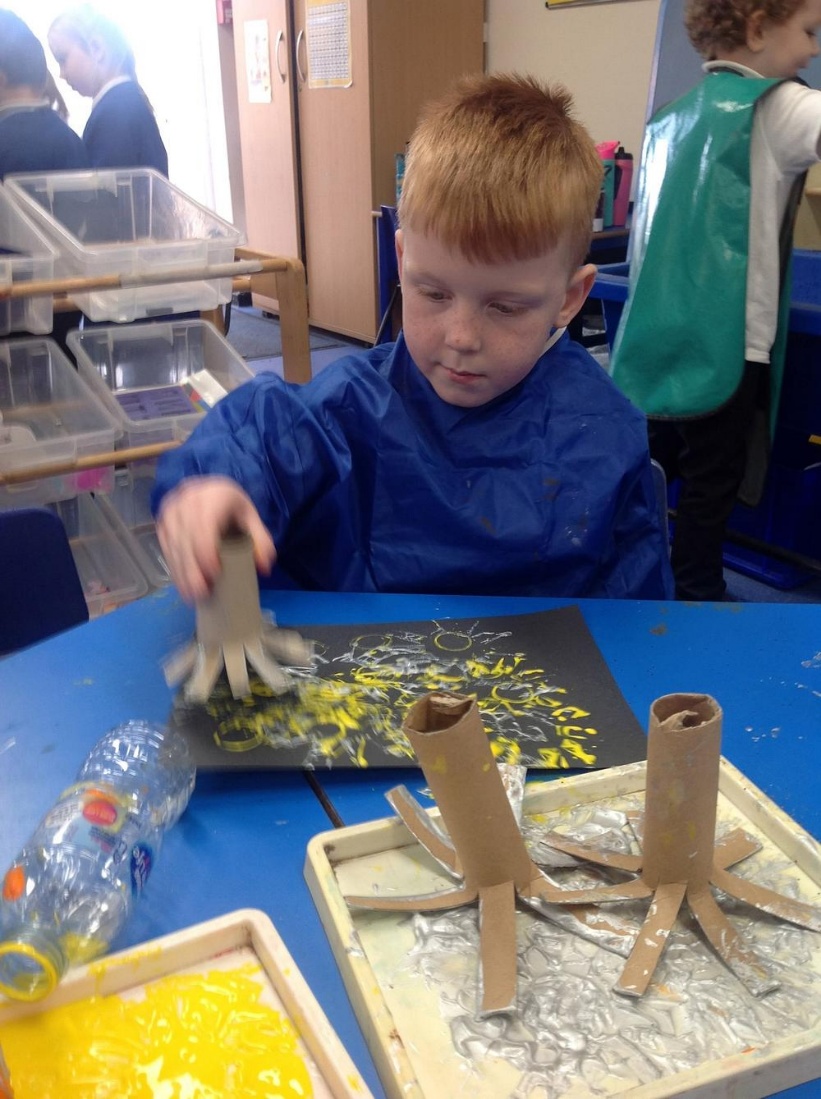
Reception looked at what bonfire night is and how people can celebrate bonfire night such as watching fireworks or lighting a bonfire. They learnt about the story of Guy Fawkes to find out why people celebrate on the 5th of November. They also looked at pictures of the Houses of Parliament and had a go at building these in our construction areas in the classroom. They also had the opportunity to create some fireworks artwork using paint and glitter.
Year 1
History of toys in living memory
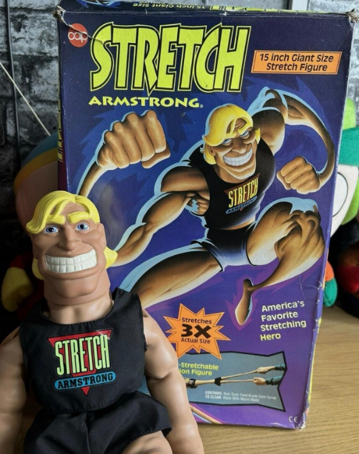
Year one children discussed the photographs sent in from home of their favourite toys and those of their parents.They made comparisons between toys from the past and toys that they buy today. They discussed similarities and differences with what the toys were made from, how they move and work and safety of toys now and in past.
Children also discussed how toys have changed and evolved, like toy cars. They talked about how previously they were made from tin and could only go in straight lines and how they have changed to be able to be remote controlled, made from plastic and use batteries. Children enjoyed a handling session with the toys to explore their properties and how they work.
Local History- Dereham
Year one children have been looking at recent photographs of Dereham and comparing them with photographs from the past. Children did a great job with noticing how Dereham has changed, including transport, roads, signs and clothing. They also noticed some familiar buildings which have not changed very much. ‘I know it’s not my Dereham because my Dereham doesn’t have a parking doesn’t have a parking sign,’ said J. ‘That’s old ‘cos cars don’t look like that,’ said R.
When discussing the history of Dereham and how Dereham got it’s name, the year one children learnt about the story of Saint Withburga. They created their own signs incorporating elements from the story.
Year 2
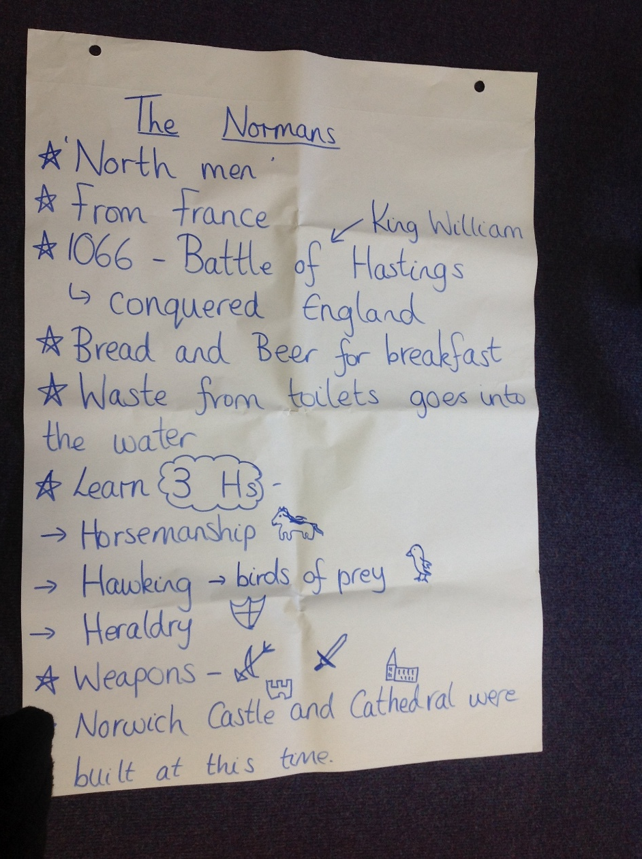
The children began their history learning by learning about the Normans and how they lived in the past. They gathered information as a class about the different way of life.
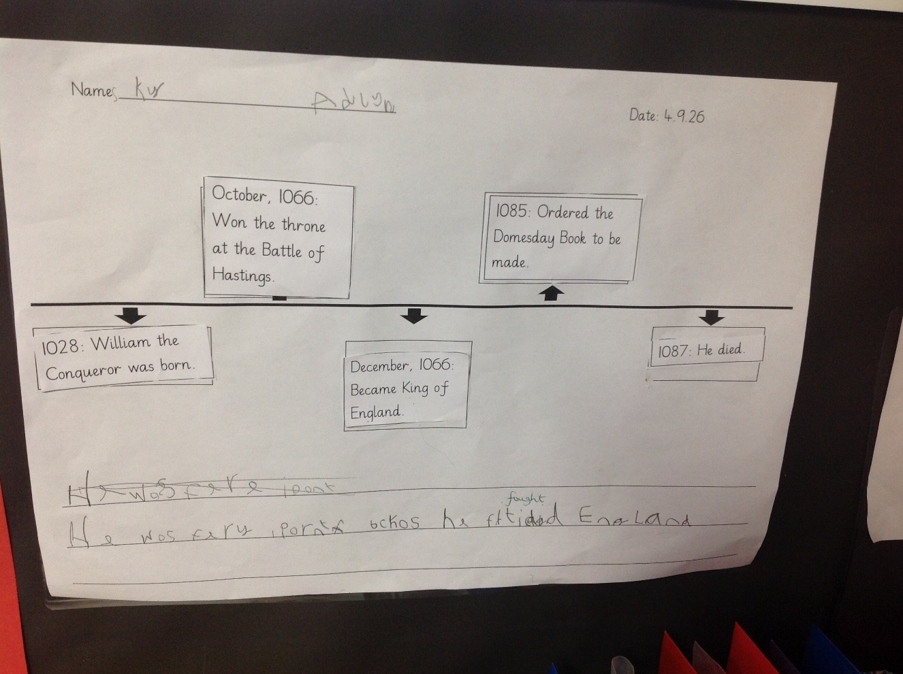
They then learned about the Battle of Hastings and specifically about William the Conqueror who became of the King of England in 1066. They learnt that the Bayeux Tapestry tells the story of the Battle of Hastings.
The children learnt about the significant impact William the Conqueror had on our local area, in particular he ordered the construction of Norwich Castle. Norwich Cathedral was also built at this time and they compared these two historic buildings.
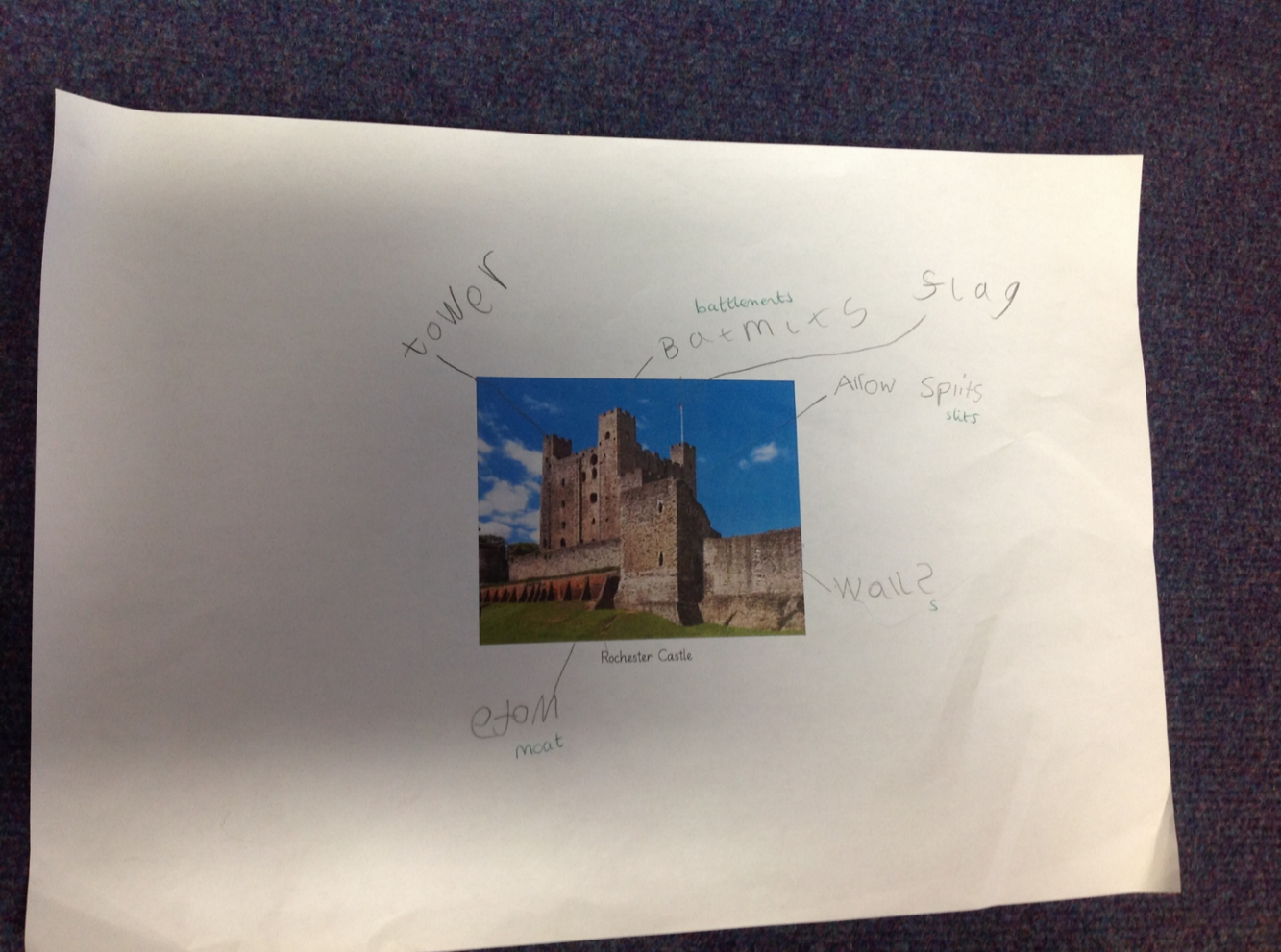
They learnt about other castles around the UK and looked at the different parts of a castle, identifying these on real photos of castles. They learnt about how the different parts helped those inside defend the castle.
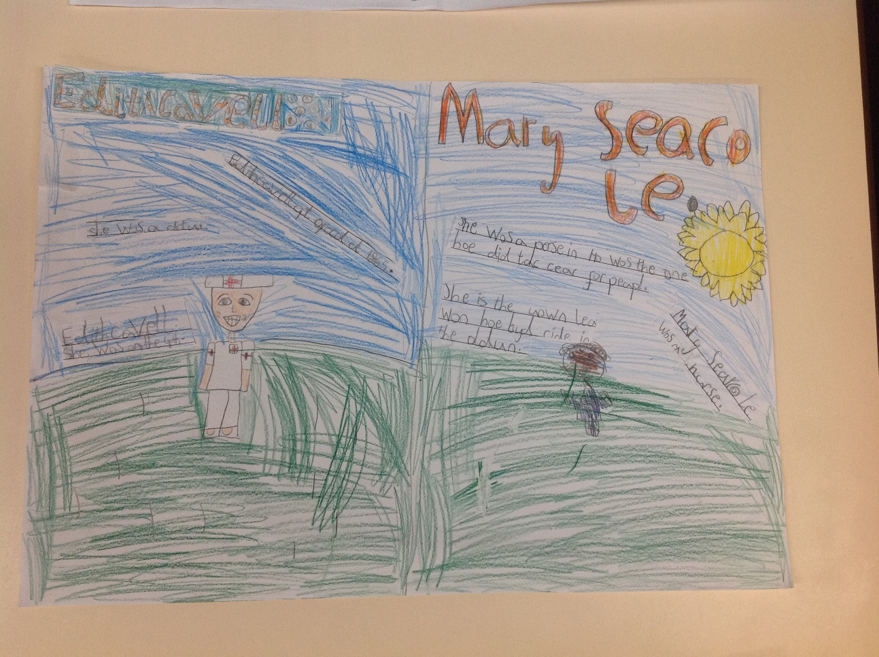
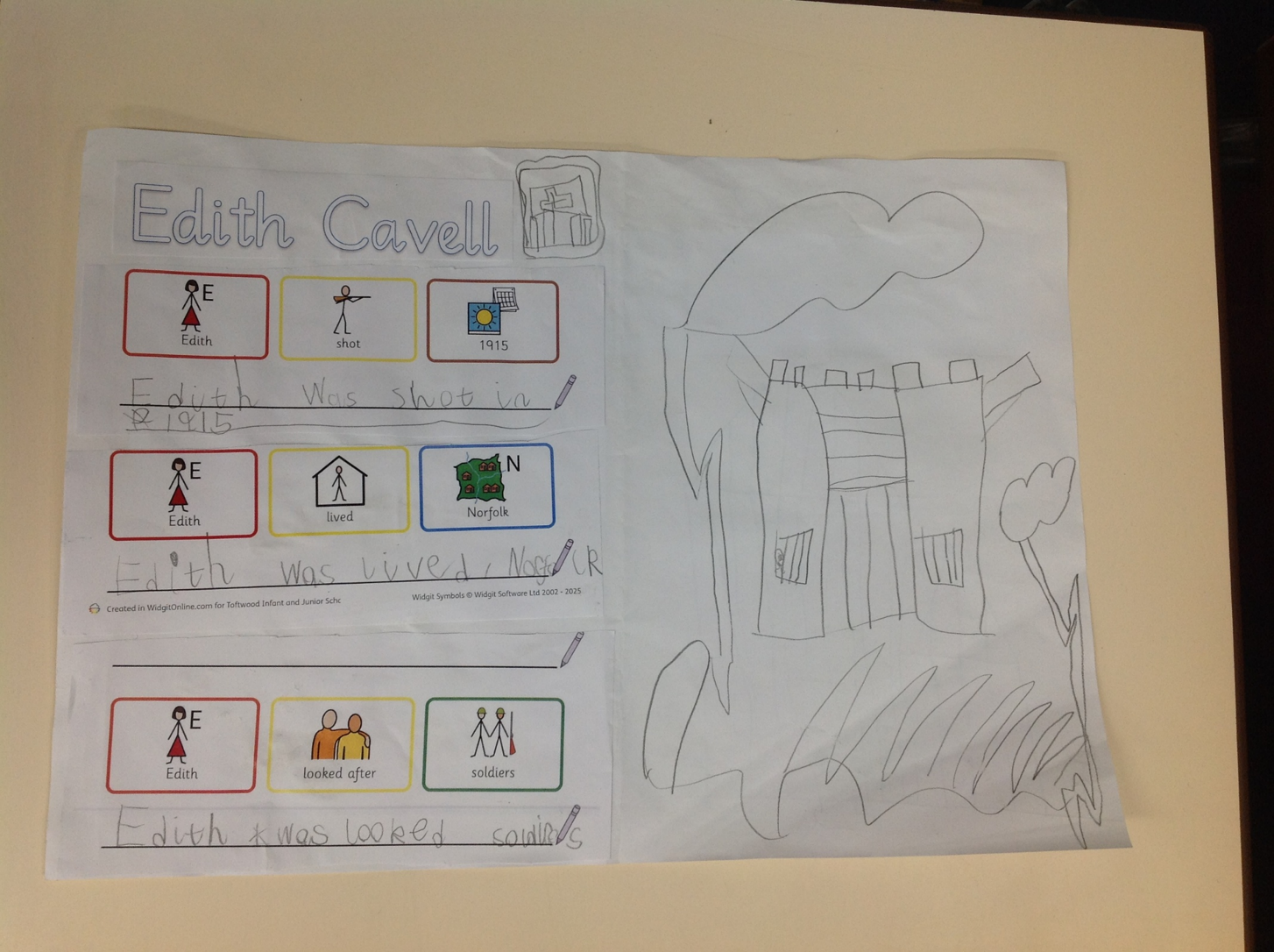
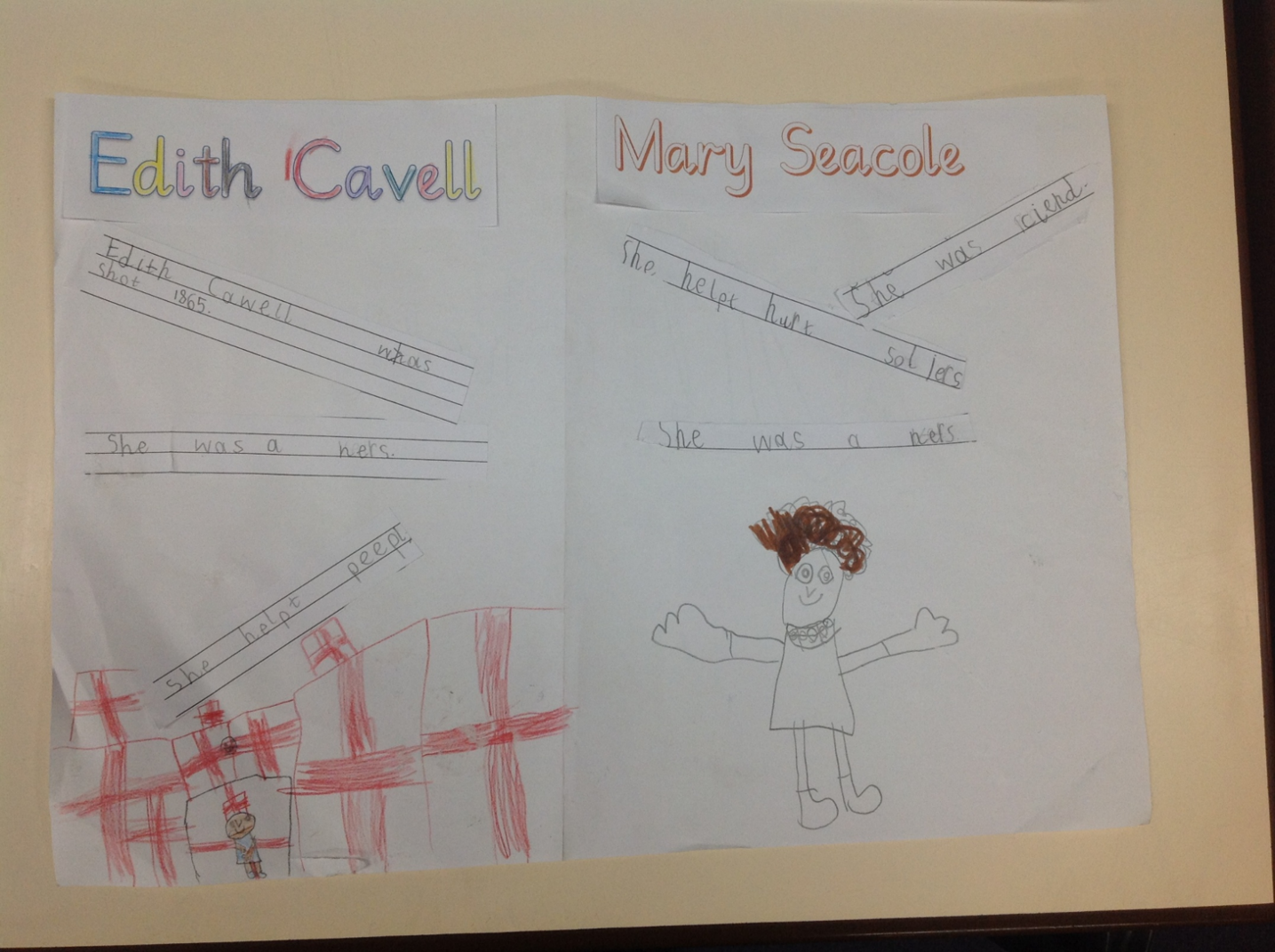
The children also learnt about two famous women in history – Mary Seacole and Edith Cavell. Edith Cavell was born within our locality and the children learnt about there is a statue of her at Norwich Cathedral. The children learnt about the lives of these women and why they were both influential nurses. They created two page spreads about their lives.
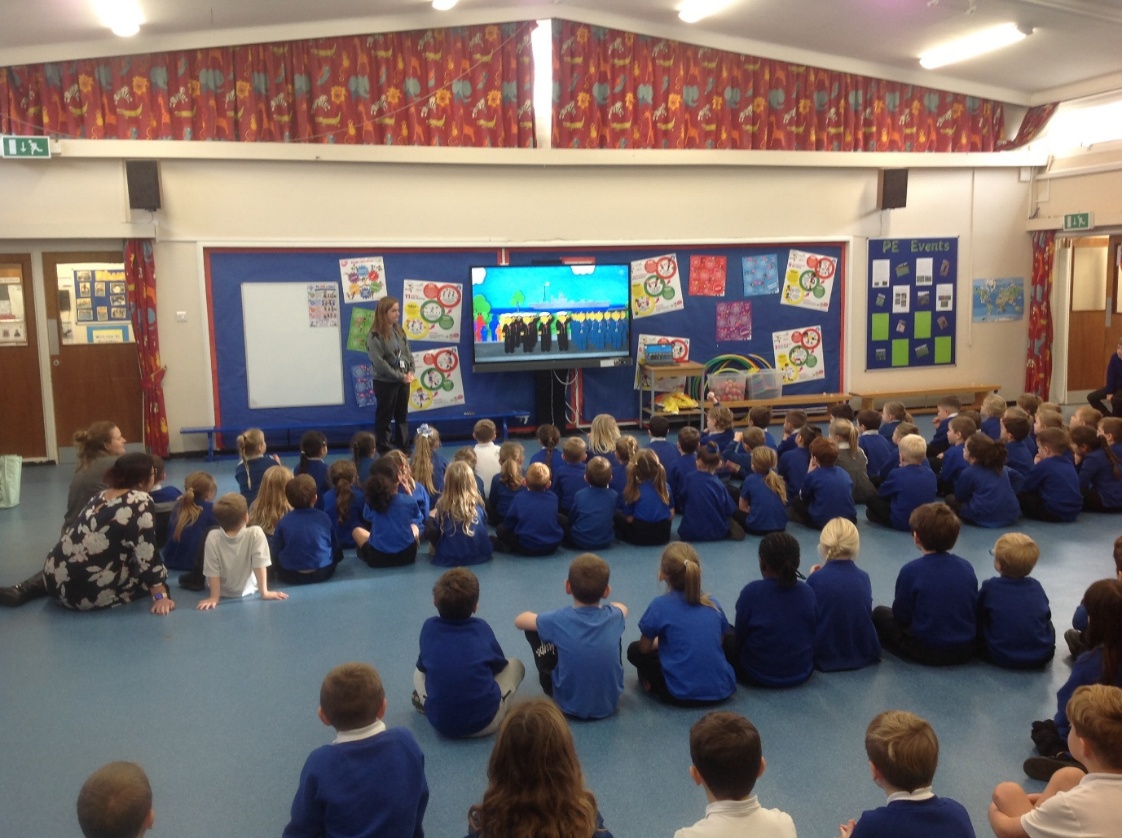
Remembrance Day was marked in an assembly at the Junior School. The children learnt about Armistice Day on the 11th November 1918. At 11 o’clock on that day, nations who were fighting laid down their weapons and this signalled the end of the war (known then as the “Great War”). Today, we know it as the First World War. Armistice is an agreement for peace.
One year later, the first two-minute silence was held. King George V had asked the people of Britain to pause and remember all those who had fought and died in the service of their country.
In in 1920, King George unveiled the nation’s new war memorial called the Cenotaph, where people go to remember the fallen.
The children listened respectfully and with interest. They then participated in a two minute silence.
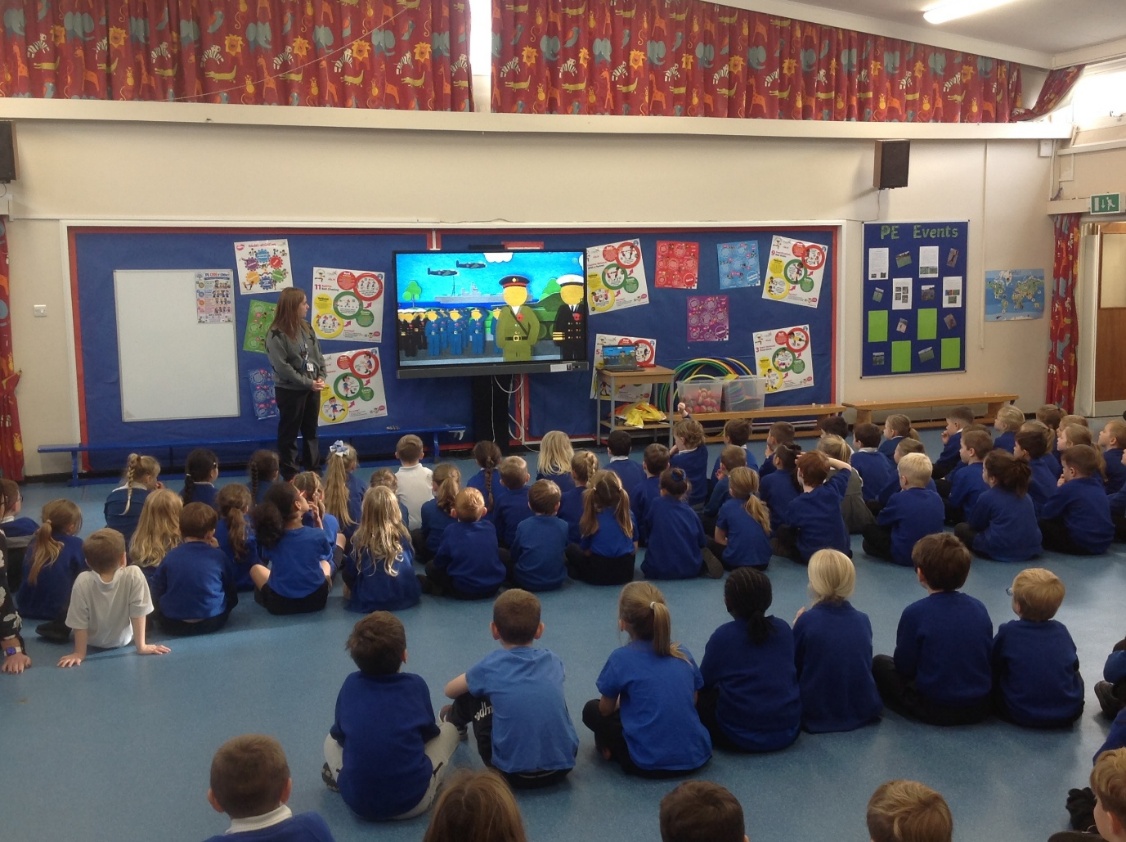
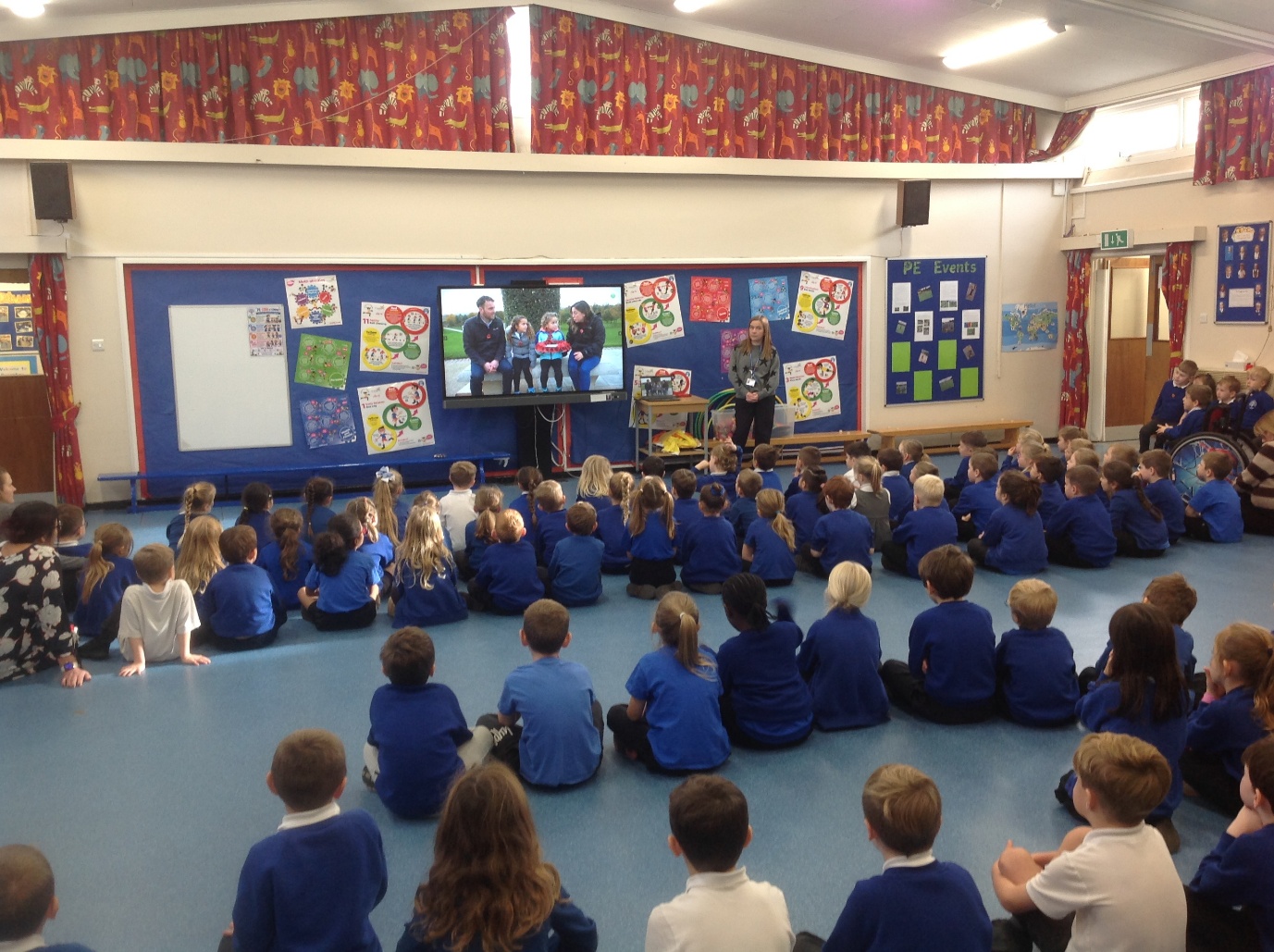
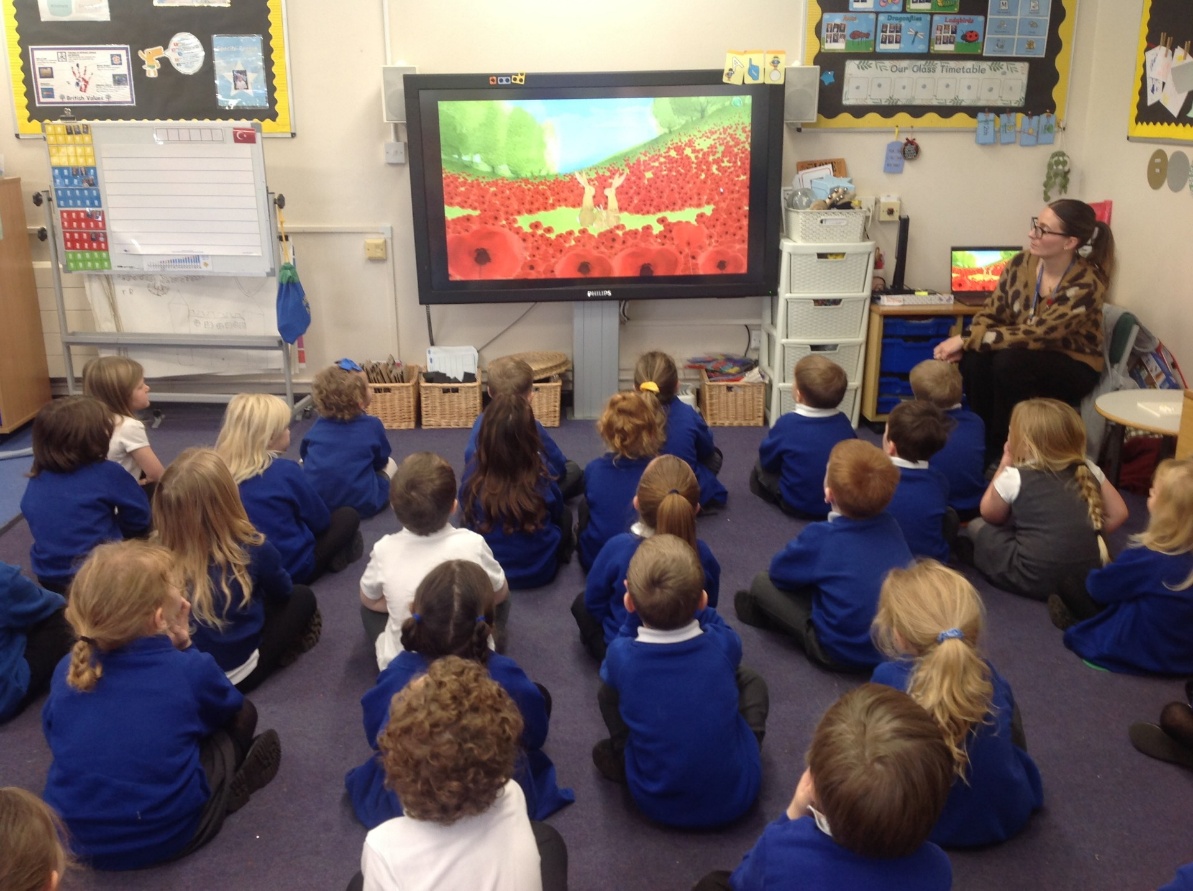
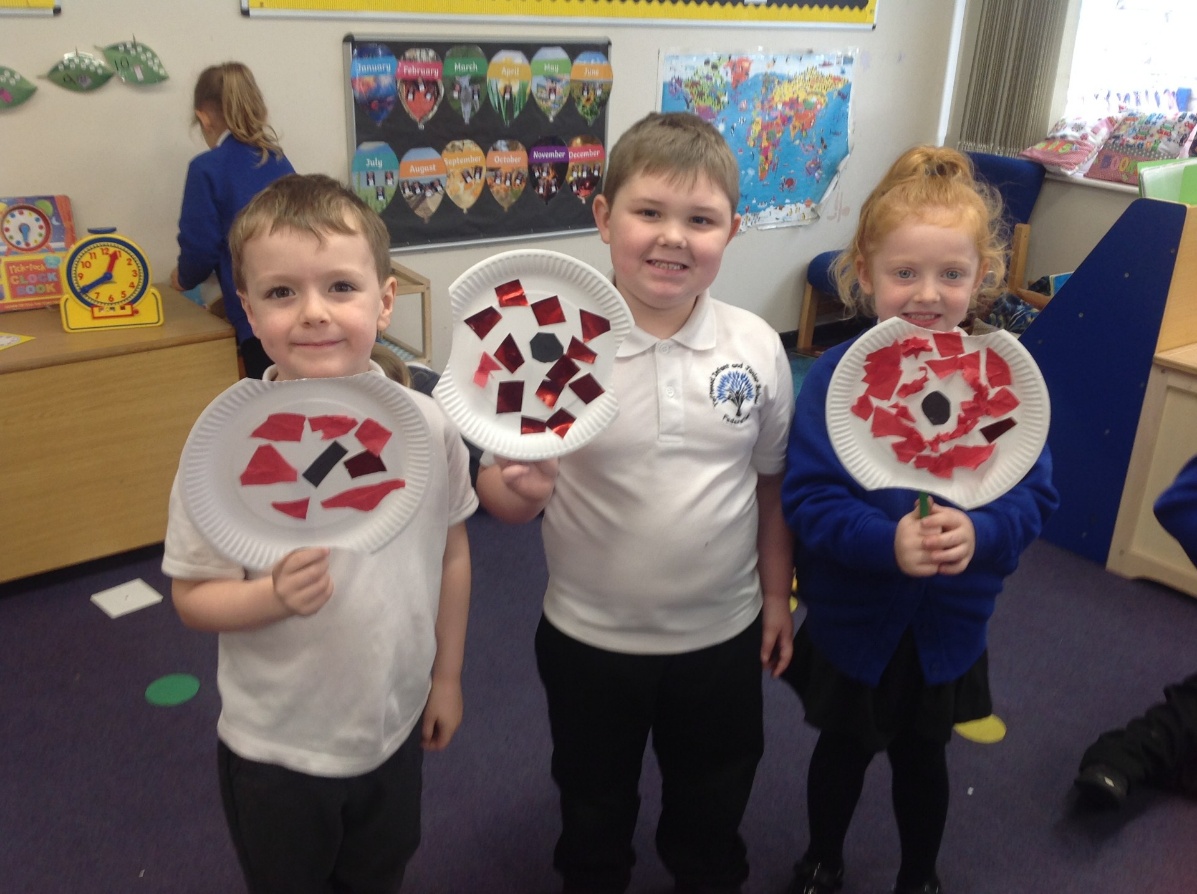
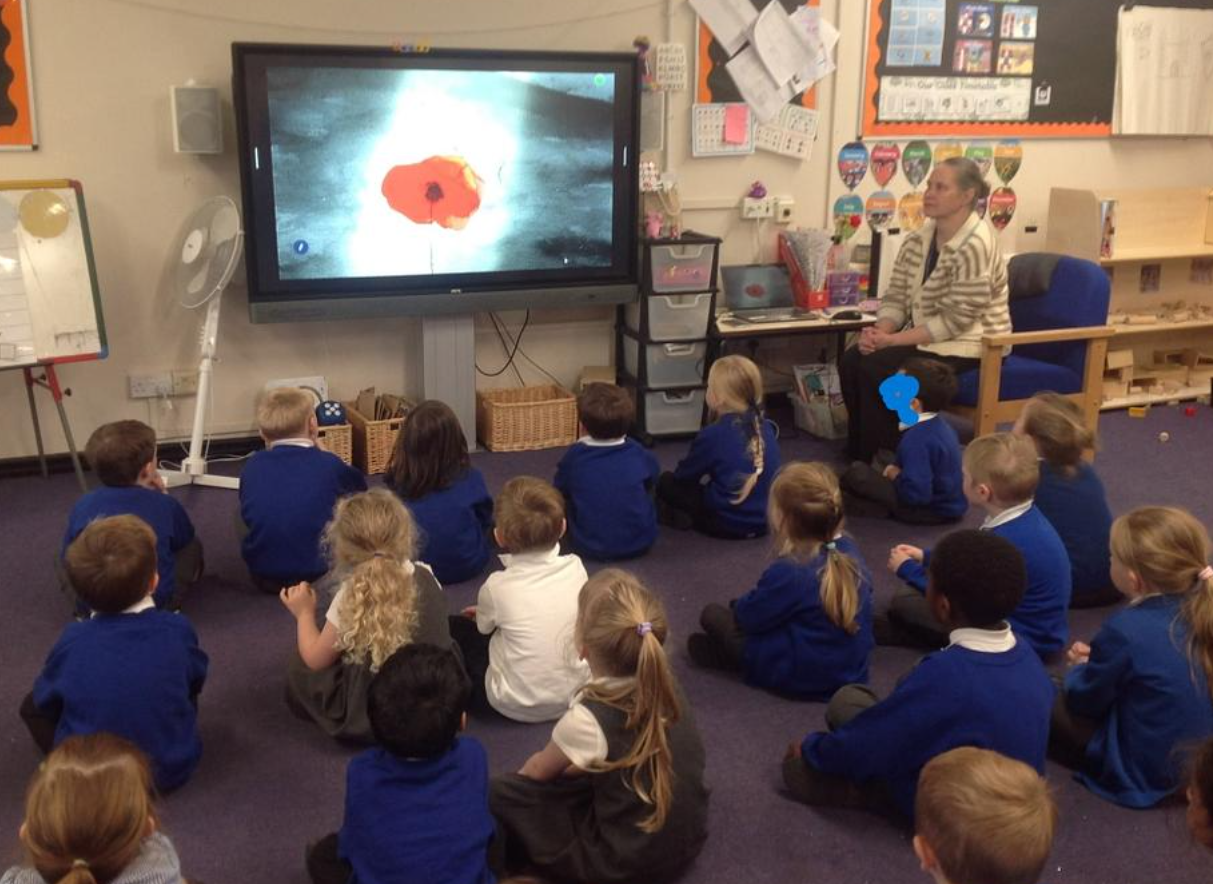
On Wednesday 11th November years one and two at the Infant School met for an assembly just before 11am to watch a short video explaining what we do on Remembrance Day and why. The children were then joined in the hall by the kitchen and office staff to listen to the Last Post and for a two minute silence. After the silence, some of the children shared their experiences of watching the Remembrance Day parade in Dereham at the weekend. They also watched the short Cbeebies animation – Poppies. All the children sat and listened beautifully and were very respectful during the silence. During provision, year one also had the opportunity to create poppy pictures using paint, as well as Remembrance Day word searches and colouring.
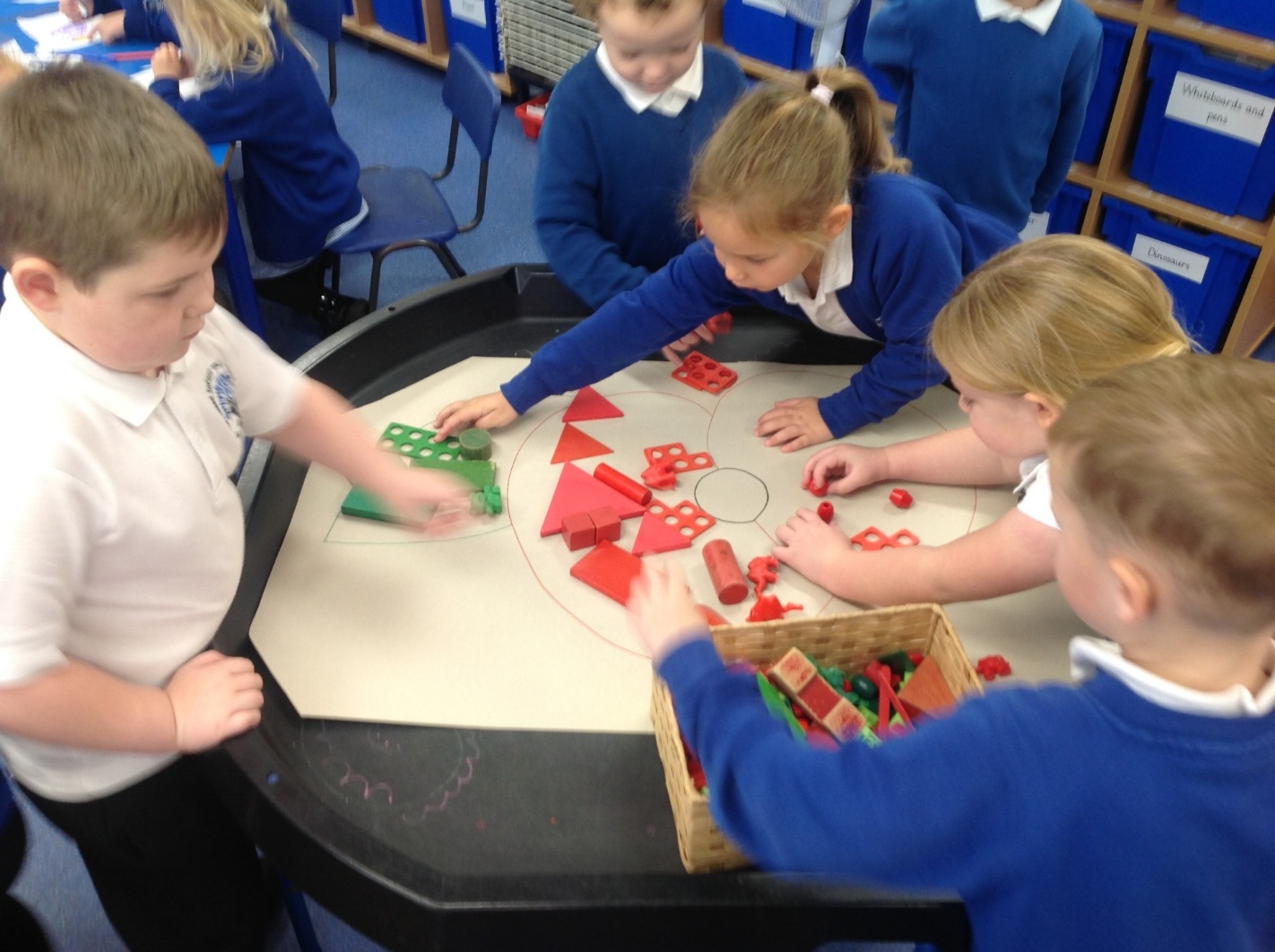
Reception classes found out about Remembrance Day. They watched the short Cbeebies animation – Poppies, as they completed their two minute silence. Reception children had the opportunity to create a giant poppy with loose parts and make poppies using a variety of materials.
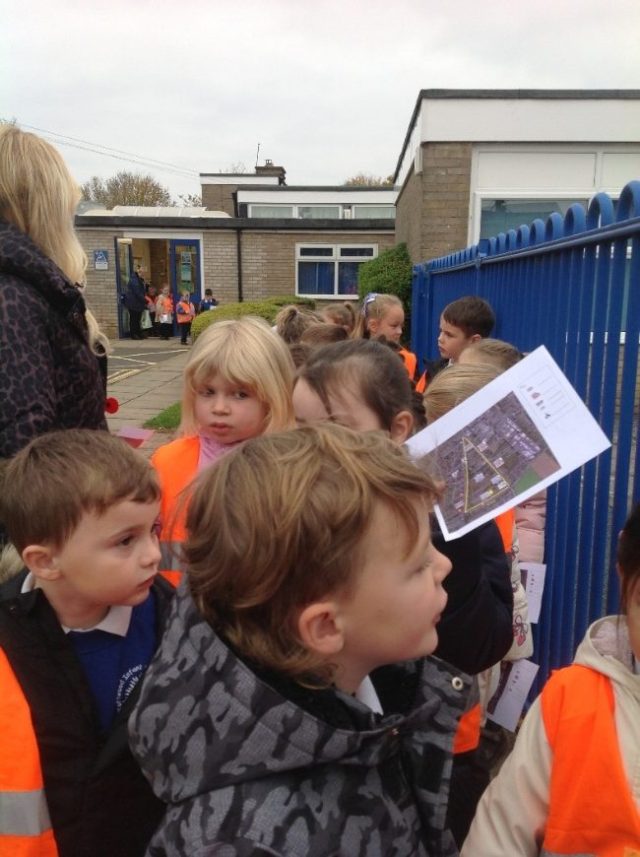
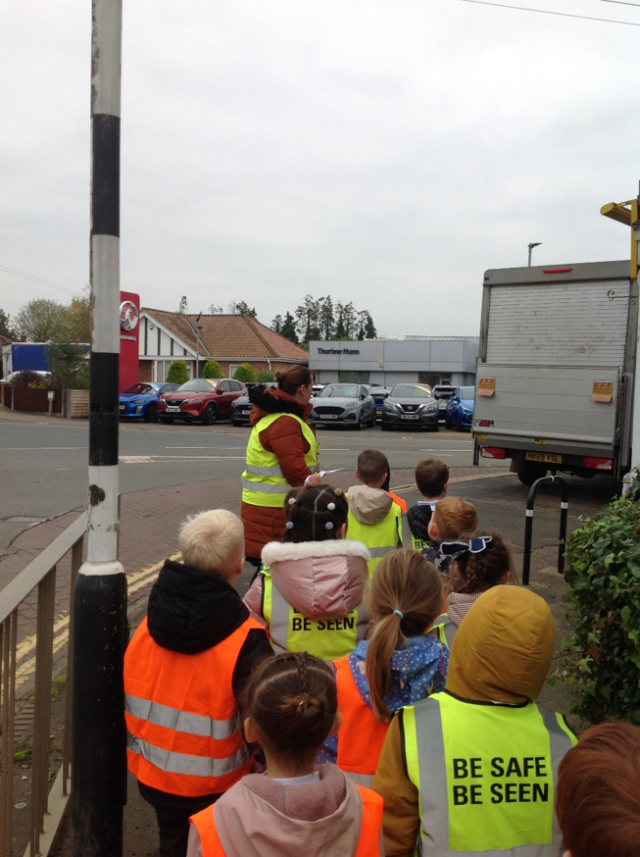
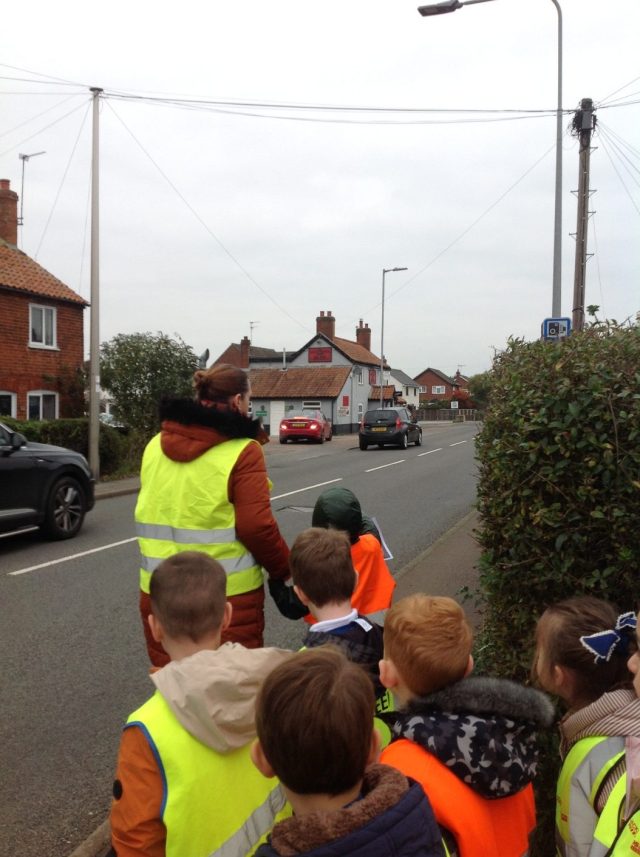
The children in year one have been exploring the local area of Toftwood. They began the week by looking at photographs and aerial maps of the local area to see what they could see and talked about the different things they knew about Toftwood. They looked at the route they would be taking and the map symbols.
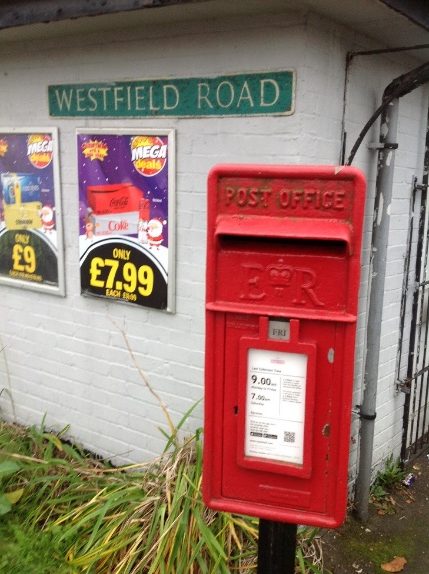
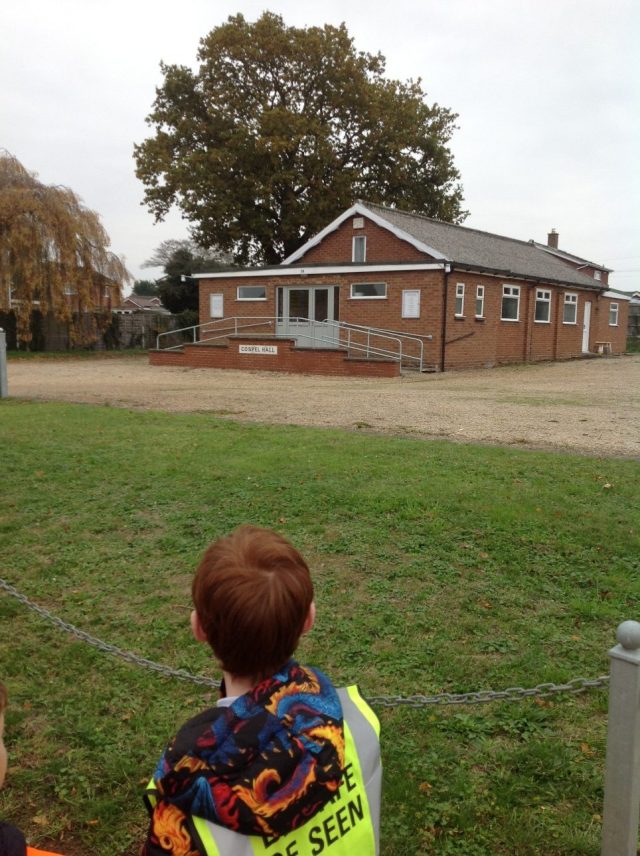
On Friday, the children went on a walk around Toftwood and identified different features in their local area including shops, chuches, houses, the village hall. They had their own maps and identified different places on the route. When the children returned to class, they recalled what they saw and talked about experiences of these places. ‘That’s the hall where I go to Rainbows,’ said G. ‘Here is Toftwood Junior School and that is the park I go to,’ said J, as he pointed to the features on the map. ‘That’s the pub where I go to Halloween and they have lots of balloons and it’s sort of like a cafe,’ explained another child.
In October, children across the federation have been learning about Black History Month. Key stages one and two began the month with a Black History Month assembly to celebrate the achievements of Black people in the past and present. They talked about how not everyone has always been kind and shown respect for others in the past. They have not treated people fairly or in the right way. This has sometimes been because of the way someone looks or where they come from. This has meant that in the past lots of people didn’t know about all the amazing things that black people had done. They were often not mentioned in history books, television shows a bout the past or even in school history lessons.
Reception children shared the story ‘Coming to England’ by Floella Benjamin. This is an inspirational true story about the triumph of hope, love, and determination of Baroness Floella Benjamin’s journey from Trinidad to London.
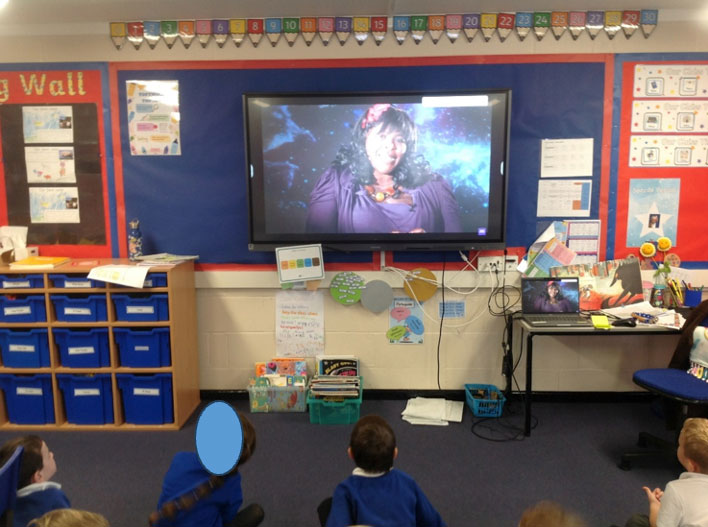
Year one children learnt about the life of the space scientist Dr Maggie Aderin-Pocock. Maggie (who is dyslexic) explained why being different is no barrier to success if you are passionate about something.
Year two children shared stories and information books about a selection inspirational black people. They also found out about the life of Mary Seacole, a nurse from Jamaica. She came to England following a calling, wanting to serve as a nurse in the Crimean War. When asked what Black History month was, a child in year two commented ‘Significant black people so we can celebrate them’. ‘Everyone’s different in a different way,’ said H in year two.
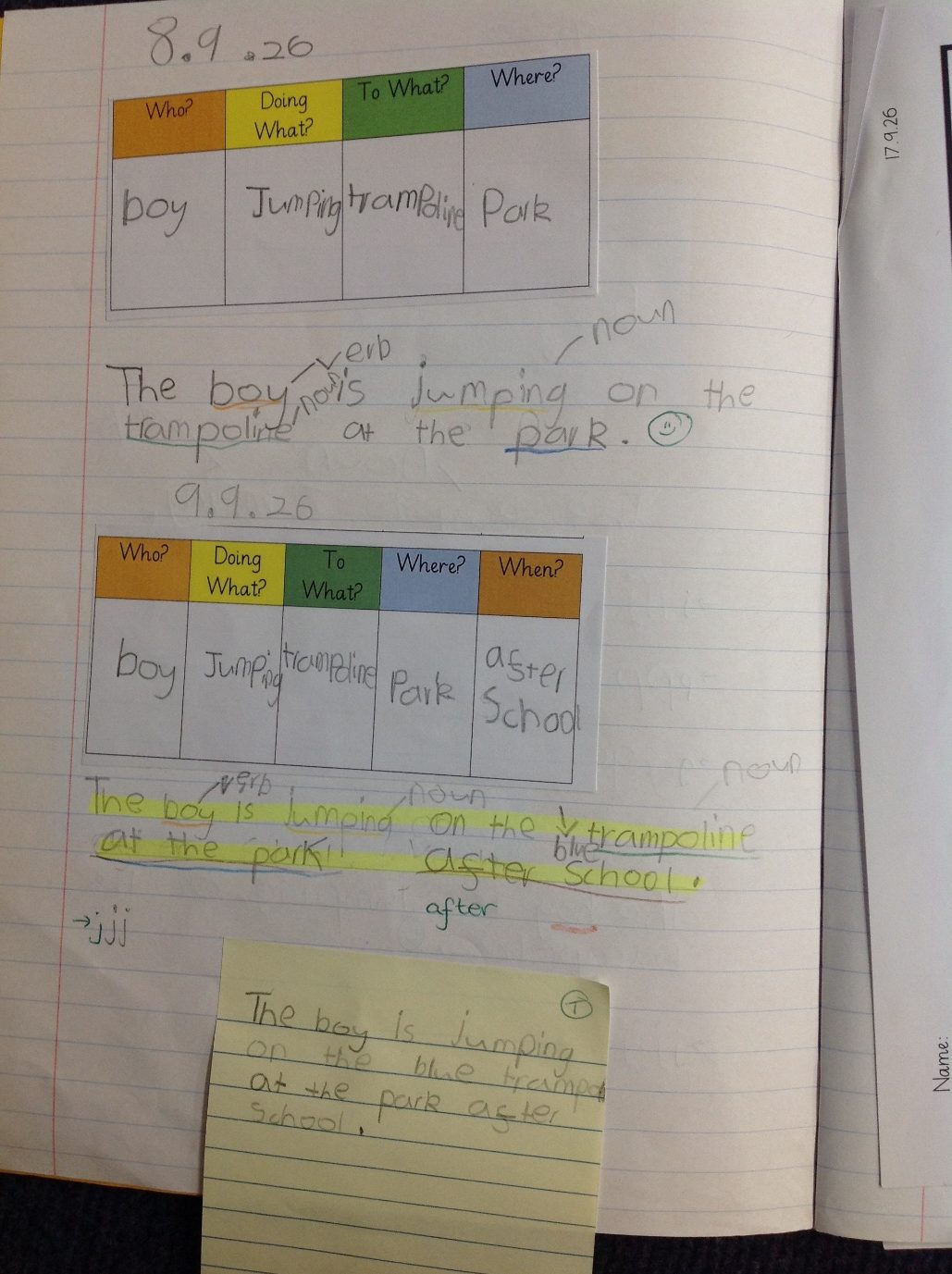
This half term in English, the children have been solidifying their knowledge of sentence writing. They have been using colourful semantics frames to build sentences and ensuring they remember capital letters, full stops and finger spaces. They have then been editing and improving these with the support of an adult.
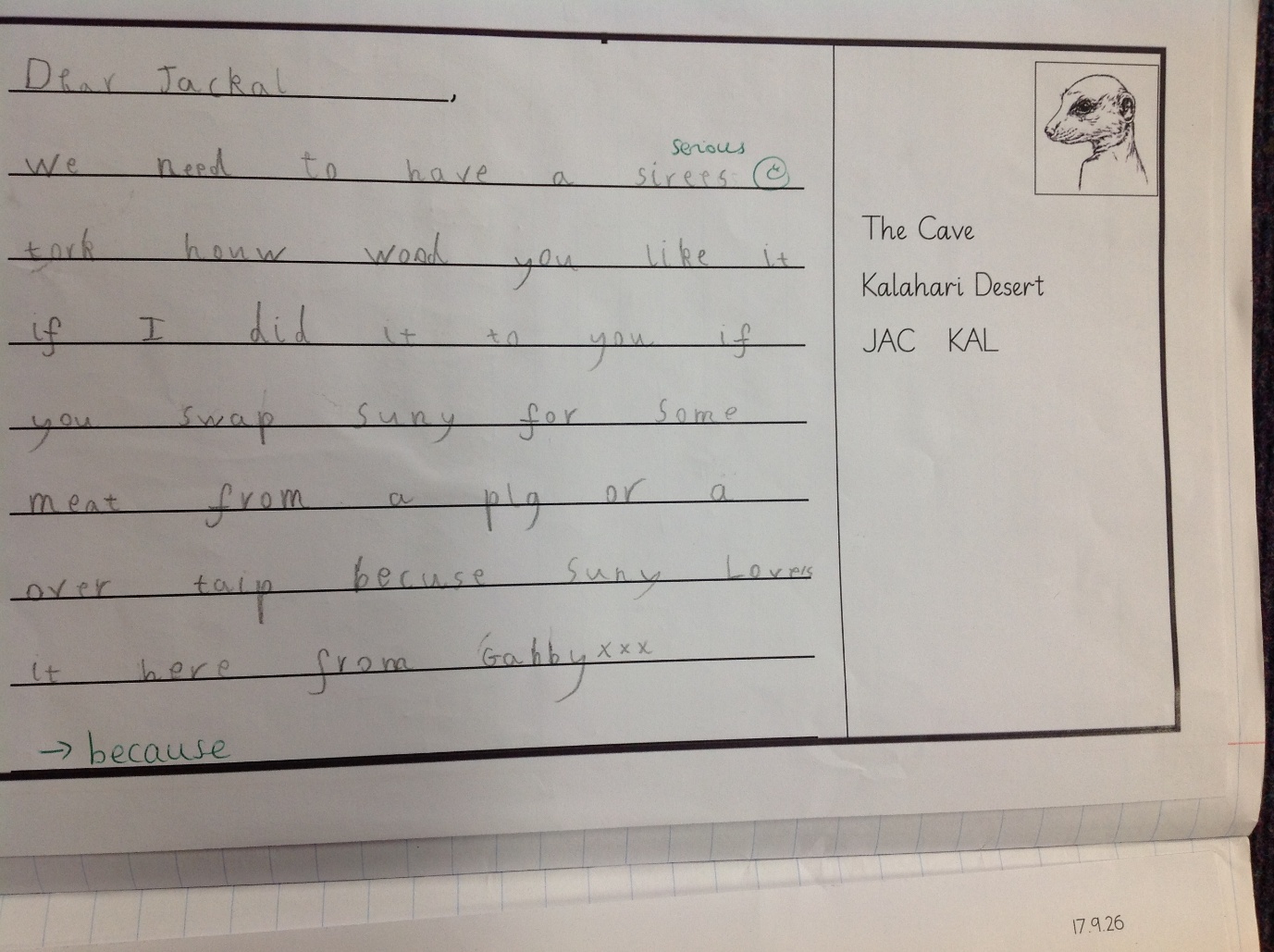
The children enjoyed reading the high quality text ‘Meerkat Mail’ by Emily Gravett. This book is written in postcards, which gave the children inspiration for writing their own postcards to Sunny the Meerkat’s family and to the jackal.
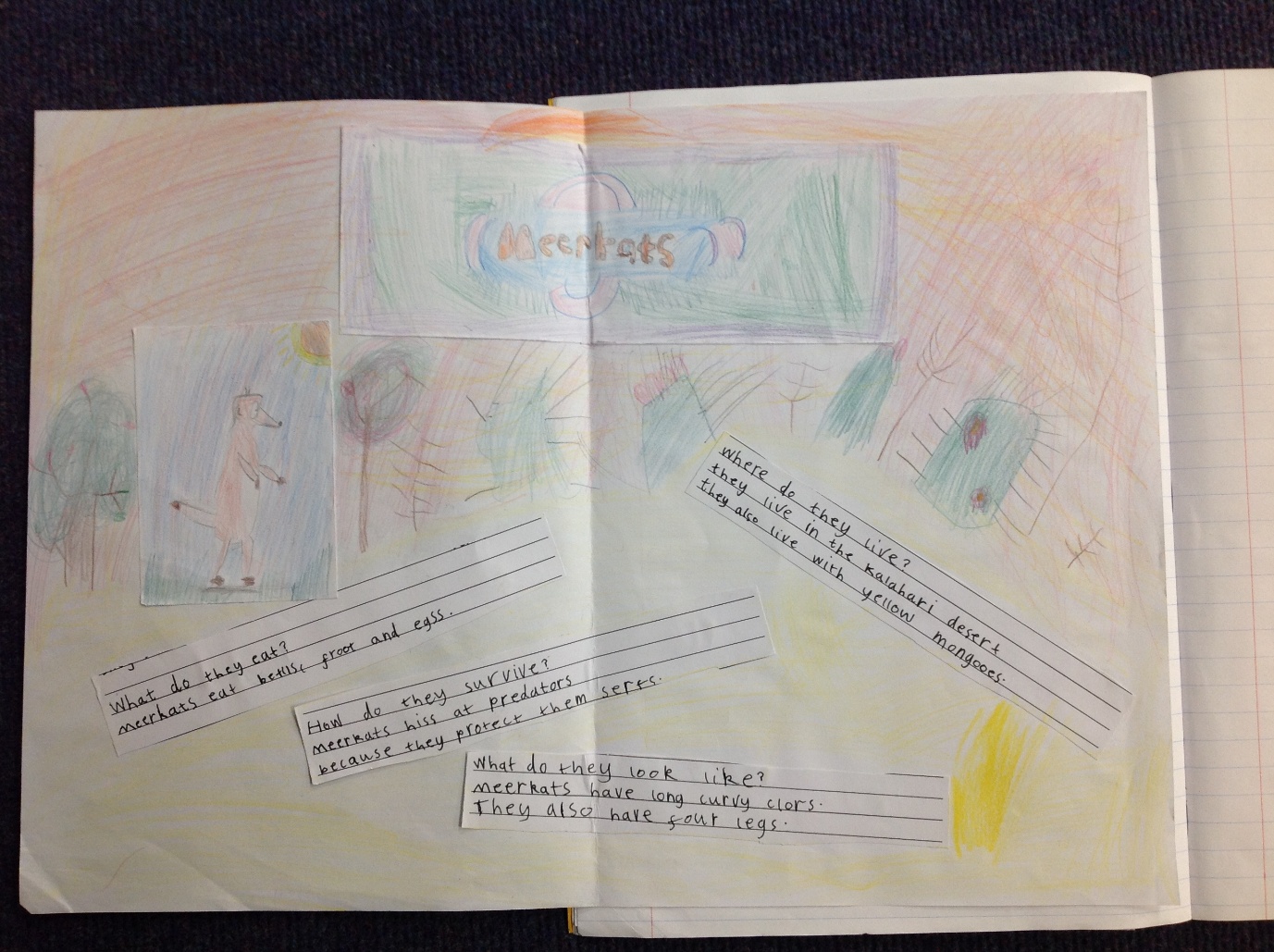
They also researched meerkats and wrote fact files about them. They used this information to create some lovely two page spreads to display their meerkat facts.
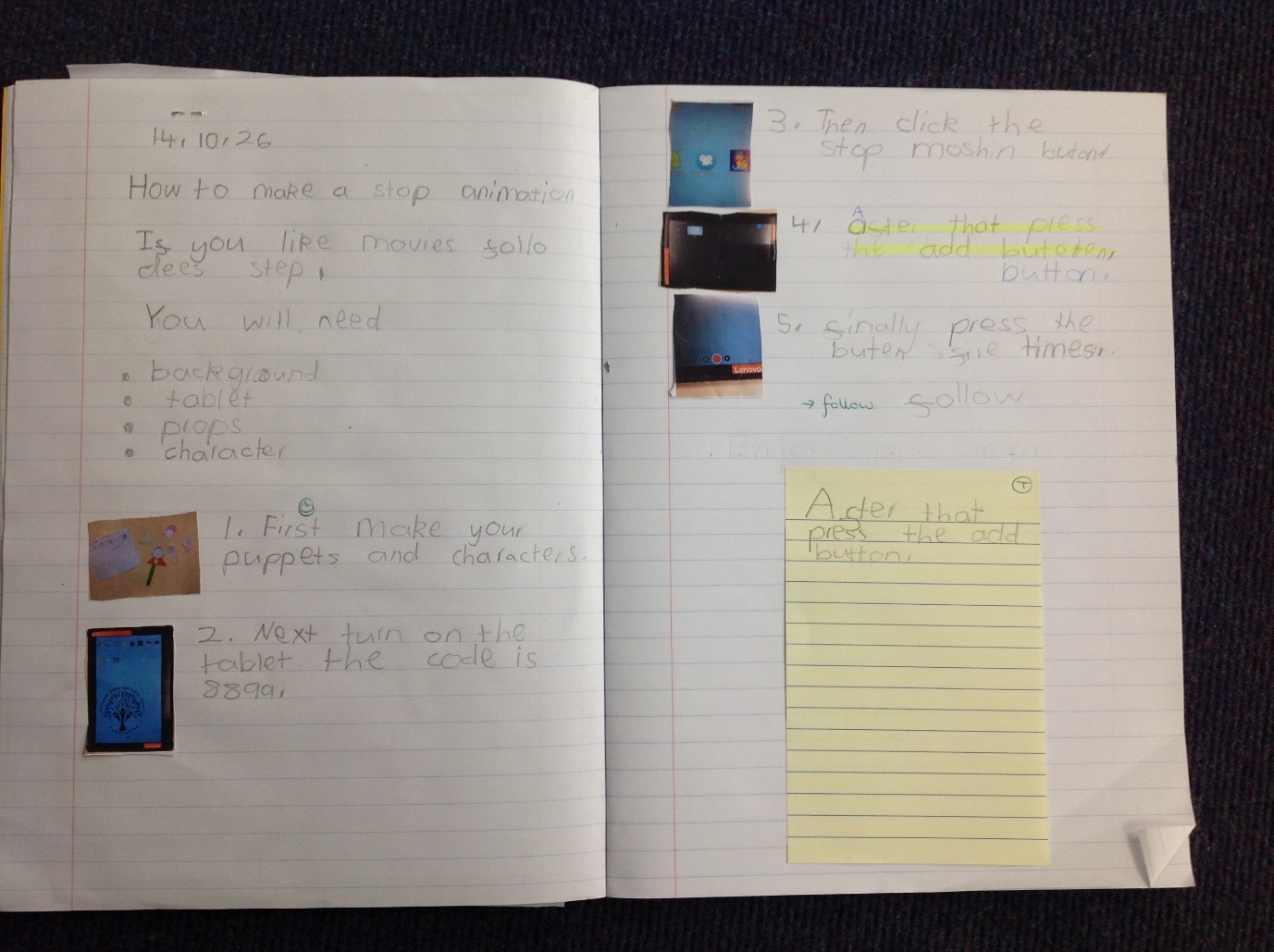
They finished the half term by learning about instructions and following instructions to create a super hero. They used their super hero characters to write comic book stories and then brought these to life using a stop animation app on the tablets.
Using this experience they wrote instructions for how to create a stop animation movie, remembering all the features of instructions that they had learnt about.
The children have worked really hard this half term. We have been using colourful semantics to create our sentences, ensuring we remember capital letters, finger spaces and full stops. We have built up our sentences each week, using a range of pictures, experiences and texts to inspire us.
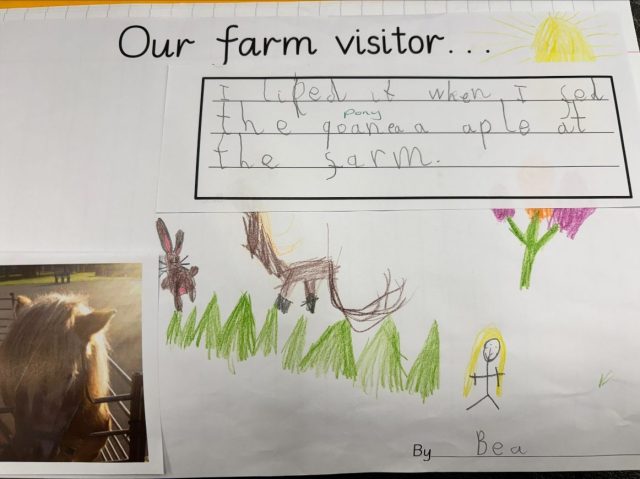
One of these experiences was a farm visit by Wycomb Farm; the children wrote about something they did during their visit.
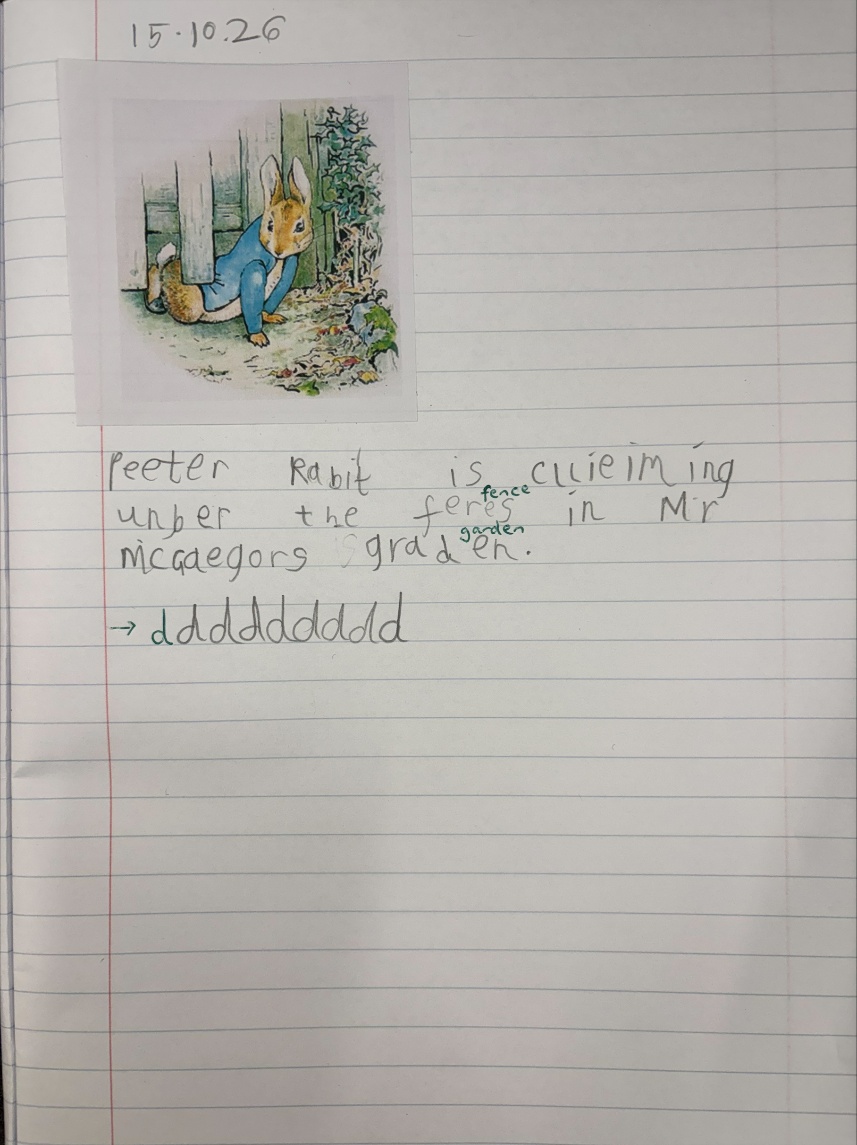
The children finished the half term by using the story of Peter Rabbit to write sentences.
In Reception we have been so busy in our first half term at school!
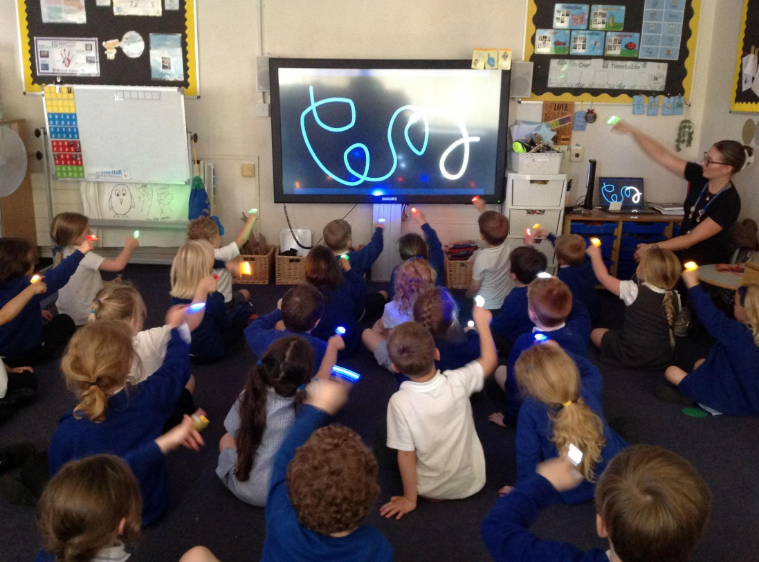
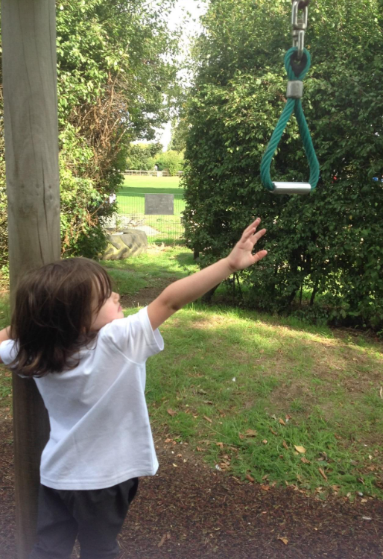
The children have been getting used to their new learning environments both inside and outside. They have been excited to explore our climbing frames, bikes, monkey bars and digging pits to strengthen the muscles in their shoulders, arms, wrists and hands to help with their mark making! They have also had so much fun using the finger lights to trace large shapes to warm up our bodies before having a go at drawing lots of lines, curves and crosses.
We have especially been working really hard at recognising our names on our own belongings and we are now beginning to write our own names, using the formations we have learned in our phonics sessions.
We have also read lots of stories, practising our super listening and attention skills and contributing to discussions about how a character might feel or predicting what might happen next in a story.
In phonics we have learned lots of new single sounds through stories, actions and songs. We have also been working hard to hear the initial sounds of lots of familiar words. We have even started using robot arms to help us blend sounds together to read words.
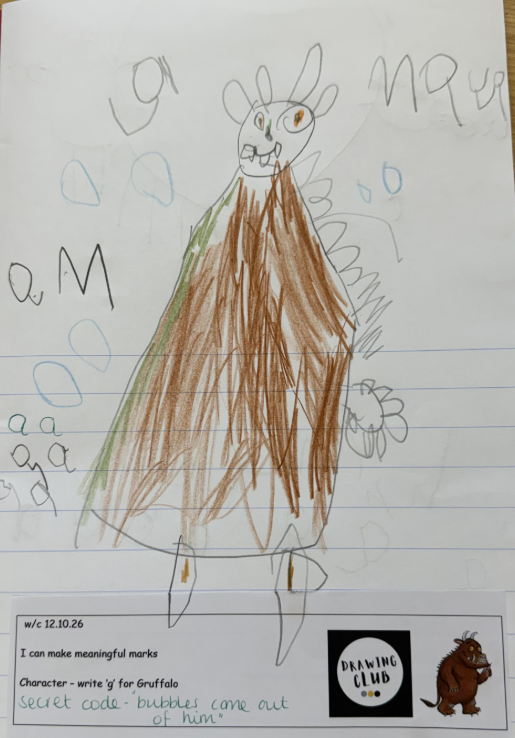
In ‘Drawing Club’ we have been busy learning new vocabulary, drawing characters and settings, using our imagination to create new adventures and making passwords and secret codes to hide in our work. We have enjoyed looking at the books ‘Owl babies’ and ‘The Gruffalo’, traditional tales such as ‘The Ugly Duckling’ and ‘The Enormous Turnip’ and watching clips like ‘The Wombles!’
This term we have used question dice during our daily snack circle time to begin conversations around manners, kindness, friendships and problem solving. The children have confidently shared their own experiences or suggestions of what they would do in each scenario. This has continued into provision where the children have shared with teachers if they have shown kindness to a friend or successfully taken turns in a game.
We have also started to talk about the transition to Year 1. We have shared the new teacher profiles and been to visit the classrooms. The children have had time to think of any questions they have and to share any emotions they are feeling about the upcoming change. We have also shared stories in class that link to worries and that a worry shared may then feel less daunting. We have revisited who the children can speak to in class and at home about their emotions.
Year 1
Over the summer term the children in year 1 have been focusing on ‘Physical Health and Mental Well-being’ ‘Growing and Changing’ and ‘Keeping Safe’.
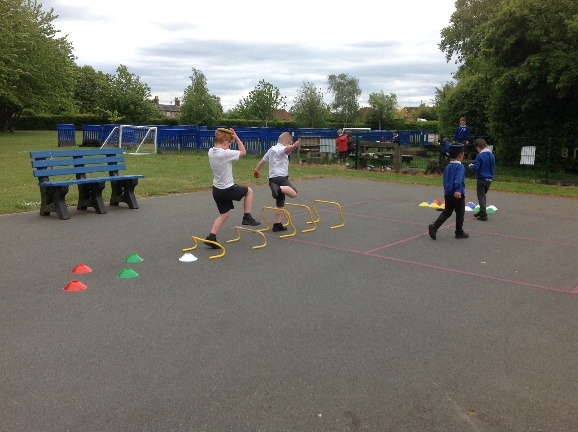
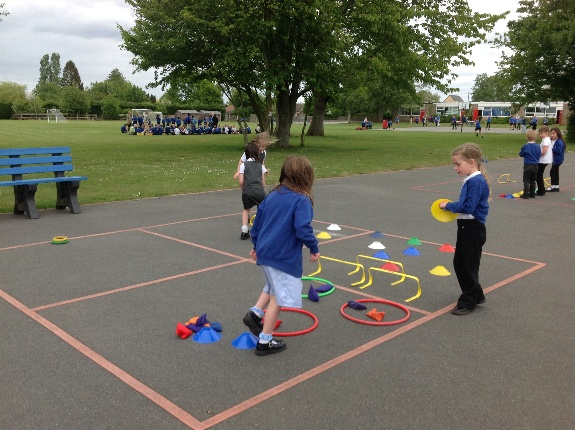
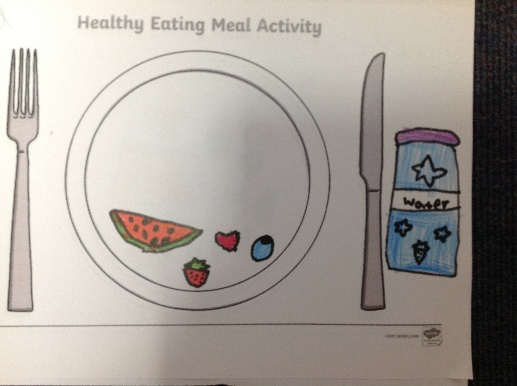
The children learnt what it means to be healthy and why it is important. We looked at diet, sun safety, exercise and also personal hygiene. During this unit the children had the chance to become sports coaches and design their own set of exercises. The children worked in groups to create their exercise station and then demonstrated it to the class.
As well as learning about physical health we also discussed our mental well-being. We learnt about the importance of play and making sure that we get a good balance of the different types of play to support good mental health.
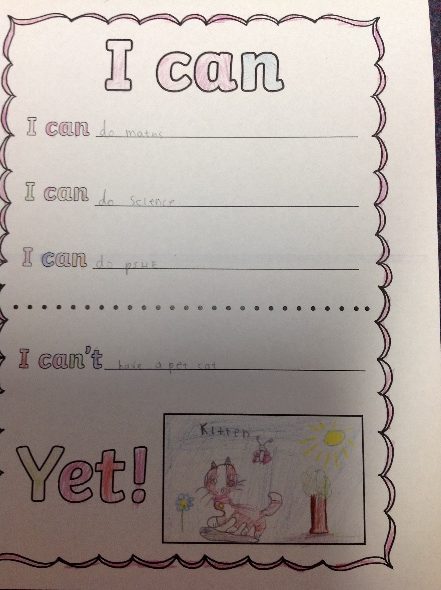
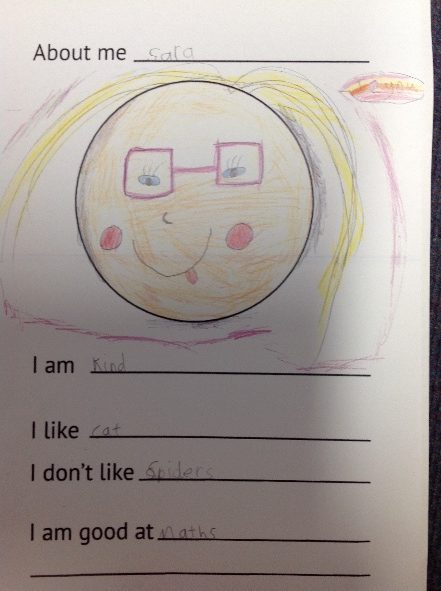
We talked about being unique and spent some time thinking about our likes, dislikes and the things that we are good at. We moved on to discussing growth and change, giving ourselves compliments for the talents and skills we already have. We then set ourselves goals for the future and discussed having a growth mind-set to help us achieve those goals.
At the end of the term we finished with a unit on keeping safe, discussing rules, age ratings and who we would go to if we had a problem either online or in our everyday lives.
Year 2
This term in PSHE the children have been focusing on ‘Physical Health and Mental Well-being’ ‘Growing and Changing’ and ‘Keeping Safe’.
The children have thought about positive habits such as sleep and rest and why these are important for growing and keeping healthy. They have also used role-play to explore the ways doctors can help us to be healthy through vaccinations, medications and managing allergies.
The children have also learnt about the human life cycle, including how humans grown from young to old and how our bodies change as we grow up. They have also discussed the correct scientific names for body parts, including external genitalia.
The children have also been discussing change and how althought this is scary, it should be embraced!
Finally we have discussed road and rail safety, as well as maintaining safety in familiar and unfamiliar enviornments.
Year 3
This term, children have been developing their understanding of how to stay healthy, safe and confident in everyday life.
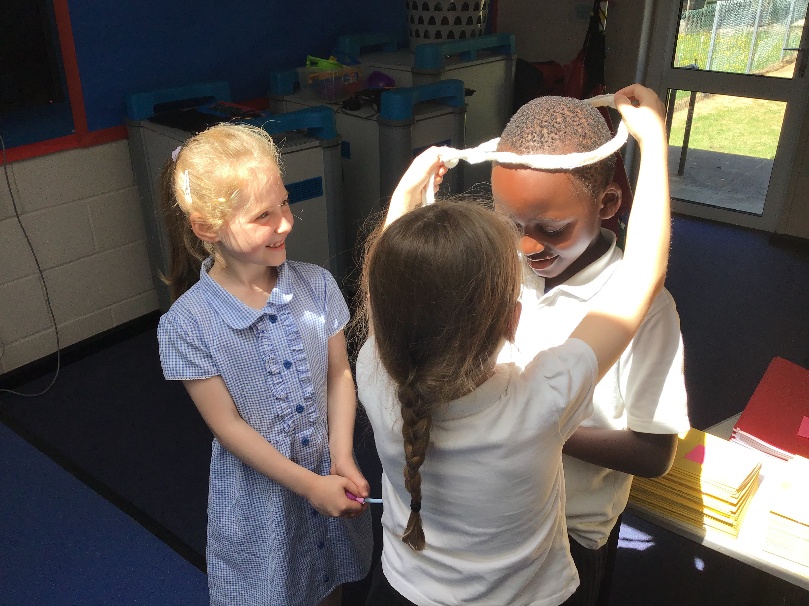
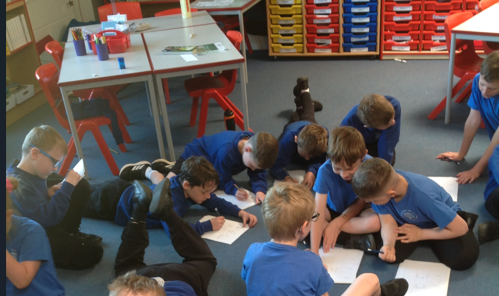
They explored how both healthy and unhealthy choices can affect their bodies, building on their knowledge of why sleep and rest are important. Pupils also learned about the positive impact of a balanced lifestyle and began to identify key factors that support overall wellbeing.
In lessons, children learned to recognise how people show their feelings and understand that emotions can change over time. They also began to develop simple strategies to help manage these changes as they grow.
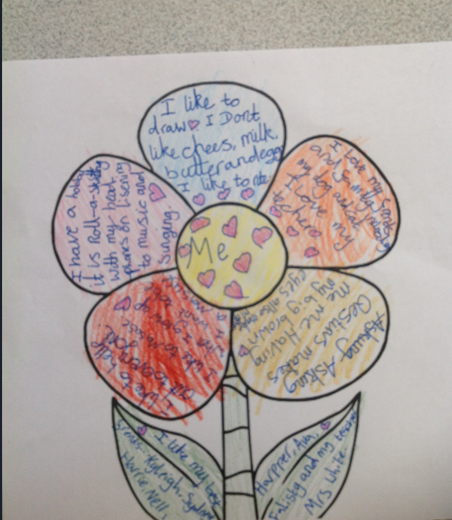
Children celebrated their individuality by recognising that everyone is unique. They identified their own strengths, interests and achievements, and discussed ways to approach and overcome challenges with confidence.
Finally, pupils focused on staying safe by learning to recognise hazards at home and school, understanding the importance of following rules, and exploring how to manage risks. This included learning about fire safety and how to stay safe when navigating unfamiliar places
Year 4
This term in PSHE, the children have engaged thoughtfully in learning about key aspects of personal development and wellbeing. They have explored the importance of good personal hygiene and developed an understanding of the changes that occur during puberty in a sensitive and age-appropriate way. In addition, children have learned how to stay safe by identifying safe and unsafe medicines and substances that may be found in the home. These lessons have helped to build their confidence, awareness, and ability to make informed, responsible choices for their health and safety.
Year 5
At the start of the summer term we were looking at careers and different paths into each career. The children learnt how going to university or college is not the only way into a career and that depending on the job, you can do apprenticeships or gain experience via work experience. The children were very interested to learn about different jobs and routes into them.
We then looked at how to keep yourself safe, this included physical and mental wellbeing; and learning about allergies and what to do if someone has an allergic reaction. The children have also loved learning some basic first aid tips and how to stay safe in certain situations such as on Bonfire Night.
Year 6
During the Summer Term, Year 6 pupils followed the PSHE curriculum in line with the National Curriculum and statutory Relationships, Sex and Health Education (RSHE) guidance. Lessons focused on supporting pupils’ emotional wellbeing, personal development, and understanding of relationships as they prepare for the transition to secondary school.
Children explored positive strategies for managing feelings and emotions, the importance of seeking support from trusted adults, and the habits that help maintain good mental and physical wellbeing. They also learned about change and transition, including how significant life events can lead to feelings of grief and how relationships may change as they grow older.
As part of the Year 6 RSHE curriculum, pupils developed an age-appropriate understanding of human reproduction (including consent), we also looked to build an understanding of how pregnancy occurs, and how it can be prevented through contraception. They also discussed the responsibilities of parenthood and how having a baby can change a person’s life.
Throughout these lessons, pupils demonstrated maturity, respect, and thoughtful engagement with sensitive topics, helping to prepare them for the opportunities and challenges of adolescence and secondary education.
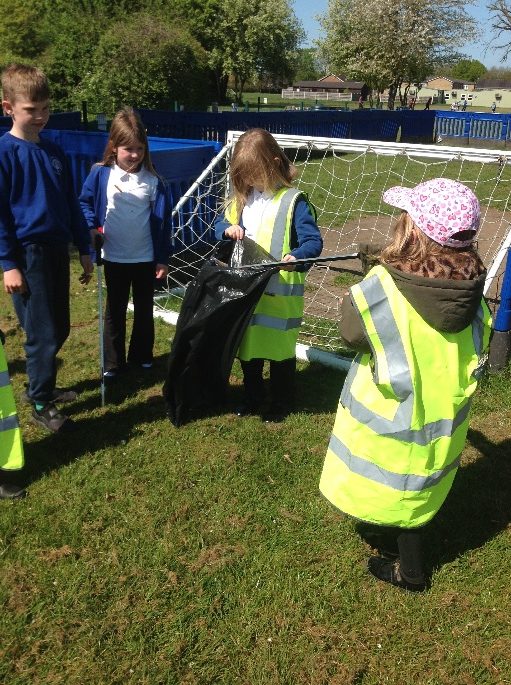
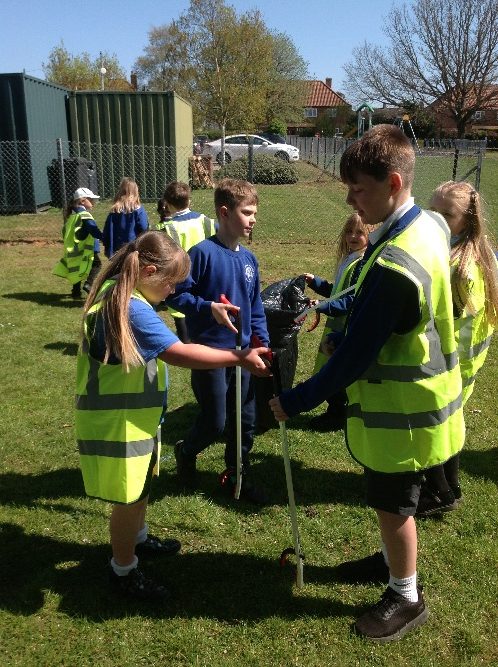
The Federation School Council have had a busy term looking after our school environment. During our fortnightly meetings the children discussed the various things we do as a school to care for the environment and why it is important. As part of our discussions it was raised that unfortunately lots of litter from the street can blow into the grounds of our school. This not only makes the school look untidy but could also harmful for the large variety of wild animals that live in our school grounds. This term we have had a family of ducks, hedgehogs and oystercatchers. The council decided to do some regular litter picks to help resolve this issue.
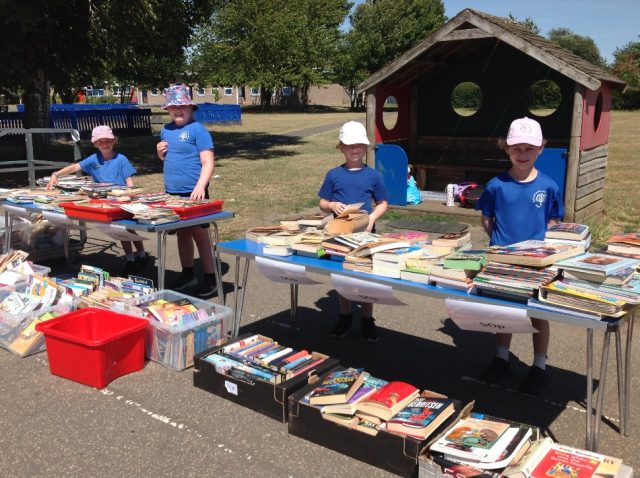
In summer 2 we had our annual book sale on the playground after school and over a lunch break. The school council were tasked with organising the books, pricing them up and helping on the stall. Well done to all the children involved.
We use cookies to ensure that we give you the best experience on our website. If you continue to use this site we will assume that you are happy with it.

 They explored how both healthy and unhealthy choices can affect their bodies, building on their knowledge of why sleep and rest are important. Pupils also learned about the positive impact of a balanced lifestyle and began to identify key factors that support overall wellbeing.
 In lessons, children learned to recognise how people show their feelings and understand that emotions can change over time. They also began to develop simple strategies to help manage these changes as they grow.