History Autumn 2026

Reception

Reception children looked at photos of themselves as babies and compared with how they look and what they can do today. They also learnt about birthdays.

Reception looked at what bonfire night is and how people can celebrate bonfire night such as watching fireworks or lighting a bonfire. They learnt about the story of Guy Fawkes to find out why people celebrate on the 5th of November. They also looked at pictures of the Houses of Parliament and had a go at building these in our construction areas in the classroom. They also had the opportunity to create some fireworks artwork using paint and glitter.
Year 1

History of toys in living memory

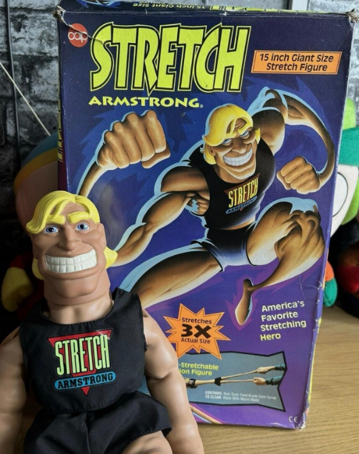
Year one children discussed the photographs sent in from home of their favourite toys and those of their parents.They made comparisons between toys from the past and toys that they buy today. They discussed similarities and differences with what the toys were made from, how they move and work and safety of toys now and in past.

Children also discussed how toys have changed and evolved, like toy cars. They talked about how previously they were made from tin and could only go in straight lines and how they have changed to be able to be remote controlled, made from plastic and use batteries. Children enjoyed a handling session with the toys to explore their properties and how they work.
Local History- Dereham

Year one children have been looking at recent photographs of Dereham and comparing them with photographs from the past. Children did a great job with noticing how Dereham has changed, including transport, roads, signs and clothing. They also noticed some familiar buildings which have not changed very much. ‘I know it’s not my Dereham because my Dereham doesn’t have a parking doesn’t have a parking sign,’ said J. ‘That’s old ‘cos cars don’t look like that,’ said R.

When discussing the history of Dereham and how Dereham got it’s name, the year one children learnt about the story of Saint Withburga. They created their own signs incorporating elements from the story.
Year 2

The children began their history learning by learning about the Normans and how they lived in the past. They gathered information as a class about the different way of life.
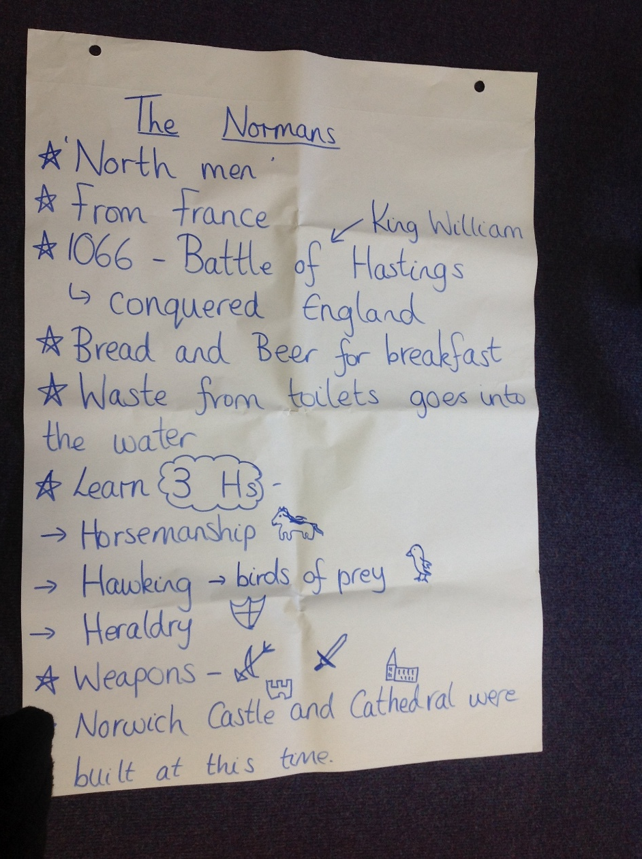
They then learned about the Battle of Hastings and specifically about William the Conqueror who became of the King of England in 1066. They learnt that the Bayeux Tapestry tells the story of the Battle of Hastings.
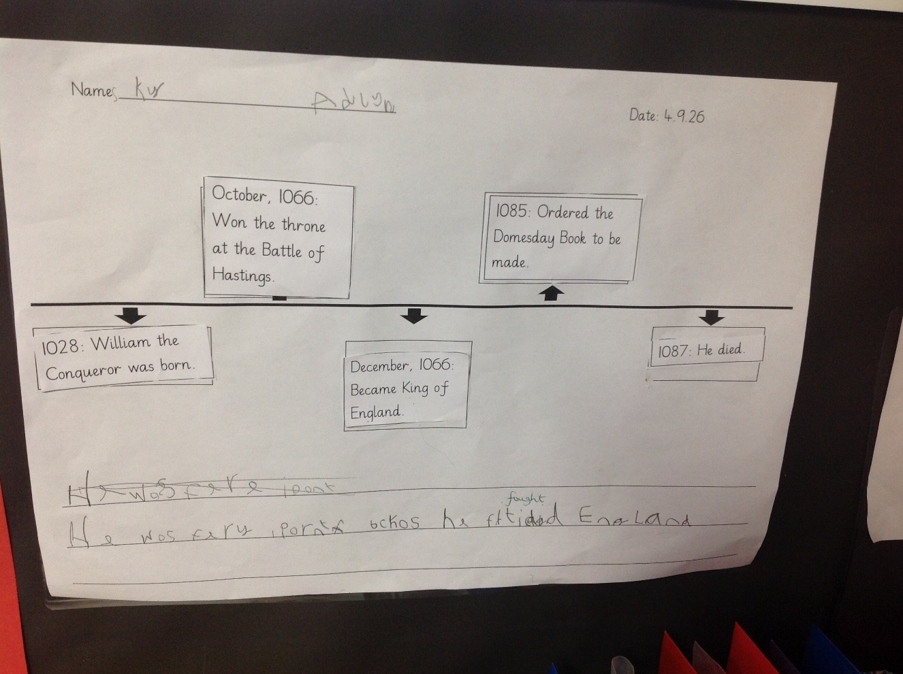
The children learnt about the significant impact William the Conqueror had on our local area, in particular he ordered the construction of Norwich Castle. Norwich Cathedral was also built at this time and they compared these two historic buildings.

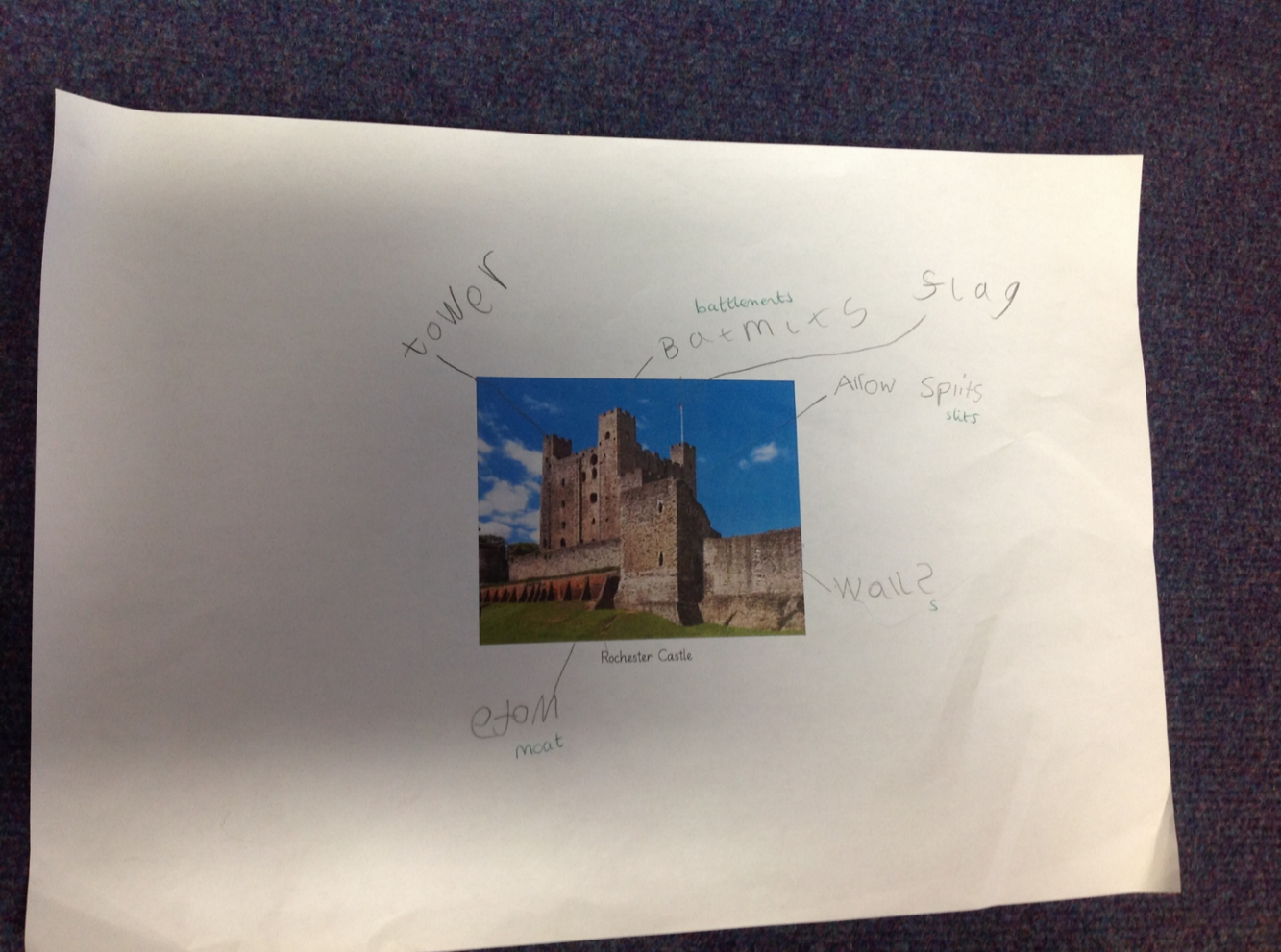
They learnt about other castles around the UK and looked at the different parts of a castle, identifying these on real photos of castles. They learnt about how the different parts helped those inside defend the castle.
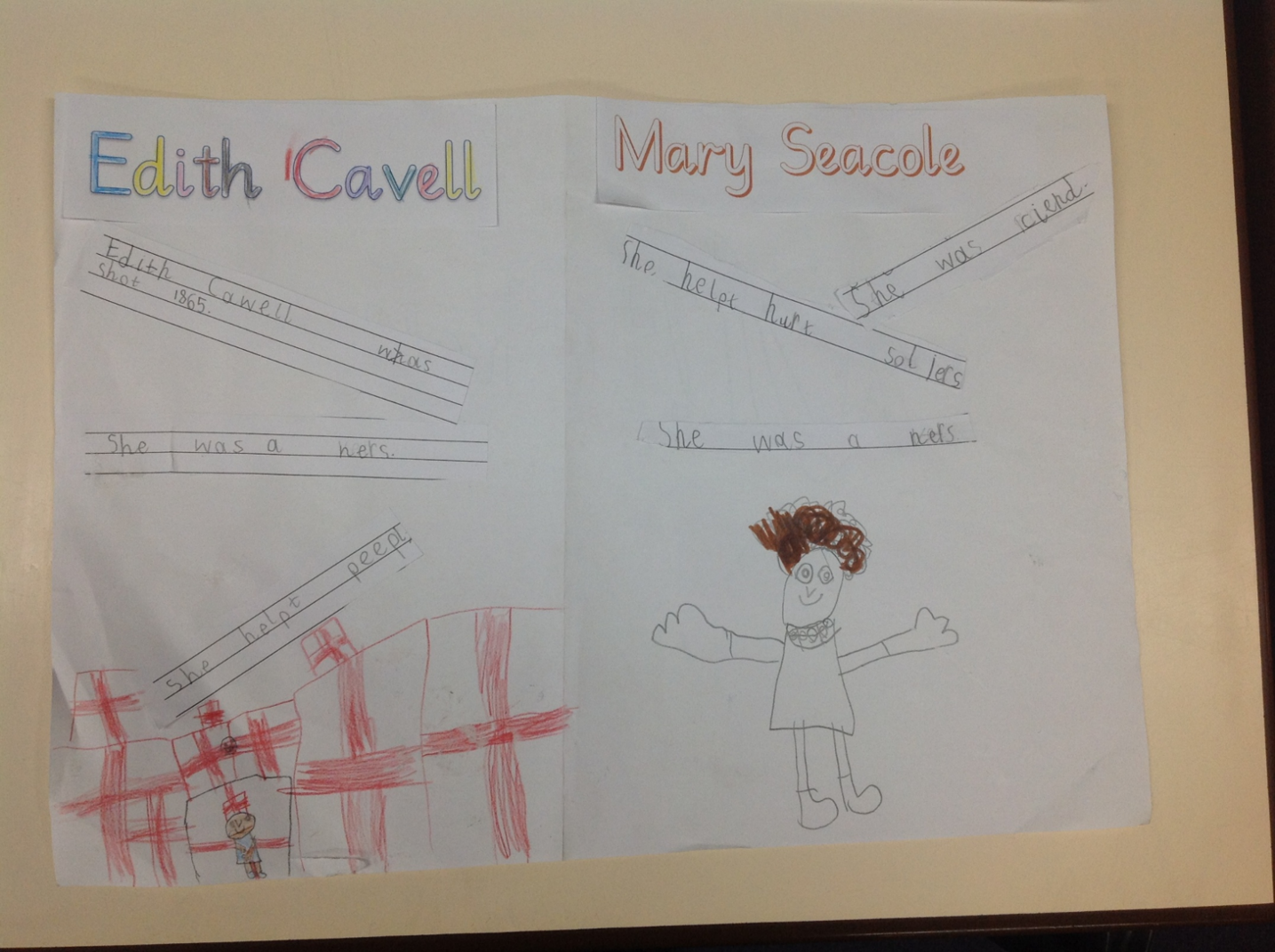
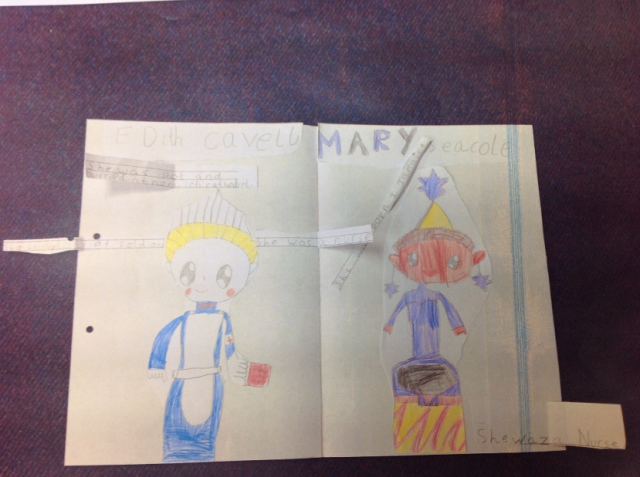
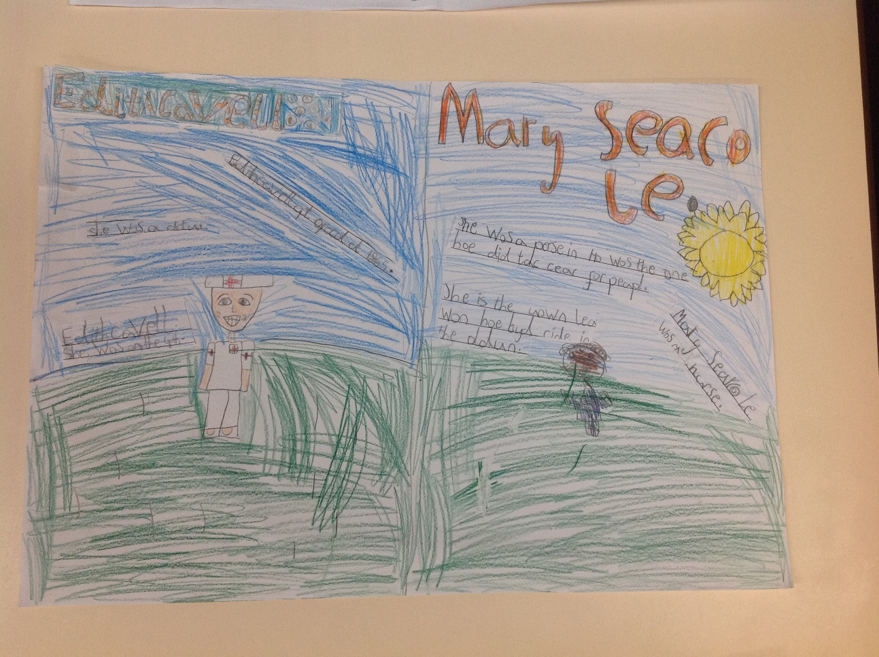
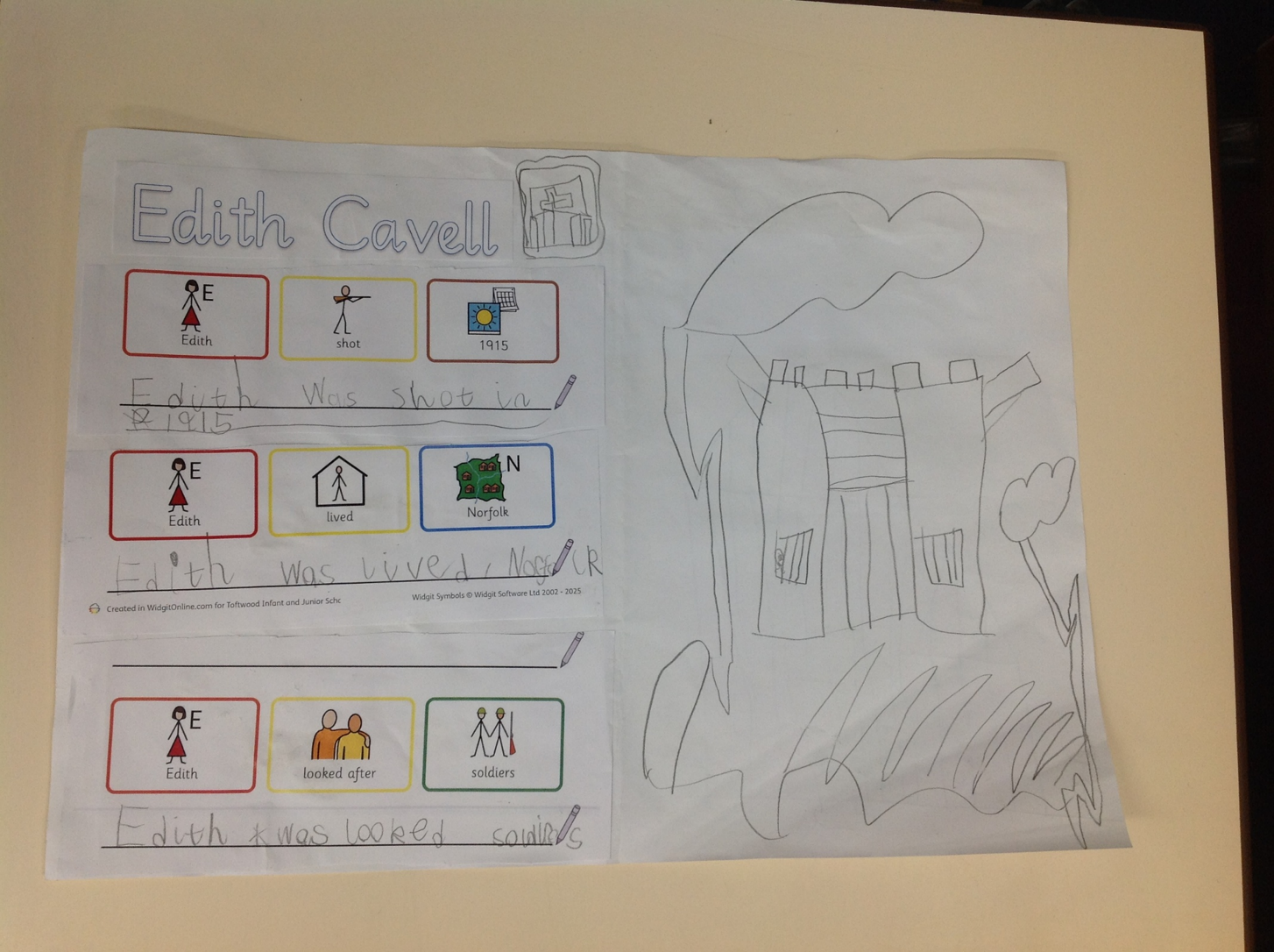
The children also learnt about two famous women in history – Mary Seacole and Edith Cavell. Edith Cavell was born within our locality and the children learnt about there is a statue of her at Norwich Cathedral. The children learnt about the lives of these women and why they were both influential nurses. They created two page spreads about their lives.
Remembrance Day 2026

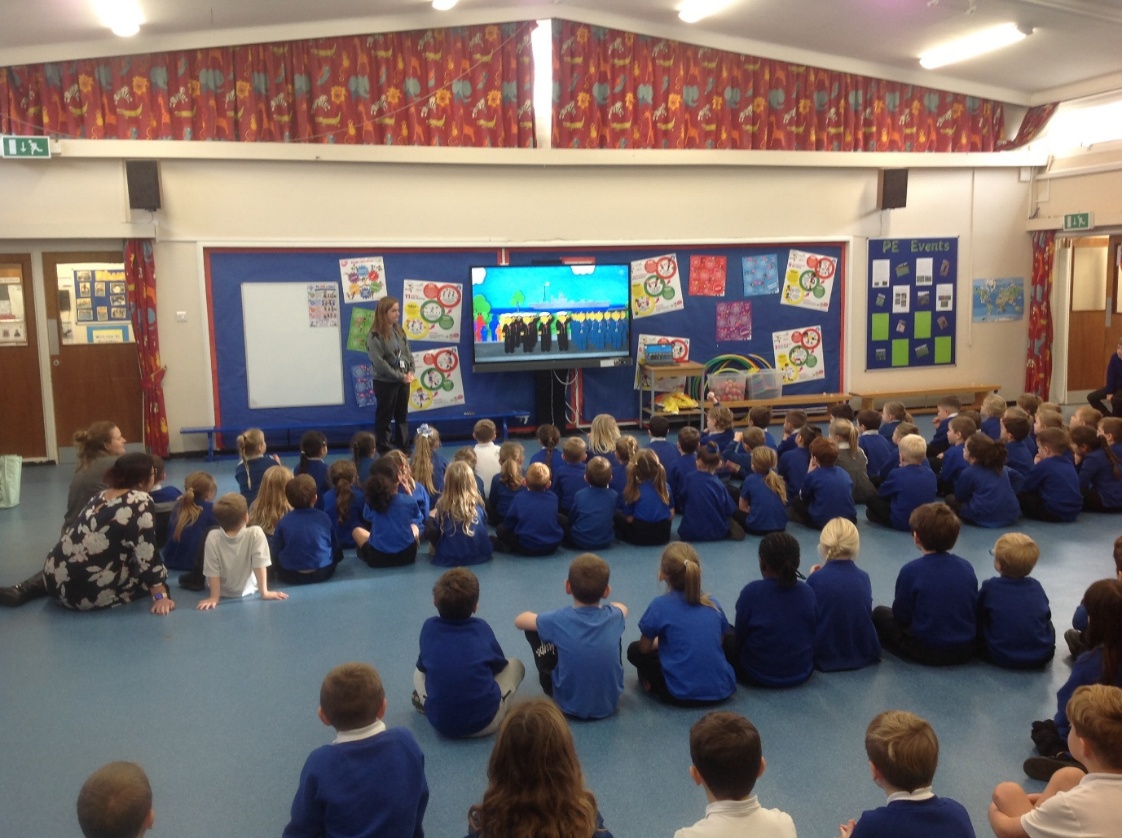
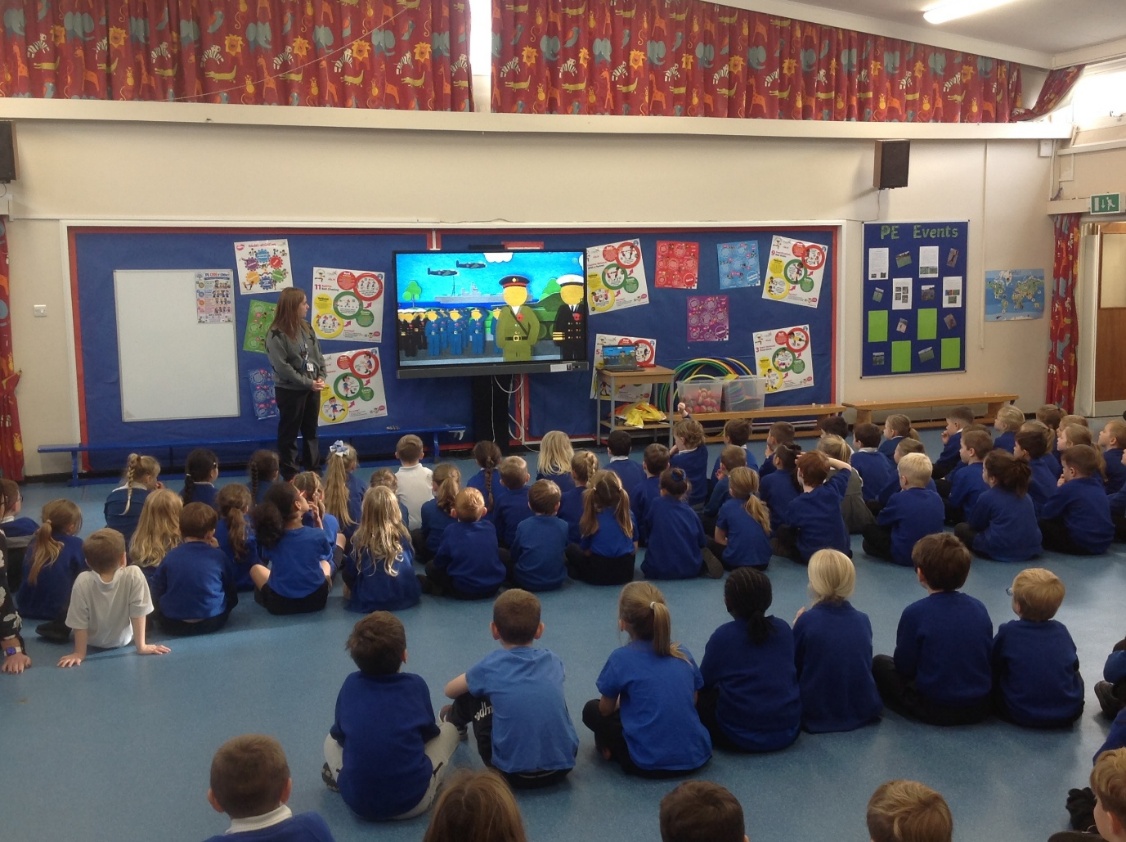
Remembrance Day was marked in an assembly at the Junior School. The children learnt about Armistice Day on the 11th November 1918. At 11 o’clock on that day, nations who were fighting laid down their weapons and this signalled the end of the war (known then as the “Great War”). Today, we know it as the First World War. Armistice is an agreement for peace.

One year later, the first two-minute silence was held. King George V had asked the people of Britain to pause and remember all those who had fought and died in the service of their country.

In in 1920, King George unveiled the nation’s new war memorial called the Cenotaph, where people go to remember the fallen.

The children listened respectfully and with interest. They then participated in a two minute silence.

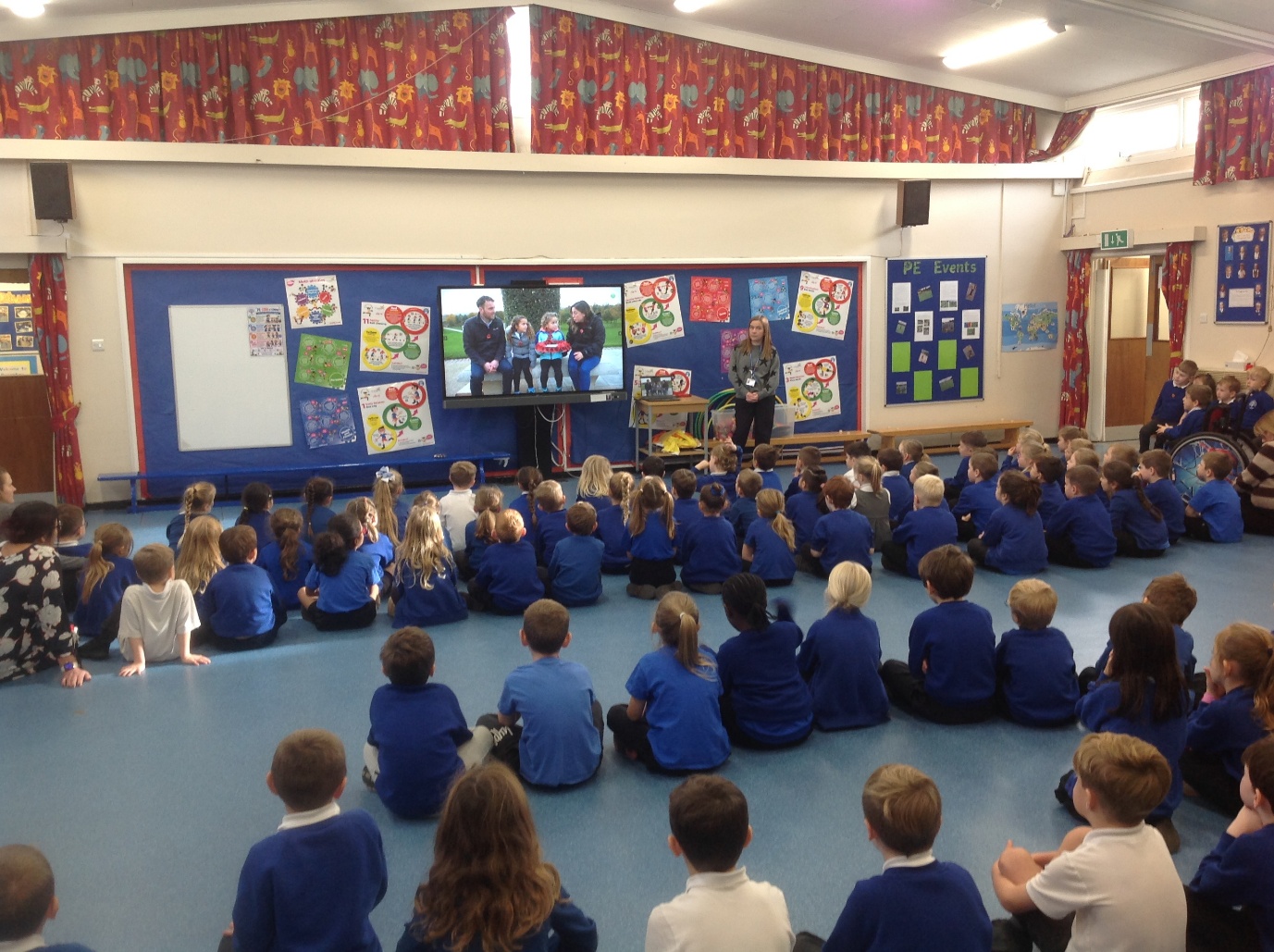
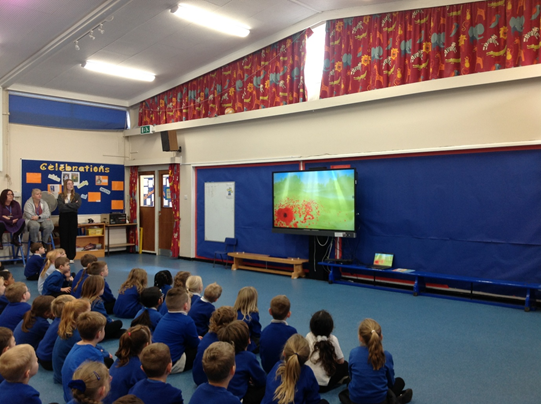
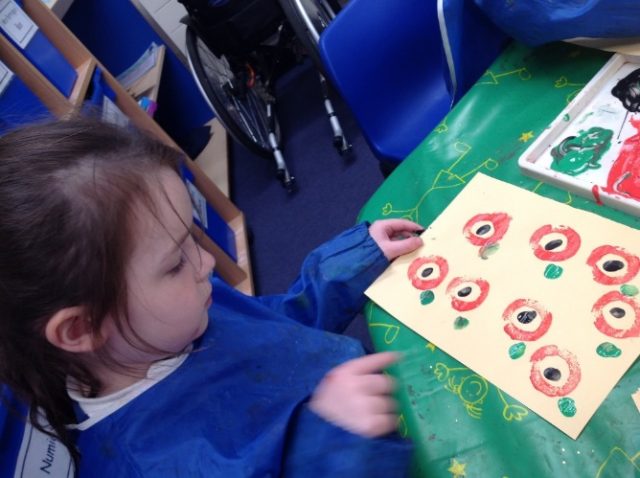
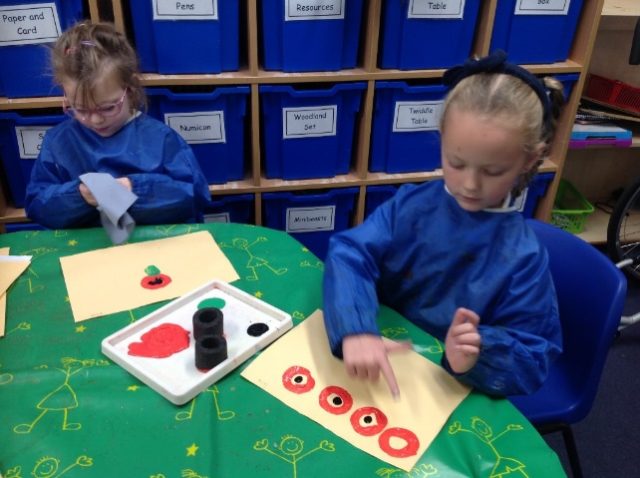
On Wednesday 11th November years one and two at the Infant School met for an assembly just before 11am to watch a short video explaining what we do on Remembrance Day and why. The children were then joined in the hall by the kitchen and office staff to listen to the Last Post and for a two minute silence. After the silence, some of the children shared their experiences of watching the Remembrance Day parade in Dereham at the weekend. They also watched the short Cbeebies animation – Poppies. All the children sat and listened beautifully and were very respectful during the silence. During provision, year one also had the opportunity to create poppy pictures using paint, as well as Remembrance Day word searches and colouring.

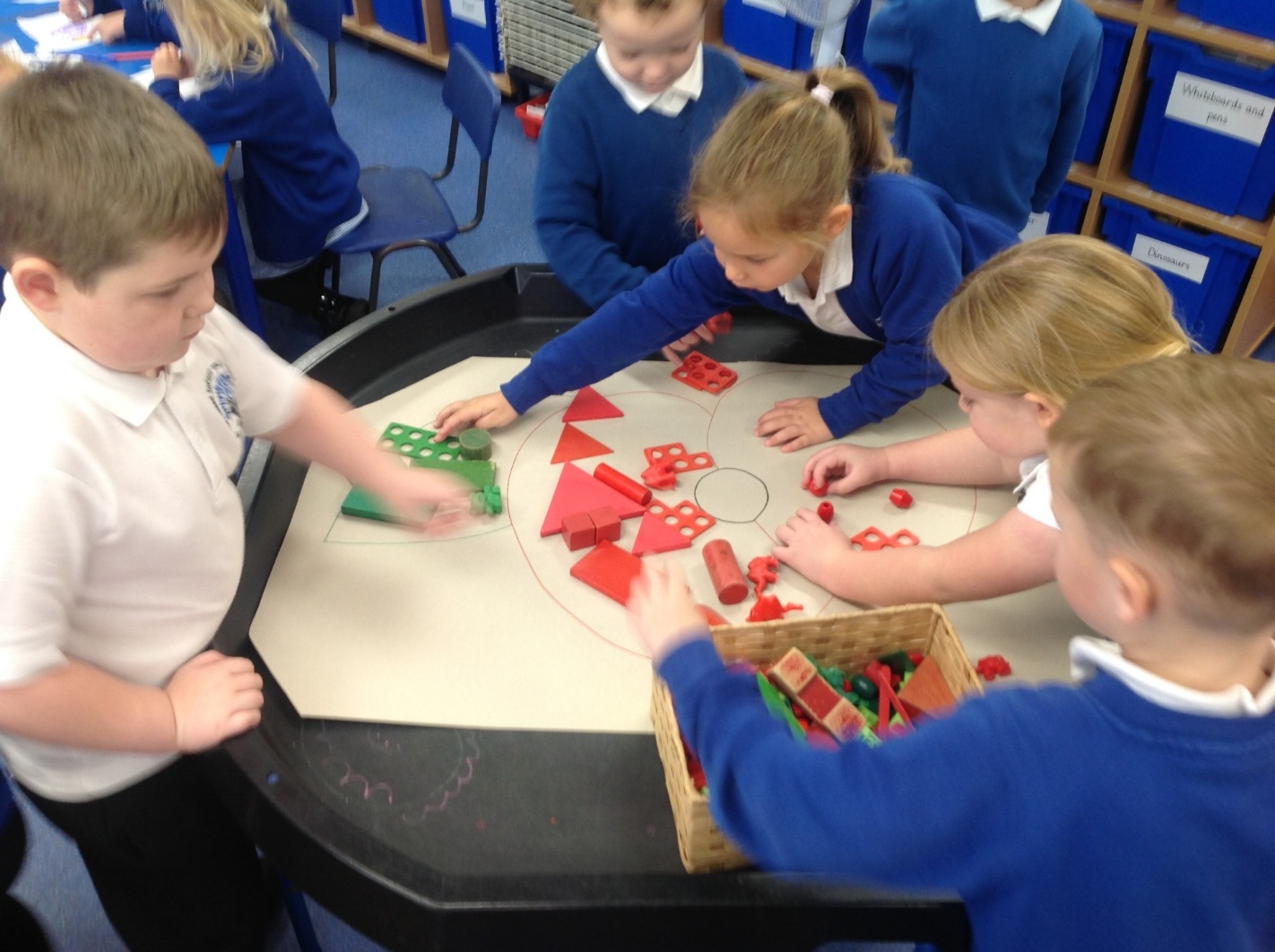
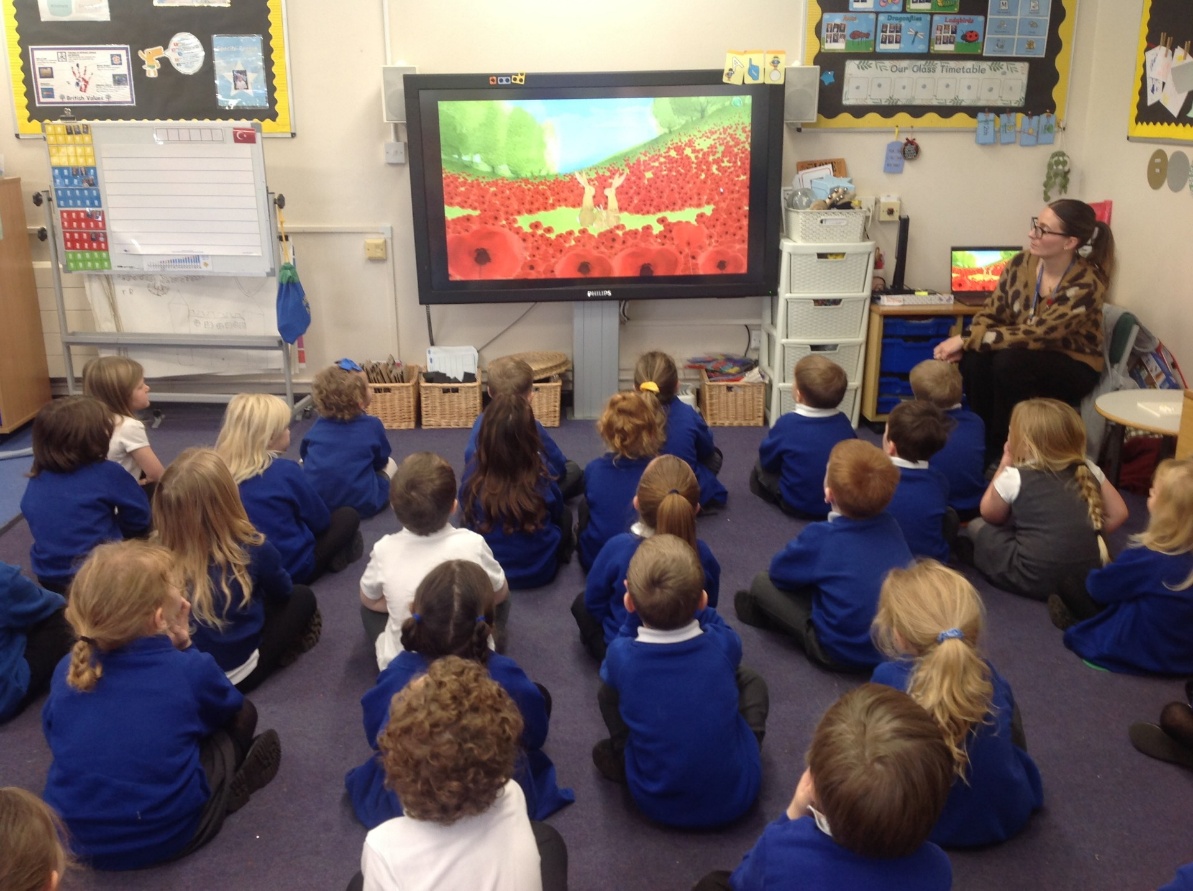
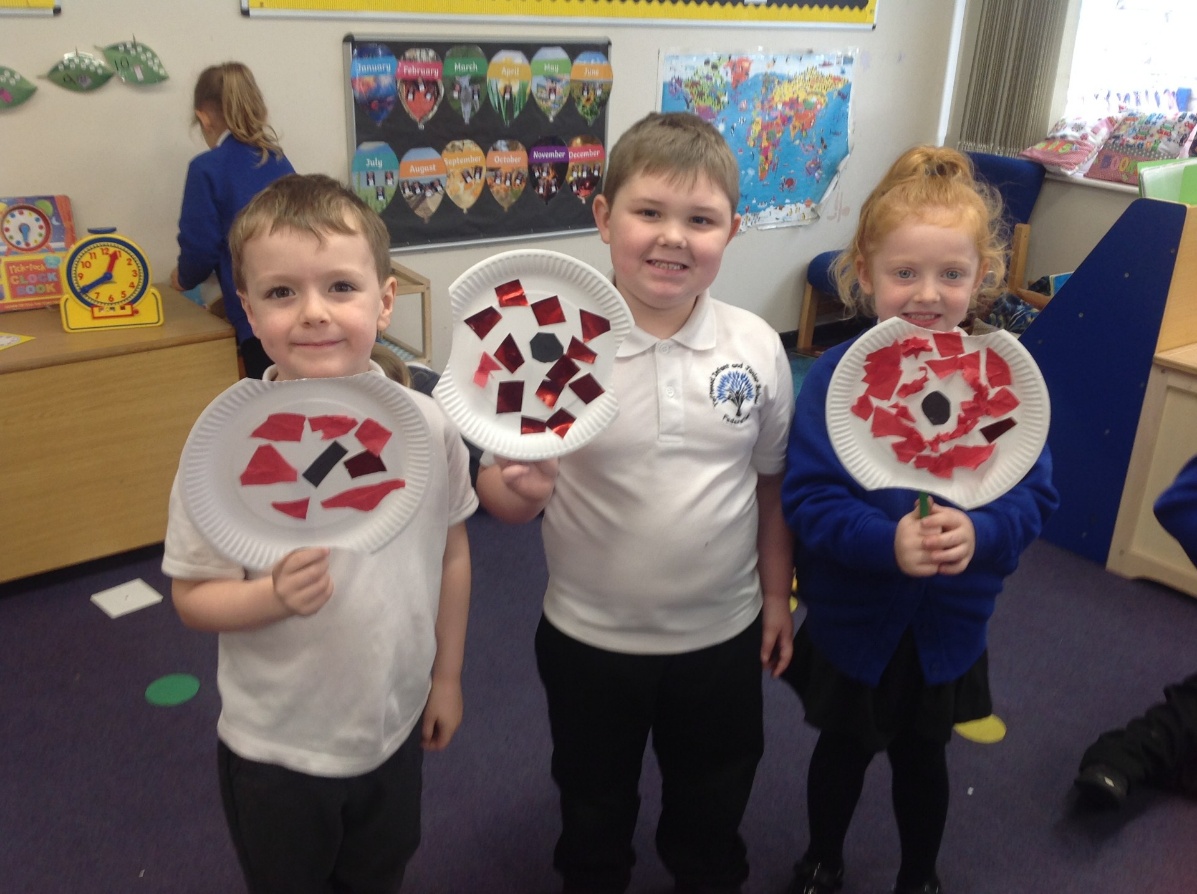
Reception classes found out about Remembrance Day. They watched the short Cbeebies animation – Poppies, as they completed their two minute silence. Reception children had the opportunity to create a giant poppy with loose parts and make poppies using a variety of materials.

Black History Month – October 2026

In October, children across the federation have been learning about Black History Month. Key stages one and two began the month with a Black History Month assembly to celebrate the achievements of Black people in the past and present. They talked about how not everyone has always been kind and shown respect for others in the past. They have not treated people fairly or in the right way. This has sometimes been because of the way someone looks or where they come from. This has meant that in the past lots of people didn’t know about all the amazing things that black people had done. They were often not mentioned in history books, television shows a bout the past or even in school history lessons.

Reception children shared the story ‘Coming to England’ by Floella Benjamin. This is an inspirational true story about the triumph of hope, love, and determination of Baroness Floella Benjamin’s journey from Trinidad to London.

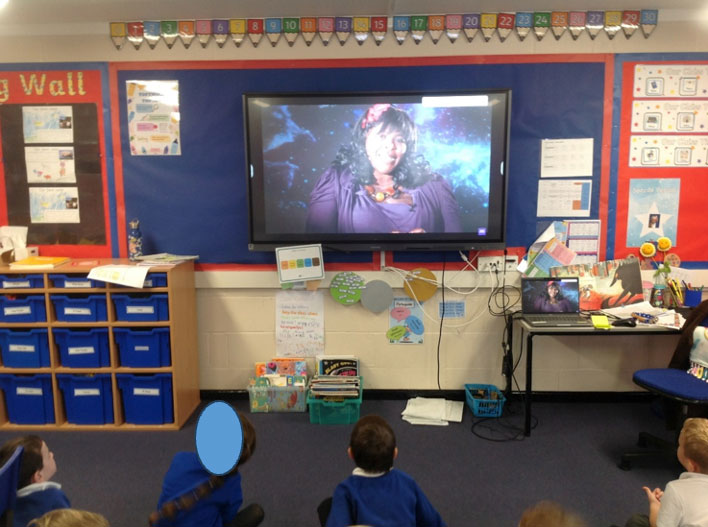
Year one children learnt about the life of the space scientist Dr Maggie Aderin-Pocock. Maggie (who is dyslexic) explained why being different is no barrier to success if you are passionate about something.

Year two children shared stories and information books about a selection inspirational black people. They also found out about the life of Mary Seacole, a nurse from Jamaica. She came to England following a calling, wanting to serve as a nurse in the Crimean War. When asked what Black History month was, a child in year two commented ‘Significant black people so we can celebrate them’. ‘Everyone’s different in a different way,’ said H in year two.   

History Summer Term 2026

Reception

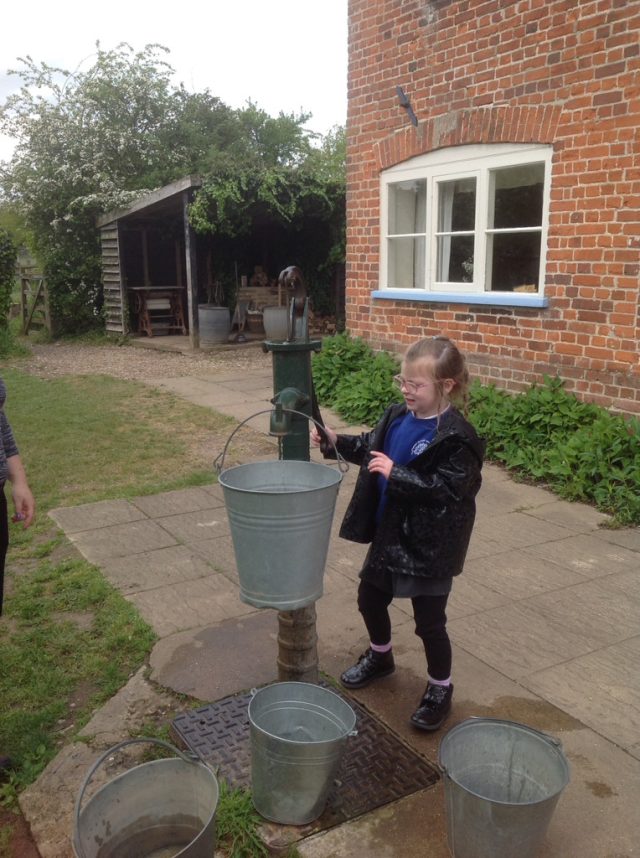
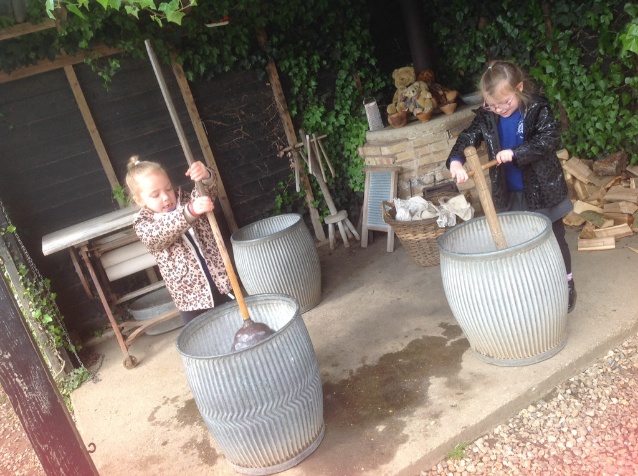
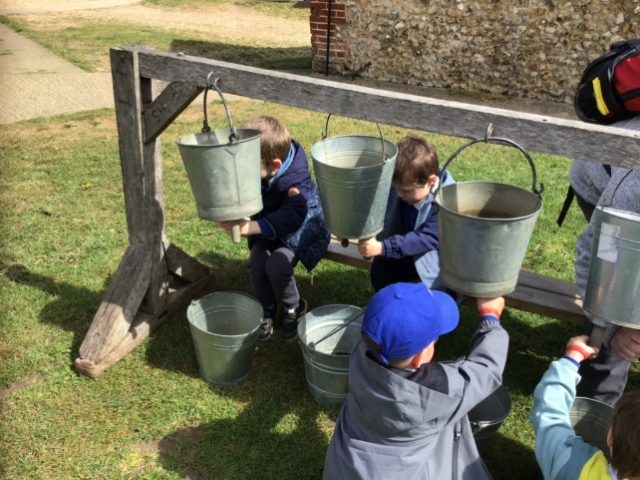
In the summer term, Reception children visited Gressenhall Farm and Workhouse for a fairy tale event. Part of the day involved helping the ugly sister and Cinderella with jobs around the house and gardens. Jobs included pumping water from the well to water the plants, washing clothes using the wash board and washing dolly, and milking the pretend cow.

Year One

The children stepped back in time to the 1800s, immersing themselves into what it would have been like to live during the reign of Queen Victoria. The children experienced what it was like to do their washing during the Victorian Era, getting the opportunity to use a dolly and washboards to do some washing themselves as well as learning about a mangle. They also got to play with some Victorian toys and made comparisons to when we learned about toys earlier on in the year, during the 1980s and 1990s as well as comparisons to toys that they play with today. Finally they enjoyed seeing what it would have bee like to go to school during the Victorian era, writing on slates, having a dunce hat in the classroom as well as being taught in rows with a very strict teacher! We discussed how schooling changed during the Victorian era as at the beginning, only wealthy children went to school whilst others went to work. They then learned that by the end of the Queen Victoria’s reign all children went to school with the introduction of Ragged schools.

Year Two

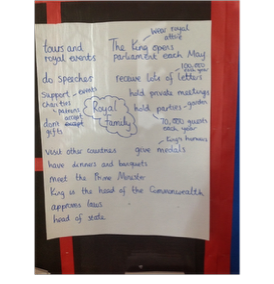
During Summer 1, the children focused on the Monarchy thread. They researched and learnt about the UK royal family and the different roles they have.

They learnt about the different members of the royal family and created a family tree of the members linked to King Charles.

They used their research about King Charles and the royal family to create class fact files about King Charles.

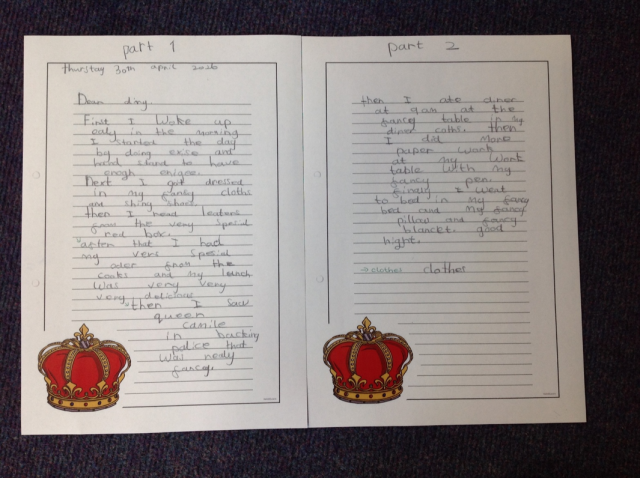
They then used their knowledge of diary entries from English and writing in the perspective of someone else, to write diary entries from the perspective of King Charles.

History Spring 2026

Year 4

In History, the children were excited to start a new topic all about the Anglo Saxons. We began by discovering where the Anglo Saxons fitted in on our Key History Topics timelines. We learnt about the push and pull factors for the Anglo Saxons invading Britain. The children enjoyed closely observing Anglo Saxon artefacts and deciding what they may have been used for. The children became detectives and tried to solve the clues about the mystery of the empty grave to discover who was buried at Sutton Hoo, many of the children guessed correctly! The clues included silver christening spoons and dated gold coins. During this topic we enjoyed an Anglo Saxon workshop which taught the children many aspects of life in the Anglo Saxon times. The children had the opportunity to dance, dress up, make bread, eat oat cookies and role play, this was a thoroughly enjoyable experience. To finish our topic we looked at different sources of evidence that historians have used to uncover life in Anglo Saxon Britain and learnt new terms linked to this; infer, enquiry and insight.

Year 5

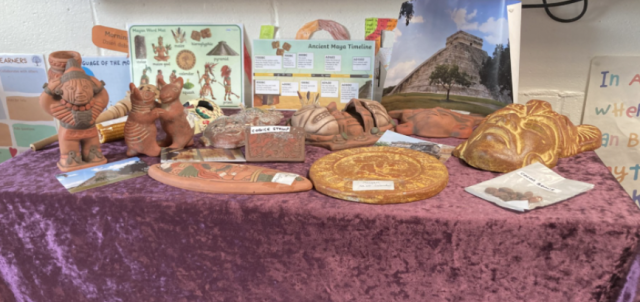
In year 5, we have been enjoying learning about the Mayans. We were lucky enough to have a mini museum in our class, with artefacts that we have been able to handle, carefully. This helped us to think like historians or architects, wondering what material were used or what purposes they served. We have learnt about how society was structured, what the Mayans invented, and about their belief in many gods (and the sacrifices required to keep them “happy”). The children enjoyed making a quiz to test their knowledge from the unit and key landmarks that can still be visited today.

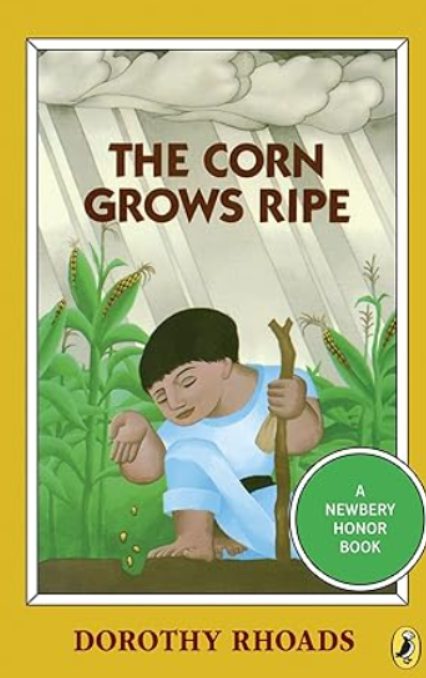
Our learning has had cross curricular links with our guided reading “The Corn Grows Ripe” by Dorothy Rhoads, strengthening our depth of knowledge.

History Spring Term

Reception

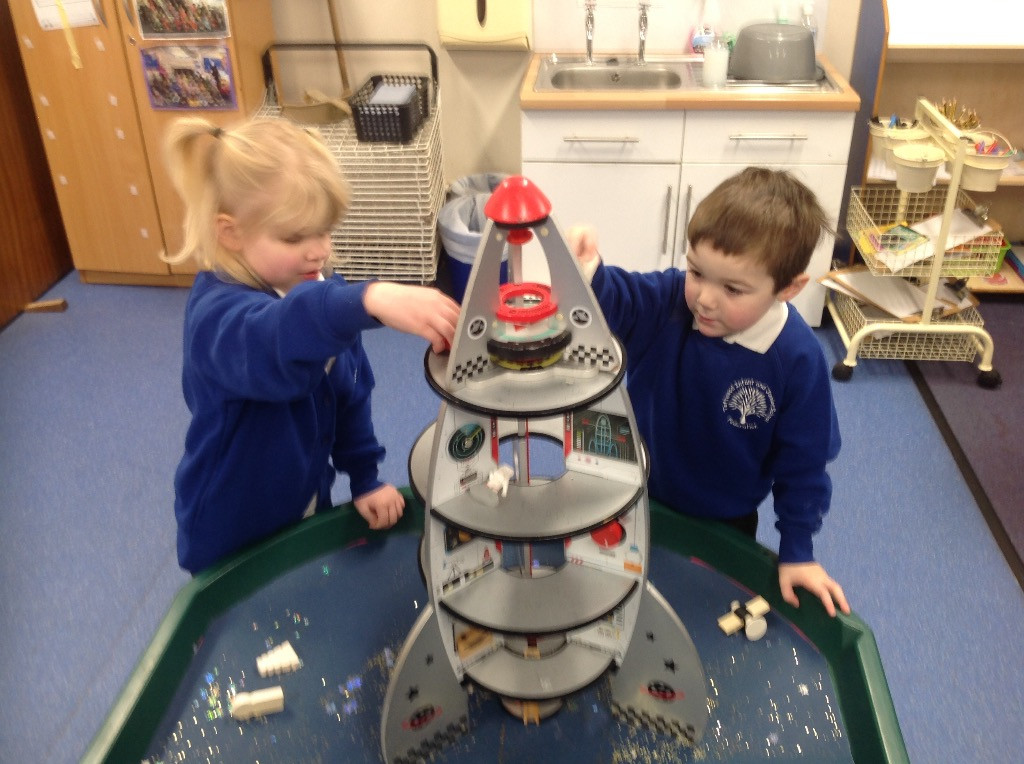
In the spring term, reception classes spent a week focussing on space. They looked at photographs of famous astronauts and shared facts about them, including Tim Peake, Yuri Gagarin, and Mae Jemison. They thought of questions to ask an astronaut and discussed what we would like to take to space. They listened to lots of space stories, including ‘The incredible intergalactic journey home’ read by Tim Peake in space.

Year One

The 1980’s

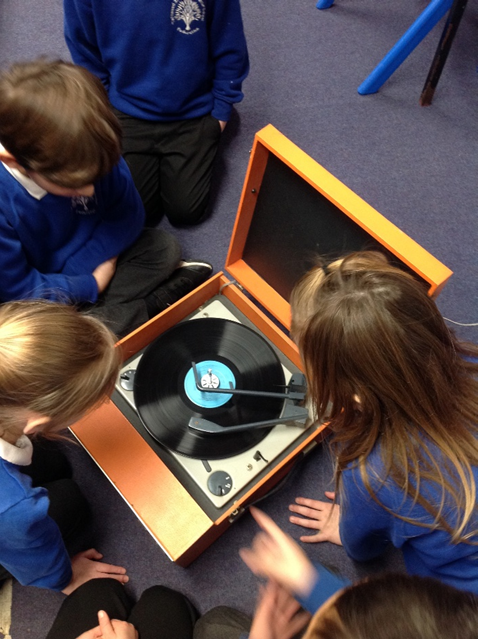
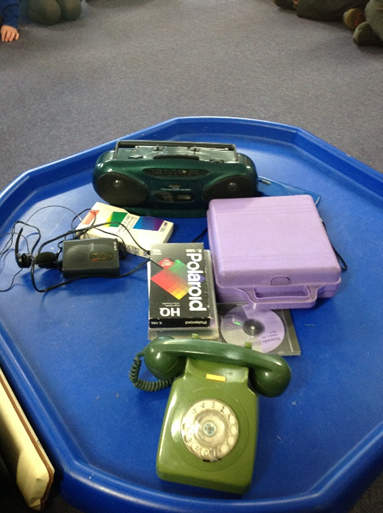
The children stepped back in time to the 1980’s. They learnt about the life of a 6 year old girl who lived back in the 80’s. She showed them the clothes, food, toy’s and tv shows she had back then. The children got to explore a range of real 1980’s toys and watch an episode of Super Ted. They also learnt about school life in the 1980’s. They listened to an assembly song and compared school to that of today. The children explored technology and music from the 1980’s, they matched some real artefacts from the 1980’s to items around the house that we might have today. They discussed how they had changed and had a go at using some of the artefacts. They played some music on the record player and listened to a cassette in a Walkman. The 6 year old girl from the 80’s sent the class some music and dances to learn ready for the 1980’s party!

The children learnt about significant events and people from the 80’s (royal weddings, Live Aid, Band Aid). The children also had a 1980’s party/disco in the school hall. At the disco the children joined in with some 1980’s dance routines and played a 1980’s Four corners game. All the children were invited to dress up in 80’s themed clothing for the afternoon!

“I loved dressing in bright colours and dancing to ‘Agadoo’ and ‘Superman’” Amber

“The record player is very cool, it’s not like listening to music now!” Gracie

“Some of the toys from the 80’s are the same as what we play with now” Henry

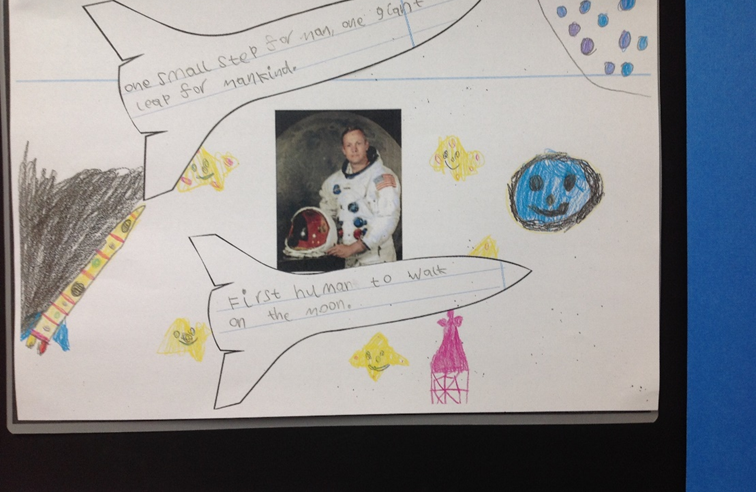
Neil Armstrong

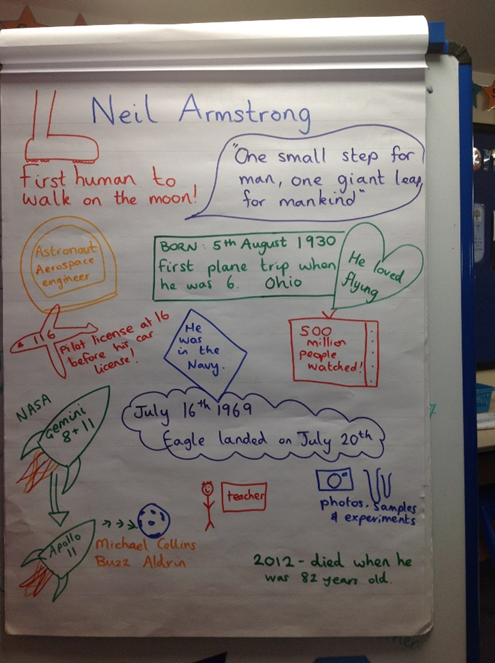
The children travelled back to 1969 to learn about an important person from history. The children learnt all about Neil Armstrong and his significance in the history of space travel. In this first lesson the children found out about his life and added him to their class time line. They also watched some footage of Neil Armstrong from his famous moon landings and imaged they were walking on the moon! The children created rocket writing containing their favourite Neil Armstrong facts. They took part in a Neil Armstrong quiz to see what they could remember.

“It was called the Apollo 11 mission” – Rosie GA1

“Neil Armstong was the first man to walk on the moon and Buzz Aldrin was the second” – Marli

Year Two

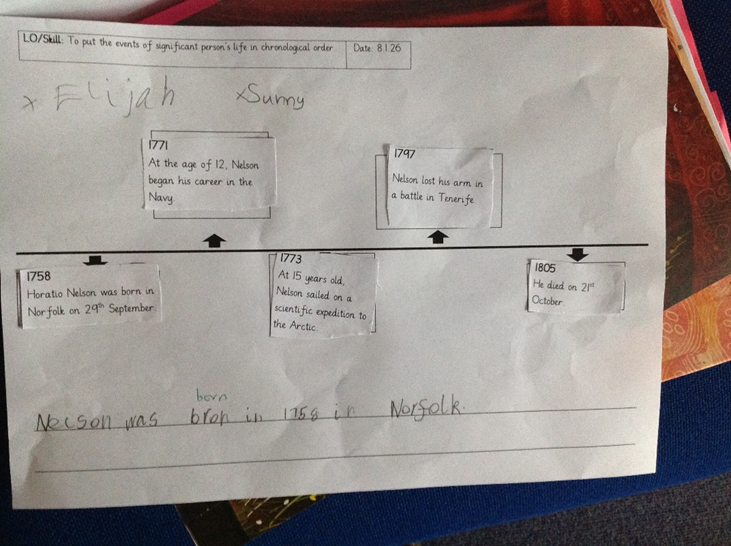
Admiral Nelson

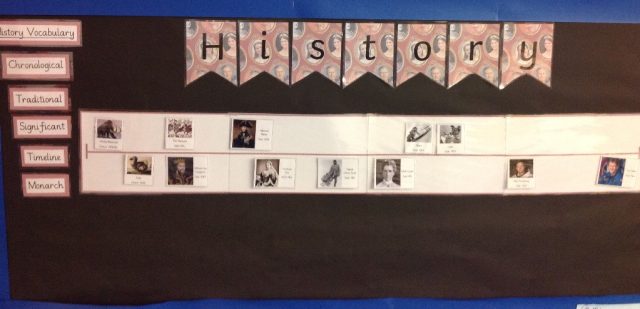
To begin our learning the children looked at two images of Admiral Nelson without being told who it was. They considered and gave their ideas to answer questions such as who it might be, what is job might be, when the image was from, if it was a photograph or a painting. After being told who this man was, the children then learnt about the main events in Admiral Nelson’s life using a timeline. The children worked in partners to order 5 of the main events in the correct order using the years.

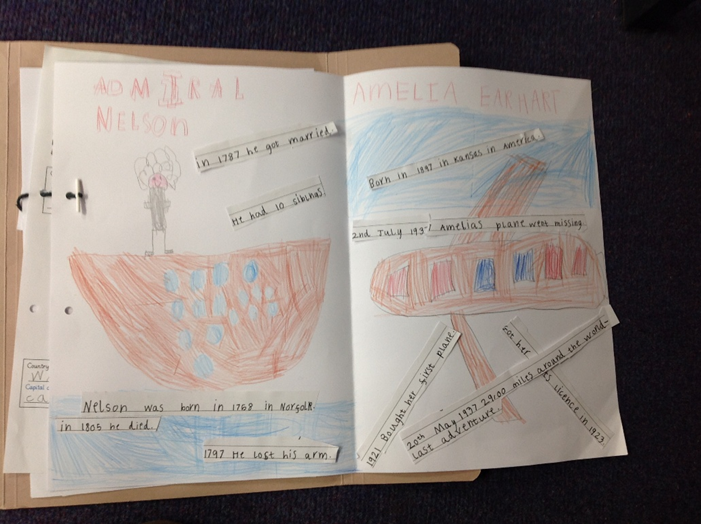
Amelia Earhart

The children also learnt about another famous individual, Amelia Earhart. The children learnt about the significant events in Earhart’s life and again ordered these using their knowledge of timelines from their previous work.

They then compared Amelia Earhart and Admiral Nelson and discussed the similarities and differences of their lives. They created a two page spread about them both.
History Autumn 2025

Reception

Reception children undertook activities linked to bonfire night at the beginning of November. Activities included discussing experiences of bonfire night, watching videos of the celebration, finding out about firework safety, and creating firework pictures.
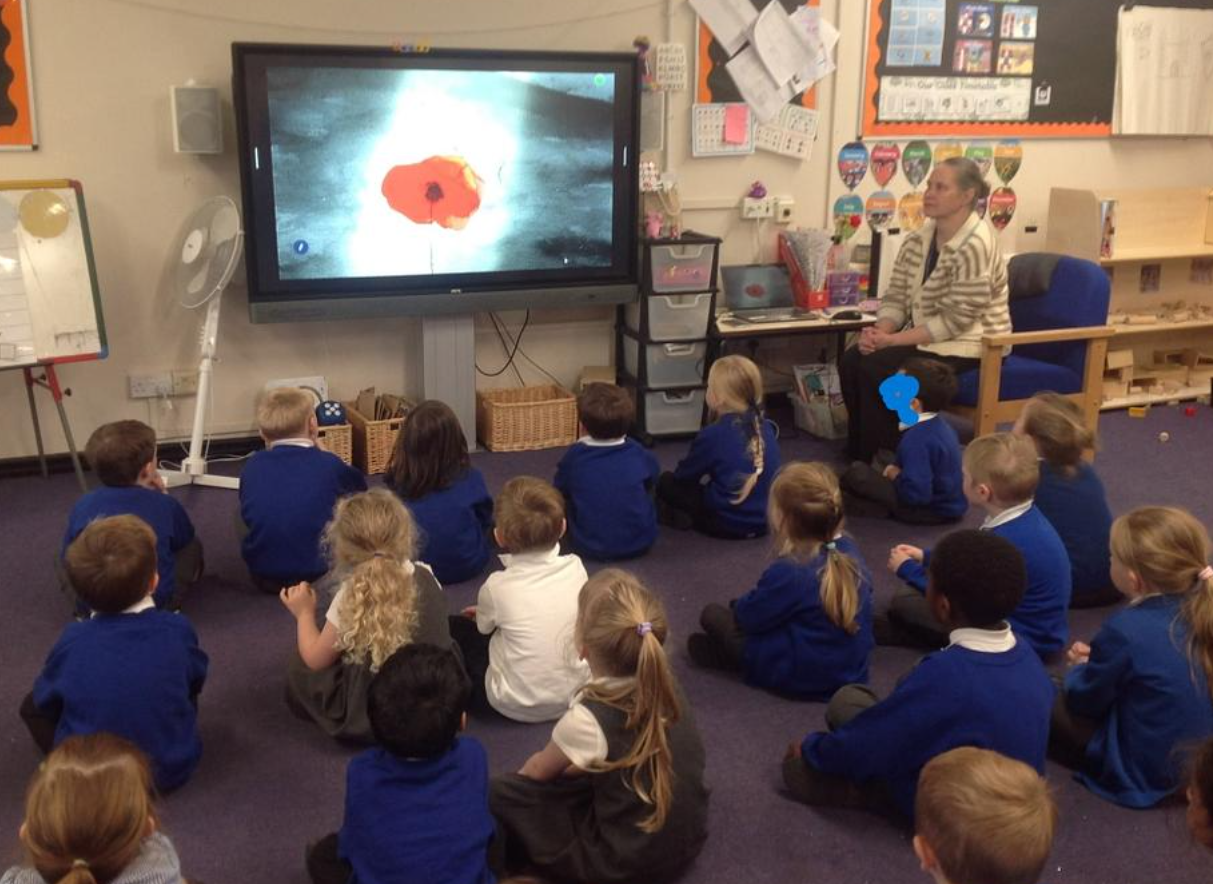
Reception children learnt about Remembrance Day. They made poppies and poppy pictures and had a class assembly where they observed a two minute silence. They watched a video showing how the poppies grew in the field after all the grass had turned to mud.

They also talked about the history of their own lives when discussing birthdays.

Year 1

Prior to lessons in school, year one children discussed with their grown ups their own favourite toys, and their grown ups favourite toys from the past. The children began sessions in school with talking about the pictures sent in from home and made comparisons between toys from the past and toys that they buy today.  They discussed similarities and differences about what the toys were made of, how they move and work and safety of toys now and in the past. They also discussed how toys had changed and evolved, including cars.

When discussing the history of Dereham and how Dereham got it’s name, the children learnt about the story of Saint Withburga. They created their own signs incorporating elements from the story.

Year 2

See year group tab for autumn 1 year 2 history day post.

Year 2 children have been learning about life in Norwich in the past by studying the cathedral and castle.  They looked at the significant person William the Conqueror and his links to Norwich Castle, then created a timeline for his life. They found out about the famous nurse Edith Cavell, who was born in Swardeston, near Norwich. The year 2 children compared the lives of Edith Cavell with Mary Seacole (famous nurses).

Year 5 Viking Day 2025

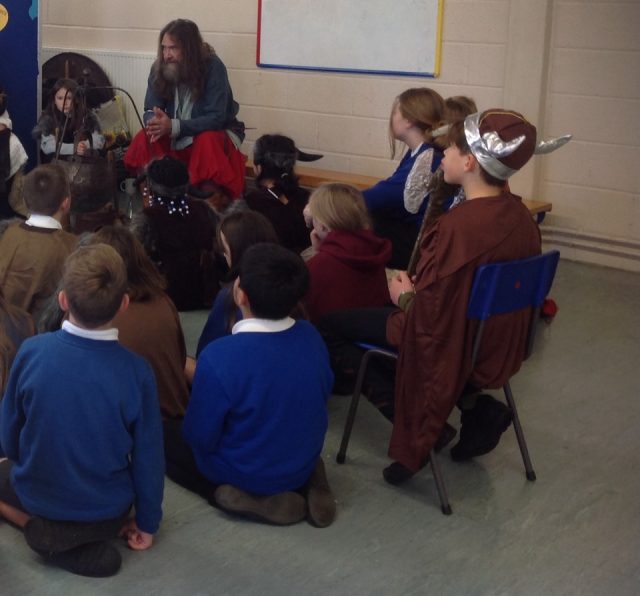
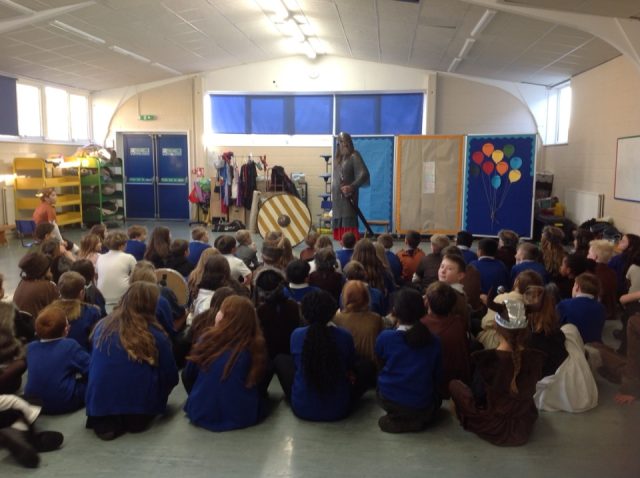
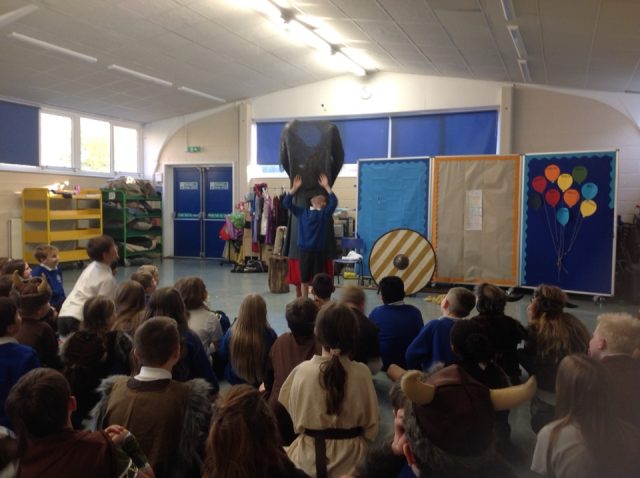
On Friday 21st November 2025, Year 5 enjoyed a Viking day. Our Viking visitor, called Thor’s Wolf – Son of the Hammer, welcomed us in traditional Viking Language.

He proudly showed us his colourful trousers that he told us displayed his wealth, because they were made with six metres of fabric, which was expensive, because of the amount of time taken in spinning the flax and weaving the cloth. He also proudly displayed a comb on his belt, made from reindeer antler – very expensive too.

We learnt about how the Vikings came across in their longships to raid monasteries before returning to Scandinavia. However, due to the long and wintry journeys, some decided to stay and settle in a fenced campsite.  Because they were known as “Drakkar” (meaning dragon ships) they were thought to have had dragon heads on the stern and bow ends, very ornately carved and decorated.

The children also read lots of information boards to answer questions in a quiz; they enjoyed learning extra facts with some independence.

They also enjoyed playing a board game called “Fox and Geese” where they developed strategies for the fox to eat (jump over) geese or for the geese to surround and trap the fox on the gaming board.

The children had valuable opportunities to learn about and handle replica artefacts. Through clever questioning, they had chances to use their prior learning, to work out what some of the more puzzling artefacts were used for. We saw a drinking horn, a bowl made from horn, a comb, a pan, a wooden cup and objects used to smooth cloth like an iron.

Using a die, wedged into a tree stump, he made some coins by punching a pattern of a long-ship and a face onto both sides of a blank disc. A Viking coin was worth around £25. If you wanted to spend less, you cut it in half, or a quarter (four-thing/farthing).

He then brought out his scales, to explain how the Vikings traded and bartered for goods or animals.

We listened to him speaking some Olde English and Viking language and we tried to guess what he was saying, so we could get an idea of how our language has developed from Saxon and Viking languages.

We then had an opportunity to see him dressed in replica chainmail and a helmet and demonstrate how to use a long spear, a bearded axe, a broad sword and shield. He showed us how vicious the Vikings could be, by slicing a melon in half before letting a child from our year group try on the chainmail! This was very heavy and they could not jump very high when asked to try!

Anni said, “I liked the man delivering the learning as he was really funny and made great jokes that helped us understand the Vikings better.”

Seren said, “The man was really kind and wanted to help answer everyone’s questions that came from the artefacts that he had brought.”

Noah said, “I liked the bit when he told us about the famous Viking stories, like when they fought in battles and which side won – that was really cool.”

Remembrance Day 2025

Remembrance Day was marked in an assembly at the Junior School. The children learnt about Armistice Day on the 11th November 1918. At 11 o’clock on that day, nations who were fighting laid down their weapons and this signalled the end of the war (known then as the “Great War”). Today, we know it as the First World War. Armistice is an agreement for peace.

One year later, the first two-minute silence was held. King George V had asked the people of Britain to pause and remember all those who had fought and died in the service of their country.

In in 1920, King George unveiled the nation’s new war memorial called the Cenotaph, where people go to remember the fallen.

The children found out about the Royal British Legion and how it remembers the fallen by launching the Poppy Appeal, where members and volunteers sell millions of red paper poppies. In the weeks leading up to 11th November and on Remembrance Sunday, people are asked to wear a poppy as an act of remembrance.

The children listened respectfully and with interest. They then participated in a two minute silence.

On Tuesday 11th November years one and two at the Infant School met for an assembly just before 11am to watch a short video explaining what we do on Remembrance Day and why. The children were then joined in the hall by the kitchen and office staff for a minutes silence. After the silence some of the children shared that they had taken part in a Remembrance Day parade in Dereham at the weekend. They also watched the short Cbeebies animation – Poppies. All the children sat and listened beautifully and were very respectful during the silence.

Reception classes discussed Remembrance Day and watched the short Cbeebies animation – Poppies. They also had the opportunity to create poppy pictures and make poppies using a variety of materials.

History Competition

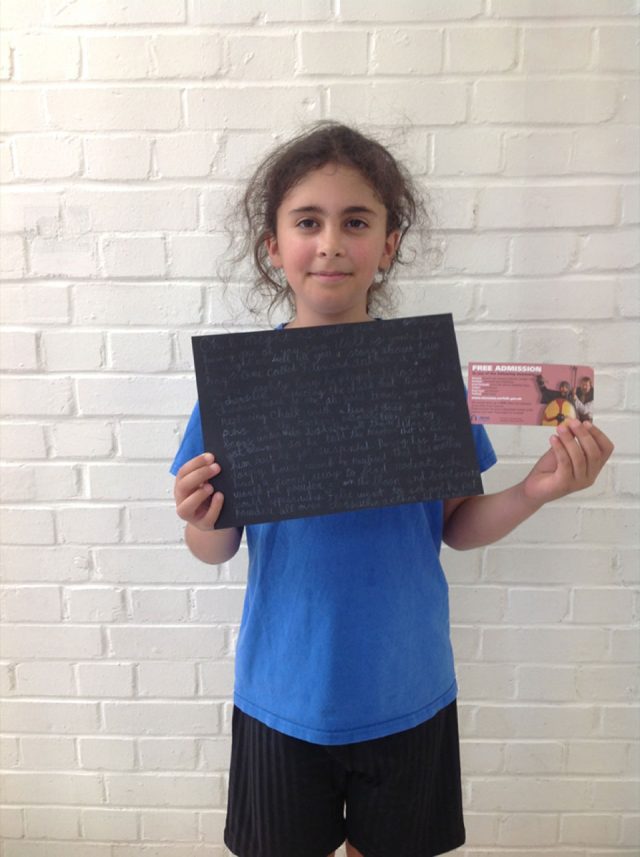
Toftwood Junior School recently organised a history competition, to inspire a love of history beyond the curriculum. The children were shown a genuine Victorian slate, in a wooden frame. They were challenged to think…

“If this slate could talk, what stories would it tell?”

The children then had to research life in a Victorian classroom, building on their learning at the Infant School and our “History of our School Day”, where they studied extracts from the school’s genuine log books. The children were very creative in the way they demonstrated their work. The winner was Sara, who has won a ticket admitting 5 people to any of the Norfolk Museums, which I know she will thoroughly enjoy, with her family.

A very special thank you to the Norfolk Museums Service, for very kindly donating this generous gift.