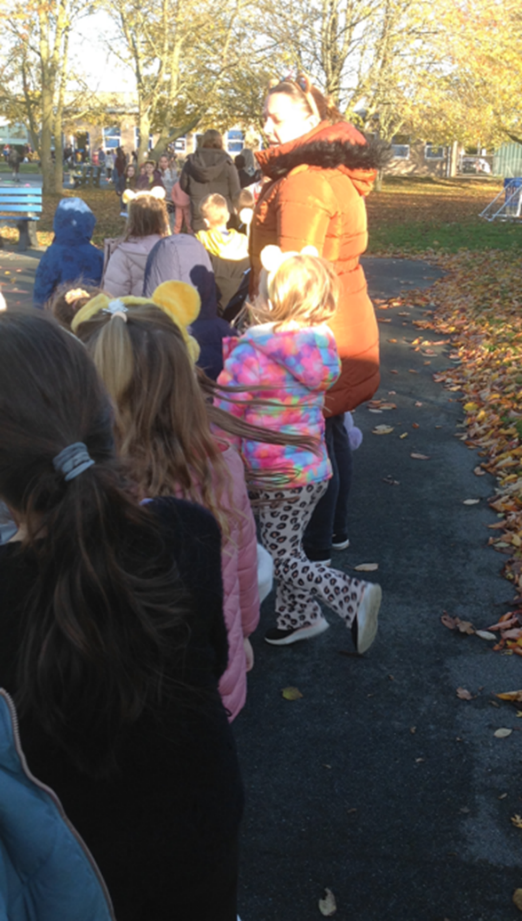
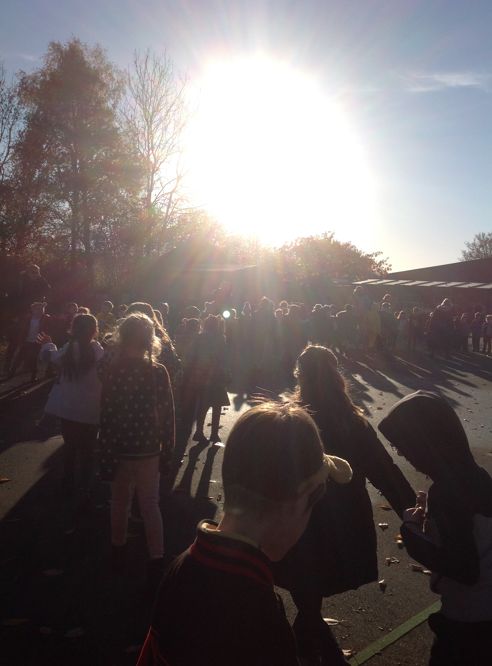
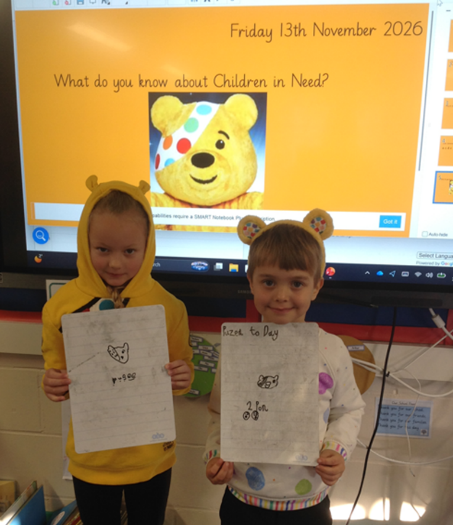
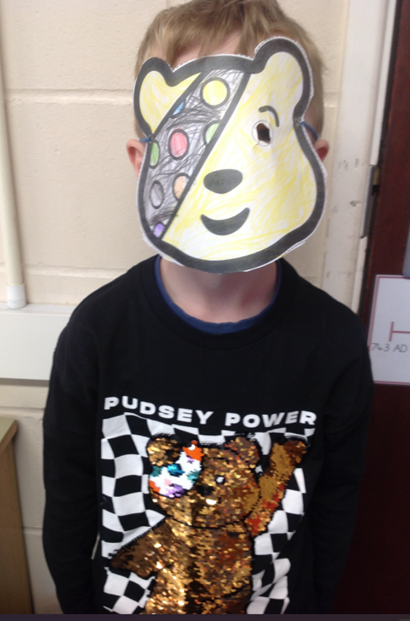
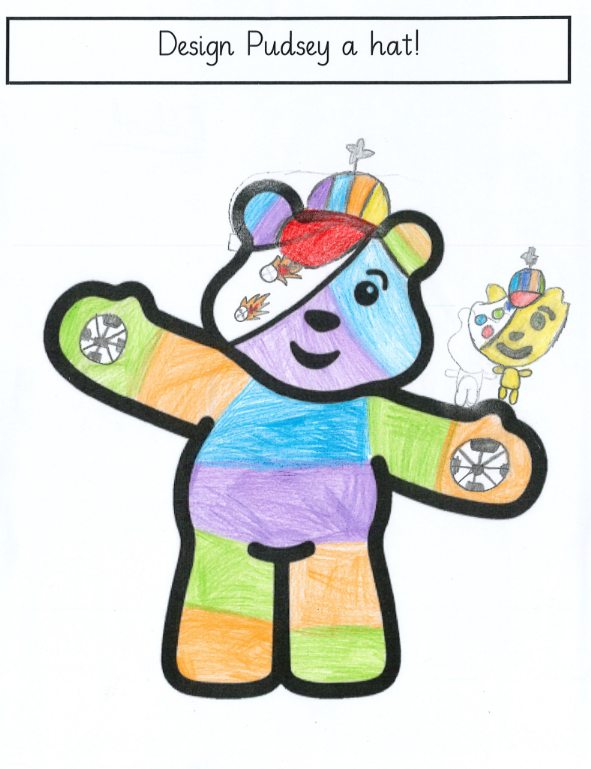
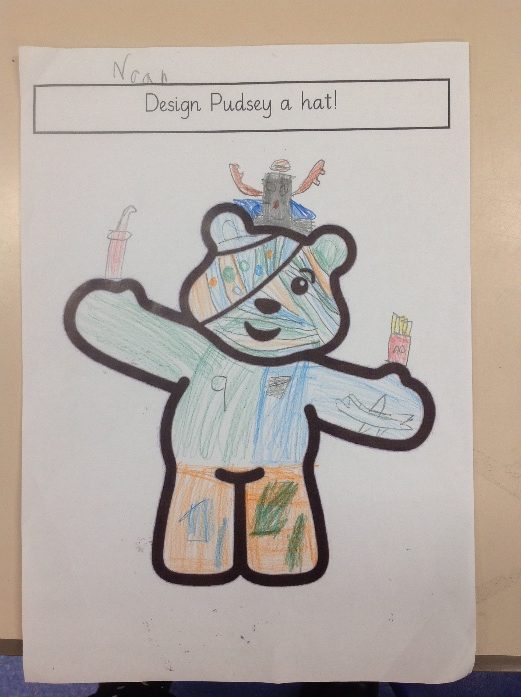
On Friday 13th November we celebrated and raised money for Children in Need. The children look forward to this event each year and enjoy coming to school for a non-school uniform day. We invited the children and staff to add a spotty/Pudsey themed twist to their outfits!
This year the Federation School Council decided to arrange a whole school ‘Pudsey Parade’ to allow the children to show off their spotty outfits and to enjoy some time together. The year groups mixed for an afternoon of parades and playtimes and the sun even came out to join in the fun!
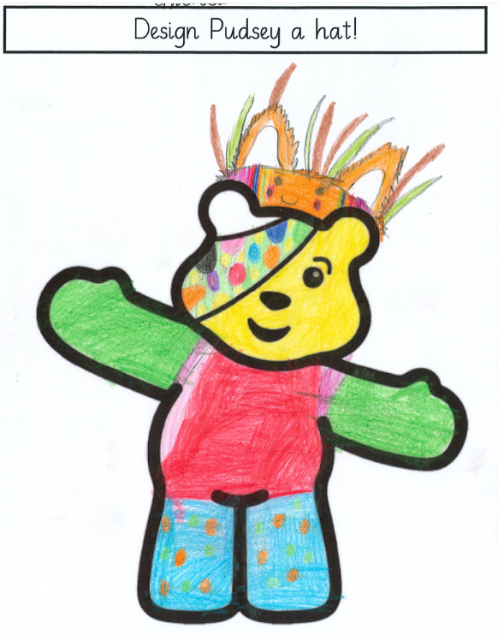
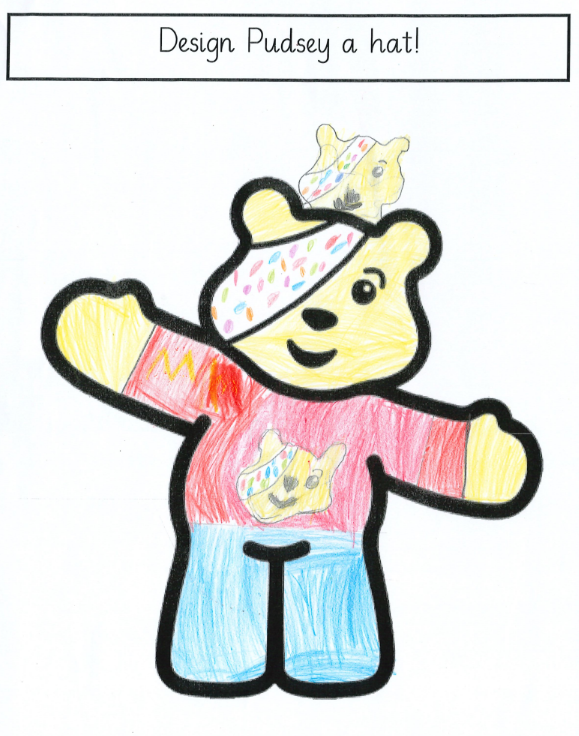
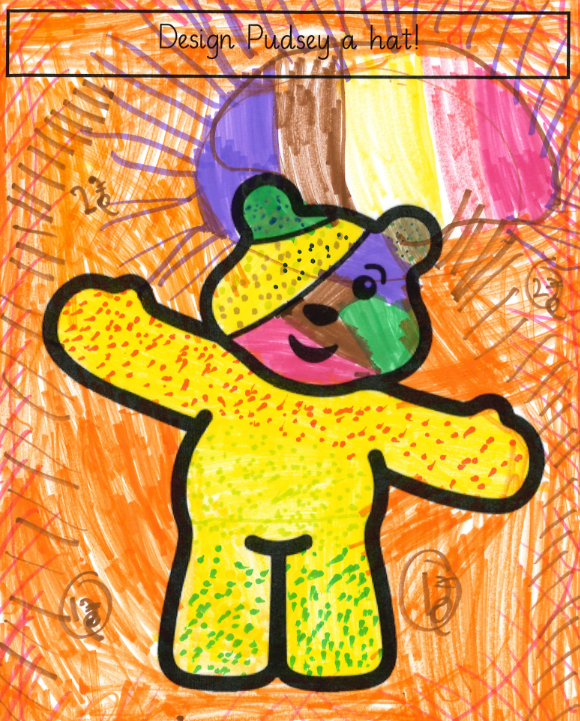
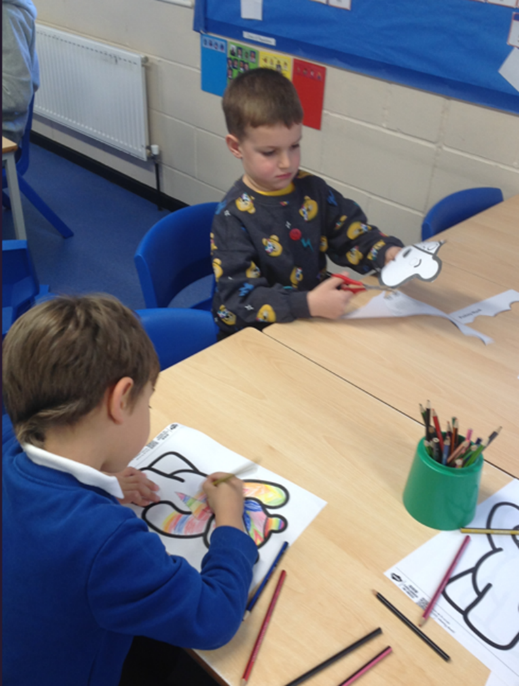
As well as the parade, the School Council sent out a ‘Design a hat for Pudsey’ competition. The winner from each class received the chance to pick a treat for themselves and their classmates. The treats chosen included extra playtime, Dojo points and craft/art sessions.
The School Council had the important job of collecting and counting the money donated. We raised an amazing £364.40! A big thank you to everyone who sent in donations and helped us raise such an impressive amount for the Children in Need charity.
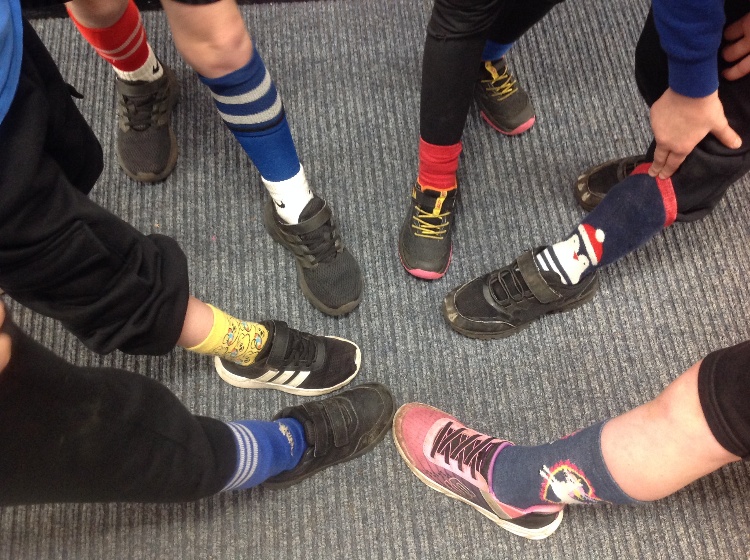
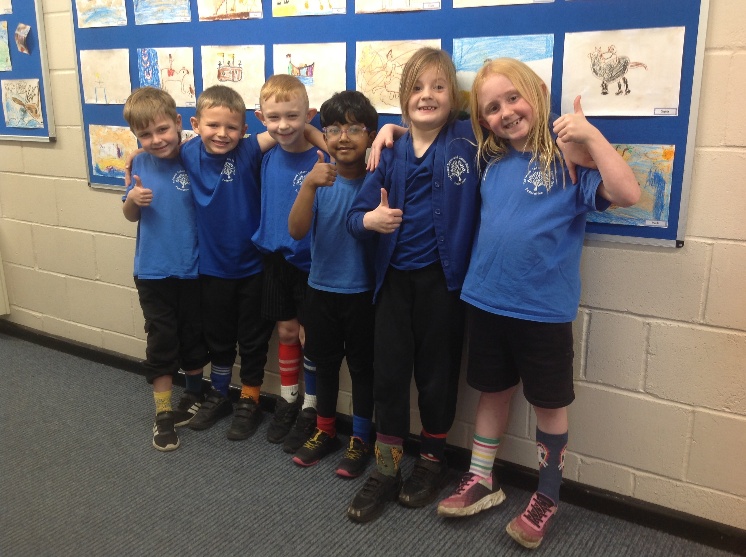
To mark Anti-Bullying Week 2026 the federation took part in the annual Odd Socks Day event on Monday 16th November. This event is an opportunity to encourage children to express themselves, celebrate their individuality and think about what makes us unique! All whilst helping to raise an awareness of bullying and what good friendship looks like.
During this week the children took part in assemblies and discussions emphasising the importance of kindness and friendship. The theme for this year from the Anti-Bully Alliance was ‘Break the Silence’. The children discussed different scenarios where it is important to speak out either to help yourself or someone else.
Reception children have been finding out about how birthdays are celebrated in other countries. They have also talked about other countries when finding out how Christmas is celebrated around the world
Year One
Our School Grounds
The children in year 1 explored their school grounds. They looked at aerial maps of the school and talked about the different rooms in school our school grounds.
In pairs, the children explored some of the areas of the school including the school field, hall and year 2 garden. They navigated through the school building to teach these places and when there discussed what they could hear, smell, touch and see, making some notes in a table.
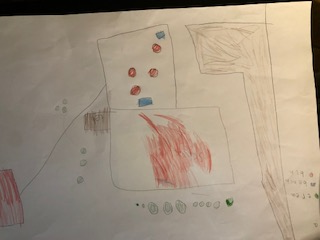
In groups, the children selected a way to make their own aerial view of the school. Some children used construction, some drew their own aerial map, some even made their own key and label.
Geography Thread – Locational Knowledge (knowing where places are in the world and where they are in relation to each other)
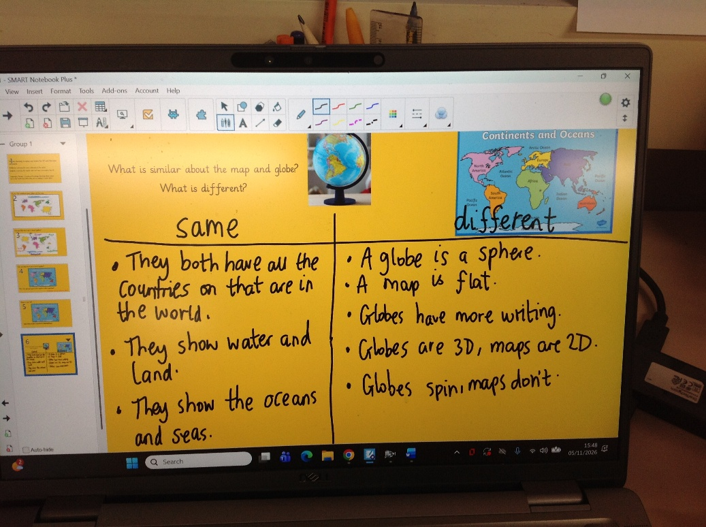
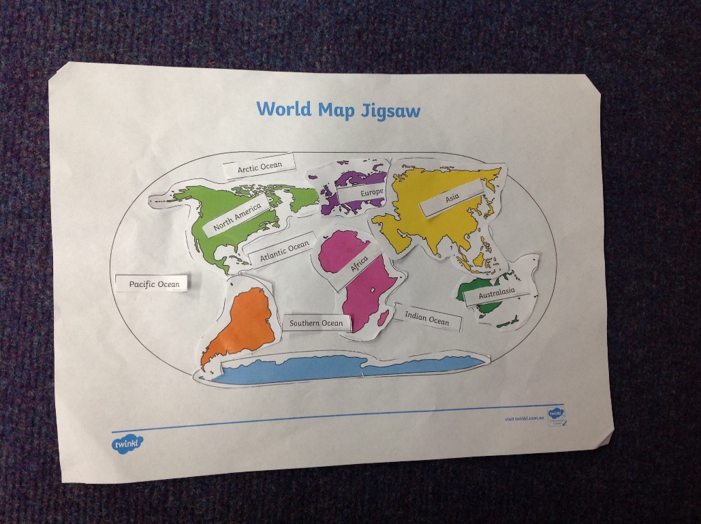
The children began our Geography learning by using globes and maps to locate the 7 continents. They compared globes and maps, talking about the similarities and differences between them. They looked at the map together and talked about the location of the continents and where they were positioned in relation to each other. The children then worked together to place the continents in the correct places on the map.
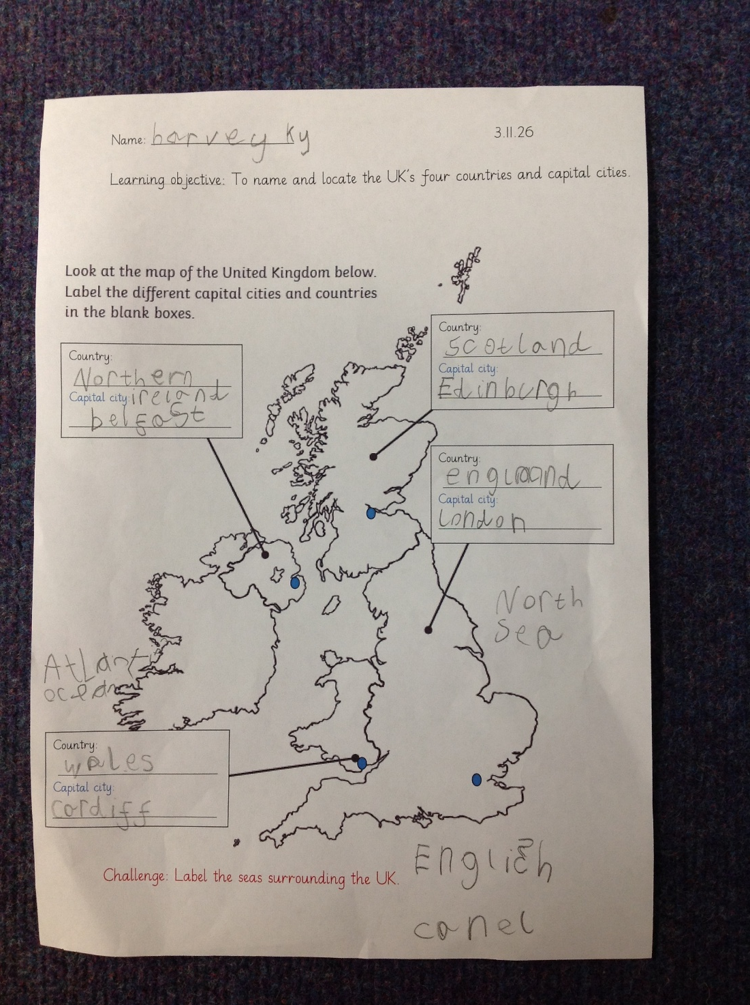
They then located the UK on the map and looked at this part of the world in more detail. They located the four countries of the UK, discussed the well known landmarks and features of them and identified their capital cities.
Finally, they learnt about the 5 oceans in the world. They learnt about what an ocean is and located the different oceans on the world map. They discussed their positions in relation to the continents they had previously learnt about. They used posters about each one to answer questions about the different oceans.
Reception children looked at photos of themselves as babies and compared with how they look and what they can do today. They also learnt about birthdays.
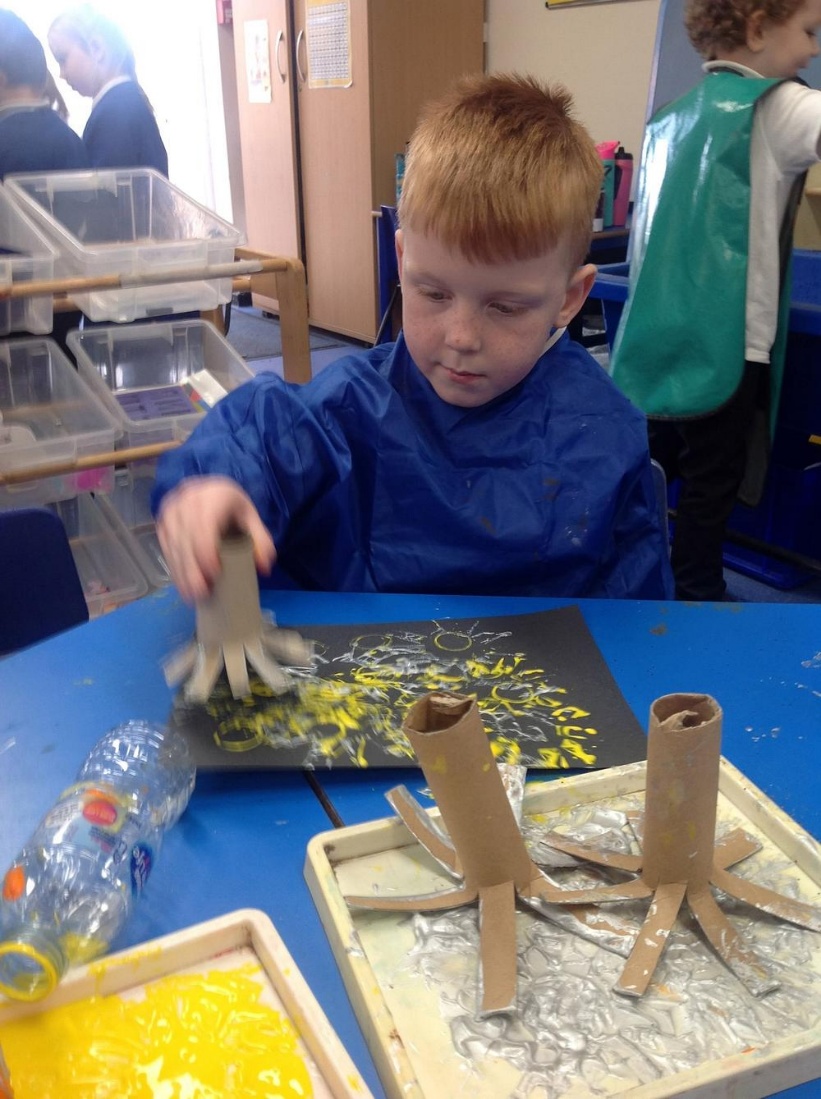
Reception looked at what bonfire night is and how people can celebrate bonfire night such as watching fireworks or lighting a bonfire. They learnt about the story of Guy Fawkes to find out why people celebrate on the 5th of November. They also looked at pictures of the Houses of Parliament and had a go at building these in our construction areas in the classroom. They also had the opportunity to create some fireworks artwork using paint and glitter.
Year 1
History of toys in living memory
Year one children discussed the photographs sent in from home of their favourite toys and those of their parents.They made comparisons between toys from the past and toys that they buy today. They discussed similarities and differences with what the toys were made from, how they move and work and safety of toys now and in past.
Children also discussed how toys have changed and evolved, like toy cars. They talked about how previously they were made from tin and could only go in straight lines and how they have changed to be able to be remote controlled, made from plastic and use batteries. Children enjoyed a handling session with the toys to explore their properties and how they work.
Local History- Dereham
Year one children have been looking at recent photographs of Dereham and comparing them with photographs from the past. Children did a great job with noticing how Dereham has changed, including transport, roads, signs and clothing. They also noticed some familiar buildings which have not changed very much. ‘I know it’s not my Dereham because my Dereham doesn’t have a parking doesn’t have a parking sign,’ said J. ‘That’s old ‘cos cars don’t look like that,’ said R.
When discussing the history of Dereham and how Dereham got it’s name, the year one children learnt about the story of Saint Withburga. They created their own signs incorporating elements from the story.
Year 2
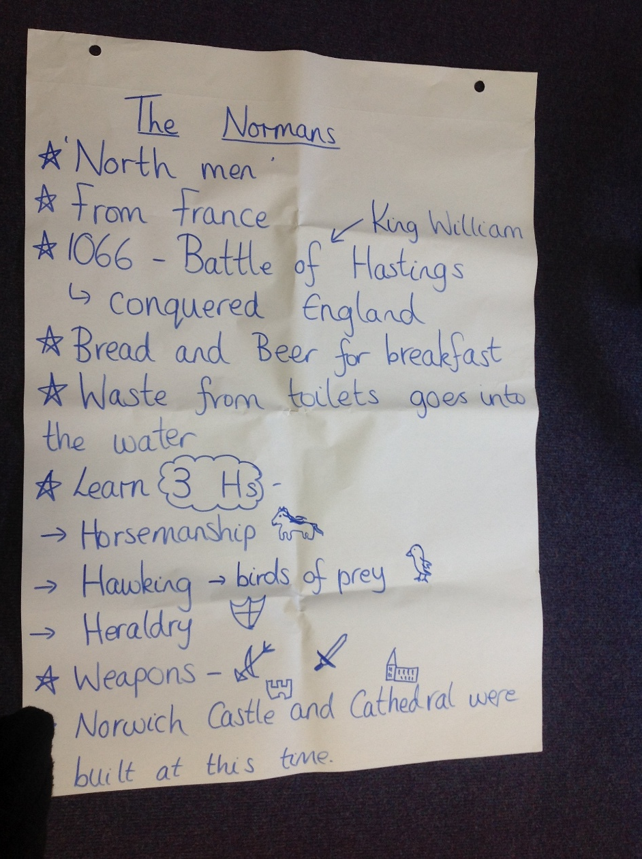
The children began their history learning by learning about the Normans and how they lived in the past. They gathered information as a class about the different way of life.
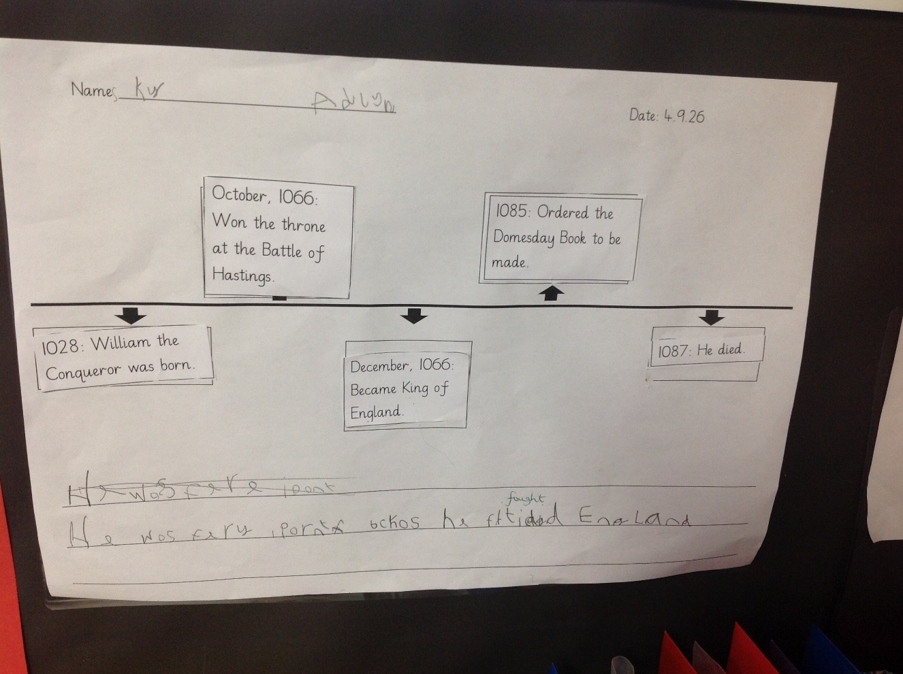
They then learned about the Battle of Hastings and specifically about William the Conqueror who became of the King of England in 1066. They learnt that the Bayeux Tapestry tells the story of the Battle of Hastings.
The children learnt about the significant impact William the Conqueror had on our local area, in particular he ordered the construction of Norwich Castle. Norwich Cathedral was also built at this time and they compared these two historic buildings.
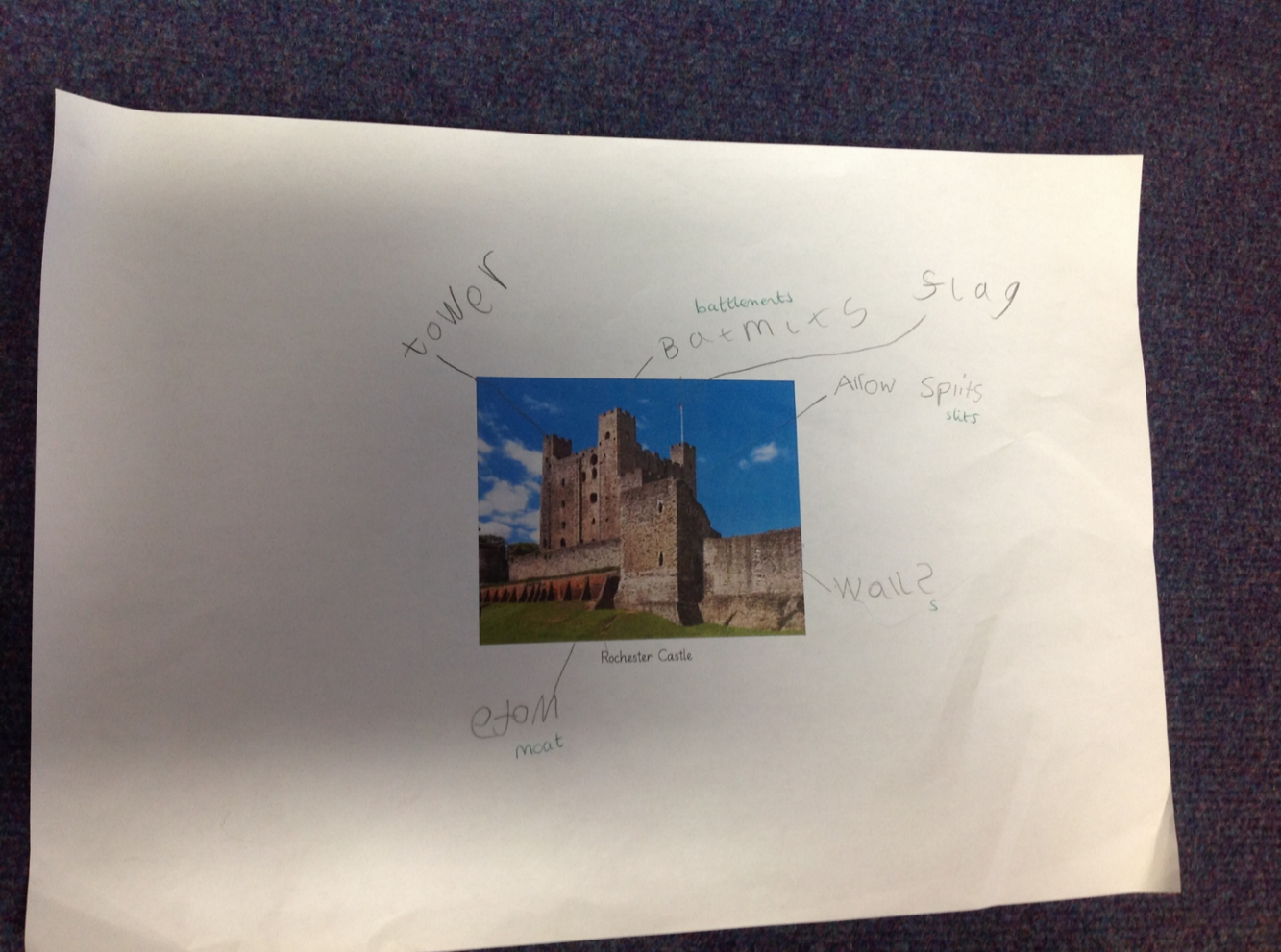
They learnt about other castles around the UK and looked at the different parts of a castle, identifying these on real photos of castles. They learnt about how the different parts helped those inside defend the castle.
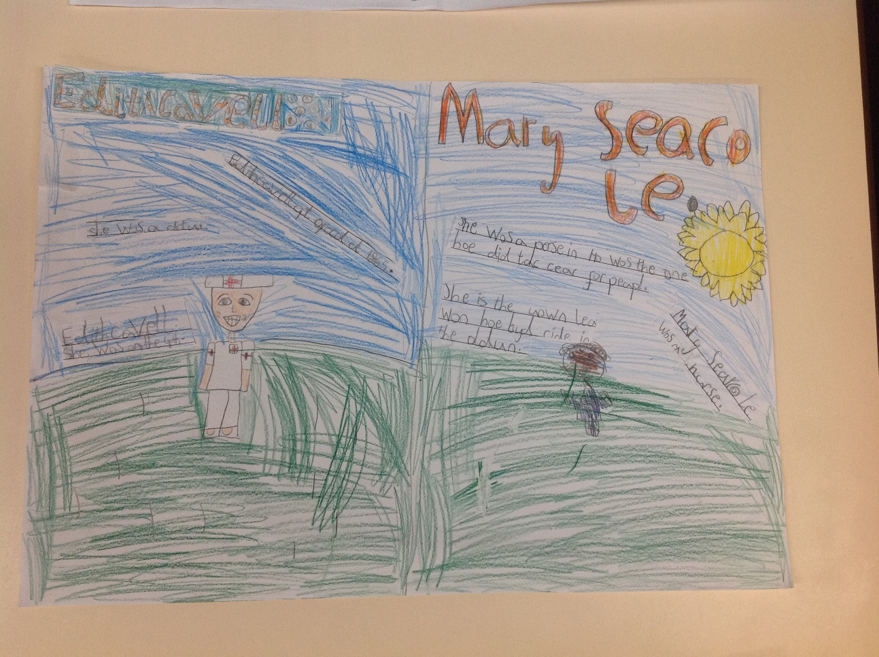
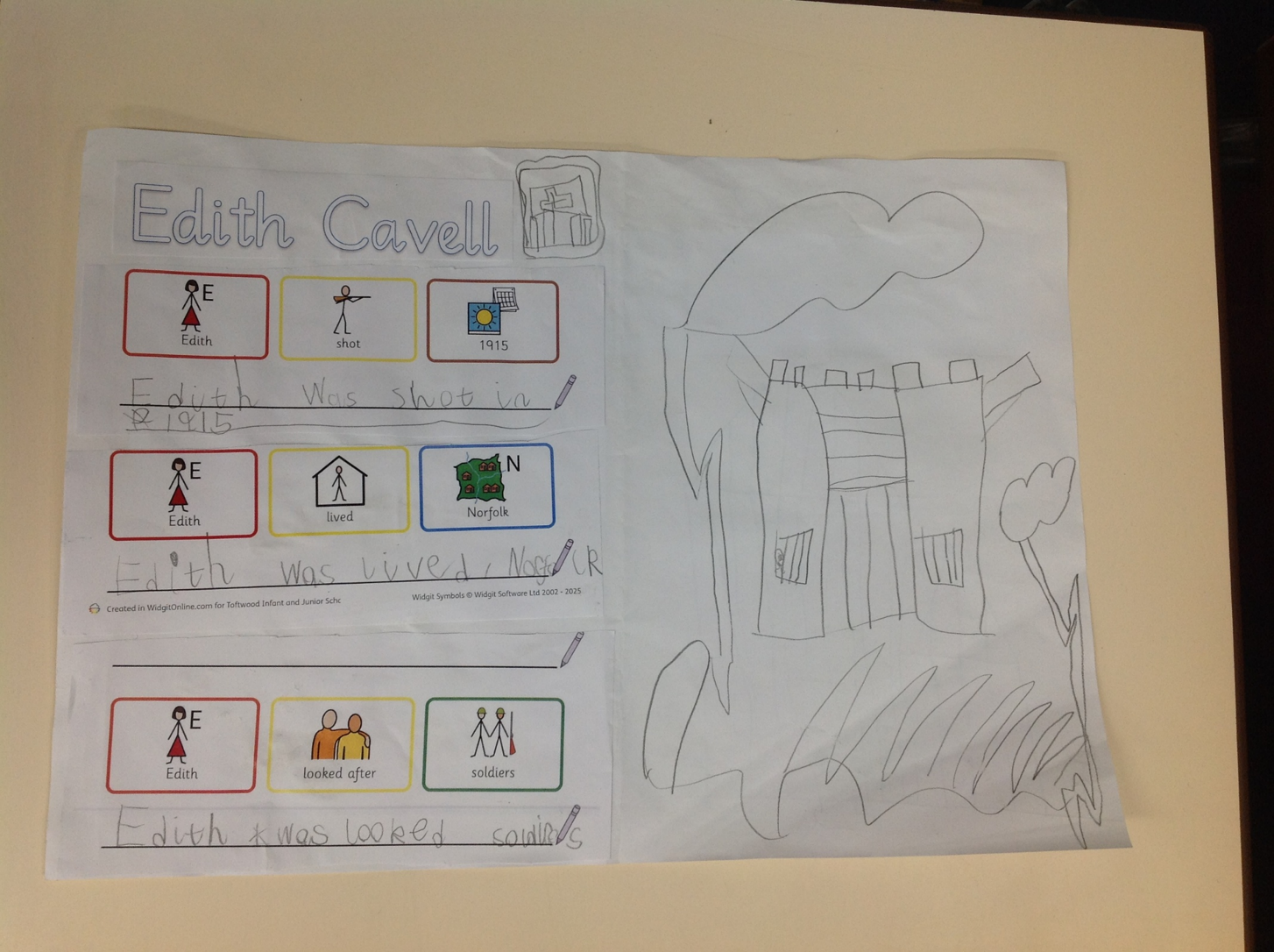
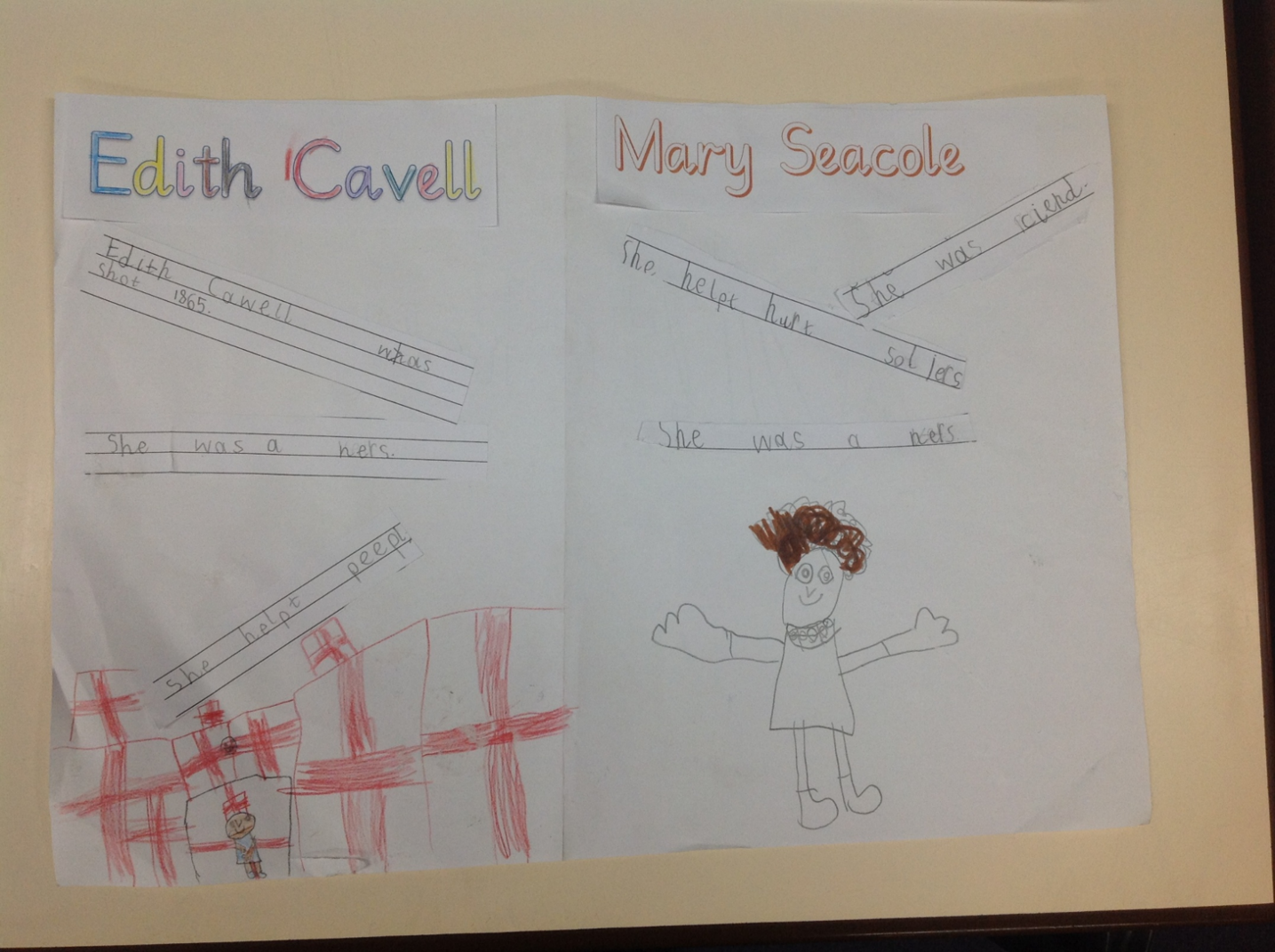
The children also learnt about two famous women in history – Mary Seacole and Edith Cavell. Edith Cavell was born within our locality and the children learnt about there is a statue of her at Norwich Cathedral. The children learnt about the lives of these women and why they were both influential nurses. They created two page spreads about their lives.
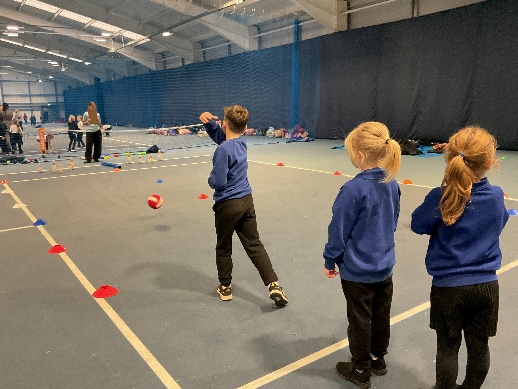
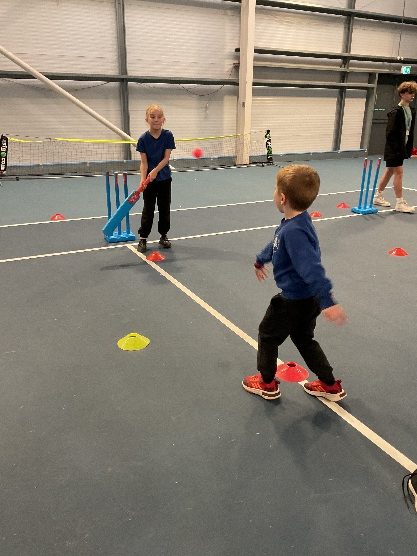
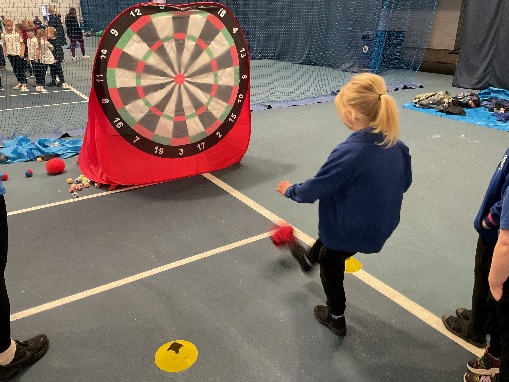
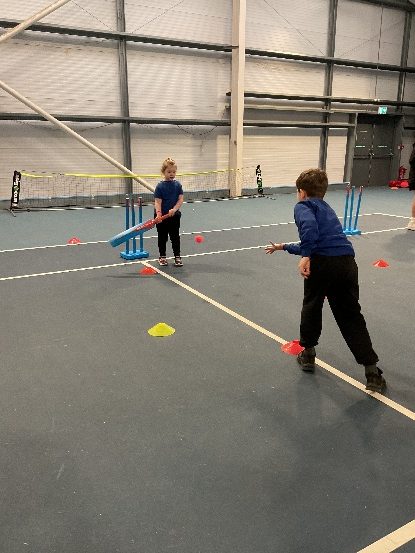
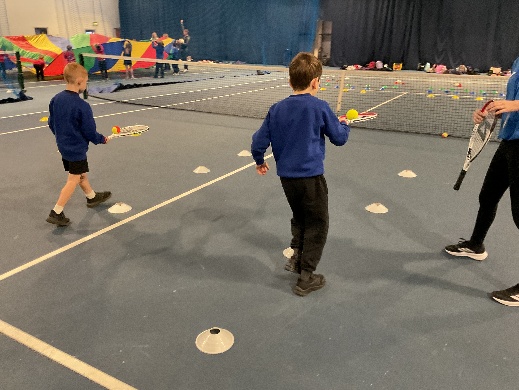
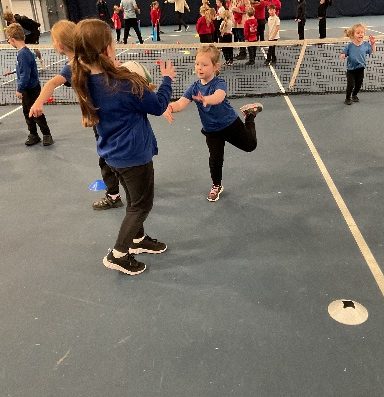
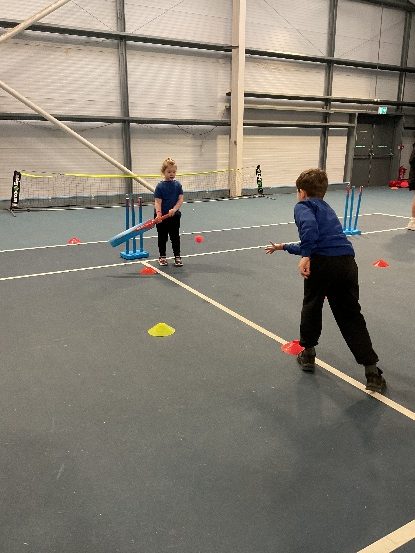
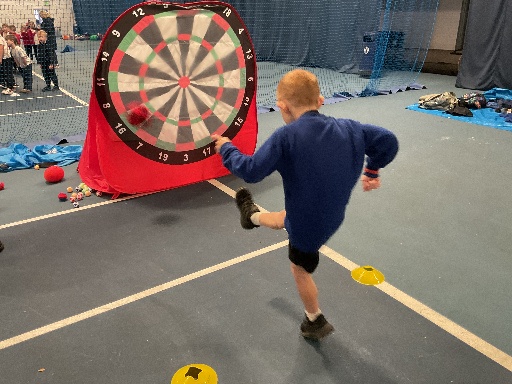
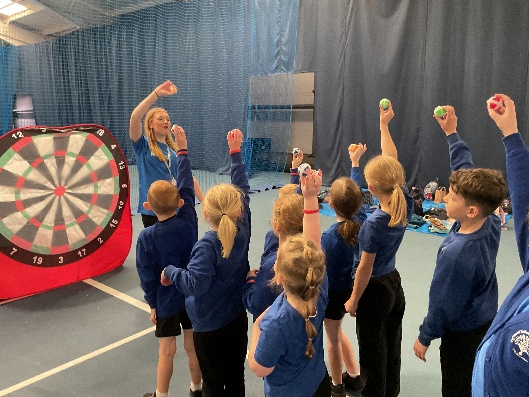
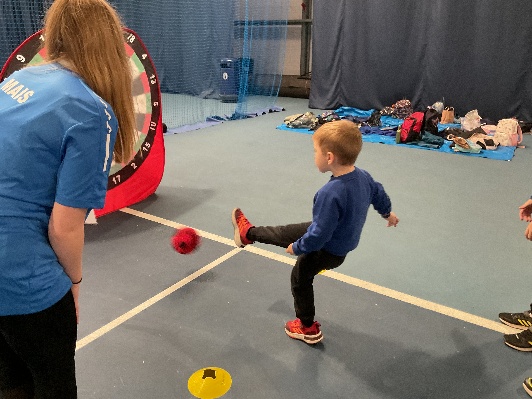
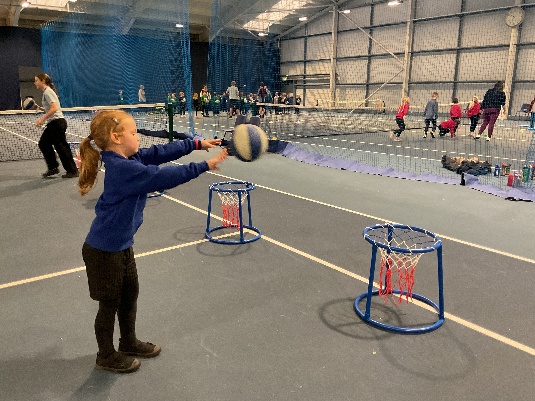
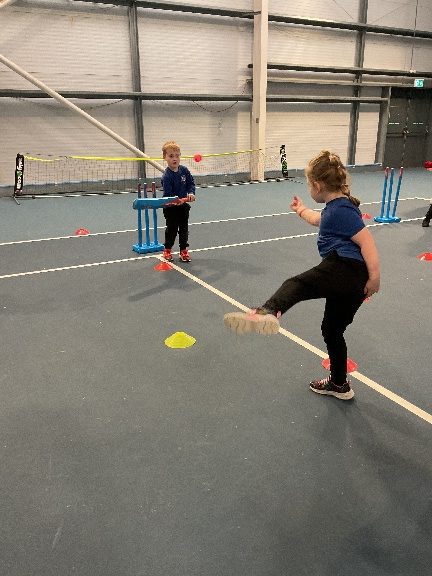
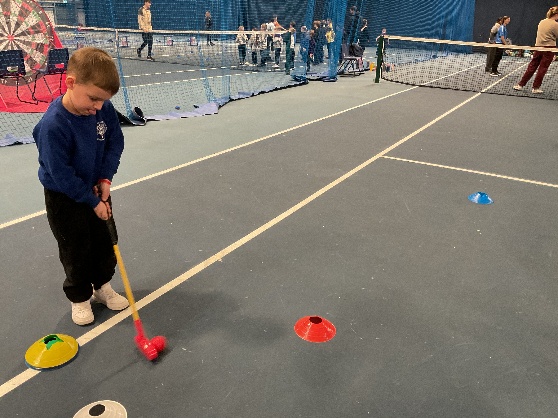
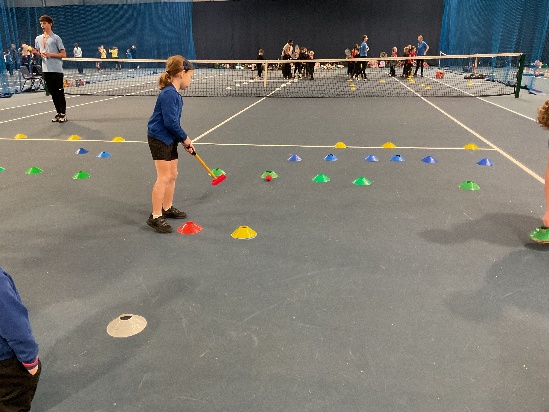
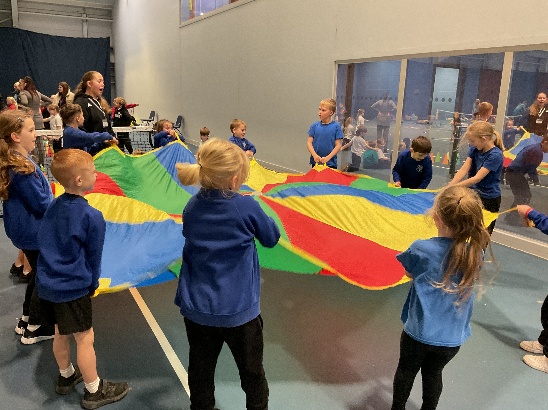
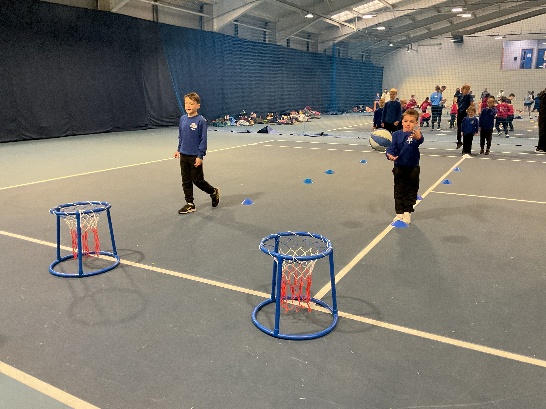
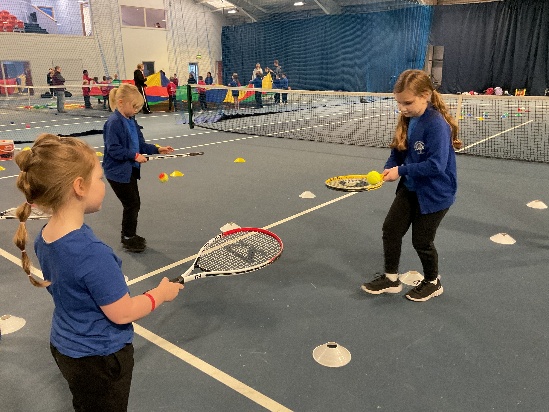
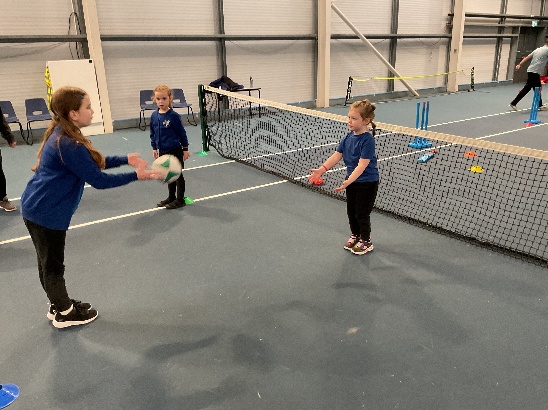
On Tuesday 16th November, 22 children from year 1, 2 and part in the West Norwich & Dereham Multi Sports Festival at Easton Tennis Centre.
The festival had 8 different sports based activities for the children to try and learn some of the skills needed to play the different sports. These included tennis, tri golf, basketball, cricket, rugby, bowling, football and parachute games.
At the end of the morning each school chose a child to be awarded a special certificate for showing ‘passion’ which was the theme of the event. The children enjoyed the different activities and represented the school wonderfully!
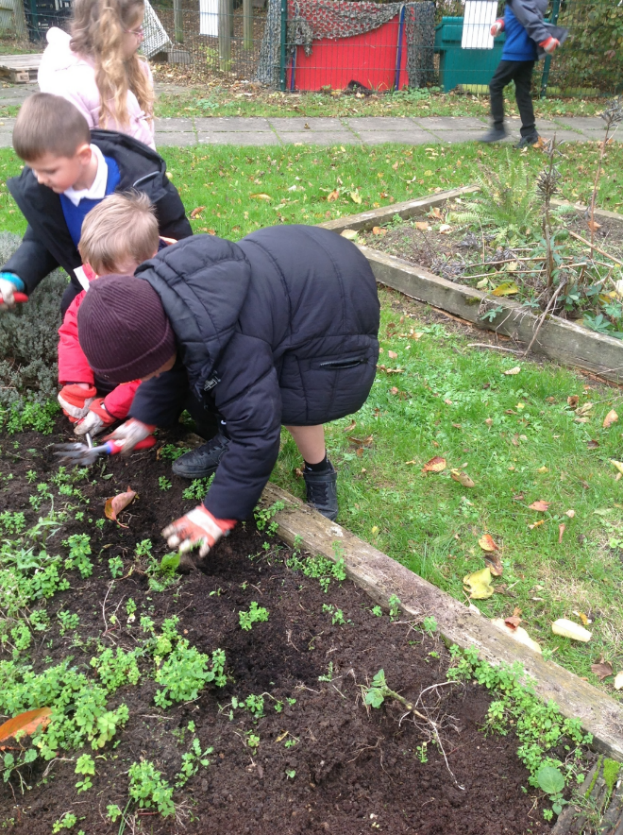
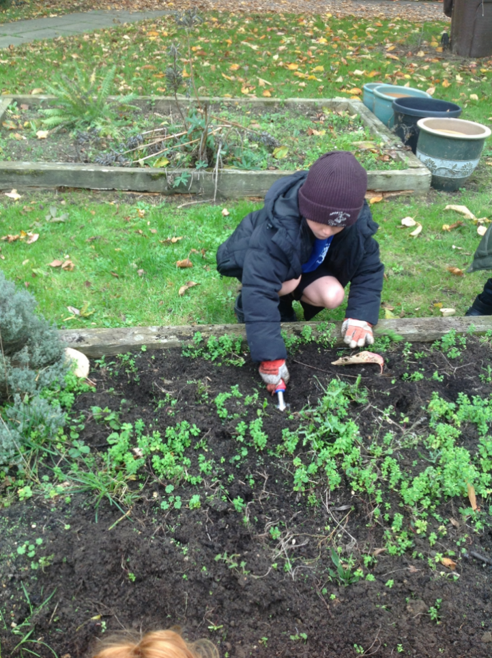
With the lovely mild Autumn weather we have had at the beginning of the autumn term the children have been hard at work weeding and tidying up the raised beds ready for winter to set in. When we came back to school after the summer holidays, the beds were very over grown but still had many beautiful wild flowers for us to admire. We have now stripped them back, digging out the last of the potatoes and have made some grand plans for our vegetable beds in 2027. We were very surprised at how many insects and worms were living in our raised beds and we had a fun time trying to identify them all!
Time for a rest before the springtime is upon us once again!
Remembrance Day was marked in an assembly at the Junior School. The children learnt about Armistice Day on the 11th November 1918. At 11 o’clock on that day, nations who were fighting laid down their weapons and this signalled the end of the war (known then as the “Great War”). Today, we know it as the First World War. Armistice is an agreement for peace.
One year later, the first two-minute silence was held. King George V had asked the people of Britain to pause and remember all those who had fought and died in the service of their country.
In in 1920, King George unveiled the nation’s new war memorial called the Cenotaph, where people go to remember the fallen.
The children listened respectfully and with interest. They then participated in a two minute silence.
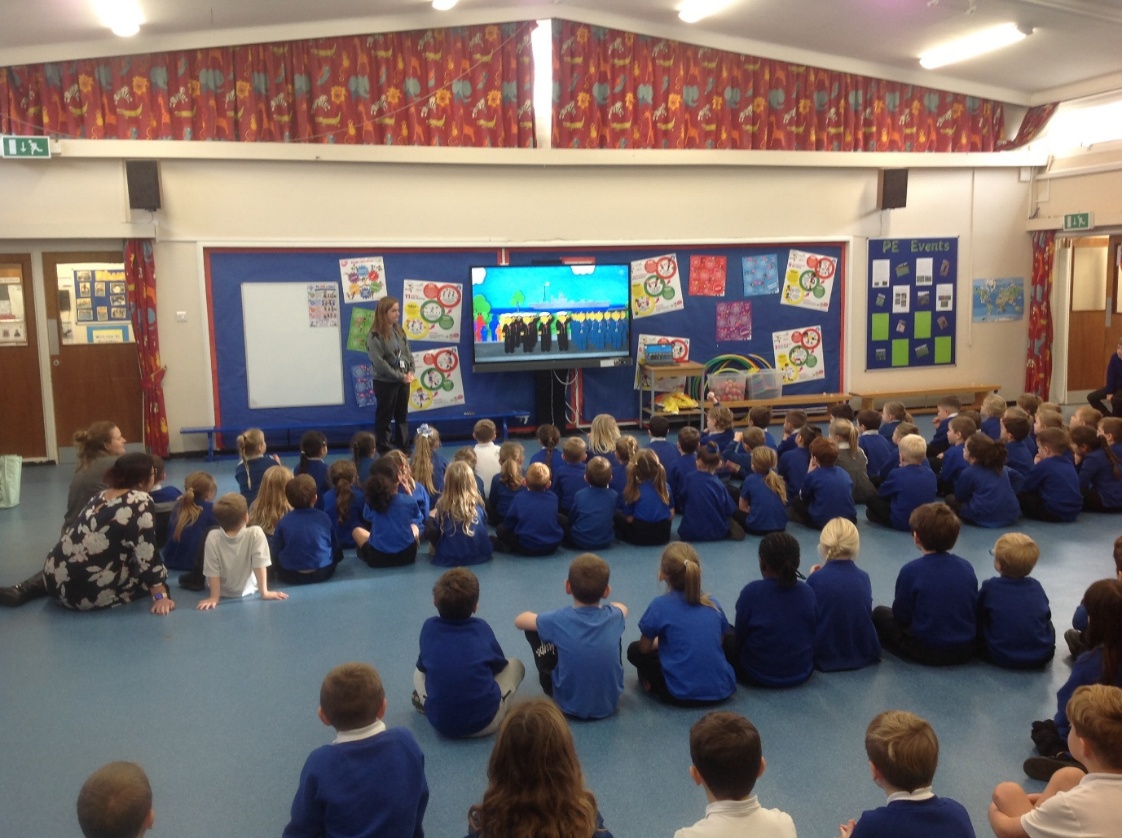
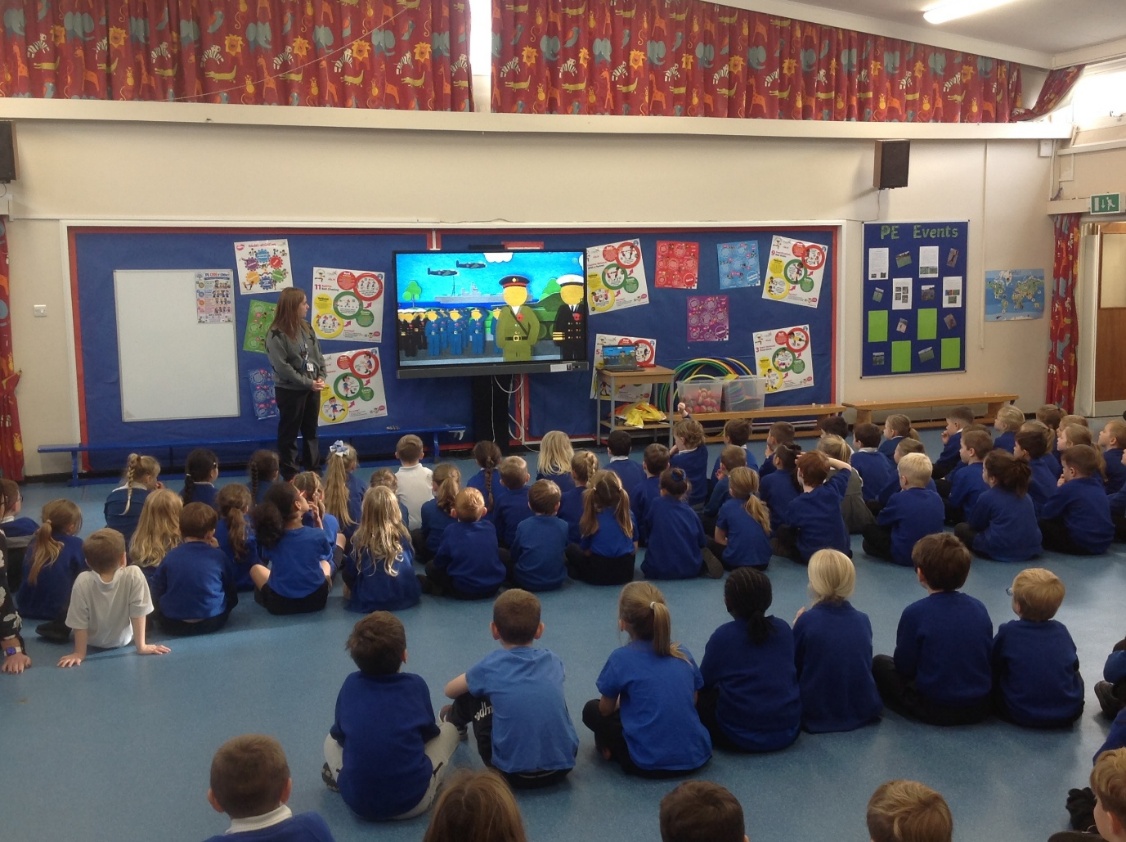
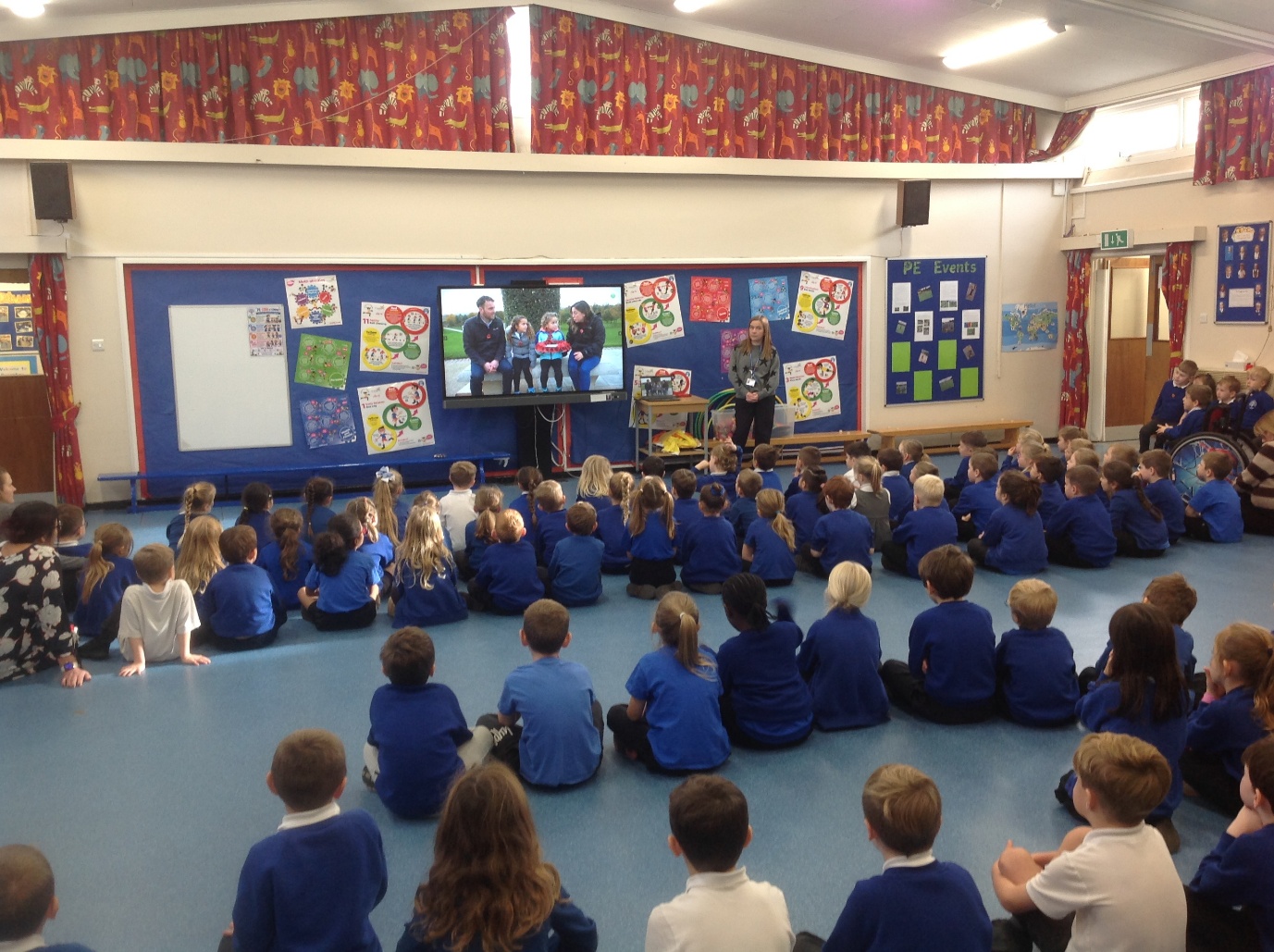
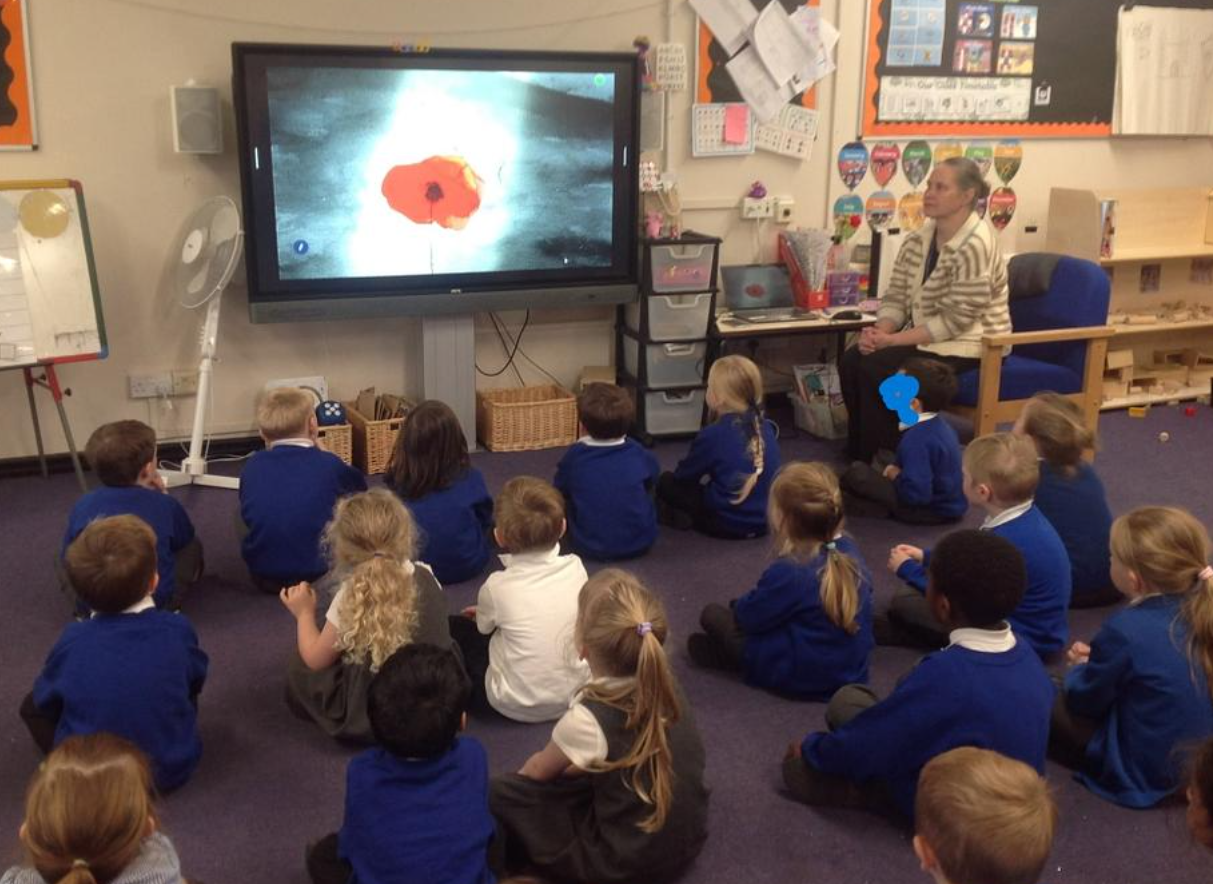
On Wednesday 11th November years one and two at the Infant School met for an assembly just before 11am to watch a short video explaining what we do on Remembrance Day and why. The children were then joined in the hall by the kitchen and office staff to listen to the Last Post and for a two minute silence. After the silence, some of the children shared their experiences of watching the Remembrance Day parade in Dereham at the weekend. They also watched the short Cbeebies animation – Poppies. All the children sat and listened beautifully and were very respectful during the silence. During provision, year one also had the opportunity to create poppy pictures using paint, as well as Remembrance Day word searches and colouring.
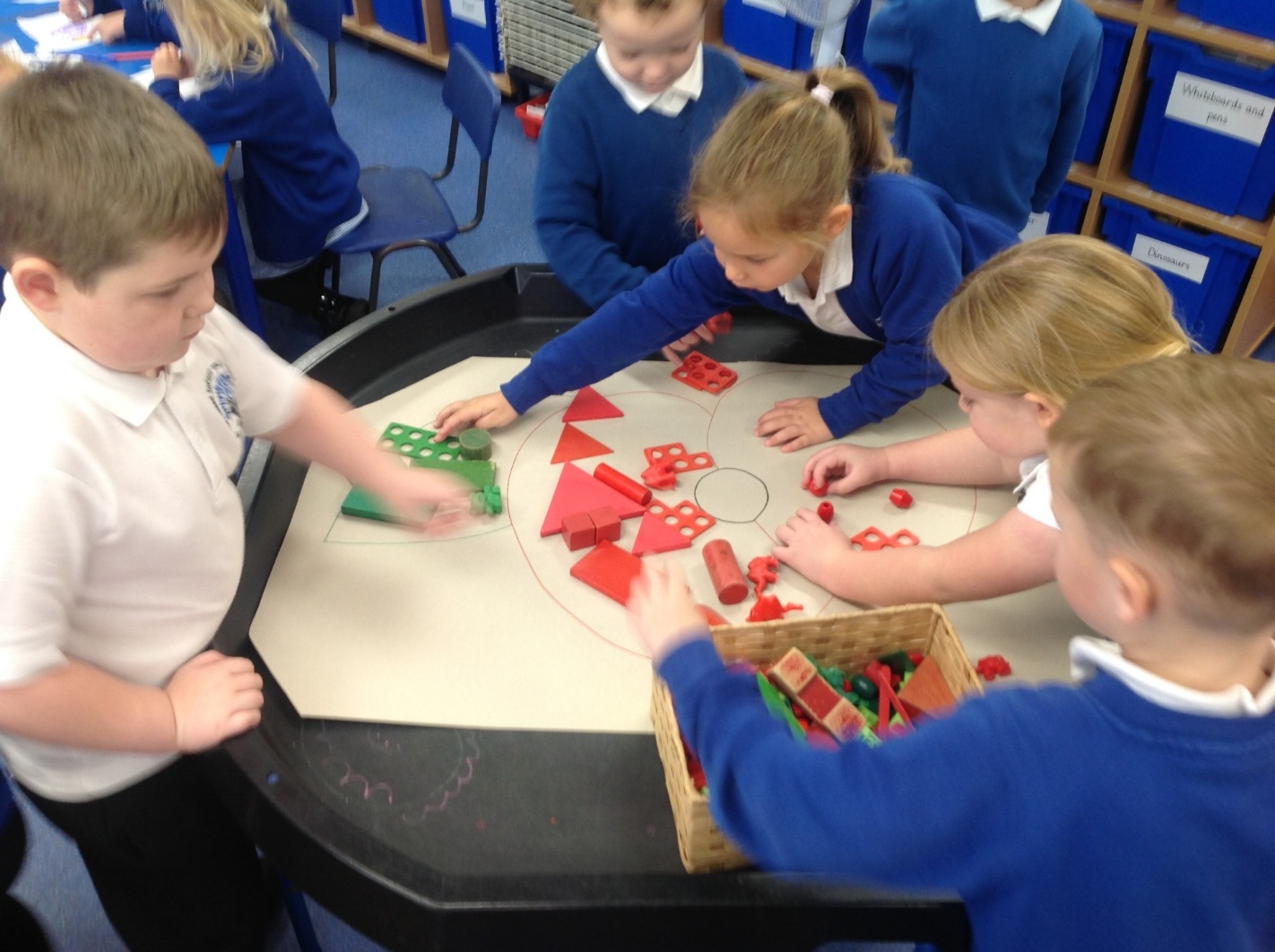
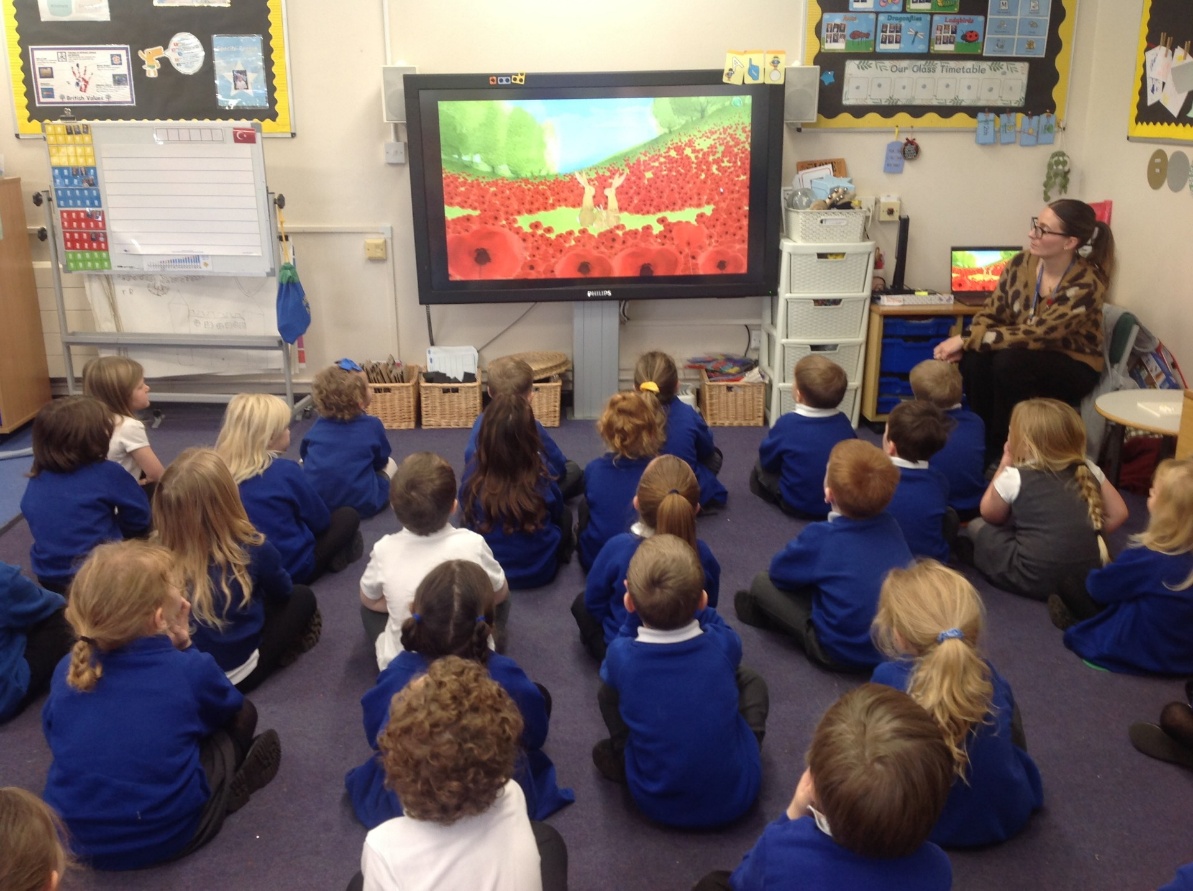
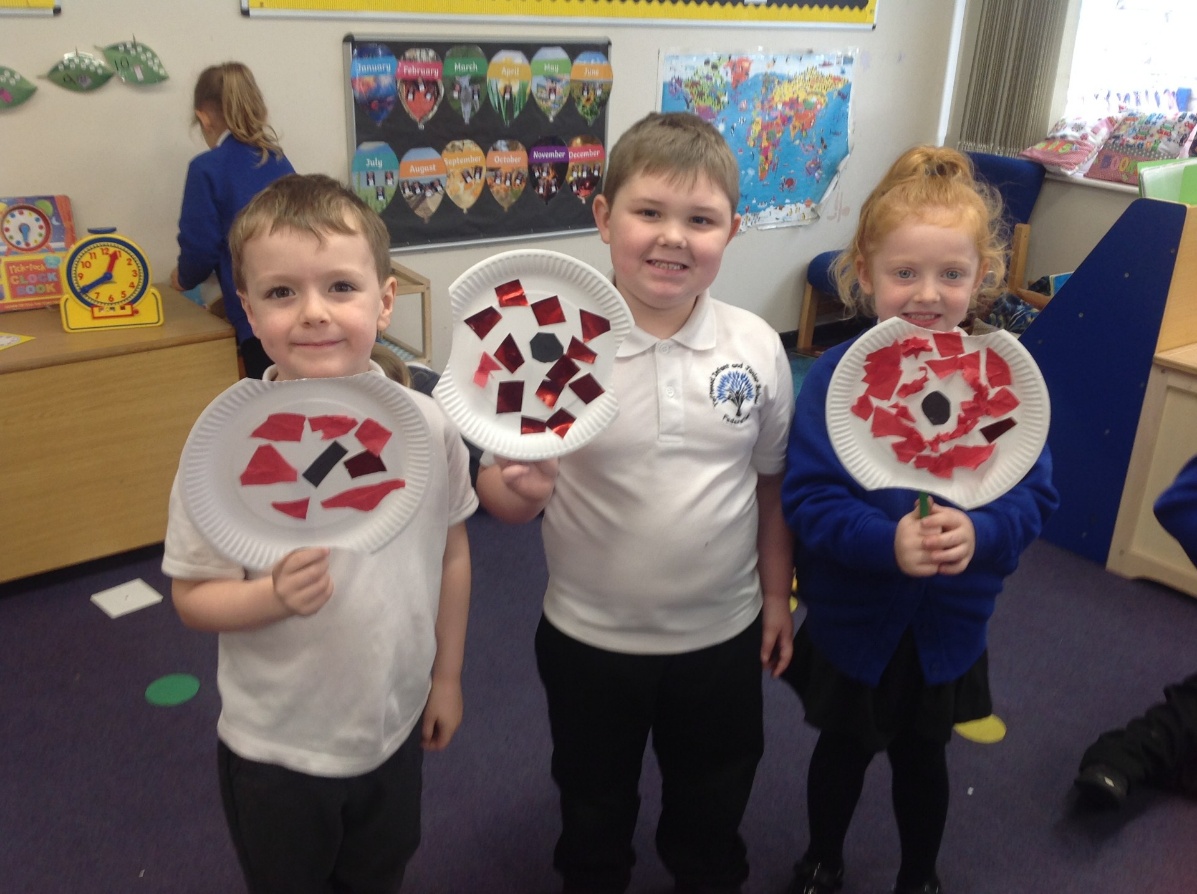
Reception classes found out about Remembrance Day. They watched the short Cbeebies animation – Poppies, as they completed their two minute silence. Reception children had the opportunity to create a giant poppy with loose parts and make poppies using a variety of materials.
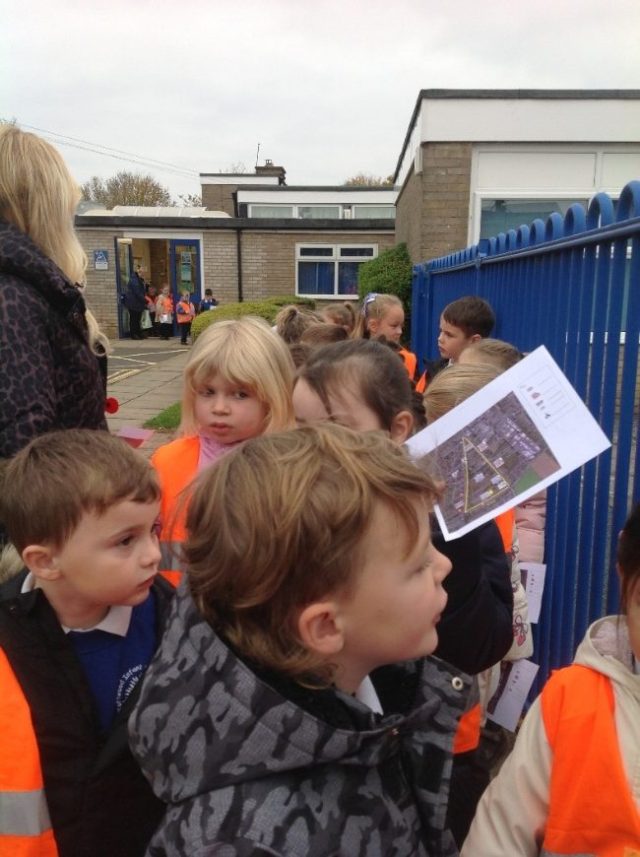
The children in year one have been exploring the local area of Toftwood. They began the week by looking at photographs and aerial maps of the local area to see what they could see and talked about the different things they knew about Toftwood. They looked at the route they would be taking and the map symbols.
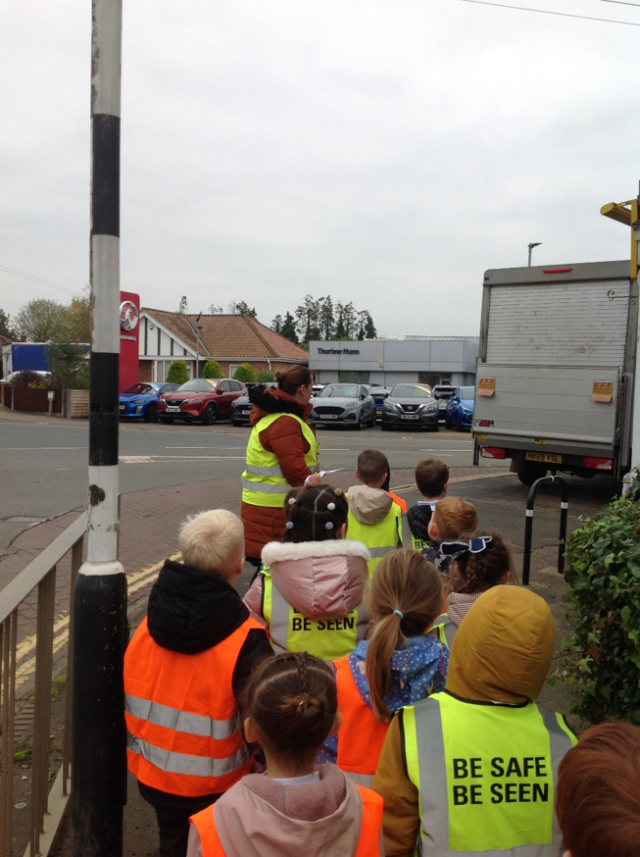
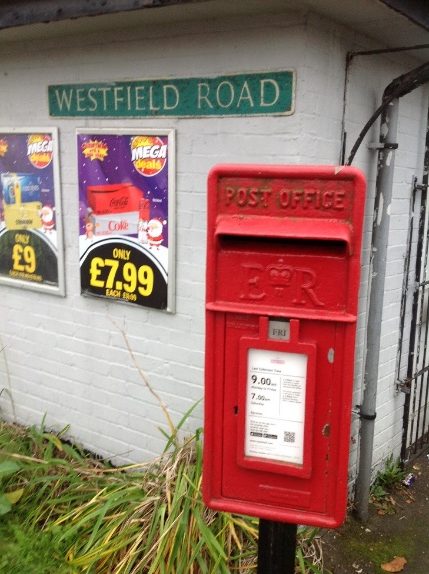
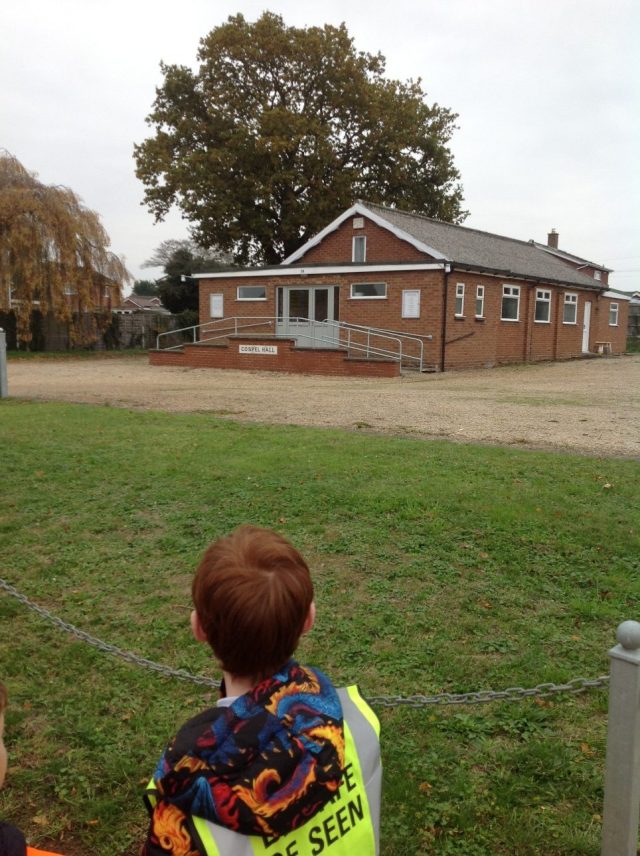
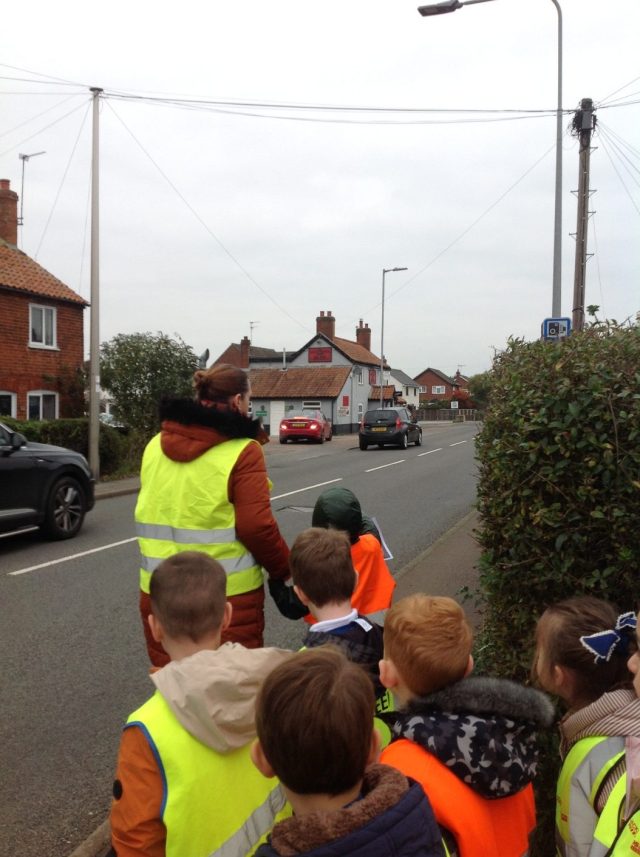
On Friday, the children went on a walk around Toftwood and identified different features in their local area including shops, chuches, houses, the village hall. They had their own maps and identified different places on the route. When the children returned to class, they recalled what they saw and talked about experiences of these places. ‘That’s the hall where I go to Rainbows,’ said G. ‘Here is Toftwood Junior School and that is the park I go to,’ said J, as he pointed to the features on the map. ‘That’s the pub where I go to Halloween and they have lots of balloons and it’s sort of like a cafe,’ explained another child.
This term in Year 4, ‘We have recapped our prior Year 3 skills and then looked at ‘The Lost Happy Endings’ by Carol Ann Duffy as part of our English learning on traditional tales.. The task was to write an alternative ending to ‘The Lost Happy Endings’. The children were able to incorporate fronted adverbials throughout their writing, which supported their descriptions. The children really enjoyed working together as a team, thinking about the five senses: touch, sight, smell, hearing and taste. They then incorporated some of these into their alternative ending.
Guided Reading
This term we have read ‘Alice’s Adventures in Wonderland’ by Lewis Carroll. As well as a poem: ‘The River’ by Valerie Bloom. The children have enjoyed the humour as we have looked at unfamiliar vocabulary, predicting what might happen next, making inferences, explaining the themes and patterns across the text, retrieved information and key details and summarised the main ideas all these using our VIPERS skills.
PE
Throughout this half term, Year 4 have been focusing on hockey. The children learnt how to correctly hold a hockey stick, how to pass a ball accurately and how to play co-operatively and safely together. The children enjoyed using a range of tactics to get into a good position to score a goal. It was fantastic to see all children supporting each other to better their hockey skills.
D.T.
In Design and Technology, we have made an apple turnover, following the recipe to make our own shortcrust pastry and accurately weighing, measuring and working together as a team to be successful. They smelt delicious and tasted great.
Art
This term, we have looked at Claude Monet and his pencil sketches. We have revisited techniques such as hatching and cross hatching, as well as, stippling and random hatching. We have also thought about tone and practised continuous shading. This led to sketching a tree-lined avenue similar to Monet’s Alley of Trees.
Computing
In Year 4, the children started the school year by learning about Computer Systems and Networks. The children learnt how networks connect and could recognise how networked devices make up the internet. They learnt how information can be shared via the world wide web and the devices that can be used to access it. The children looked in depth at the some of the content on websites to decide whether we could view, download or use the content. We finished the topic by discussing whether we could believe everything we saw on the
Science
In Science, the children have been looking at how we hear sound and have learnt the names of different parts of the ear. We thoroughly enjoyed trying out the different experiments to discover that sound is made by a series of vibrations. The children’s favourite experiment was using the tuning fork in the water (even if the vibrations from the tuning fork did make the water splash a little)!
Maths
We started the year learning about place value, we then continued with the following topics: addition, subtraction, area, multiplication and division. During these topics, the children were able to use equipment such as Base 10, Numicon, multiplication grids and place value counters to support them with their learning. During the topic of addition and subtraction, some children were able to successfully add and subtract 4-digit numbers with more than one exchange using the formal methods. We were impressed how carefully the children presented their work ensuring that the calculations were lined up accurately.
Spanish
This Autumn, we learnt our numbers 0-31 as well as months, days and birthdays. We used this knowledge to have simple conversations with each other and consolidated it using Language Nut.
Music
In Music, we have explored improvisation, composition and notation through the song ‘You Can See It Through’. This is an example of Electronic Dance Music (EDM) and the children absolutely loved using the glockenspiels and creating their own composition using a selection of percussion instruments.
RE
This term, Year 4 looked at the big questions: ‘Where do religious beliefs come from?’ We learnt more about the religions of Christianity, Hinduism and Judaism to help us answer the first question.
History
We have learnt about the Romans and how they expanded their territories across Europe and Africa. We discovered the variety of housing settlements within Ancient Rome and the impact of the Roman legacy on Modern Britain today.
PSHE
This Autumn, we have been exploring relationships between families and friends, including what is safe and respectful. We have looked at respecting ourselves as well as others and what this means to us.
Roman Day Autumn 2026
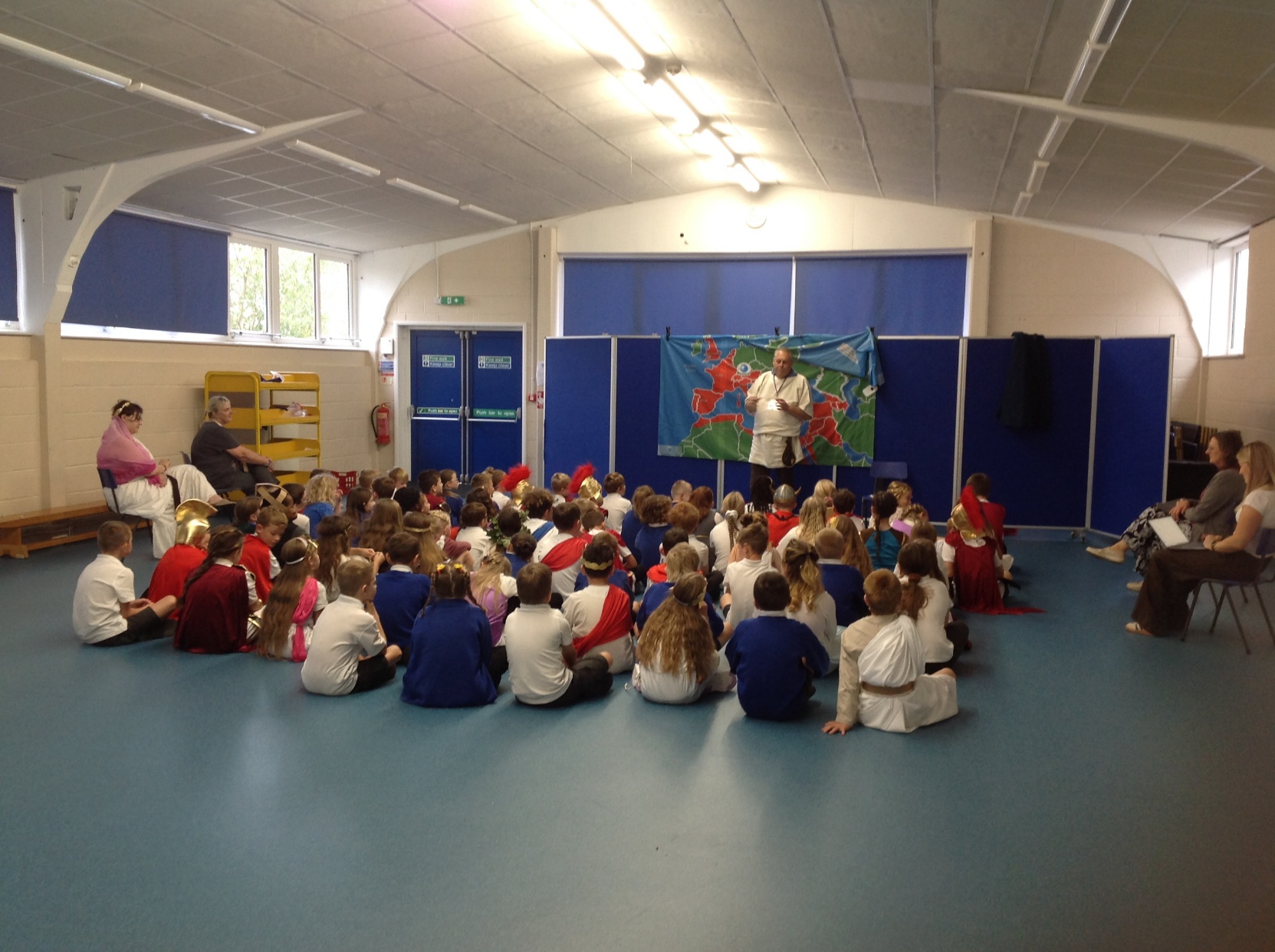
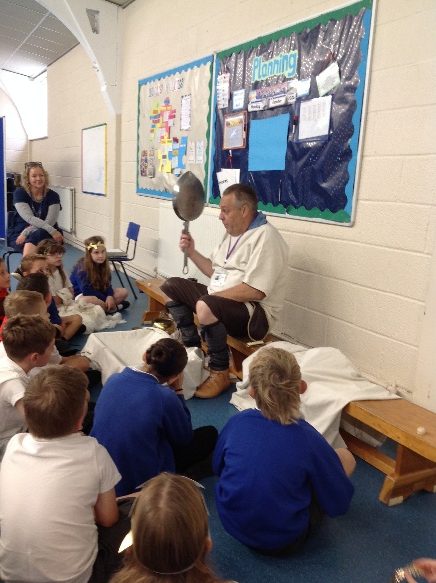
On Wednesday 7th October, Markus a Roman Citizen joined Year 4 for the day.
He began by showing the children a giant map, which revealed the Roman Empire. He highlighted where the Roman Empire began and the most important city in Italy, Rome. Markus described how the Roman Empire grew and where Britain was first invaded.
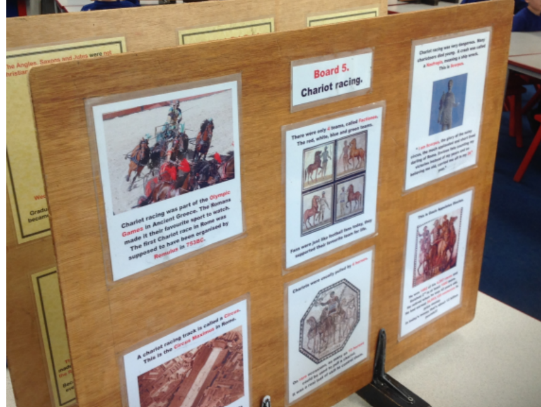
In the morning, the children took part in three activities. The children had a wonderful time hunting for the answers to a Roman quiz. They had to scan the information to find the key words and use the picture clues, which would help them to answer questions from eight different categories.
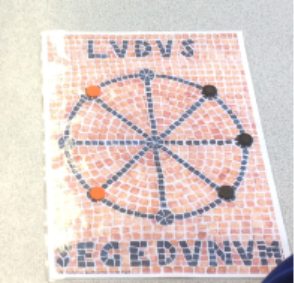
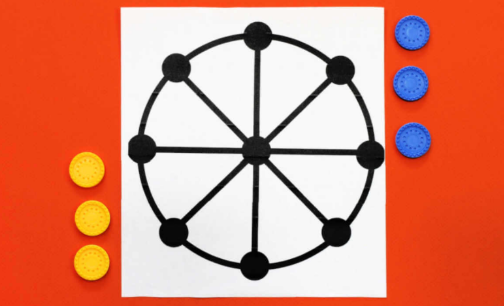
The children were taught how to play a Roman game called Ludus Segedenum. The game was found at a Roman fort at Binchester, Newcastle. It was a game played in much the same way to noughts and crosses although the board was set out in a similar way to Ludo. The children had to place their 3 counters on the board to make three in a row; however, the counters could also be used to block their opponents. The children found great strategies for winning including placing their counters either side of their opponent’s counters to force them to move their middle counter.
The final group looked at a variety of Roman artefacts including a grinding stone, pots, jugs, water bottles, knives used for cooking and a bag used by the Roman army to collect food that they had foraged while marching. The most memorable artefact for the children was the sponge used by the Romans to wipe themselves after going to the toilet! Markus described how after being used these were then washed and put in a pot for the next Roman to use!
In the afternoon, the children were intrigued to see a whole range of Roman weapons including spears, shields and swords. Some children were able to try on a helmet and armour that a Roman soldier would have worn in battle. The children were taught how to march using commands, they looked very impressive walking back and forward across the hall! The day ended with a battle re-enactment between the Romans and the Britons, this allowed the children to refresh their learning about Boudicca.
The Year 4 team were very impressed with the enthusiasm and interest demonstrated by the children. A great day was had by all of us!
The children have made a fantastic start to their final year at primary school and should be very proud of everything they have achieved this half term. They have settled quickly into Year 6, embraced new responsibilities and approached their learning with enthusiasm, resilience and maturity.
In English, the children have developed a range of important writing skills. They have revised key grammar concepts including relative clauses and parenthesis, explored first-person narratives, written thoughtful World War Two letters, and produced detailed instructional texts. They have also focused on improving presentation, handwriting and editing skills, taking pride in their finished work.
In Maths, the children have built strong foundations in place value by comparing and rounding numbers before moving on to factors, multiples and prime numbers. More recently, they have tackled the four operations, including long multiplication and long division. These challenging concepts have required perseverance and determination, and the resilience shown by the children has been particularly impressive.
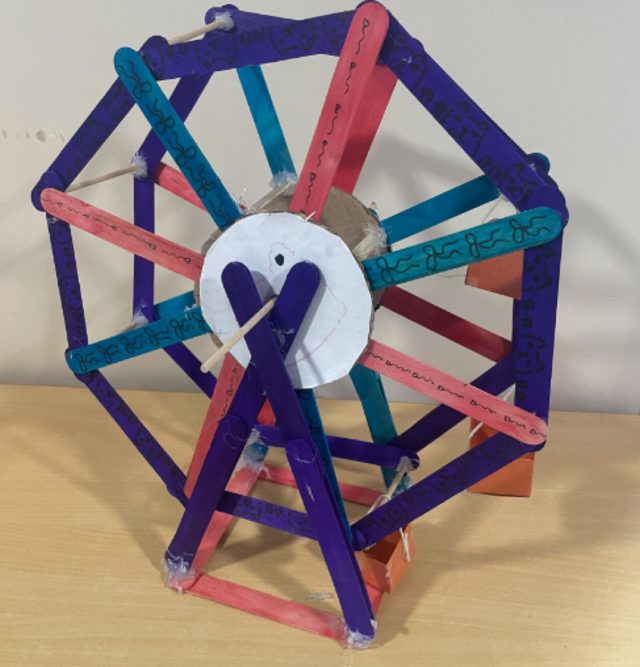
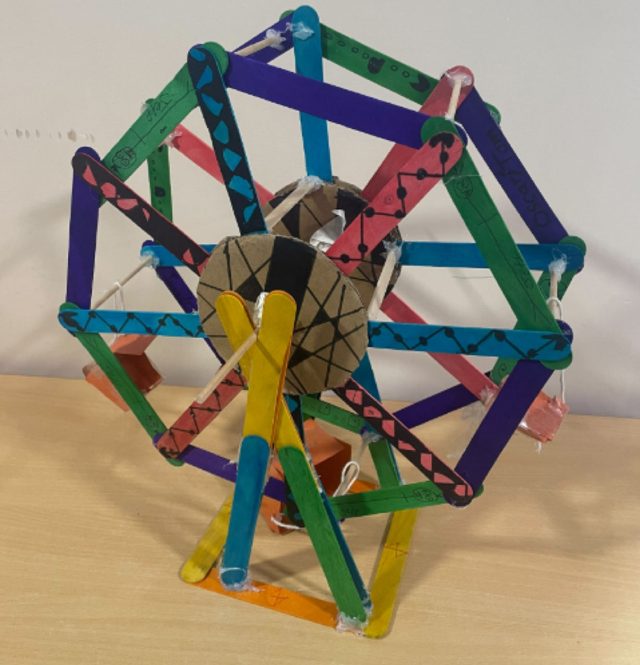
Our wider curriculum learning has been equally exciting. In Reading, we have enjoyed exploring When the Sky Falls, developing retrieval and inference skills while learning about life during World War Two. In History, we investigated why East Anglia became known as a “mini-America” during the war. In PE, the children have developed their cricket skills through bowling, fielding and improving accuracy. In DT, they have designed and begun constructing their own Ferris wheels, demonstrating creativity, teamwork and problem-solving skills.
It has been wonderful to see the confidence and independence of the cohort grow throughout the half term. We are incredibly proud of their hard work and look forward to seeing them continue to thrive during the rest of the year.
We use cookies to ensure that we give you the best experience on our website. If you continue to use this site we will assume that you are happy with it.