RE Autumn Term 2025

Reception

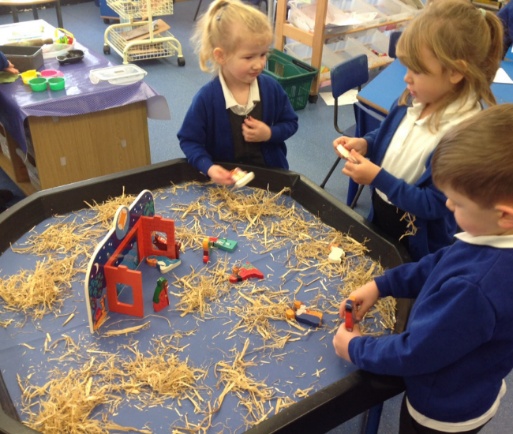
This term we have looked at the story ‘A Good Shepherd’ from the bible. We found out that the bible is a book that is special to Christians. We learned that one day a shepherd counted his sheep to find that one was missing. Instead of forgetting about his sheep he looked everywhere for it until he found it. We talked about how this shows that all of the sheep were special to the shepherd. We then thought about how we were like the sheep and that we are all important. 

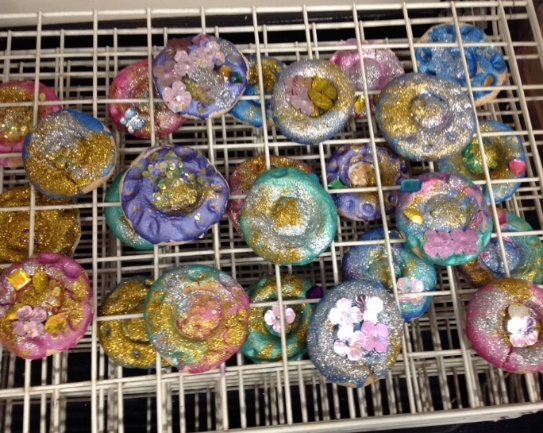
We then learned about Diwali, the Hindu festival of light, and took part in a workshop with Miss Helen. We found out about the story of Rama and Sita and enjoyed retelling the story together, dressed in traditional clothing, danced to some music and made our own diva lamps out of clay. 
Year 1

This term the children covered two enquiry questions:

“What do my senses tell me about the world of religion and belief?” and “How does a celebration bring a community together?”

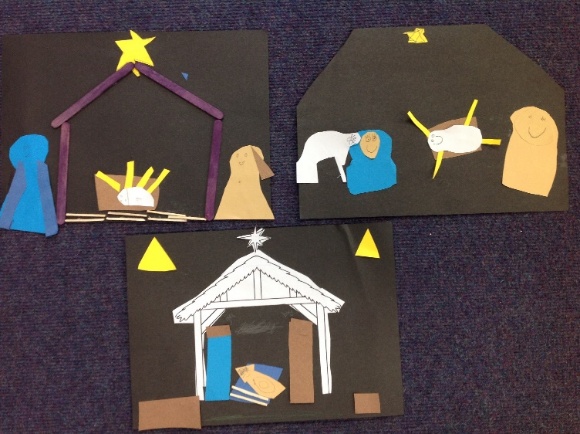
The children have thought about celebrations throughout the year and the upcoming celebration of Christmas. The children shared what Christmas meant to them and the traditions that happen in their household. They discussed how families can celebrate in different ways and took this opportunity to research how countries around the world celebrate Christmas and spoke about how some religions don’t celebrate Christmas. The children retold the Christmas story too. The children also learnt about the Jewish celebration of Hannukah and the story behind the celebration and how Jewish people celebrate Hannukah. We brought our community together by inviting parents in to listen to Christmas songs and poems that we learnt to perform.
A group of art pieces

Description automatically generated

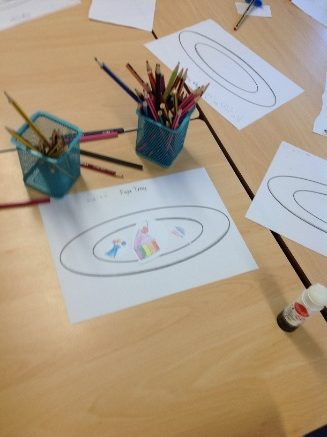
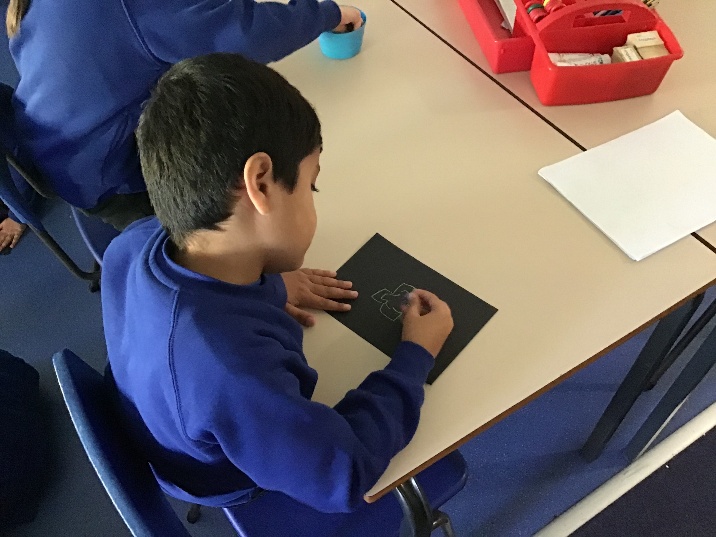
The children also explored their senses and how people of Christian, Hindu and Jewish faith can use their senses in their religion and daily practices.
A black cross with colorful chalk on it

Description automatically generated
C:\Users\c.clarke\AppData\Local\Microsoft\Windows\INetCache\Content.Word\IMG_8381.JPG

Year 2

This term the children have covered two enquiry questions:

“Why is light an important symbol for Christians, Jews and Hindus?” and “What does the nativity story teach Christians about Jesus?”

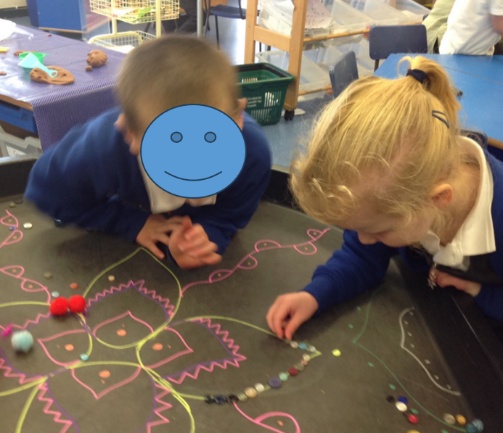
The children have thought about how Christians believe that Jesus/God are light, and how light is always around. They thought about how darkness can be scary and that light can keep us safe. Some children were able to correlate this to how Christians believe that God can keep them safe. The children have drawn some rangoli patterns and discussed the Hindu story of Rama and Sita. The children were able to retrieve their knowledge of the Star of David from Year 1, and the children built on this by learning that Jews believe God is in the sky looking down and protecting them. Just like the stars are in the sky looking down, God is light and he keeps them safe.
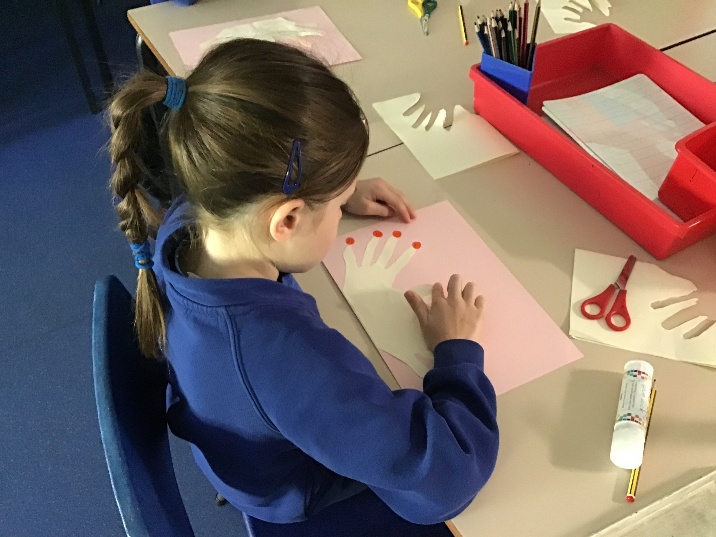
A child painting on a piece of paper

AI-generated content may be incorrect.
A child sitting at a desk

AI-generated content may be incorrect.

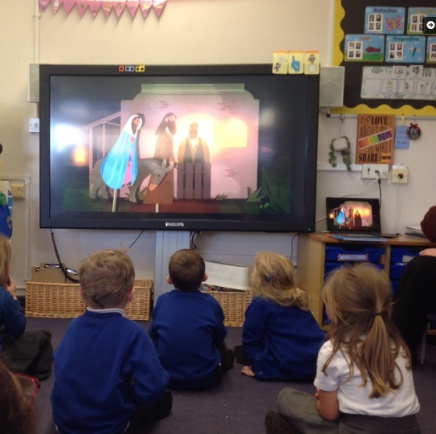
In Autumn 2 the children were able to discuss and re-visit the nativity story. They were lucky enough to have a visit from Janet Marshall too, to discuss Christmas journeys. The children spoke about advent, incarnation and how Christians celebrate and remember the nativity story.
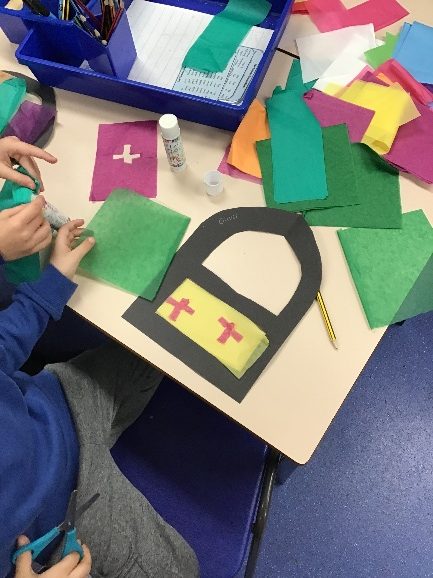
A child's hands making a paper craft

AI-generated content may be incorrect.

Norfolk County Pokemon Primary Cup Competition 2025

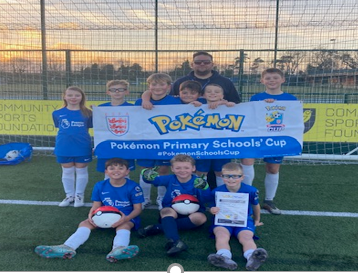
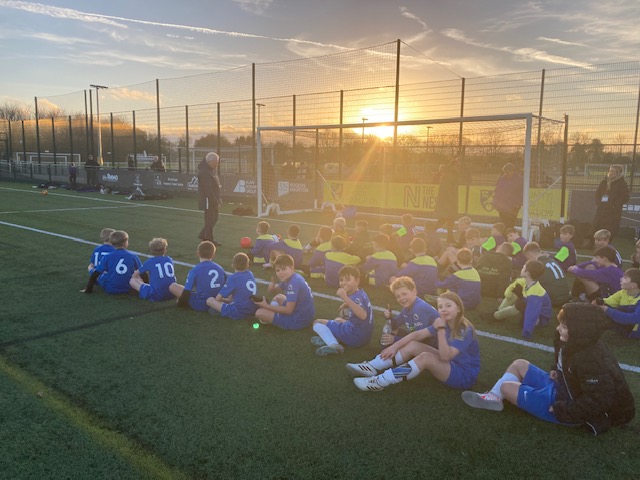
Thursday 11th December 2025 Toftwood Junior traveleed to the Nest, looking to defend their Primary Cup win from last year.

The team of Year 6 children took on Queenshills Primary in their first game and it appeared that there were some nerves in the first game but came alive in the second half and had a few chances but were unlucky not to score. A strong display of goalkeeping from Albert kept the team in the game but the final whistle was blown and a 3-0 loss was recorded.

In the second game Toftwood faced a strong well drilled Woodlands team. The players really stepped up in this game and a well-balanced game with both teams attacking (through Albert, Austin, Oliver, Jake, Theo and Archie) and defending doggedly (through Finley, Blake, Freya and Toby in goal) was coming to a well-deserved draw for both teams when Woodlands broke free from the defensive grip shown throughout the game, and scored with a well taken finish. The final result of 1-0 showed the improvement in game two but was not a true reflection of the game. Unlucky Toftwood.

Game three saw Toftwood take on North Wooton and another strong performance by both teams led to a 1-1 draw with a well taken penalty by Austin (earned by Theo with his persistent hunting for the ball).

All players should be very proud to be placed third this year in the county of Norfolk. You played incredibly well and deserved more than the score lines showed on the day.

Congratulations on being the third best Primary football team in Norfolk Toftwood, we are very proud of you.

Year 5 Dodgeball Tournament

Thursday 11th December 2025

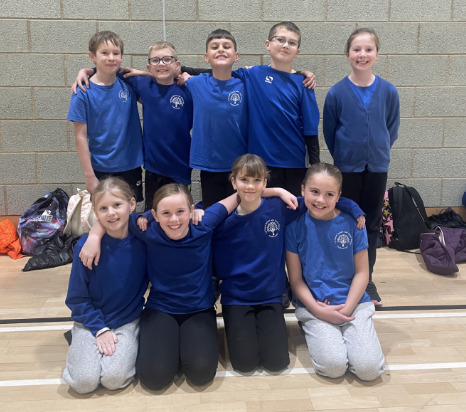
Ten children from Year 5 had a fantastic opportunity to take part in a dodgeball competition at UEA as part of the West Norwich and Dereham School Sport Partnership. They played three two minute matches against each school.

When they were watching, they enjoyed learning tactics and strategies from other teams. They came 4th out of 10 schools!

The theme for the day’s sessions was “Honesty”. The sticker for this could have been given to any of our members, but in the end, it was presented to Albert in LJ5. Well done Albert and the rest of the Toftwood team!

Computing Autumn Term 2025

Reception

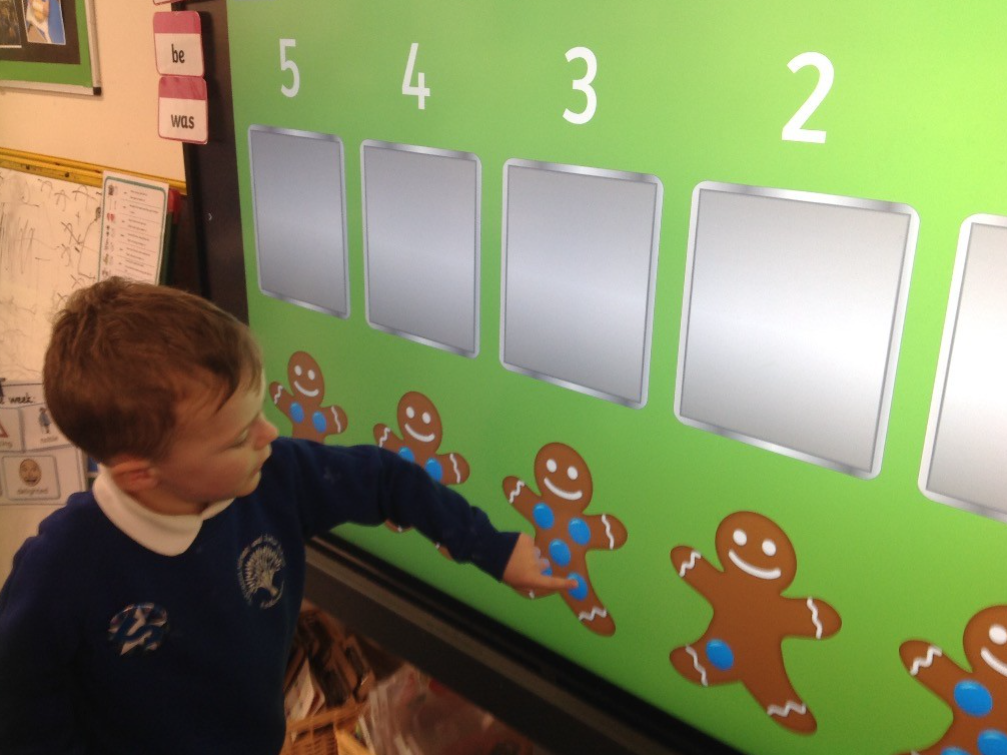
The children in Reception have been exploring the new technology in their classrooms and learning environments.

The have been learning how to use the computers, interactive screens, library book scanners, pretend phones, computer keyboards and cameras. 

Year 1

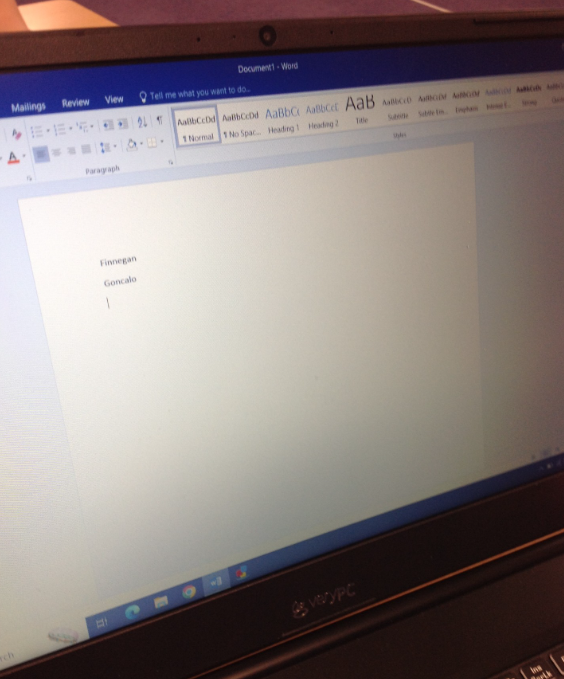
In the autumn term, year 1 have focused on the Information Technology strand of computing. In first half of the autumn term, the children focused on what technology is and how to use computer technology like using a mouse and a keyboard to write their name and to login.

In the second half of the term, the children have continued to learn how to type on a keyboard but have also learned about changing fonts, size of fonts, using italic, bold and underline and as a result have made missing posters for Ted the Teddy Bear! 

Year 2

In Computing this term the children have focused on two strands of Computing, Digital Literacy and Computer Science.

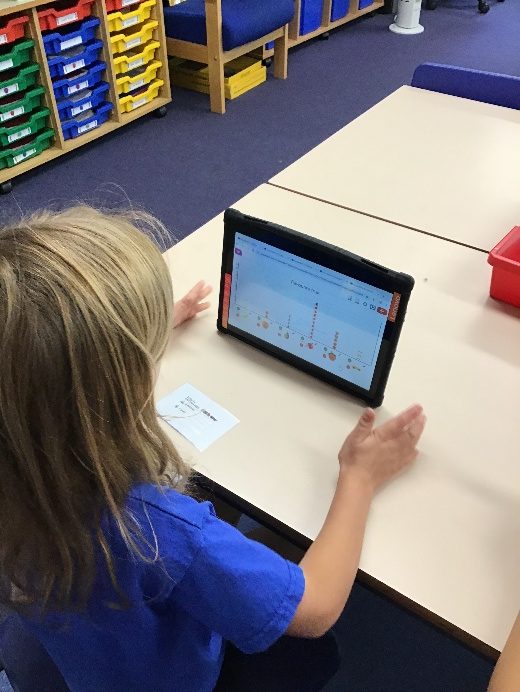
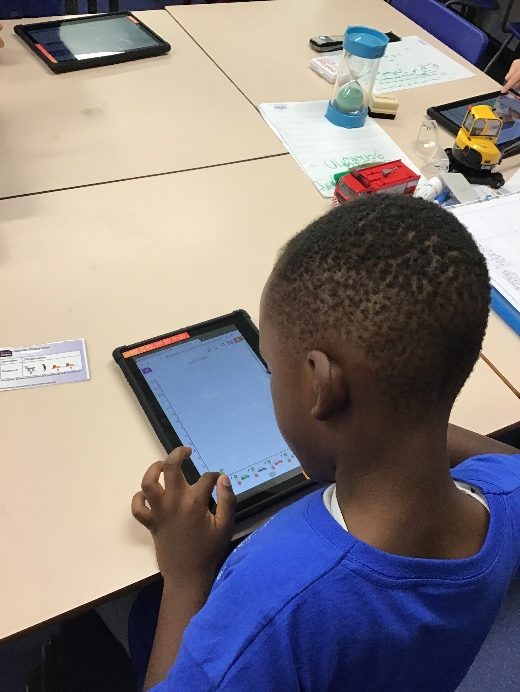
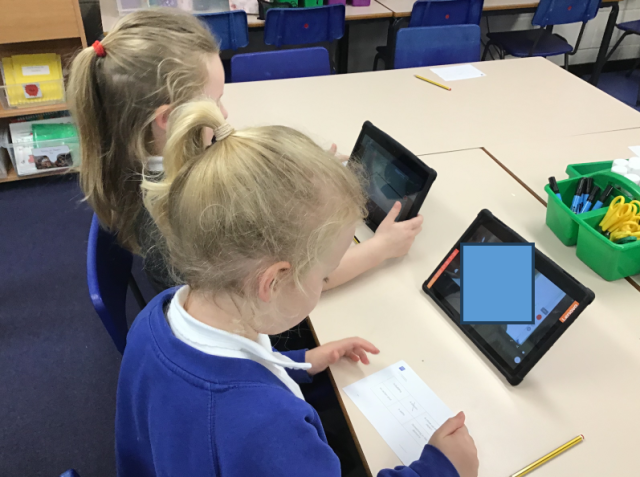
When focusing on Digital Literacy the children have collected data and sorted it into different formats. They have created pictograms and tally charts, surveying the class to collect their data. They have also presented this on 2Count on Purple Mash, creating their pictograms on a digital device. The children spoke about how this was an easier format to see the data and diminishes lots of errors. The children spoke about different ways to categorise including by attribute.

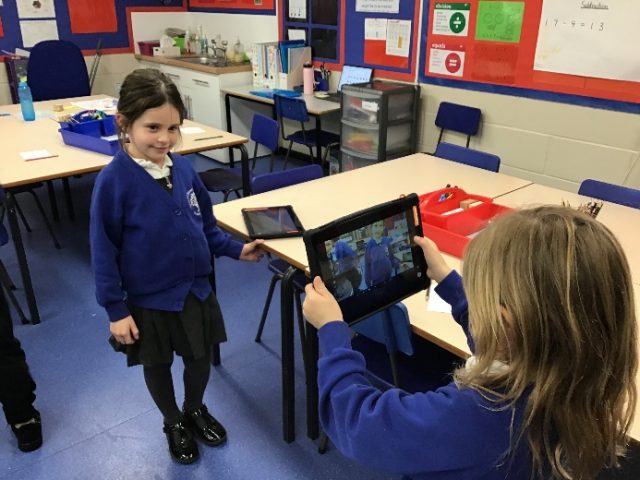
In Autumn 2 the children have been focusing on the information technology unit of taking photos. They have thought about whether to capture an image in portrait, or landscape, whether the subject is in focus and centred, and what lighting makes the best photo!

Autumn 2 2025 – Electric Umbrella Live Assembly

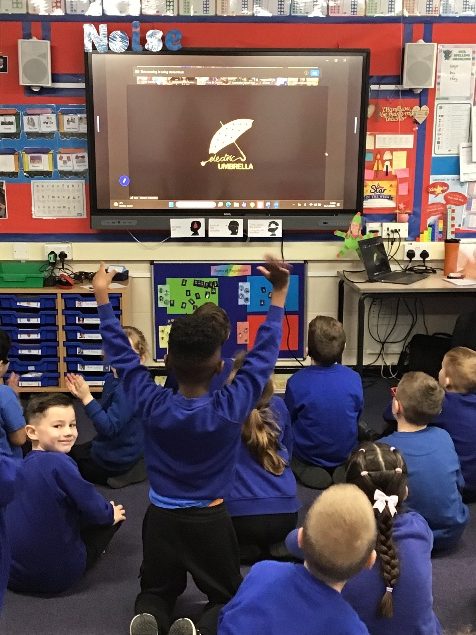
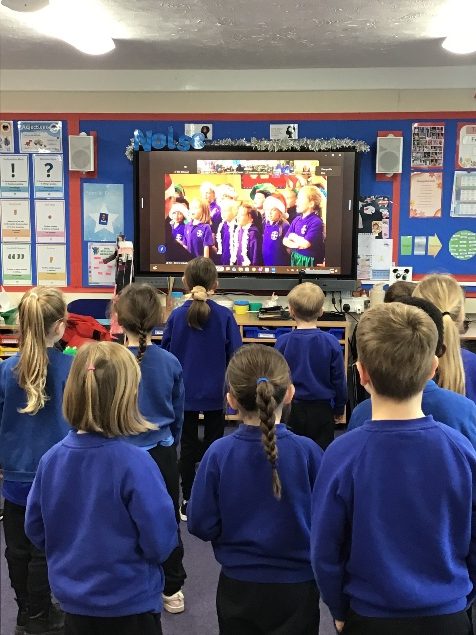
On Friday 5th December, the children in KS1 were lucky to have front row seats to the Electric Umbrella’s Christmas assembly. The Electric Umbrella members sung and danced and the children so enjoyed joining in. The children were lucky enough to get their own shout outs multiple times throughout the stream, and they also loved watching Mrs Ponder dance and wiggle on the camera too!

One of the members of the Electric Umbrella community was a previous pupil at Toftwood Infant and Junior School, and now represents the county as our ambassador, so it is a lovely organization to support. Here is the link to their website if you wanted to find out more!

Maths Week 2025

In KS2, we kicked off Maths Week 2025 with an assembly about influential mathematicians.

Leonardo Fibonacci is most known for inventing the Fibonacci sequence. This is the sequence of numbers beginning with 0 and 1 where the next number is found by adding the previous two. This pattern creates a spiral that can be seen all around us in nature.

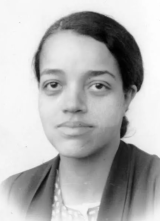
Dorothy Vaughan was an American mathematician and computer programmer known for her involvement in the United States Space Programme.

Dr Nira Chamberlain is a British mathematician and scientist. He used mathematical models to help the Aero Space and Energy Businesses. In 2018, he was awarded the title of the ‘World’s Most Interesting Mathematician’.

Across the federation the children undertook a variety of challenges to help develop resilience in Maths.

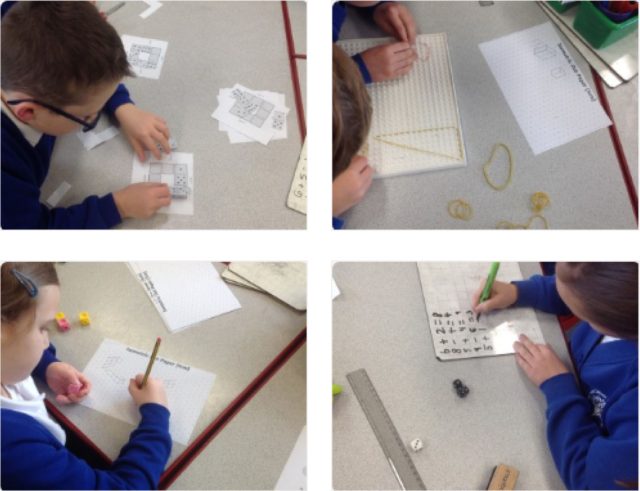
In Year 3, we had a carousel of five activities focused on this year’s Maths Week theme of ‘resilience’. These activities were all tasked with increasing the children’s motivation to keep trying when facing a new challenge, even when something feels quite difficult.

One activity was a dice game; the children had to roll three dice and add together the two dice of the same colour, before subtracting the dice of the single colour. The children enjoyed creating a number of different calculations. Another involved a square of calculations where each side had to equal the same amount. The third activity tasked the children with using isometric paper to draw four cubes in a number of different formations. In the next activity, the children used dominoes to create the same answer on each domino. The clear favourite of the activities, however, was using the peg boards and elastic bands to form a number of 2D shapes in competition with one another to see who could build the most without overlapping! 

The children had many engaging conversations about Maths and the many different ways they could approach each class. It was wonderful to hear the children having such interesting discussions about their work and encouraging each other not to give up. Well done, Year 3!

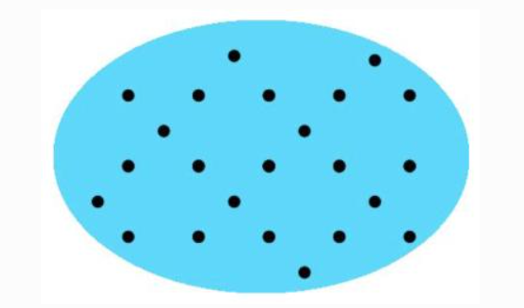
In Year 4, the children were challenged to find as many ways as possible of representing the number of dots. The children found over ten different ways to represent 23, including Roman Numerals, a tally, part whole model, bar model, a fact family, in words and pictoral.

The children worked as a class to see how many questions it took to guess the 2D shapes. It used their knowledge of the properties of 2D shapes and required keen listening skills to ensure they didn’t repeat a question.

The final activity involved the children colouring squares on a grid in as many ways as possible making sure the patterns they coloured had at least one line of symmetry.

Some children considered colouring the squares in a particular order.

In Year 5, the children warmed up their mathematical brains by completing a word problem starter. This was a multi-step problem but all the children were able to break this down to calculate the answer.

Next, the children moved onto a ‘number maze’. The children needed to get through the maze by adding all the numbers that they passed together. The total of the numbers needed to add up to 100! This was incredibly challenging however, all showed great determination and some managed to complete this.

As a final challenge, the children used their mathematical knowledge to solve a range of mathematical problems. It was wonderful to see the children work collaboratively with each other to achieve the answers. Well done everyone!

Maths week in Year 6

Year 5 Viking Day 2025

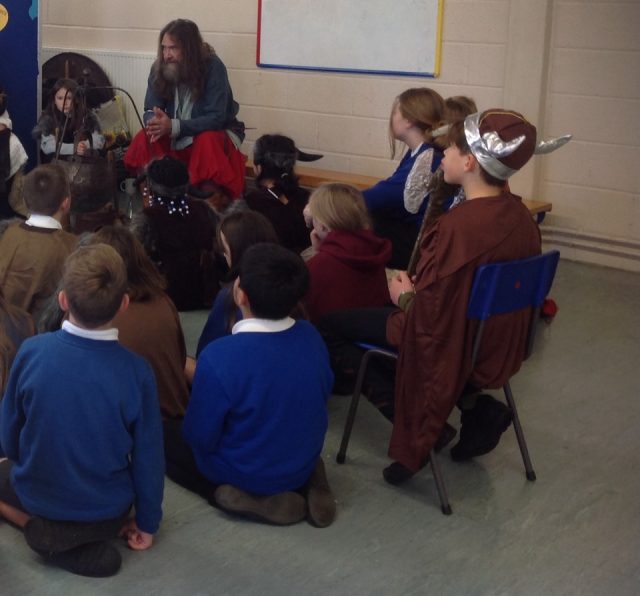
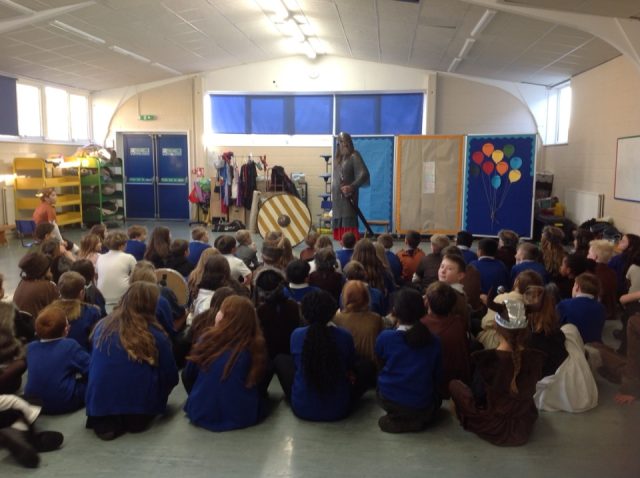
On Friday 21st November 2025, Year 5 enjoyed a Viking day. Our Viking visitor, called Thor’s Wolf – Son of the Hammer, welcomed us in traditional Viking Language.

He proudly showed us his colourful trousers that he told us displayed his wealth, because they were made with six metres of fabric, which was expensive, because of the amount of time taken in spinning the flax and weaving the cloth. He also proudly displayed a comb on his belt, made from reindeer antler – very expensive too.

We learnt about how the Vikings came across in their longships to raid monasteries before returning to Scandinavia. However, due to the long and wintry journeys, some decided to stay and settle in a fenced campsite.  Because they were known as “Drakkar” (meaning dragon ships) they were thought to have had dragon heads on the stern and bow ends, very ornately carved and decorated.

The children also read lots of information boards to answer questions in a quiz; they enjoyed learning extra facts with some independence.

They also enjoyed playing a board game called “Fox and Geese” where they developed strategies for the fox to eat (jump over) geese or for the geese to surround and trap the fox on the gaming board.

The children had valuable opportunities to learn about and handle replica artefacts. Through clever questioning, they had chances to use their prior learning, to work out what some of the more puzzling artefacts were used for. We saw a drinking horn, a bowl made from horn, a comb, a pan, a wooden cup and objects used to smooth cloth like an iron.

Using a die, wedged into a tree stump, he made some coins by punching a pattern of a long-ship and a face onto both sides of a blank disc. A Viking coin was worth around £25. If you wanted to spend less, you cut it in half, or a quarter (four-thing/farthing).

He then brought out his scales, to explain how the Vikings traded and bartered for goods or animals.

We listened to him speaking some Olde English and Viking language and we tried to guess what he was saying, so we could get an idea of how our language has developed from Saxon and Viking languages.

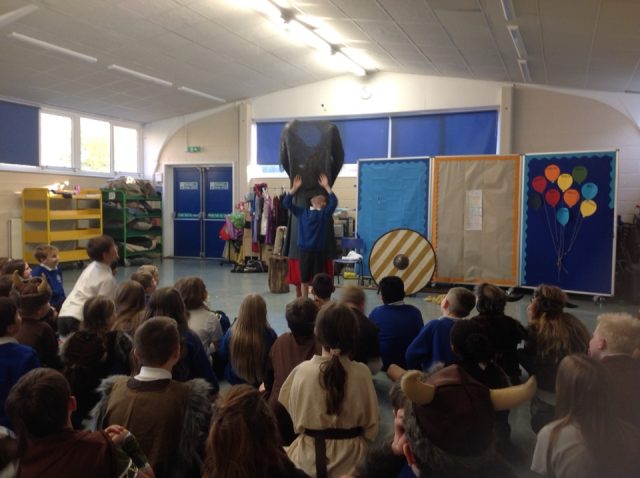
We then had an opportunity to see him dressed in replica chainmail and a helmet and demonstrate how to use a long spear, a bearded axe, a broad sword and shield. He showed us how vicious the Vikings could be, by slicing a melon in half before letting a child from our year group try on the chainmail! This was very heavy and they could not jump very high when asked to try!

Anni said, “I liked the man delivering the learning as he was really funny and made great jokes that helped us understand the Vikings better.”

Seren said, “The man was really kind and wanted to help answer everyone’s questions that came from the artefacts that he had brought.”

Noah said, “I liked the bit when he told us about the famous Viking stories, like when they fought in battles and which side won – that was really cool.”