Geography Summer Term 2026

Reception

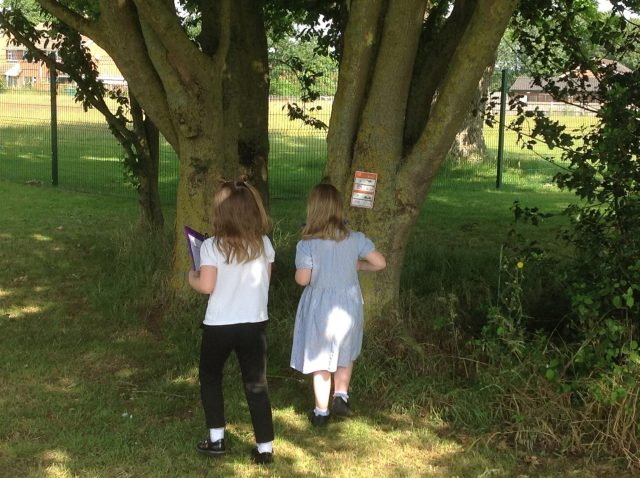
Reception children have been learning about maps. They used the orienteering routes outside and searched for the clues. They looked at the map of the route they took and discussed what they found. They shared the story Henry’s Map and recreated their own version of the story by visiting different locations around the school and creating their own maps. They also created their own pirate maps and drew on a route to the treasure, as well as considering time adverbials for the order of our route.
Year 1

The children in year 1 elaborated on their learning of Norfolk, to learn about the United Kingdom.

They learnt what the United Kingdom was an island nation made up of 4 countries. Then they learnt about the countries, their flags, locations, their capital cities and the waters that surround them! In groups, the children labelled a map of the United Kingdom and their capital cities.

They also focused on each country of the United Kingdom and learnt some landmarks, food and cities in each country. They then made their own flag of choice from the UK and they played a game based on which landmark was in what country.
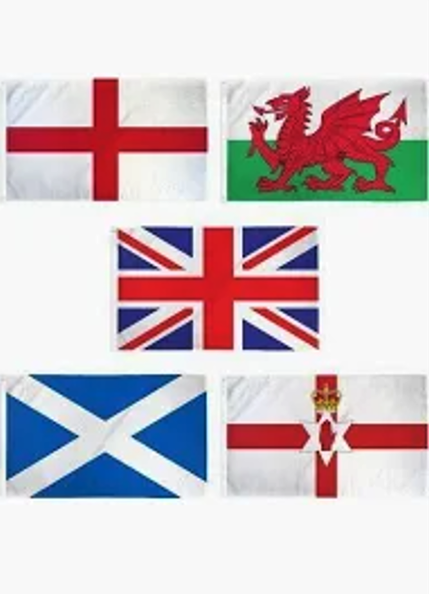
“We live in England” Marli

“In Scotland, they have the tallest mountain in the UK” Omari

“In Wales they have their own language and the capital city is Cardiff” Edie

Europe

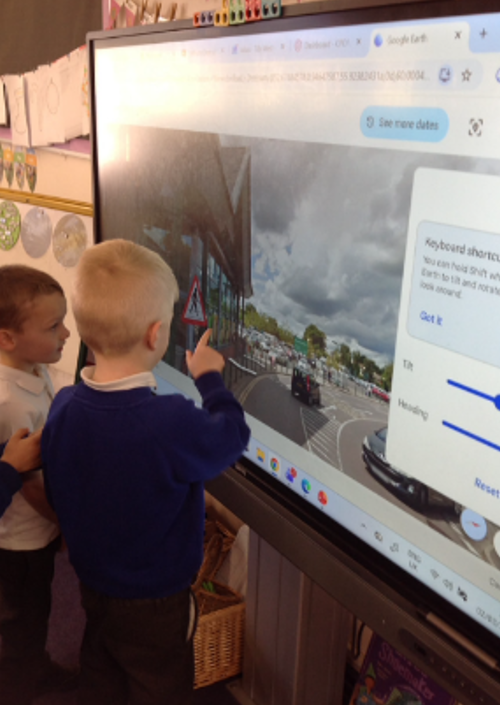
The children in year 1 recapped where they live using google earth and thought back to previous lessons on the UK, Norfolk and Dereham. They listened to a song about the continents of the world and learnt what a continent is. They looked closely at our continent- Europe and learnt some facts. They discussed where they had visited or had family and found them on a map.

The children used their knowledge of 4 European countries and played the ‘European Four Corners’ game. At the end of the lesson the children came up with a list of questions they would ask if the met a person from another country.

The children learnt about the country Estonia through receiving information from a family who live in Estonia. They answered lots of the questions that the children had asked in the previous lesson.  The children then compared Estonia to the UK by discussing their similarities and differences. They also enjoyed watching a video of some traditional Estonia dancing.

Orienteering – Geographical skills and fieldwork

The children used simple compass directions (North, South, East and West) and locational and directional language [e.g. near and far; left and right], to describe the location of objects around the school, and they then had to place them in the correct place on a quadrant. They worked in teams to do this. They used a map of the school to locate the objects. The children enjoyed working in teams to do this.

Year 2

Building on from work in year one, year two children revisited using a compass in the summer term. The children talked about why we might need a compass, where they have seen them and how to find north. They explored using the compass around school.

Child M ‘Wherever it’s wobbling and starting to set, that’s where north is.’

Child O ‘If you have a map, you can see where you’re going, like north, south, east and west.’
History Summer Term 2026

Reception

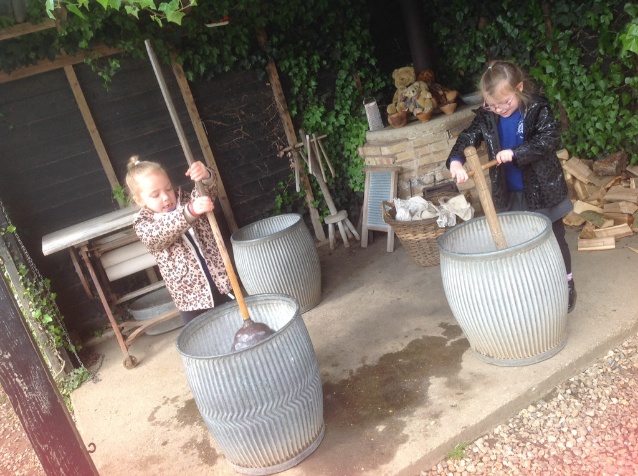
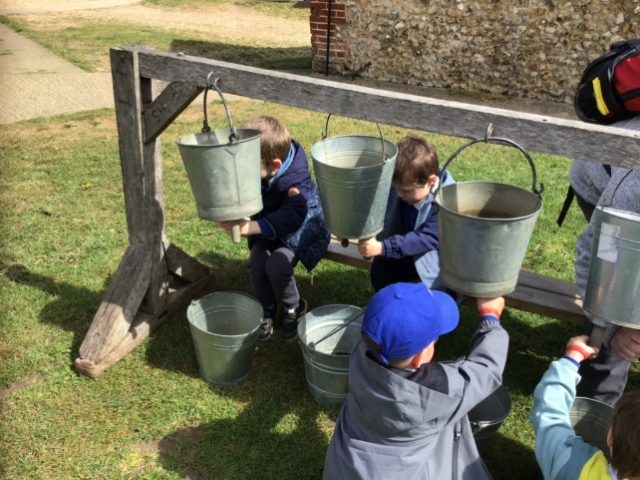
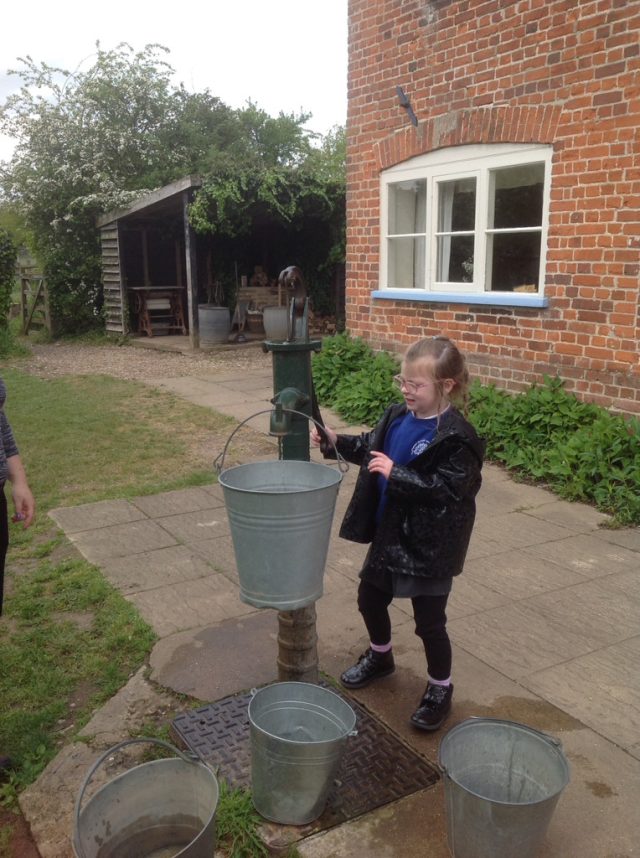
In the summer term, Reception children visited Gressenhall Farm and Workhouse for a fairy tale event. Part of the day involved helping the ugly sister and Cinderella with jobs around the house and gardens. Jobs included pumping water from the well to water the plants, washing clothes using the wash board and washing dolly, and milking the pretend cow.

Year One

The children stepped back in time to the 1800s, immersing themselves into what it would have been like to live during the reign of Queen Victoria. The children experienced what it was like to do their washing during the Victorian Era, getting the opportunity to use a dolly and washboards to do some washing themselves as well as learning about a mangle. They also got to play with some Victorian toys and made comparisons to when we learned about toys earlier on in the year, during the 1980s and 1990s as well as comparisons to toys that they play with today. Finally they enjoyed seeing what it would have bee like to go to school during the Victorian era, writing on slates, having a dunce hat in the classroom as well as being taught in rows with a very strict teacher! We discussed how schooling changed during the Victorian era as at the beginning, only wealthy children went to school whilst others went to work. They then learned that by the end of the Queen Victoria’s reign all children went to school with the introduction of Ragged schools.

Year Two

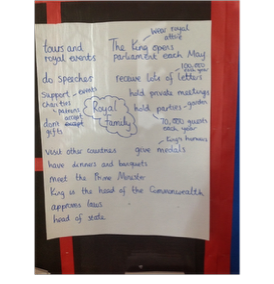
During Summer 1, the children focused on the Monarchy thread. They researched and learnt about the UK royal family and the different roles they have.

They learnt about the different members of the royal family and created a family tree of the members linked to King Charles.

They used their research about King Charles and the royal family to create class fact files about King Charles.

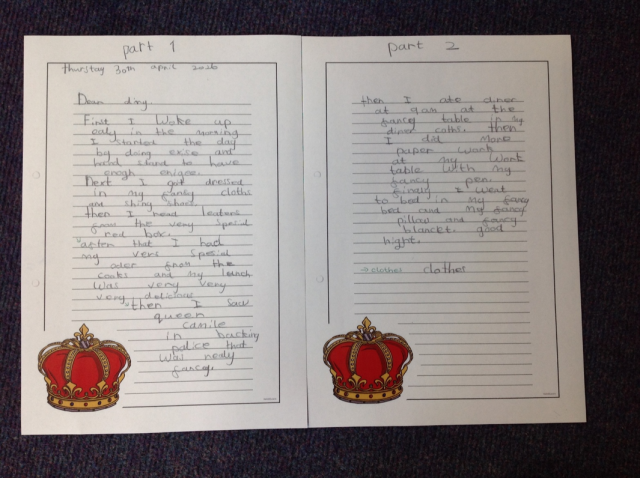
They then used their knowledge of diary entries from English and writing in the perspective of someone else, to write diary entries from the perspective of King Charles.

KS1 Spring Term Music

Reception

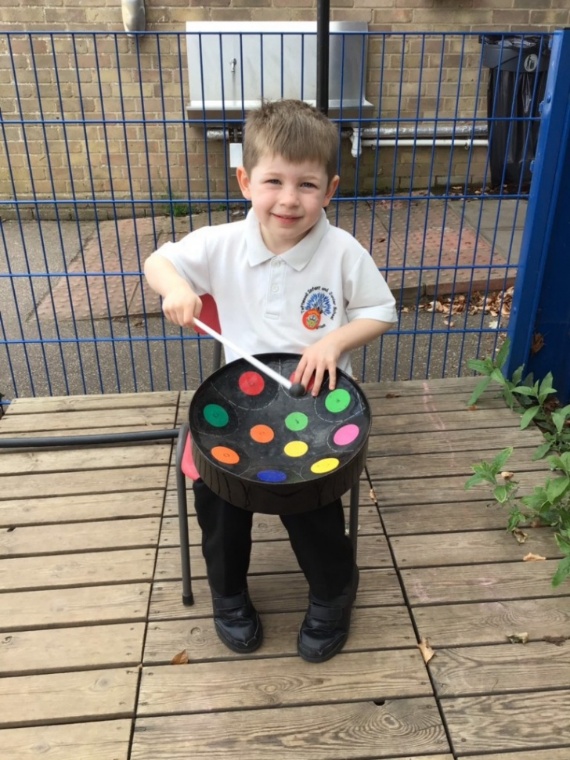
Reception children have continued to enjoy exploring the musical instruments and sharing nursery rhymes this half term. They have also learnt the action poem ‘Mrs Bluebird’ ready to share in an Infant assembly.

Year 1

During the Spring term, Year 1 have worked hard and enjoyed their music lessons.

In Spring 1 the children listened to music inspired by the world around us. They enjoyed listening to ‘In The Sea’ by Joanna Mangona and Pete Readman, along with five other pieces of music spanning 300 years. These pieces were inspired by seasons, animals, space, and human life. The music encouraged us to listen carefully and use our imaginations. It helped the children to understand that music can tell a story! By listening to music from different historical periods such as Vivaldi’s Spring, Beethoven’s Moonlight Sonata and Tchaikovsky’s Dance of the Cygnets, it showed us how music can also reflect a very different world. As part of our lessons, we also took part in a vocal warm-up exercise each week, such as ‘Fun with Silly Voices’ or ‘Pop It on the Head with a Ping Pong Ball.’ This encouraged the children to explore pitch, articulation, and expression.
In Spring 2 we moved on to exploring keeping a steady beat and exploring voice and singing patterns. The children learnt how to copy and compose simple rhythm patterns and find patterns in music. We listened to a song called ‘Hey You’ and joined in by clapping and singing. The children learnt that these repeated patterns are called ostinatos and they created their own beat patterns on Charanga using long sounds, short sounds, and rests.
Year 2

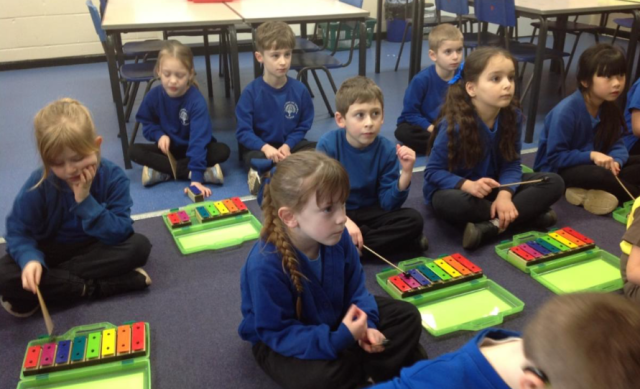
This half term in music, year 2 have been continuing to learn how to play the chime bars. We have learnt songs using the notes B, A, G and C. The children have played songs that incorporate all of these notes together whilst thinking about the lengths of notes like crotchets and minims as well as rests. In addition to this, year 2 have also listened to and learnt to sing new songs including ‘Hello’ and ‘Let’s work it out together’.

RE Spring Term 2026

Reception

This term we revisited how the Bible is a special book for Christians and includes many different stories. Several children shared that they have Bibles at home. We shared the story about Easter, titled ‘A happy day’. The children enjoyed hearing about the angel appearing to tell Jesus’ friends that he was alive again!

Oscar said ‘Jesus died and he came back to life’.

Martin said ‘his three friends went to see him and there was an angel’.

We discussed how many families choose to celebrate Easter and we might all have different traditions. The children enjoyed sharing how they celebrate Easter with their families.

Year 1

This term Year 1 have investigated two enquiry questions:

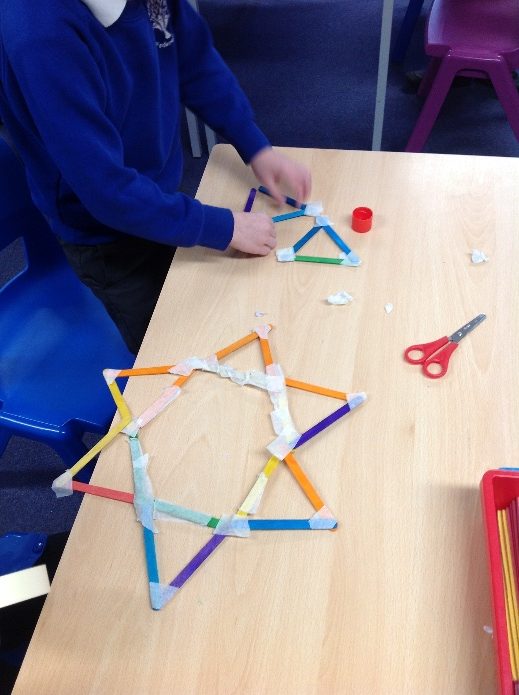
  • What do Jewish people remember on Shabbat?
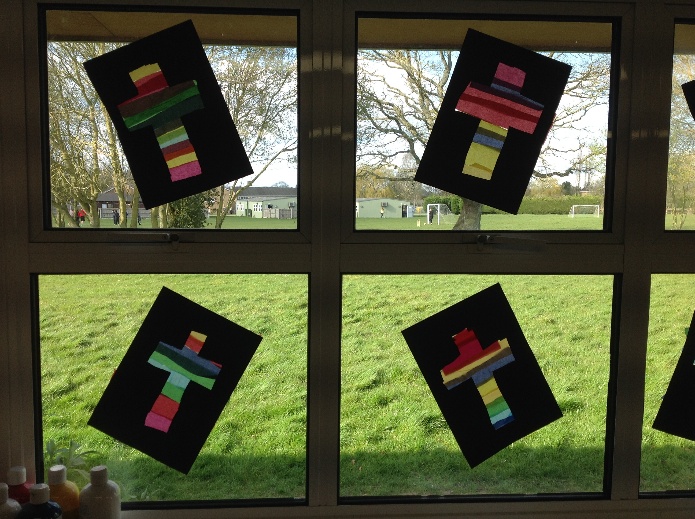
  • What does the cross mean to Christians?

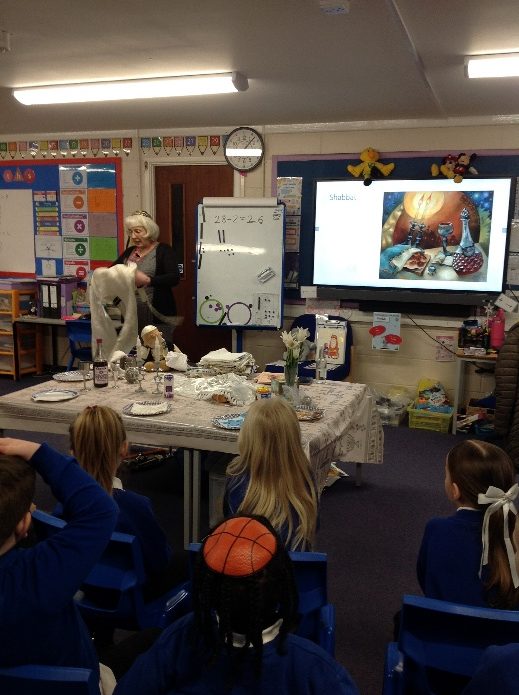
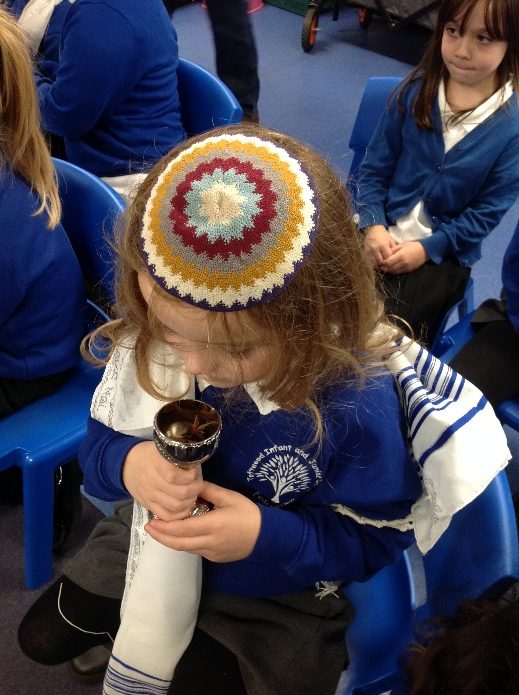
When enquiring on the first the children saw lots of pictures of a Shabbat meal taking place. They were able to discuss these pictures and highlight what they noticed, where it was taking place and who was in the images. The children were also able to compare this Jewish creation story (after listening to it) with the Christian creation story. Year 1 were also able to have Marsha and Todd in to further deepen their knowledge of Shabbat.

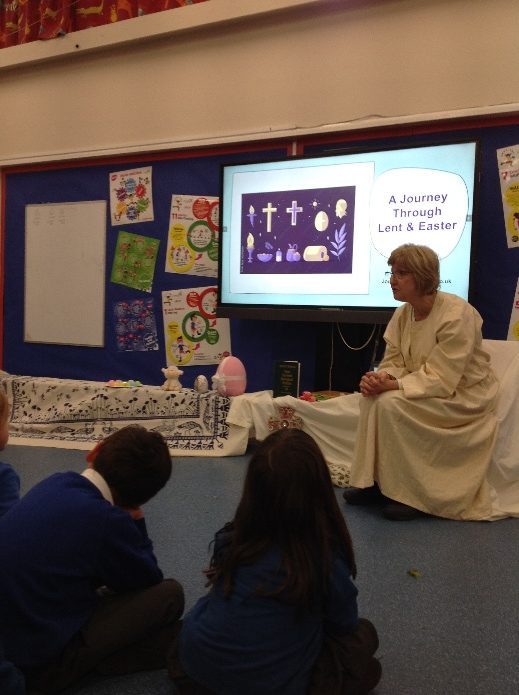
During Spring 2 the children had a session led by Janet Marshal all about the Easter story. The children were able to get into role as the people in story and retell this through Janet’s storytelling style. The children learnt how Christians believe that Jesus was crucified on a cross and came back to life (resurrection) on Easter Sunday.

Year 2

This term the children have investigated two enquiry questions:

  • How do Christians belong to their faith family?
  • How do Jewish people celebrate Passover?

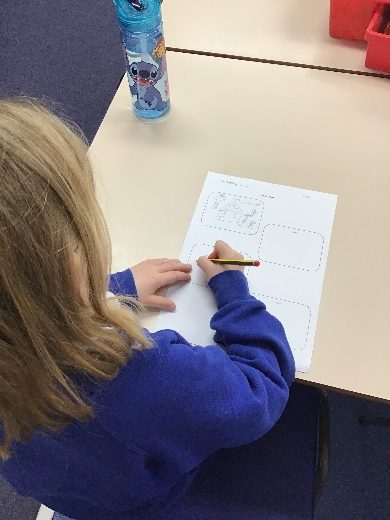
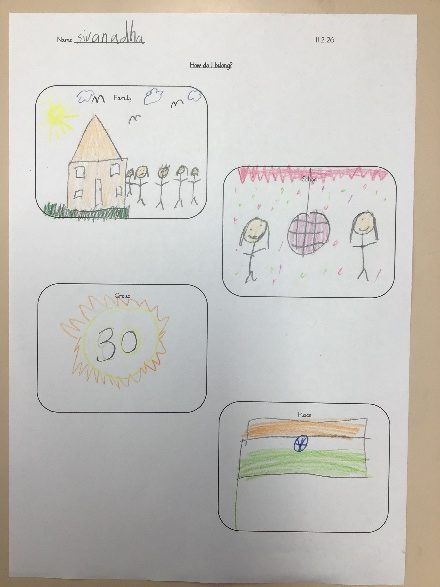
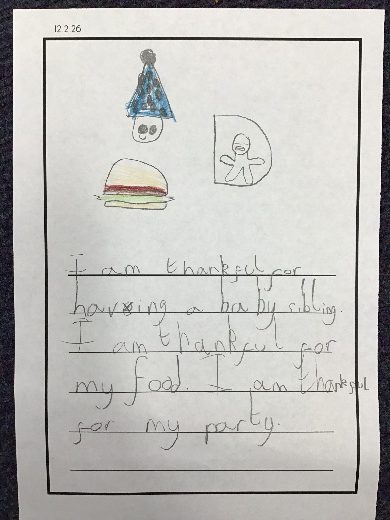
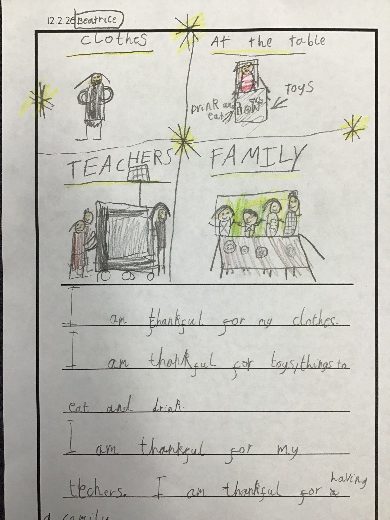
The children were able to ask, listen and respond to lots of questions around these two questions. In Spring 1 the children have looked at different celebrations that Christians celebrate such as Christenings, weddings and Holy Communions. They have also thought about other ways they show belonging, such as attending church, reading the bible and writing prayers. The children were able to reflect on these Christian traditions and some children were able to reflect on how these beliefs may be different to their own.

A child writing on a paper

AI-generated content may be incorrect.
A white paper with drawings on it

AI-generated content may be incorrect.
A paper with a drawing on it

AI-generated content may be incorrect.

In Spring 2 the children have had a visit from Marsha and Todd, who came to speak to the children about the celebration of Passover. The children learnt about the story of Moses and thought about what each part of the Seder plate means. The children tried some of these different parts, such as; parsley with salt water, grape juice and matzah bread.

Art Spring 2026

Reception

The children enjoy exploring a variety of Art tasks as part of our continuous provision. The children are also developing their drawing skills through our Drawing club sessions. Throughout the week the children will be given the chance to draw either the character, setting or adventure from the chosen text or video. The children have independently created some masterpieces in their Drawing Club books and we can see great progress from the start of the year.

Year 1

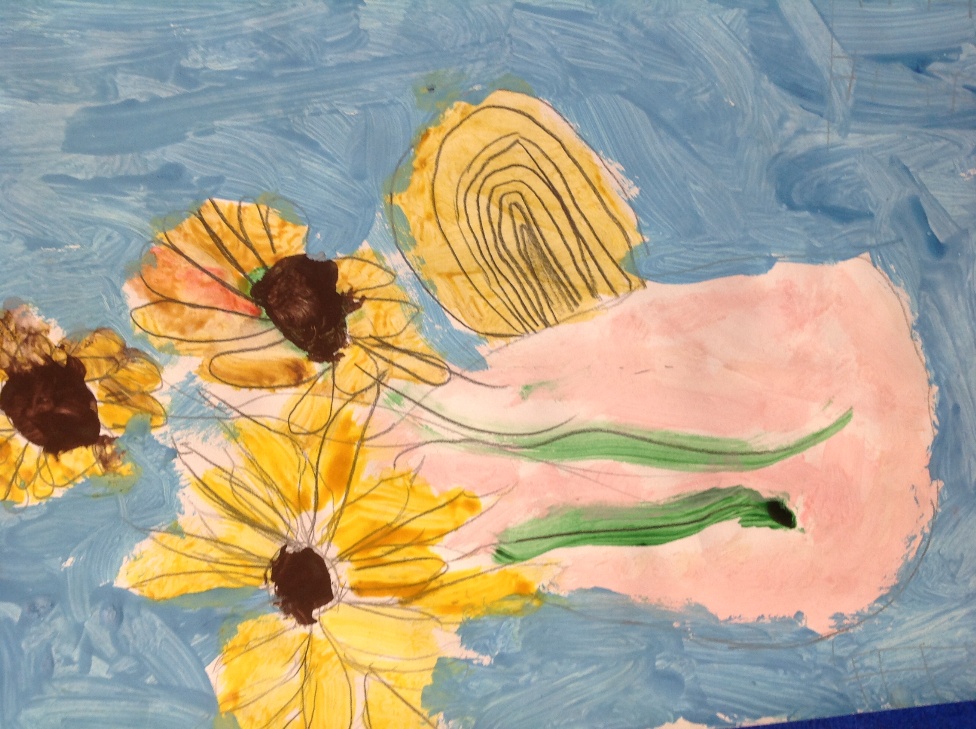
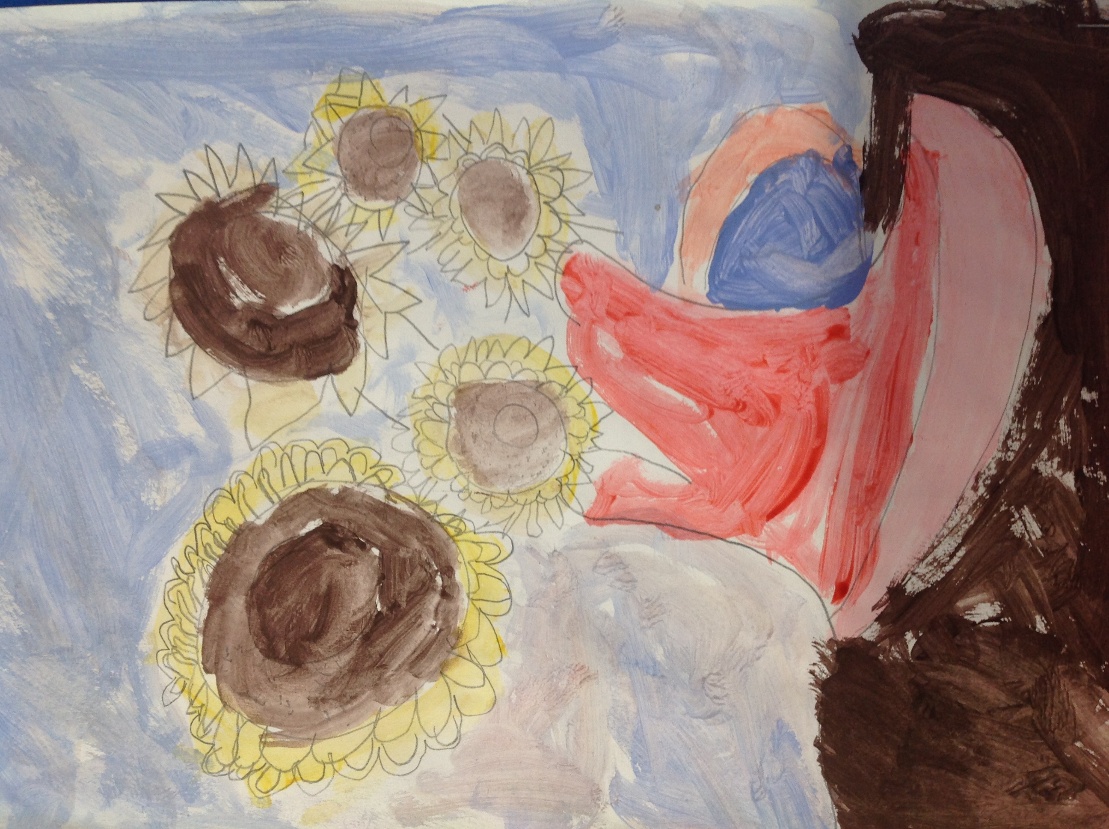
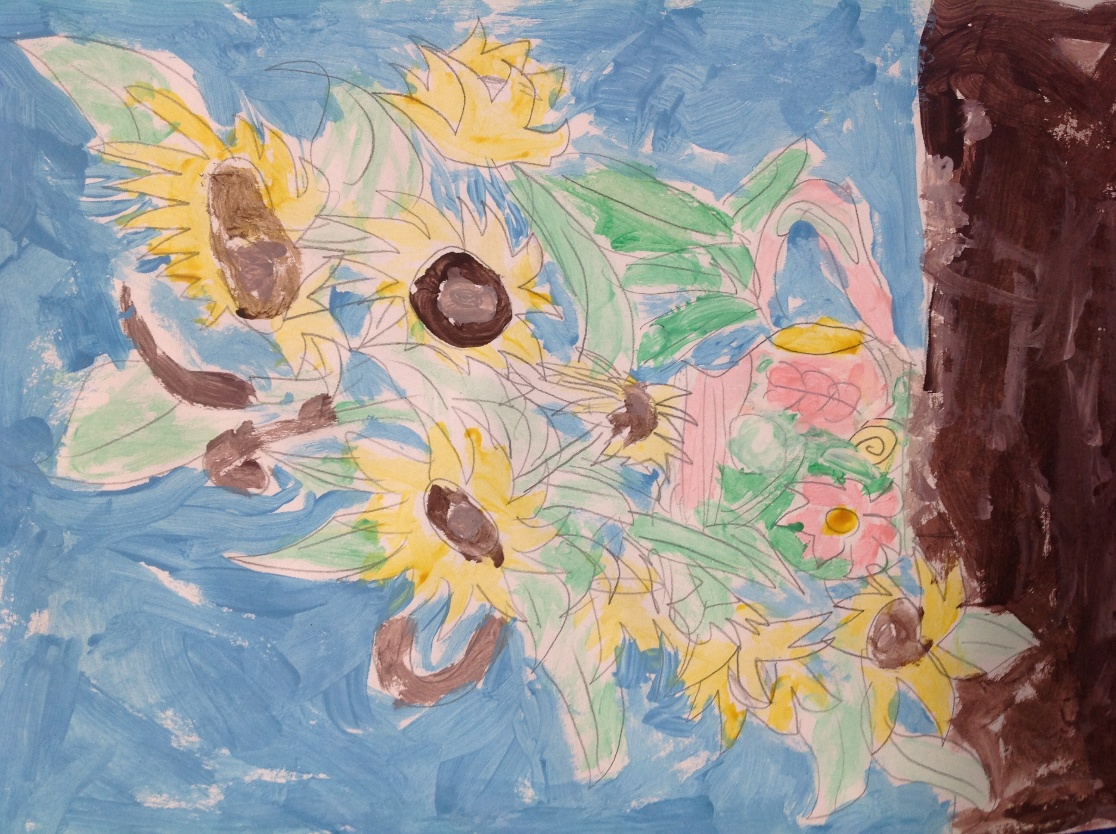
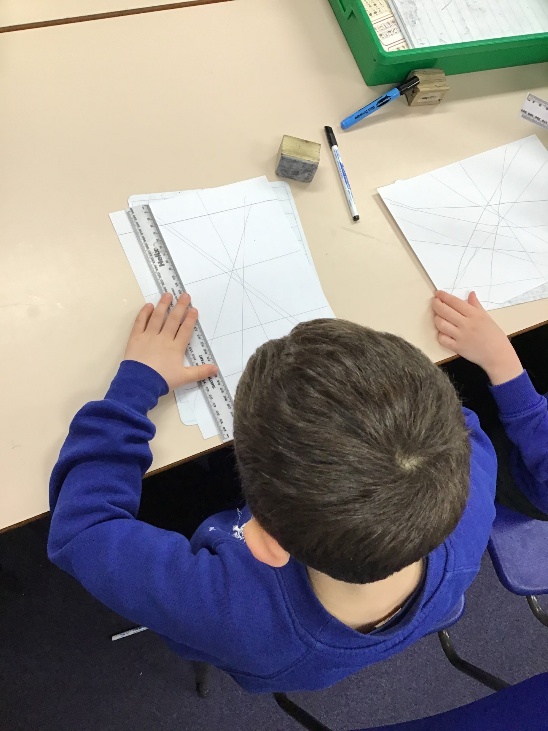
In Year 1 this half term, the children have been learning to sketch and shade to add depth and texture to their drawings. They also did their own line drawings inspired by artist Louise Bourgeois.  They then built on this learning when learning about Vincent Van Gogh. They sketched their own version of Van Gogh’s Sunflower painting. They then learnt about colour mixing to create their own colours and shades for their paintings. 

Year 2

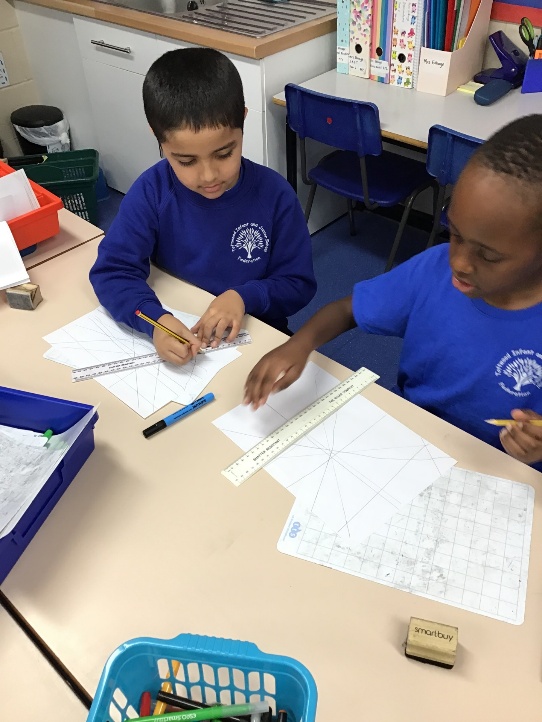
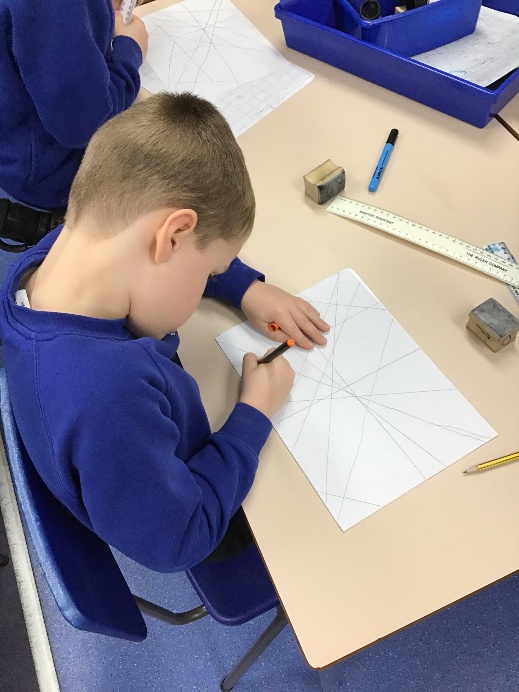
In Spring 2 the children in Year 2 have learnt about the artist Wassily Kandinsky and they created their own collage using his ‘Concentric Circles’ painting as inspiration. They also learnt about Bridget Riley and her optical illusion pictures. They loved looking at all of her different artwork. The children then used different shades of pencils to shade in their own artwork.

DT Spring 2026

Reception

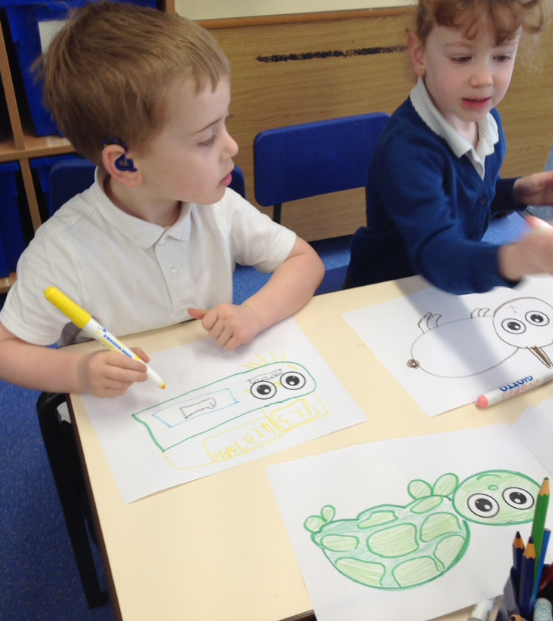
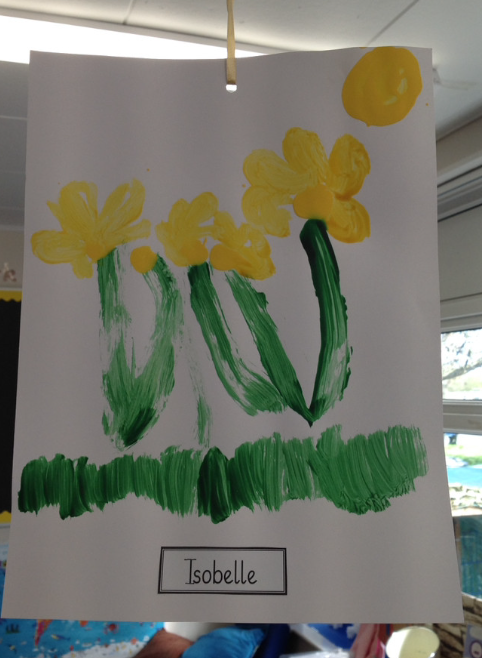
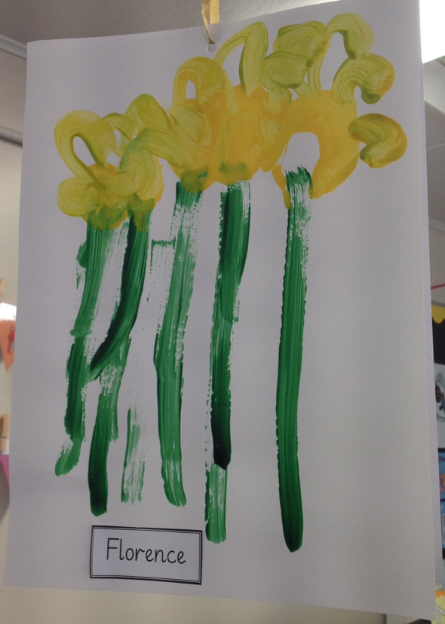
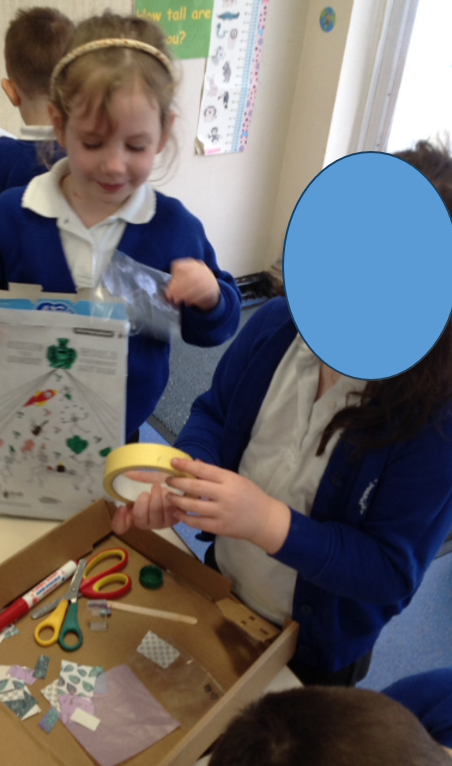
The children enjoy exploring a variety of art and DT tasks as part of our continuous provision. This term we have introduced the ‘Superclips’ challenges and the green clip focuses on an art or DT skill. The children have been challenged with creating different drawings, patterns and constructions using a wide range of materials. Examples include creating a boat and testing if it floats or sinks, building vehicles using junk modelling, creating a creature from just a set of eyes and doing observational drawings and paintings of daffodils. We can see the progress the children have made with their fine motor skills and the details they are adding to their creations through these challenges.

Year 1

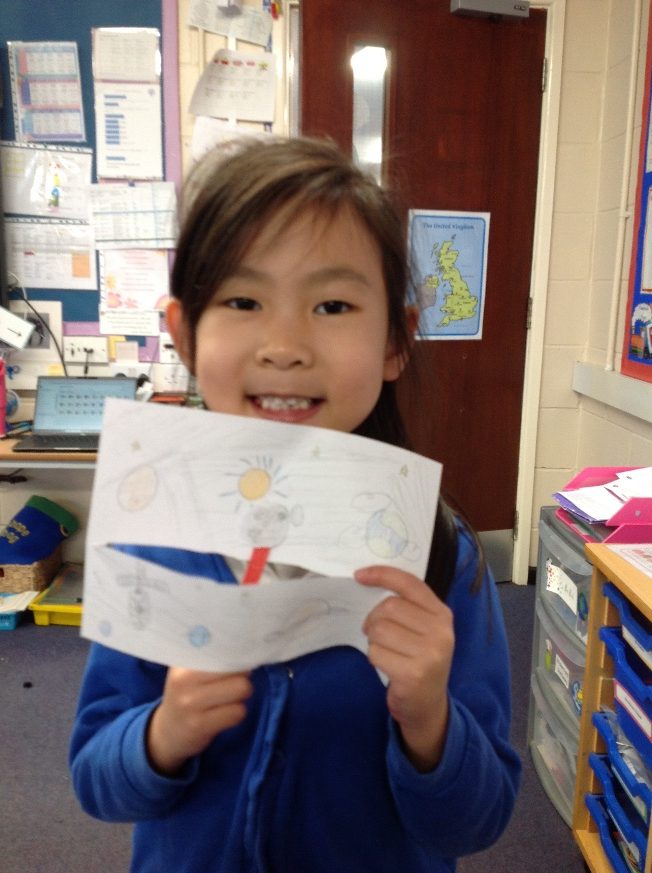
In Year 1, the children learnt about different mechanisms and how they could be used to create movement. The children then made their own model on the theme of a solar eclipse, using a sliding mechanism to show how the moon passes and blocks the sun. They were then able to test and evaluate their model for effectiveness.

Year 2

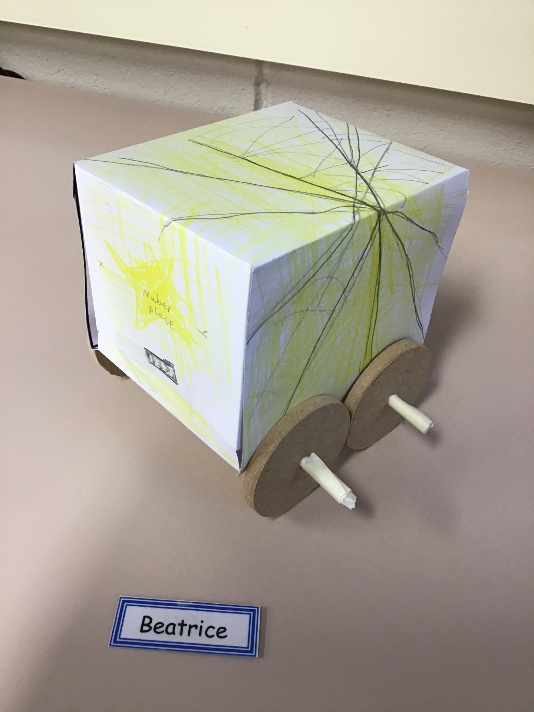
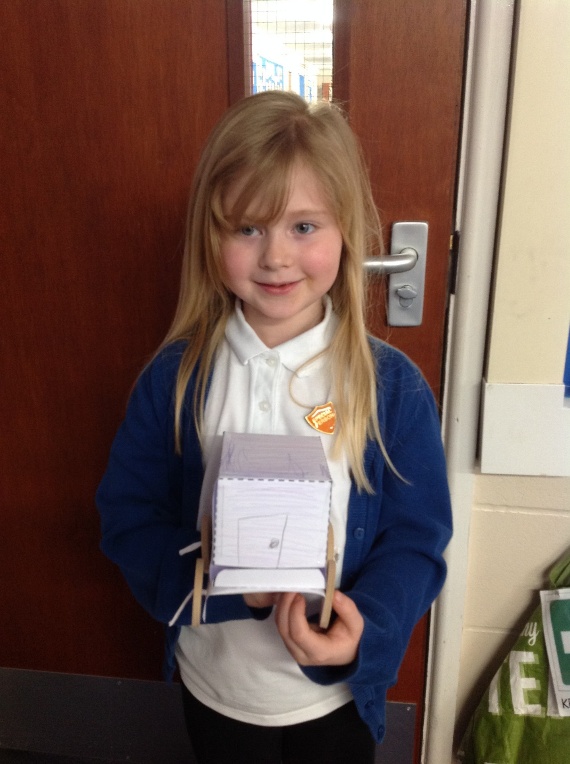
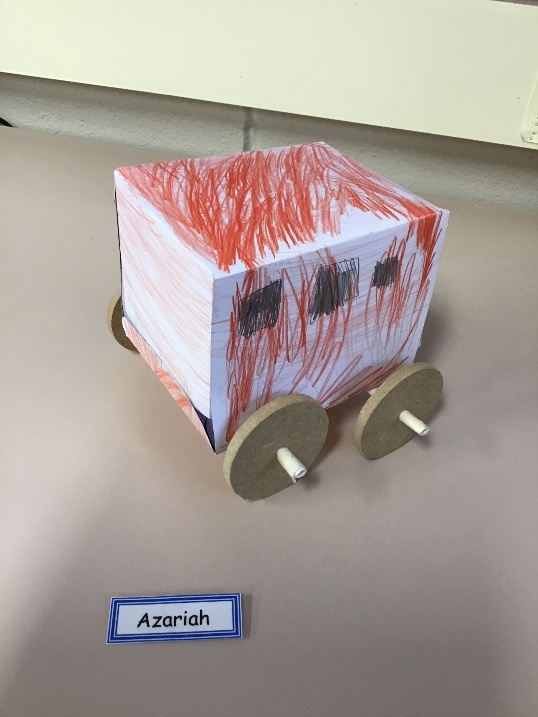
In Year 2 the children learnt about wheels and axels by looking at real life examples. They were then able to design and create their own model car using a variety of construction materials. The children enjoyed testing their model cars and made some alterations based on their drive! They then evaluated their models against their design and thought about what they would do differently next time. 


Computing Spring Term 2026

Reception

The children in Reception have continued to learn about the technology in their classroom learning environments. They have particularly been focusing on gaining independence when using equipment, such as exploring educational games and being able to change the colour of the pen on the SMART programme. A key focus has been using educational games on the interactive whiteboards to practice following instructions by listening carefully, recognise patterns and complete tasks in the correct order.

Year 1

In spring 1, the children in year 1 used online tools to complete various tasks on digital painting. Each lesson they focused on a different artist to recreate their art using different tools like shape, paint, drawing and filling with colour. During the final lesson, the children recreated a piece of their own artwork digitally using the same programme.

In spring 2, the children used Purple Mash for the first time, using the 2Create a story tool. They created an e-book that they worked on each week, adding something different each week like an animation, sound and inserting backgrounds. We as a class enjoyed sharing the stories at the end of the topic and the children were excited to tae their purple mash logins home to enable them to explore further.

Year 2

In Computing this term the children have focused on all three strands of Computing; Digital Literacy, Information Technology and Computer Science.

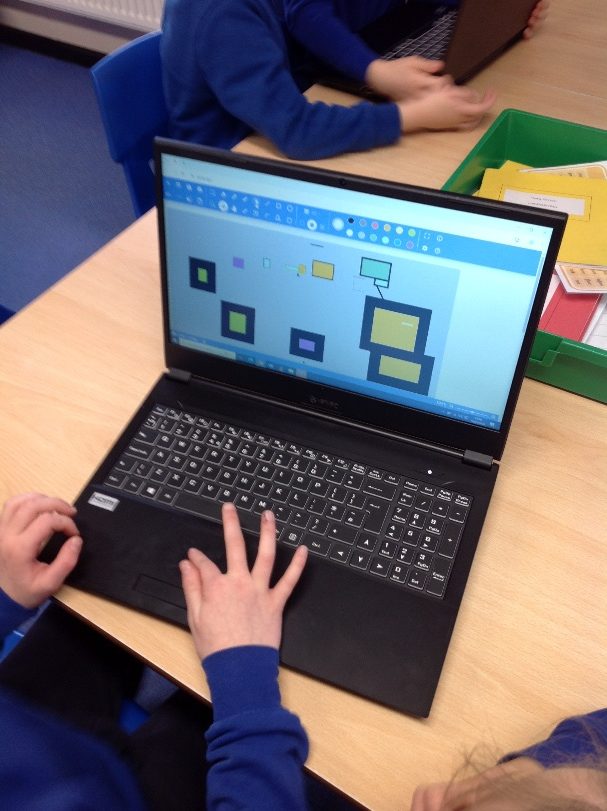
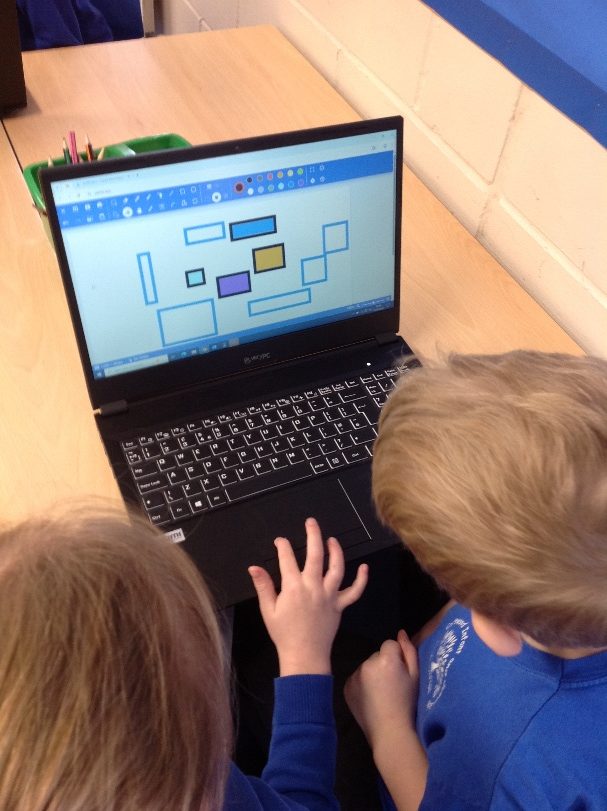
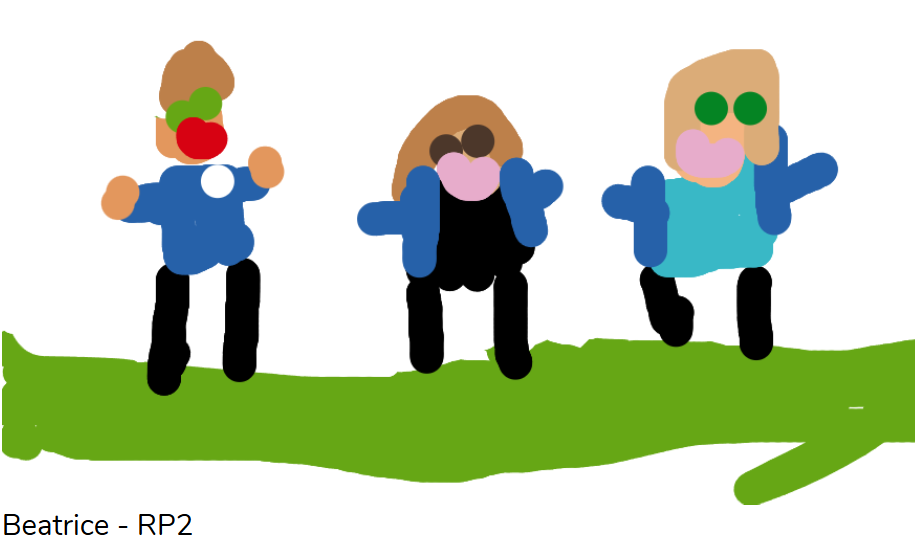
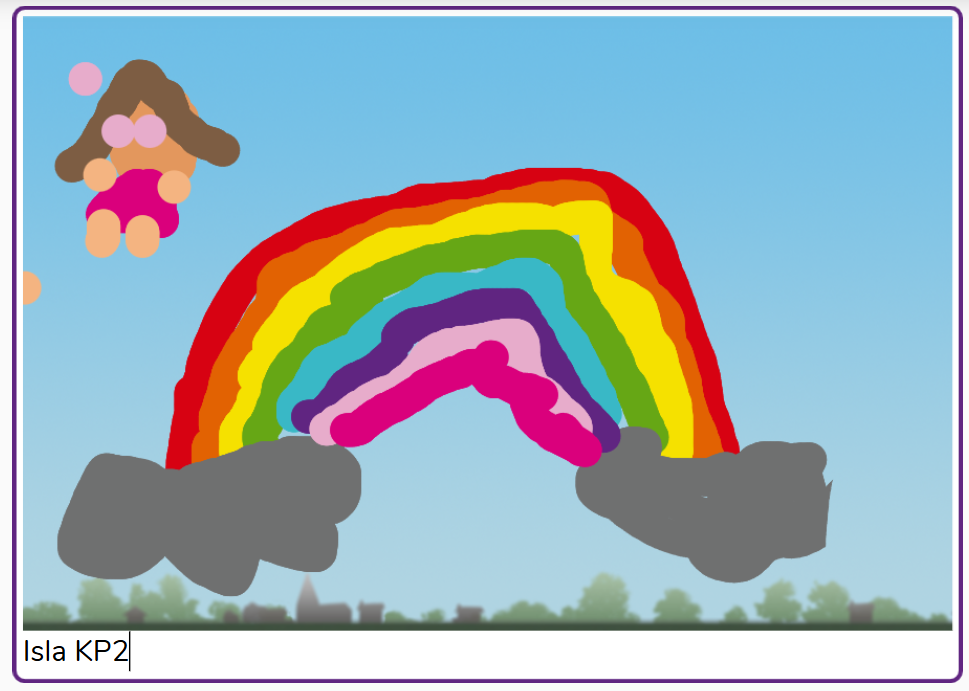
When focusing on Digital Literacy the children have been thinking about computing systems and networks. They begun by using laptops for the first time, learning about the mice and keyboard. The children thought about different digital devices that they have and can use. They drew pictures for the Information Technology strand, typed sentences and even played some typing games on Purple Mash to improve their digital literacy for typing.

A group of cartoon characters

AI-generated content may be incorrect.
A child's drawing of a rainbow

AI-generated content may be incorrect.
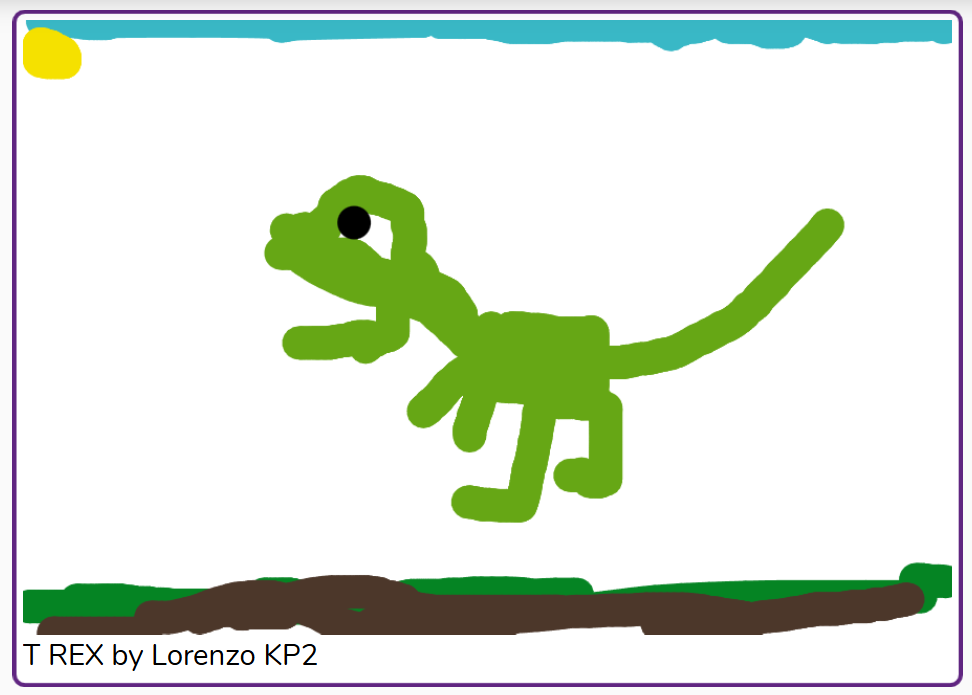
A drawing of a lizard

AI-generated content may be incorrect.
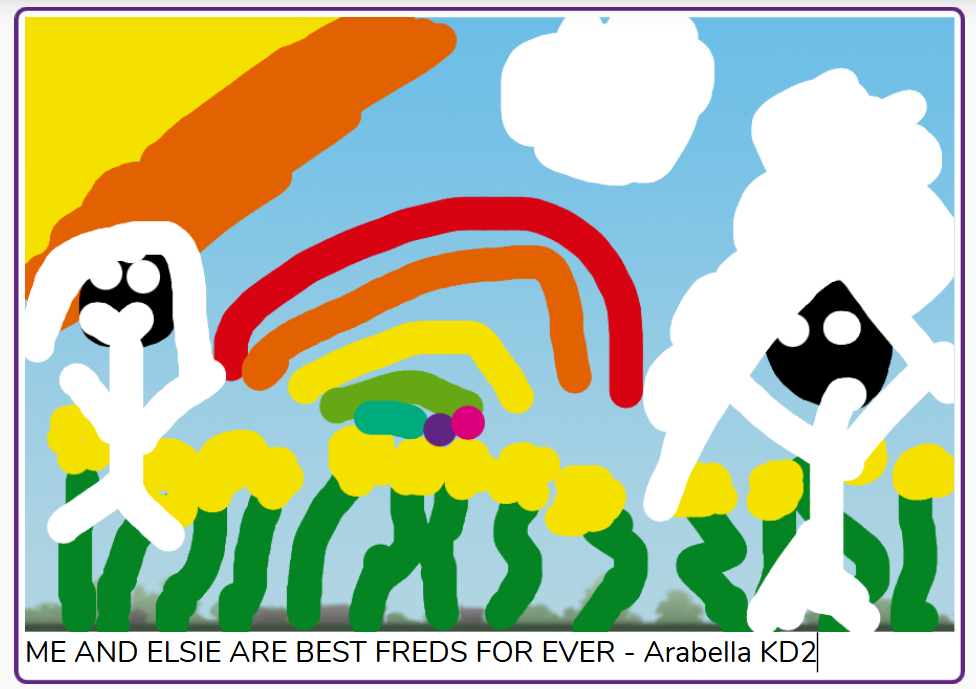
A drawing of a rainbow and clouds

AI-generated content may be incorrect.

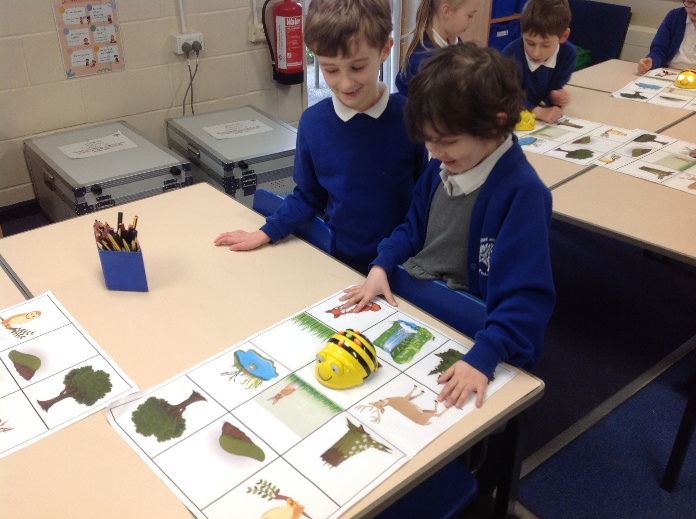
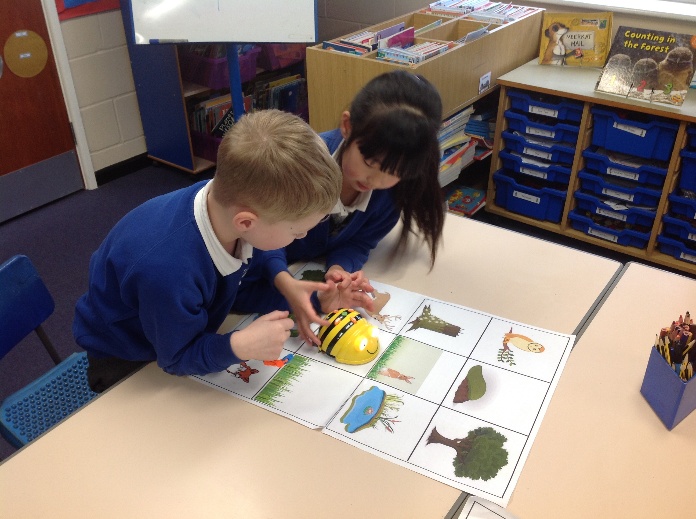
When focusing on Computer Science the children have been retrieving their learning from Year 1. They have used beebots to plan a route, and have even had a go at predicting what their algorithm will lead to. Harrison said that he “found it tricky to predict where he wanted his beebot to go”.

History Spring Term

Reception

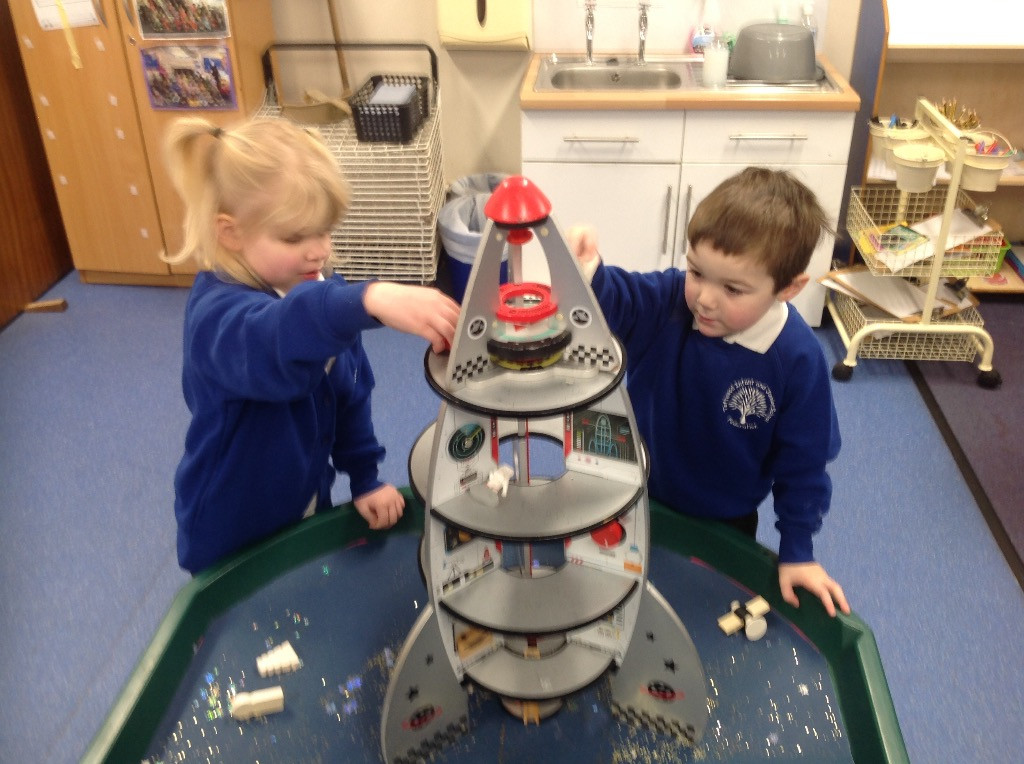
In the spring term, reception classes spent a week focussing on space. They looked at photographs of famous astronauts and shared facts about them, including Tim Peake, Yuri Gagarin, and Mae Jemison. They thought of questions to ask an astronaut and discussed what we would like to take to space. They listened to lots of space stories, including ‘The incredible intergalactic journey home’ read by Tim Peake in space.

Year One

The 1980’s

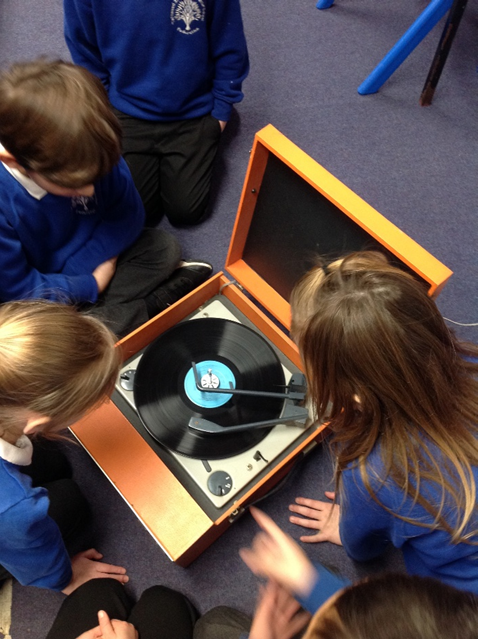
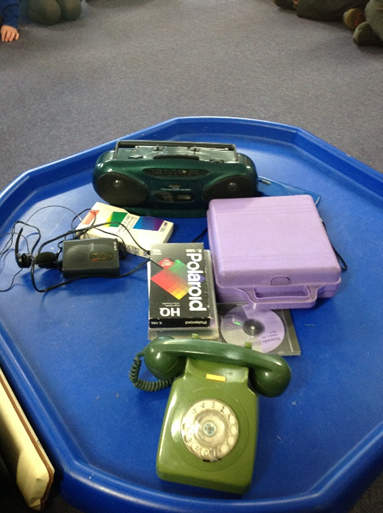
The children stepped back in time to the 1980’s. They learnt about the life of a 6 year old girl who lived back in the 80’s. She showed them the clothes, food, toy’s and tv shows she had back then. The children got to explore a range of real 1980’s toys and watch an episode of Super Ted. They also learnt about school life in the 1980’s. They listened to an assembly song and compared school to that of today. The children explored technology and music from the 1980’s, they matched some real artefacts from the 1980’s to items around the house that we might have today. They discussed how they had changed and had a go at using some of the artefacts. They played some music on the record player and listened to a cassette in a Walkman. The 6 year old girl from the 80’s sent the class some music and dances to learn ready for the 1980’s party!

The children learnt about significant events and people from the 80’s (royal weddings, Live Aid, Band Aid). The children also had a 1980’s party/disco in the school hall. At the disco the children joined in with some 1980’s dance routines and played a 1980’s Four corners game. All the children were invited to dress up in 80’s themed clothing for the afternoon!

“I loved dressing in bright colours and dancing to ‘Agadoo’ and ‘Superman’” Amber

“The record player is very cool, it’s not like listening to music now!” Gracie

“Some of the toys from the 80’s are the same as what we play with now” Henry

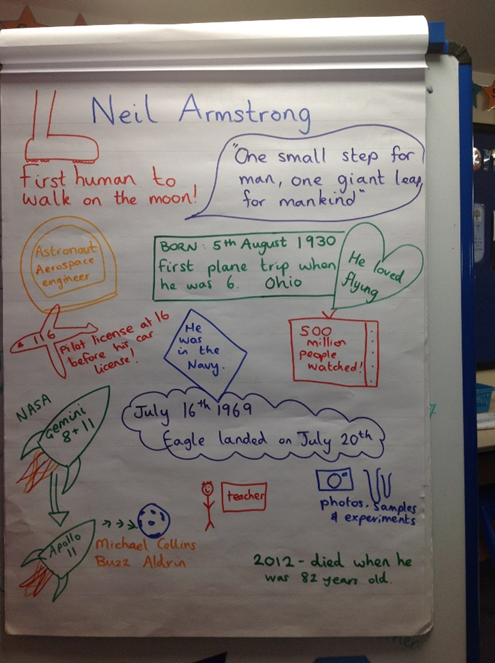
Neil Armstrong

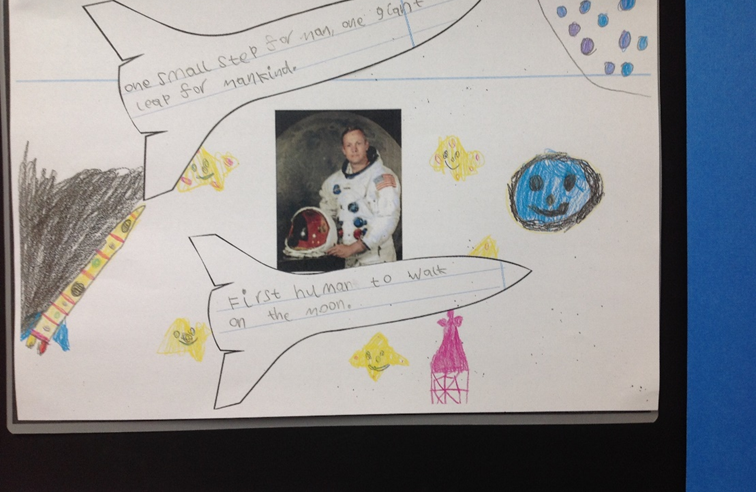
The children travelled back to 1969 to learn about an important person from history. The children learnt all about Neil Armstrong and his significance in the history of space travel. In this first lesson the children found out about his life and added him to their class time line. They also watched some footage of Neil Armstrong from his famous moon landings and imaged they were walking on the moon! The children created rocket writing containing their favourite Neil Armstrong facts. They took part in a Neil Armstrong quiz to see what they could remember.

“It was called the Apollo 11 mission” – Rosie GA1

“Neil Armstong was the first man to walk on the moon and Buzz Aldrin was the second” – Marli

Year Two

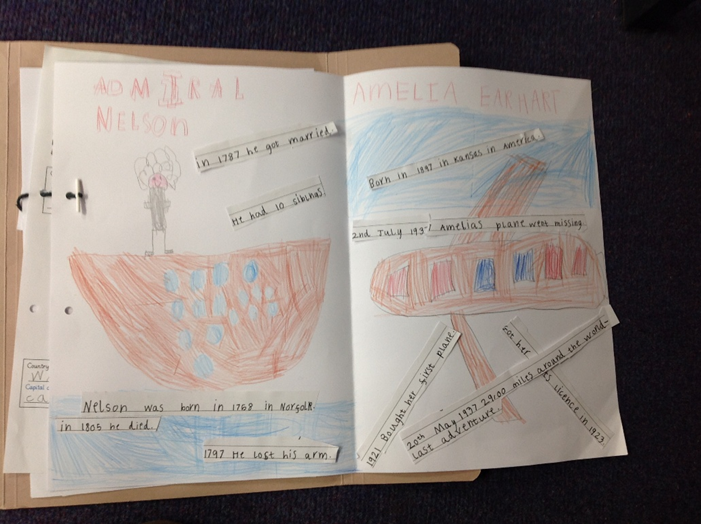
Admiral Nelson

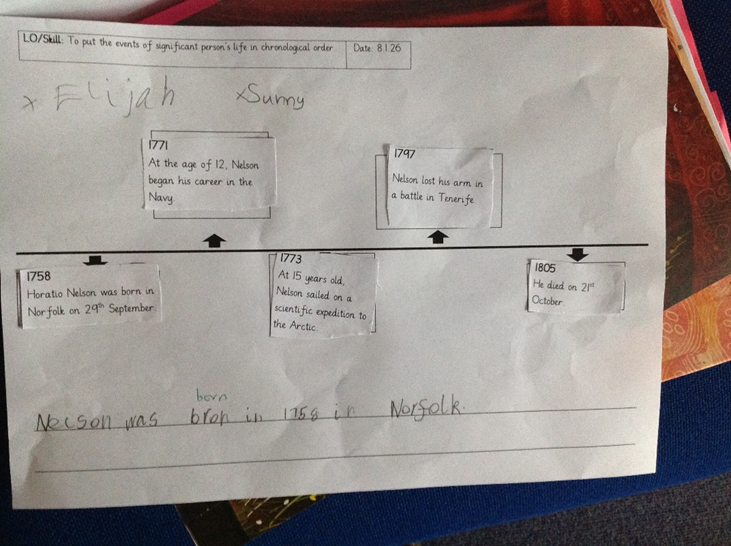
To begin our learning the children looked at two images of Admiral Nelson without being told who it was. They considered and gave their ideas to answer questions such as who it might be, what is job might be, when the image was from, if it was a photograph or a painting. After being told who this man was, the children then learnt about the main events in Admiral Nelson’s life using a timeline. The children worked in partners to order 5 of the main events in the correct order using the years.

Amelia Earhart

The children also learnt about another famous individual, Amelia Earhart. The children learnt about the significant events in Earhart’s life and again ordered these using their knowledge of timelines from their previous work.

They then compared Amelia Earhart and Admiral Nelson and discussed the similarities and differences of their lives. They created a two page spread about them both.

Geography- Spring


Reception

Reception children have been learning about people who help us in our community. This has included visits from the police force, vets, first responders and a bus driver.

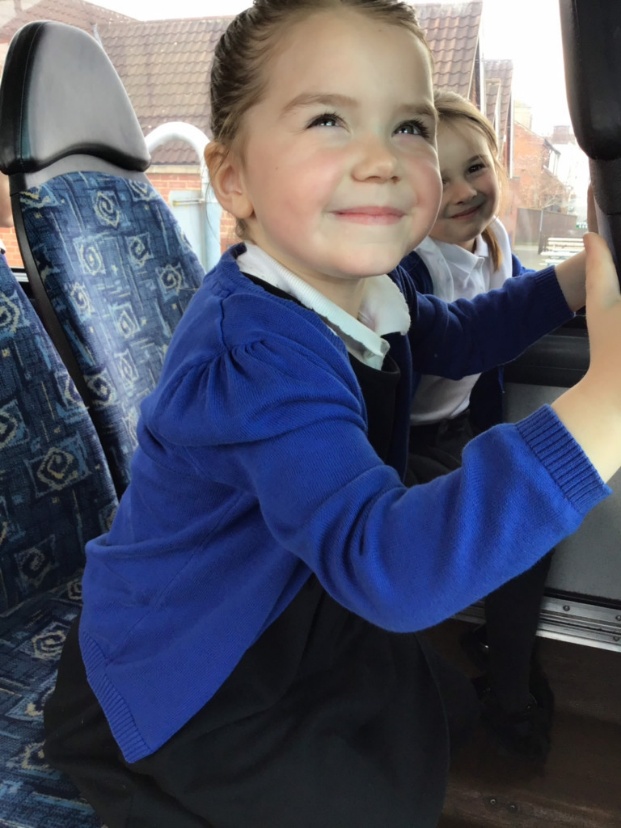
Children took a bus ride around the local area. They played bus bingo in which they had to search for a red car, a person riding a bike and a dog being walked. Children noticed lots of things on their journey.

“We’re going past my grandma’s house” E

“Our bus is bigger than that bus” A

“We’re on the A47!”

“That’s they way to my dad’s haircut”

Year One

The children in year 1 elaborated on their learning on the school grounds and Toftwood/Dereham to discuss the county that we live in Norfolk.

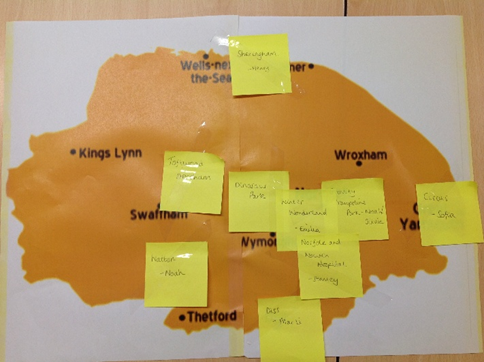
Using a large map, the children discussed places they know or are familiar with in Norfolk. Marli in CM1 said her Granny lived in Diss. Many children talked about how they had visited the beach at Cromer or Sheringham. Lots of children talked about visiting the Dinosaur park.

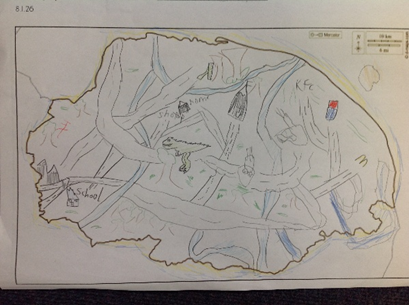
In our second lesson, the children identified human and physical features of Norfolk. We discussed terminology like town, city, coast, roads and rivers, even looking at these on maps. They then made their own maps and added places familiar to them and other points of interest likes shops and restaurants as well as roads, rivers and a coastline.

Year Two

Year two have been learning to compare and contrast the human and physical features of Dereham with Cape Town, South Africa.


Year 1 – Pete’s music workshop, Space theme!

Friday 13th March 2026

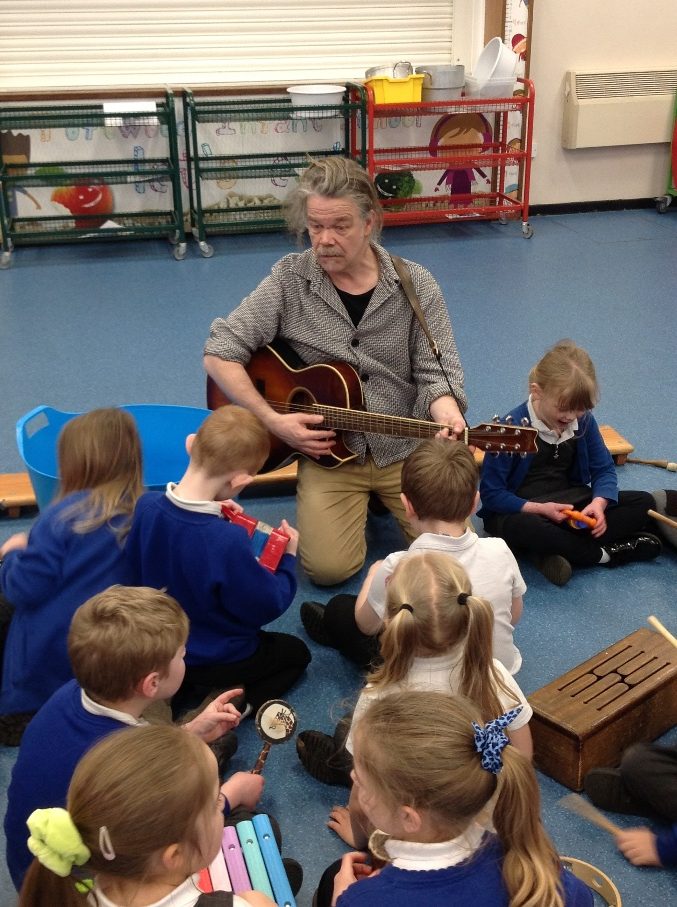
Year 1 children were visited by Pete for a special Space themed workshop. The children have been learning about Space in History and impressed him with their facts.

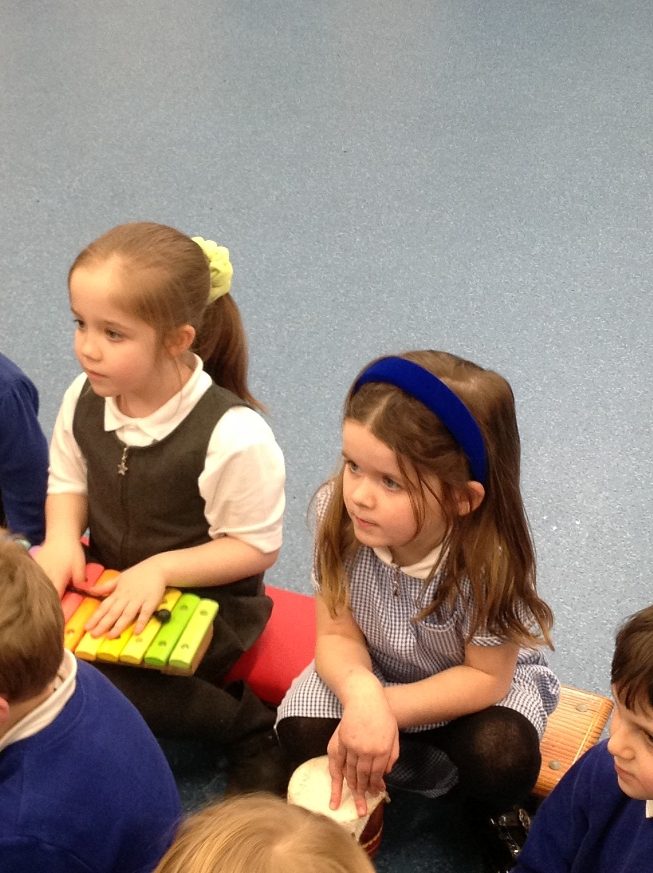
The session started with a ‘hello’ song that the children could join in with, and then Pete shared a range of instruments, explaining what they were made of and how to play them.

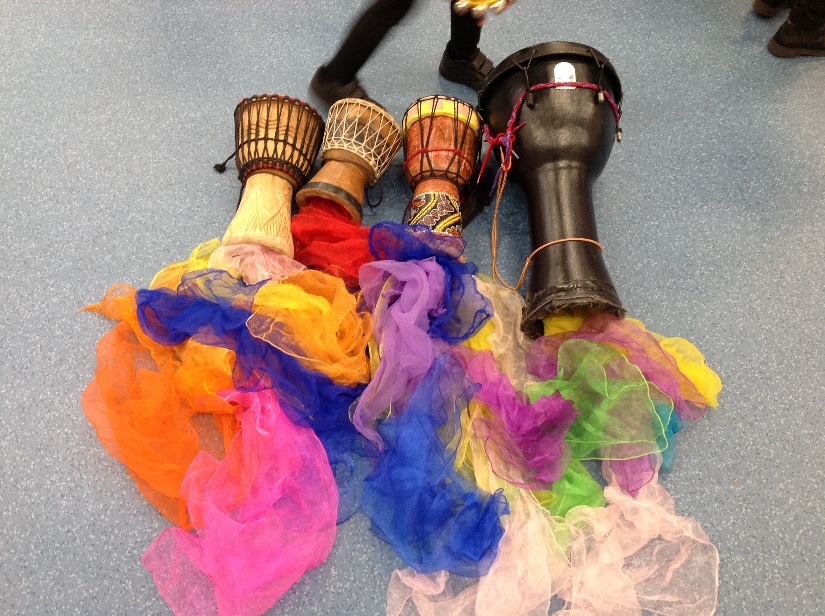
The children’s task was to build a spaceship using the instruments! Pete started this off using some drums and used some scarves for the fire!

Pete played the guitar and sang the children’s names so that they could join the spaceship and play the instruments. The children boarded the spaceship, and then once they’d landed in space, they could spacewalk around! They then saw an alien who chased them! The alien was so friendly that they invited them onto the spaceship, and they rocketed back to Earth.